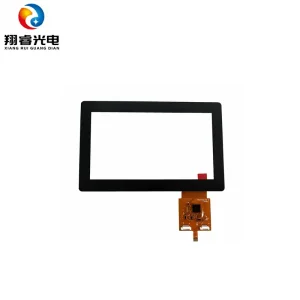
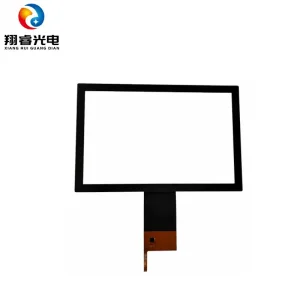
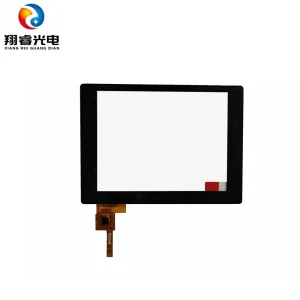
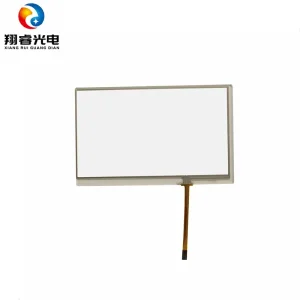
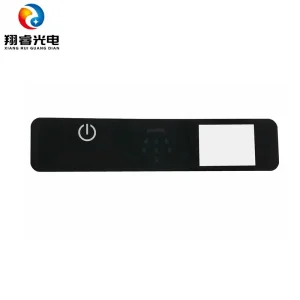
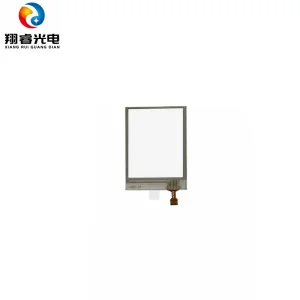
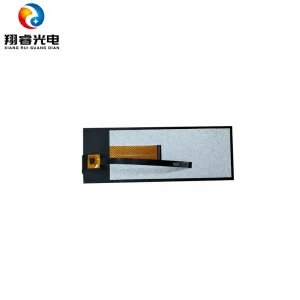
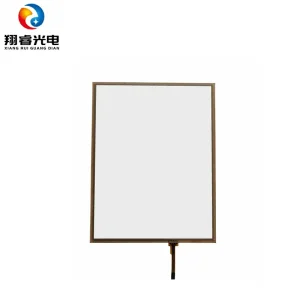
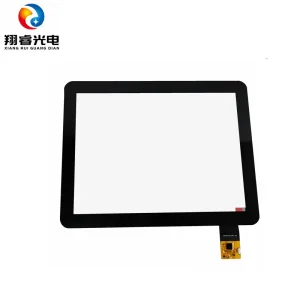
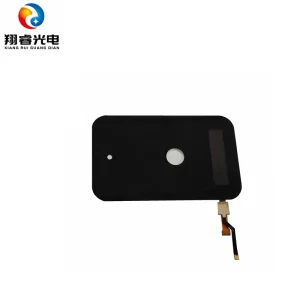
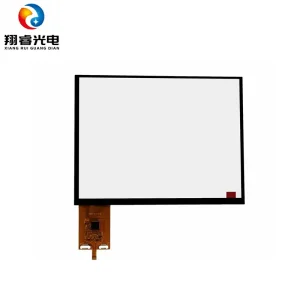
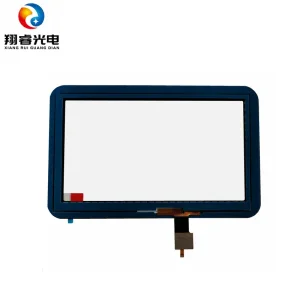
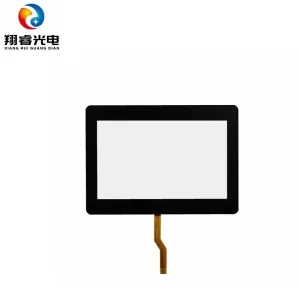
Explore our core range of custom capacitive modules, engineered for durability, optical clarity, and flawless touch response across heavy-duty industrial and commercial equipment.
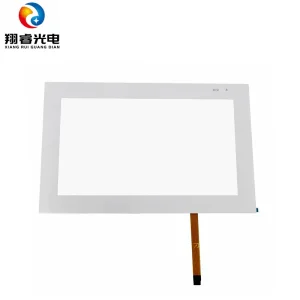
Human-Machine Interface (HMI) systems are undergoing an unprecedented shift. Legacy electromechanical switches, once the standard for activating operations in machinery and control systems, are rapidly giving way to solid-state capacitive sensing arrays. This transition is not driven purely by aesthetic modernism; it is mandated by the physical demands of high-durability environments and the digital expectations of users raised on smart device ecosystems.
Unlike physical buttons, which suffer from mechanical wear, internal spring oxidation, and structural susceptibility to dust and water ingress, capacitance buttons function with zero moving parts. Operating by detecting the dielectric alteration caused by a human finger's proximity, these components provide superior lifespan limits, complete hermetic sealing capabilities, and seamless integration behind protective cover glass.
"The migration from mechanical actuation to capacitance-driven control is expected to expand at an annual growth rate of over 11.2% globally, with the industrial automation and medical care sectors accounting for over 60% of new display designs."
For global procurement managers and hardware design teams, understanding this technology's trajectory means analyzing how capacitance buttons interact with display structures. The integration of cover lens, sensor layers, custom printed circuit boards (PCBs), and controller integrated circuits (ICs) requires precise structural alignment, optimal signal-to-noise ratios (SNR), and specialized manufacturing workflows that only a mature partner can support.
Why top industrial system integrators rely on Guangzhou Xiangrui Optoelectronics Technology Co., Ltd. for custom capacitive systems.
We eliminate the internal air gap between the LCD and the capacitive touch sensor. This enhances optical clarity, increases sunlight readability by 400%, and boosts structural resistance against impact and thermal cycles.
Designed for survival in extreme settings. Our modules operate flawlessly from -30°C to +85°C, ensuring that extreme outdoor exposure or cold-storage applications will not cause touch drift or sensor failure.
Our custom capacitive touch button panel designs support hermetic perimeter sealing. This ensures that moisture, water jet cleaning, chemical solvents, and particulate contamination will not compromise system integrity.
Global procurement teams face an array of risks when sourcing electronic components. Geopolitical shifts, logistics constraints, and sudden component obsolescence mean that supply chain managers prioritize two elements: reliability and adaptability. Selecting a China-based capacitive solution provider is no longer just a quest for cost reduction; it is an effort to secure design scalability and supply chain flexibility.
At Guangzhou Xiangrui, we bridge the gap between regional component supply and global industrial standards. Since our inception in 2010, we have integrated raw material sourcing, automated precision sensor printing, cleanroom laminating, and advanced optoelectronic testing under one unified operating model.
By leveraging our 3,000 square meter facility, clients achieve shorter development cycles. Standard designs proceed rapidly to mass production, while custom tooling configurations are validated quickly using advanced automated optical inspection (AOI) units and high-low temperature chamber setups.
How our capacitive panels and touch buttons operate reliably across diverse operating environments.
Heavy machinery control rooms, PLC monitors, and CNC machinery demand touch displays that can withstand grease, tool vibration, and gloved input. Our wide-temperature touch arrays operate reliably alongside high-frequency power lines without experiencing electromagnetic interference.
Medical interfaces must resist liquid spills and regular chemical disinfection. Our touch screen panels feature flush, flat glass surfaces that can be wiped clean with medical alcohol without deteriorating the anti-glare (AG) or anti-reflective (AR) surface treatments.
From parking pay stations to palm-print verification kiosks, outdoor installations face direct sunlight and temperature fluctuations. Our optical bonding technology prevents internal condensation and delivers high legibility under bright ambient light conditions.
Find direct answers to common engineering and sourcing questions regarding capacitive touch panels and optical lamination technology.
Optical bonding uses liquid optically clear adhesive (LOCA) or optical film (OCR) to fill the air gap between the display panel and the touch glass. This reduces reflections, increases mechanical strength, prevents condensation, and enhances touch sensitivity. Tape bonding, or air bonding, uses double-sided tape along the borders of the sensor. While cost-effective, it leaves a small air gap that is vulnerable to moisture ingress, dust, and optical reflections.
Yes. By adjusting the touch controller IC firmware (such as adjusting sensitivity thresholds and increasing the signal-to-noise ratio), our capacitive systems can detect input through thick nitrile, latex, or heavy industrial gloves. We can also customize cover glass thicknesses up to 8mm or more, which provides robust anti-vandal properties for outdoor public kiosks.
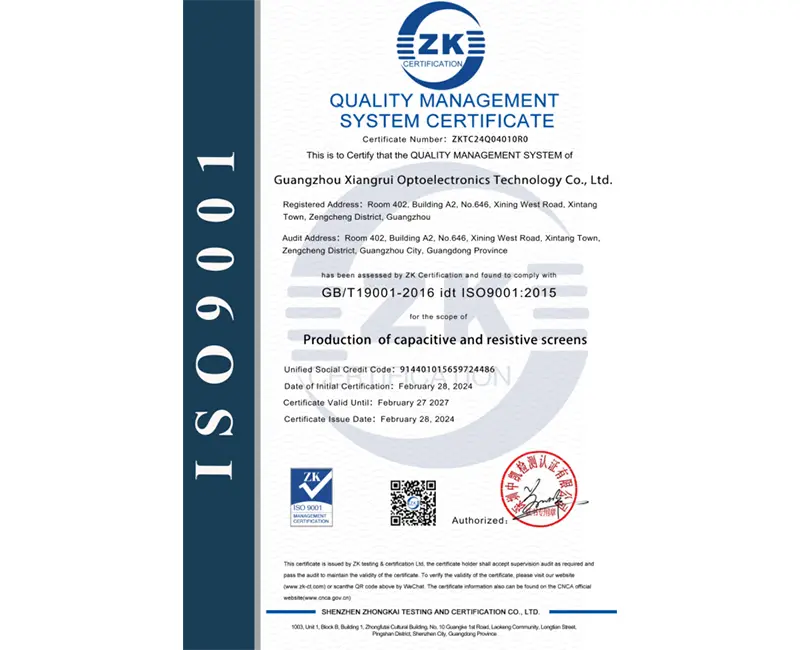
We conduct strict raw material qualification. We use industrial-grade optical adhesives and ITO sensor substrates with low thermal expansion coefficients. Once laminated, prototypes undergo environmental testing, including thermal shocks from -40°C to +85°C, damp heat storage (60°C, 90% RH), and UV resistance tests. Our ISO 9001 standard manufacturing ensures that every production batch matches these test parameters.
We provide several glass surface treatments: Anti-Glare (AG) to reduce reflections, Anti-Reflective (AR) to maximize light transmission for outdoor readability, and Anti-Fingerprint/Anti-Smudge (AF/AS) coatings to prevent oil accumulation. Additionally, we can customize cover plate shapes, print multi-colored branding borders, and create physical cutouts for integrated cameras or mechanical dials.
ISO 14001 certification ensures that our optoelectronic production facility follows international standards for environmental management. This includes safe chemical processing (reducing RoHS-regulated materials), efficient waste disposal during screen etching and glass polishing, and low-energy consumption cleanroom operations. This alignment assists international buyers in meeting their corporate ESG targets.
For custom configurations, the design and drawing stage takes 3 to 5 working days. Tooling, glass cutting, sensor printing, and FPC customization take approximately 15 to 20 days. Sample assembly and testing are completed within 5 to 7 days, allowing us to ship initial functional prototypes to clients within 4 weeks of design approval.
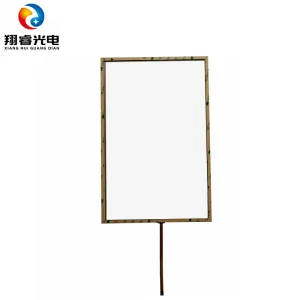
Review more of our custom products, including small-scale capacitive buttons and industrial-grade resistive panels.
 Xiangrui Optoelectronics