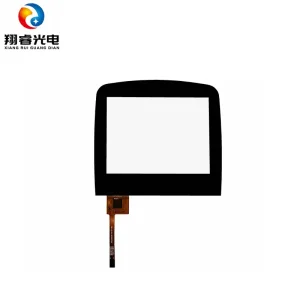
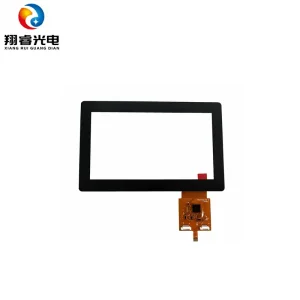
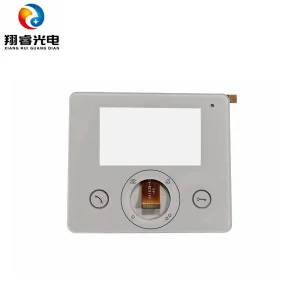
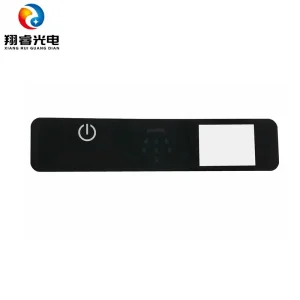
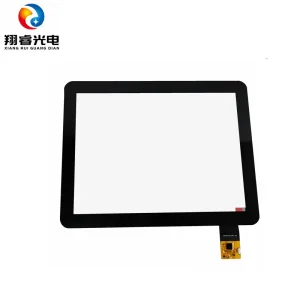
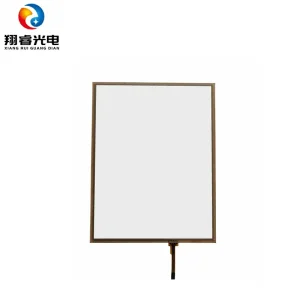
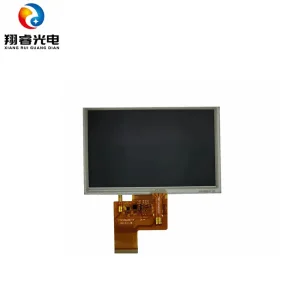
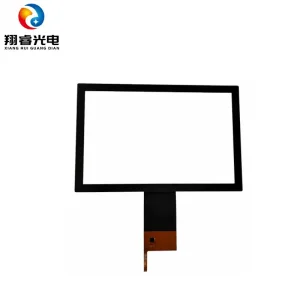
Premium OEM/ODM customizable touch interfaces designed for industrial, medical, and commercial systems.
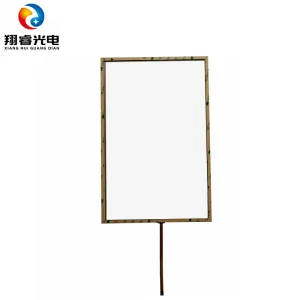
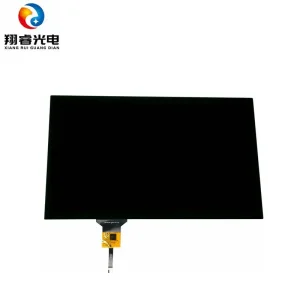
In the landscape of modern Human-Machine Interfaces (HMIs), resistive touchscreens remain an indispensable standard for industries demanding absolute inputs, mechanical reliability, and imperviousness to environmental noise.
While capacitive screens dominate the consumer market, resistive touch technology is the backbone of industrial control, defense, healthcare, and outdoor rugged systems. China's manufacturing clusters, led by specialized pioneers like Guangzhou Xiangrui Optoelectronics Technology Co., Ltd., have transitioned from high-volume component assembly to advanced technology integration. Today, we offer complete HMI customization, featuring multi-layer optical bonding, wide-temperature operational parameters (-30°C to 85°C), and certified durability ratings.
By leveraging domestic supply chains for high-purity Indium Tin Oxide (ITO) films, micro-glass structures, and state-of-the-art flexible printing circuits (FPC), Chinese factories supply high-reliability resistive panels at competitive unit prices. Our engineering capabilities address classic issues such as Newton's rings, light transmissivity barriers, and surface wear, making us the primary outsourcing base for Fortune 500 automation enterprises.
Pioneering Touch Panel Innovations and Bonding Technologies Since 2010
Founded in 2010 and based in Guangzhou, China, Guangzhou Xiangrui Optoelectronics Technology Co., Ltd. is a leading manufacturer specializing in the research, development, production, and service of resistive touch panels, capacitive touch panels, cover glass, and comprehensive optical/frame bonding solutions. Over the last decade, we have established ourselves as an authority in heavy-duty touch design.
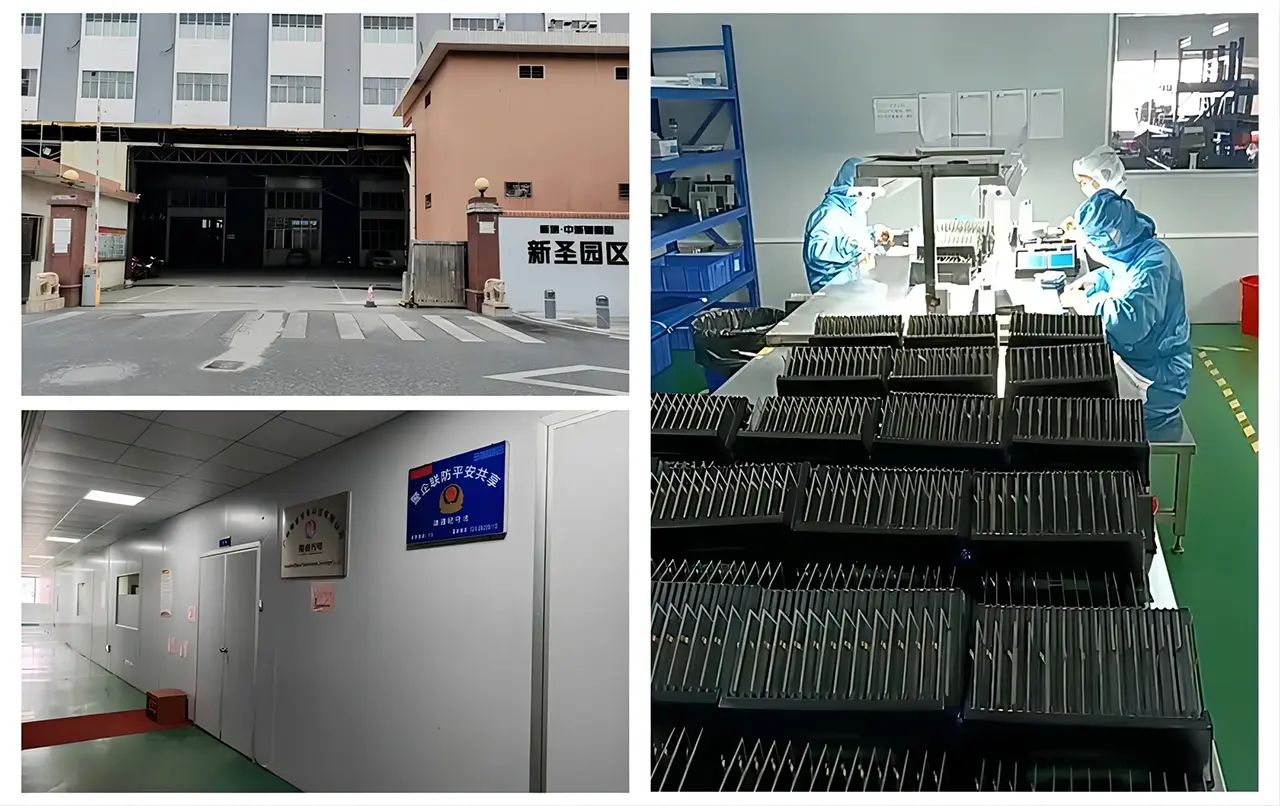
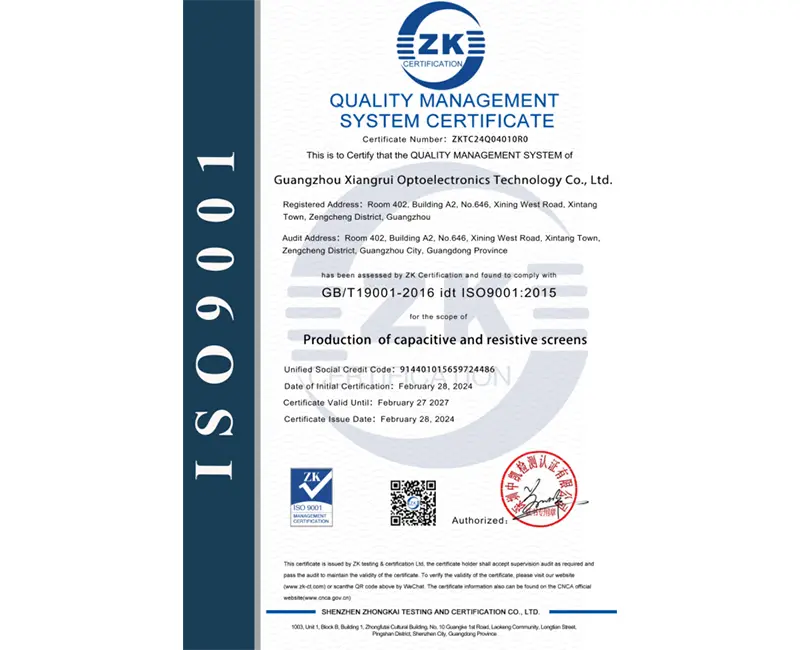
Operating from a facility spanning approximately 3,000 square meters (with access to a broader manufacturing area of 10,000 square meters), our plant hosts cleanroom environments class 100, class 1000, and class 10000. These environments minimize particulate interference during critical processes like ITO laminations, sensor etching, and optical bonding. Certified under ISO 9001:2015 and ISO 14001:2015, our quality management ensures every module is built to last.
Choosing the correct integration methodology based on environmental and operating constraints.
Selecting the appropriate interface technology requires analyzing your operating environment. Resistive touchscreens rely on physical pressure to connect the conductive layers, making them highly reliable in challenging settings where non-conductive materials are present. In contrast, Projected Capacitive (PCAP) screens utilize electrostatic fields to register touch events.
| Feature / Parameter | Resistive Touchscreen (Analog 4/5-Wire) | Projected Capacitive (PCAP) |
|---|---|---|
| Activation Principle | Mechanical Pressure (physical contact makes circuit connection) | Electrostatic field alteration by conductive objects |
| Glove / Stylus Support | 100% compatible with gloves (leather, heavy rubber), styluses, and tools | Limited; requires conductive stylus or specialized thick-glove tuning |
| EMI & Electrical Noise | Immune; unaffected by industrial electromagnetic interference | Can register false touches; requires advanced firmware filtering |
| Liquid & Contaminants | Fully functional with water drops, oil, dust, and grease | Moisture can cause tracking anomalies; requires custom tuning |
| Durability & Longevity | Polyester (PET) outer layer can wear over time (35+ million touches per point) | Highly durable glass face; virtually wear-free (100+ million touches) |
| Clarity & Optics | Typically 75% - 85% transparency; slightly lower due to dual-film construction | Typically >90%; excellent optical clarity |
For heavy industrial settings, CNC machining, marine navigation, and outdoor medical interfaces exposed to heavy rain or thick chemicals, a 5-wire resistive touch panel with a glass-film-glass (GFG) structure is recommended. For high-clarity outdoor kiosks and payment systems, choose a custom PCAP touch panel with optical bonding and chemically strengthened cover glass.
Innovation in HMI materials, optical performance, and hybrid control systems.
Our engineering team is focused on improving optical and material performance to meet the requirements of rugged computing environments:
Ensuring raw material reliability and consistent quality compliance for international projects.
For procurement officers and manufacturing engineers, sourcing resistive touchscreens from China requires verifying component quality, material origins, and process control. We maintain a reliable supply chain by sourcing raw ITO film from reputable suppliers, using premium controller ICs, and employing strict cleanroom controls.
All raw materials undergo incoming inspection (IQC) before entering cleanrooms. We monitor film sheet resistance, adhesive thickness consistency, and glass edge finishes to minimize defect rates. Production batches are serialized for traceability from raw glass to final testing.
Custom touch interfaces designed to meet requirements across diverse operating environments.
Industrial touchscreens must withstand grease, chemicals, metal dust, and mechanical impacts. Our China 12.1-inch industrial resistive touch panels (IP65 protection rating) are built to operate reliably in environments where users wear thick gloves and heavy electrical noise interferes with other technologies.
Medical displays must remain responsive when touched with latex gloves, surgical gel, or water, and must resist cleaning agents like isopropyl alcohol and bleach.
As biometrics expand in public transaction kiosk terminals, our touch assemblies are engineered for long lifecycles and resistance to vandalism.
We design functional, aesthetic touch screens and custom capacitive touch buttons for high-end home hubs, smart ovens, and smart refrigerators.
Ensuring global standards compliance and long-term product availability.
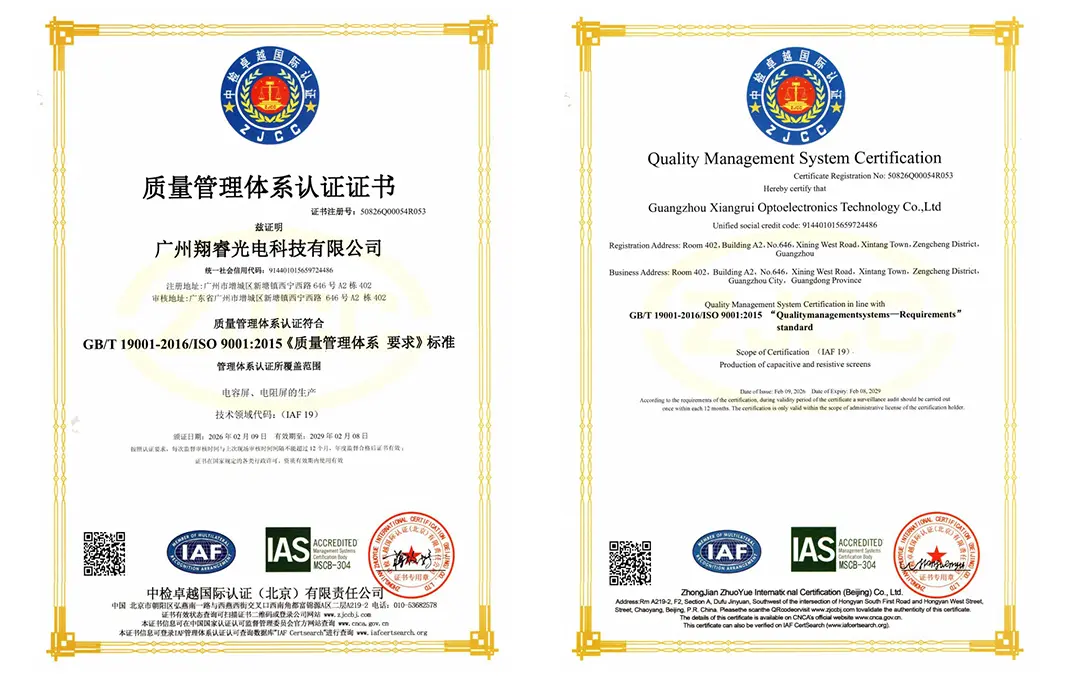
Exporting components requires meeting regional compliance directives. Guangzhou Xiangrui manufactures components that comply with RoHS 2.0, REACH, CE, and FCC standards, supporting seamless system integration in European and American markets.
Our engineering laboratory performs ongoing reliability testing to verify mechanical durability, electrical performance, and environment resistance under simulated field conditions.
A closer look at our cleanrooms, manufacturing capabilities, and advanced equipment.
A controlled manufacturing environment is required to produce touchscreens with low pixel defect rates and high yields.
Our plant features specialized departments for R&D, production, marketing, quality control, finance, purchasing, and human resources, ensuring coordinated operations from design to shipping.
Our lamination, alignment, and bonding processes are performed in Class 100, Class 1,000, and Class 10,000 dust-free workshops. These environments control airborne particulates, temperature, and humidity, minimizing contamination risk during adhesive curing and glass printing.
Common questions about touch technology, customization, and factory operations.
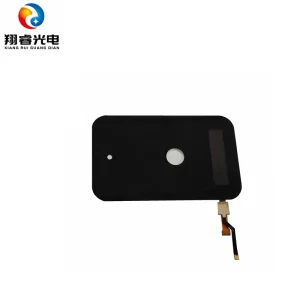
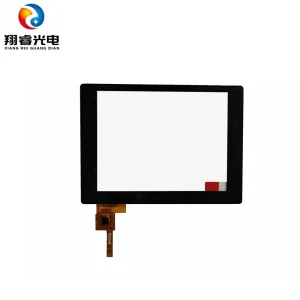
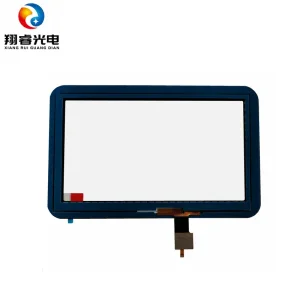
Browse our range of touch screen sizes, including optical bonding and wide-temperature options.
 Xiangrui Optoelectronics