Explore our premium catalog of high-durability capacitive and resistive panels designed for harsh industrial, medical, and commercial environments.
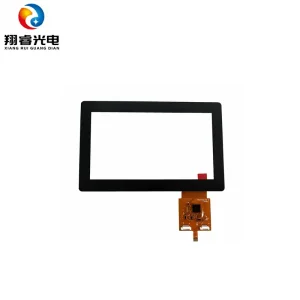
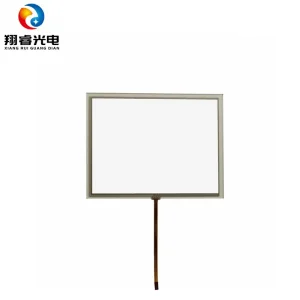
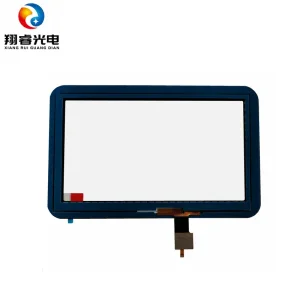
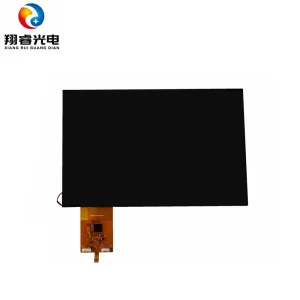
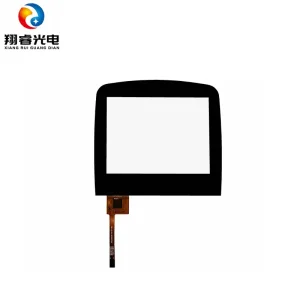
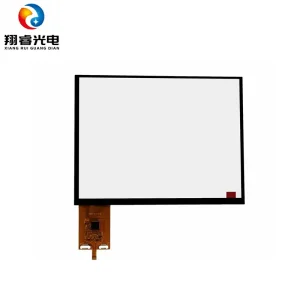
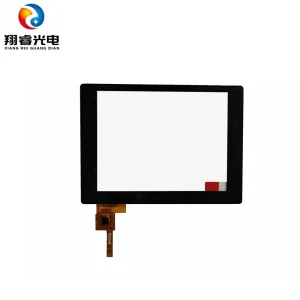
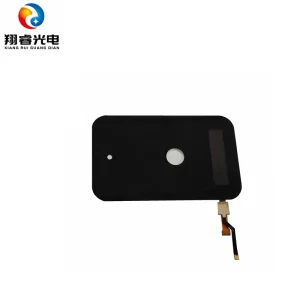
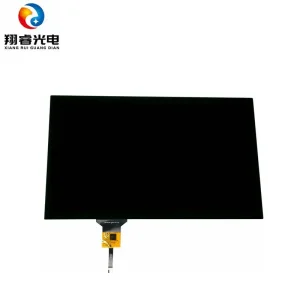
B2B product developers and systems integrators are increasingly selecting the 10-inch form factor (including 10.1" and 10.4" variants) as the optimal sweet spot between operational readability and space economy.
The 10-inch dimension provides the minimum surface area required to support complex Graphical User Interfaces (GUIs) without forcing operators to zoom or squint. It easily accommodates multi-layered parameter settings, interactive toggle switches, real-time wave graph monitors, and diagnostics sidebars simultaneously.
Unlike standard consumer displays, industrial-grade 10-inch panels are structurally reinforced. By engineering tailored cover lens solutions—such as chemically strengthened aluminosilicate glass and anti-glare (AG) physical etches—we make displays capable of withstanding heavy impact, severe thermal cycling, and chemical exposure.
Utilizing high-end Projected Capacitive (PCAP) Touch technology coupled with advanced controller ICs (such as EETI or ILITEK chipsets), our panels support seamless glove-operated touch, wet-hand tracking, and precision multi-touch gestures, neutralizing standard factory interference.
The transition toward Industry 4.0 automation, telehealth infrastructure, and smart IoT nodes has accelerated the demand for high-durability display products globally. The 10-inch panel has emerged as an essential interface standard in terminal setups including smart EV chargers, smart retail kiosks, automated parcel lockers, CNC control stations, and rugged maritime navigation displays.
According to current market intelligence, the demand for rugged industrial displays is projected to achieve a robust compound annual growth rate (CAGR) of over 6.8%. This growth is driven by the necessity for display systems that function flawlessly in outdoor environments under direct solar exposure. Features like optical bonding (which eliminates reflection gaps) and IP65/IP67 ingress ratings are no longer optional additions—they have become the required standard for B2B engineering projects.
Developing a high-performing display panel requires systematic material selection, high-precision bonding, and robust electrical tuning.
| Feature Spec | Resistive Touch Panel Systems | Projected Capacitive (PCAP) Systems | Custom Design Path Options |
|---|---|---|---|
| Operating Mechanism | Pressure-sensitive micro-gap grid registration. | Electrostatic field perturbation tracking (ITO matrix). | Select based on operational safety thresholds. |
| Durability & Wear | Polyester film surface subject to scratches & wear. | Hardened chemical glass cover (up to 7H/9H hardness). | Custom cover glass thickness (1.1mm to 6.0mm). |
| Optical Performance | ~75%-80% light transmission due to air gaps. | >88% standard (exceeds 92% with Optical Bonding). | Anti-Reflective (AR), Anti-Glare (AG), Anti-Fingerprint (AF). |
| Environmental Adaptability | Not affected by dust, water drops, or EMI noise. | Highly sensitive; requires tuning against water & noise. | Firmware custom-tuned for thick gloves & water-rejection. |
| Lifecycle Reliability | Typical rating of 1 to 5 million touches per point. | Virtually limitless touches (>50 million cycles). | High reliability setups for critical medical/mil applications. |
We provide chemical strengthening methods (Soda-Lime and Aluminosilicate options) to resist drops and severe impact. In high-exposure areas, we offer AG chemical etching to prevent light glare, AR coating to improve contrast, and AF hydrophobic coatings to prevent finger oils from smudging the screen.
Our cleanrooms offer advanced Optical Bonding (using OCR/OCA silicones) to fill the air gap between the touch sensor panel and the underlying liquid crystal module. This process minimizes light reflection to less than 0.5%, increases structural vibration resistance, and prevents interior condensation in cold climates.
We build our touch interfaces around standard industrial control microcontrollers (EETI, Ilitek, Microchip) that support USB, I2C, and RS232 communication interfaces. This ensures plug-and-play compatibility with Windows, Android, Linux, and specialized RTOS platforms.
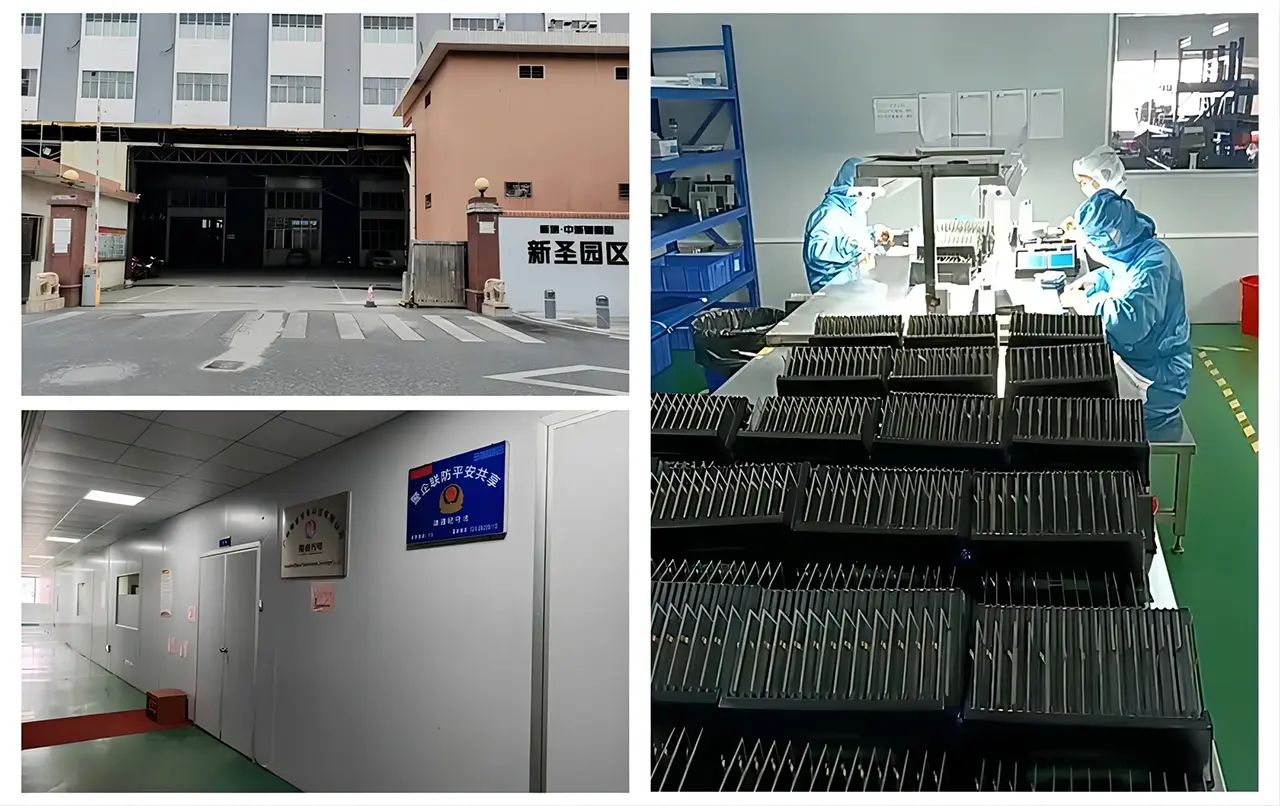
Guangzhou Xiangrui Optoelectronics Technology Co., Ltd. has built its production processes around cleanroom environments to maintain high yields and prevent dust contamination during display manufacturing. Our facilities feature Class 100, Class 1,000, and Class 10,000 dust-free workshops that regulate humidity, temperature, and particle concentration.
Our factories run under strict ISO 9001:2015 and ISO 14001:2015 certifications. Every production run goes through automated optical inspection (AOI), environmental chamber thermal testing (-40°C to +85°C), electrostatic discharge checks (ESD up to 15kV contact), and structural drops to guarantee that the final products hold up under field conditions.
Our engineered 10-inch display solutions are custom-configured to meet the technical standards of diverse industrial sectors.
Our panels are designed to meet medical compliance standards, including compatibility with medical cleaning agents. They support precise operation with latex gloves, reject fluid spills, and are built to prevent electromagnetic interference (EMI) with nearby patient monitoring equipment.
Our screens are reinforced with thick safety glass (3.0mm to 6.0mm) to resist impact in high-impact workshops. We use wide-temperature materials to ensure performance under extreme operating conditions, preventing display failure in hot or freezing settings.
These panels feature high-contrast outdoor readability, anti-UV films to prevent sun damage, and integrated palm-print biometric recognition capability. They are built for self-service payment systems, ticketing stands, and public information terminals.
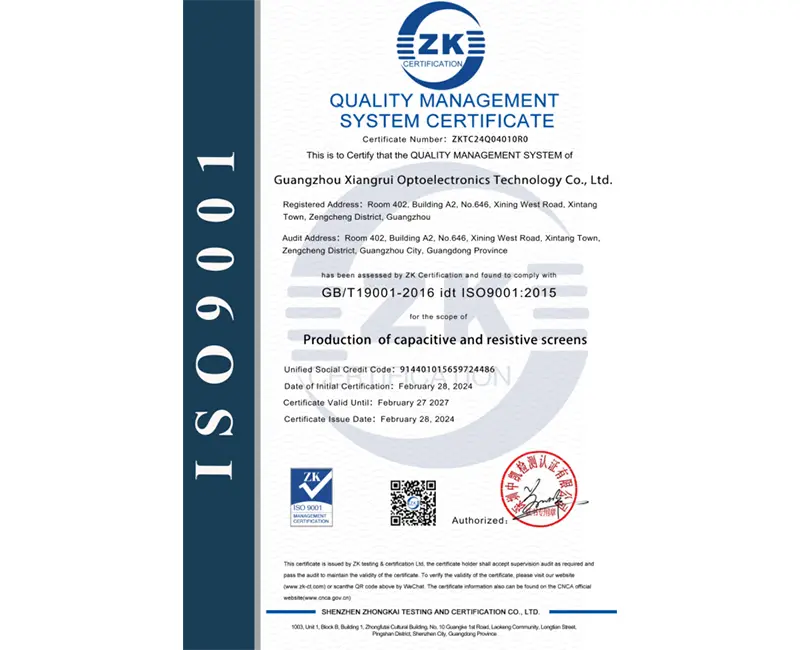
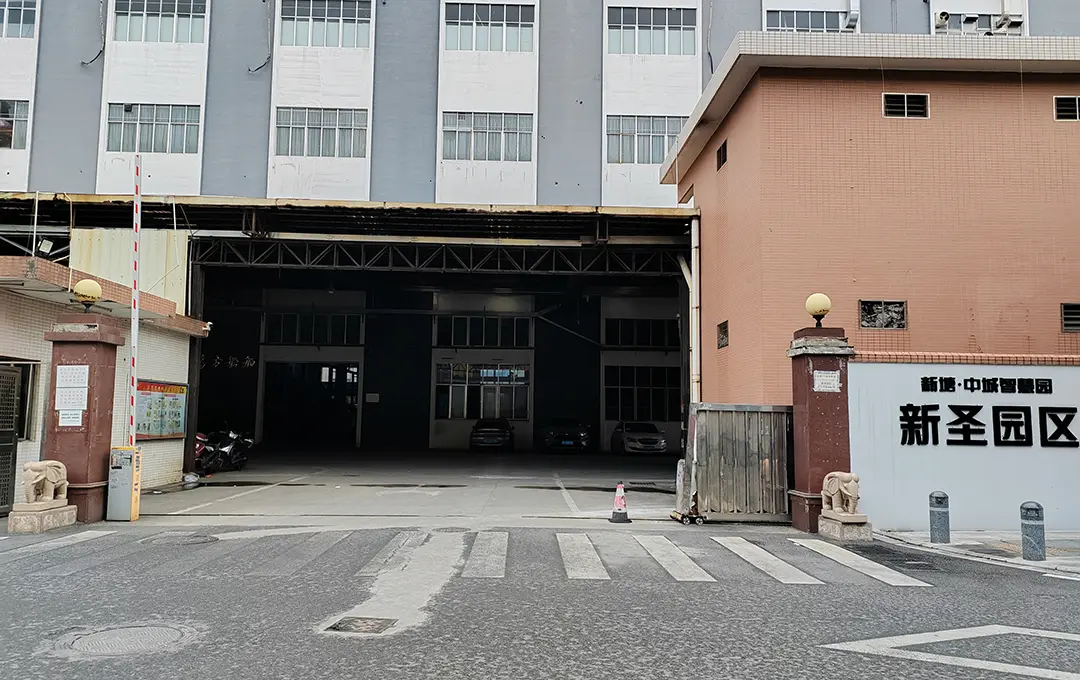
Established in 2010 in Guangzhou, China, we are an engineering and manufacturing company focused on the development of resistive touch panels, capacitive touch panels, cover glass, and optical module bonding solutions. We support custom projects with OEM and ODM services to fit unique client specifications.
Our team works closely with project developers, assisting with raw material selection, custom cover lens etching, and electronic controller tuning. By keeping our development and manufacturing under one roof, we help clients minimize engineering risks and accelerate their product launches.
Get answers to common engineering questions regarding the customization and integration of our 10-inch touch display modules.
Our PCAP touch modules are paired with modern controller chips (such as EETI or ILITEK) and run custom firmware. We program the firmware parameters to distinguish between water droplets and actual touch actions. This allows the screen to work reliably with heavy leather or industrial work gloves up to 5mm thick, maintaining accuracy even in wet environments.
Air bonding secures the touch sensor to the display panel along the outer edges, leaving an air gap in the middle. This gap can cause light reflection (around 8-10%) and is vulnerable to internal condensation under temperature fluctuations. Optical bonding fills this gap with clear gel adhesive (OCR/OCA), reducing reflectivity to less than 1%. This increases screen readability in bright sunlight, improves impact resistance, and prevents interior fogging.
Yes, we can customize the chemical glass cover lens from 1.1mm to 6.0mm thicknesses to meet IK08 or IK10 impact requirements. We can also add internal shatterproof layers to prevent glass fragments from separating under heavy impact, satisfying safety regulations for food processing facilities and high-risk public spaces.
Yes. Industrial control systems require long product lifecycles. We work with major glass and component suppliers to guarantee long-term availability for our products (often 5 to 7 years). If a component must be changed, we provide pin-to-pin compatible replacement options to minimize redesign needs for our customers.
Browse our wider range of resistive and capacitive options, from compact screens to larger wide-temperature displays.
 Xiangrui Optoelectronics