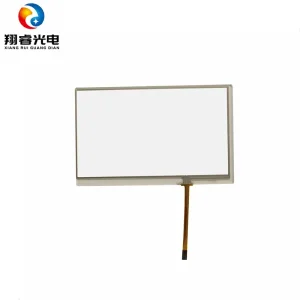
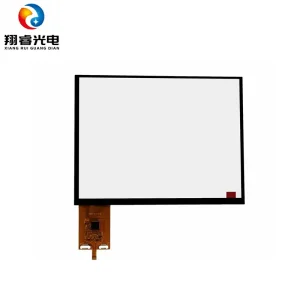
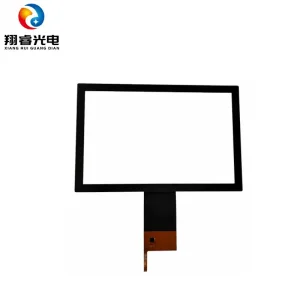
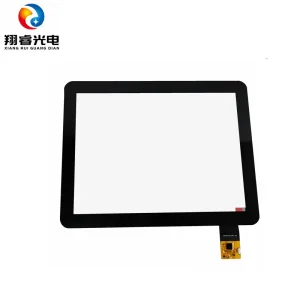
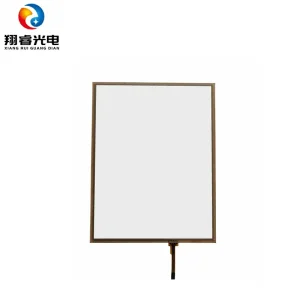
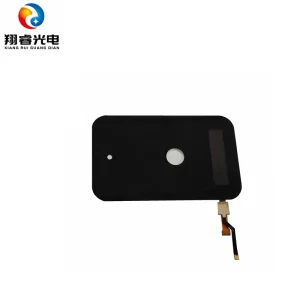
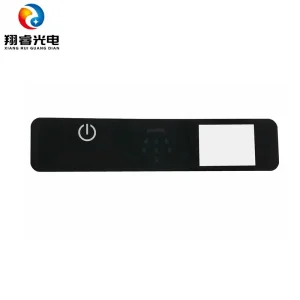
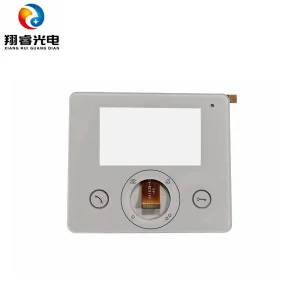
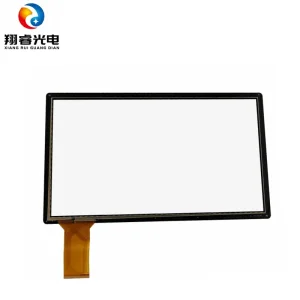
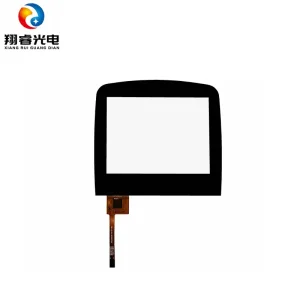
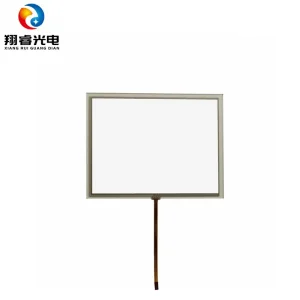
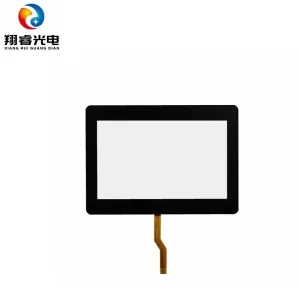
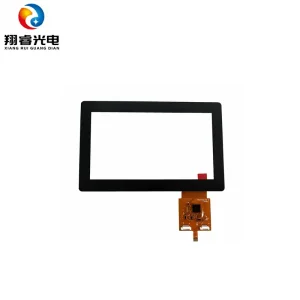
Select premium configurations featuring resistive and projected capacitive (PCAP) multi-touch panels designed for robust industrial integration.
The global demand for human-machine interfaces (HMI) continues to shift toward larger, higher-resolution displays capable of standing up to challenging conditions. Within this context, the 12.1-inch touch screen format has emerged as a crucial size for mid-to-large-scale monitoring systems. Not only is it the standard sizing structure for high-density control panels, but it also serves as a reliable visual center in medical wards, industrial manufacturing hubs, smart-building controls, and self-service outdoor kiosks.
As global markets demand better responsiveness, optical clarity, and resistance to interference, traditional touch technologies have had to adapt. Today, customization in 12.1-inch modules is no longer just about adjusting the dimensions. It is a complex engineering discipline that covers substrate materials (soda-lime cover glass, PMMA, Gorilla Glass), precise sensor matrices (Projected Capacitive/PCAP and multi-wire Resistive), interface parameters (I2C, USB, RS232), and display enhancements like Optical Bonding (LOCA/OCA) to mitigate reflection in high-luminosity environments.
With standard hardware increasingly failing to meet the complex integration requirements of specialized equipment, OEM and ODM development paths are critical. Guangzhou Xiangrui Optoelectronics Technology Co., Ltd. fills this exact market requirement, building custom 12.1 touch screens that meet rigorous global tolerances and operational conditions.
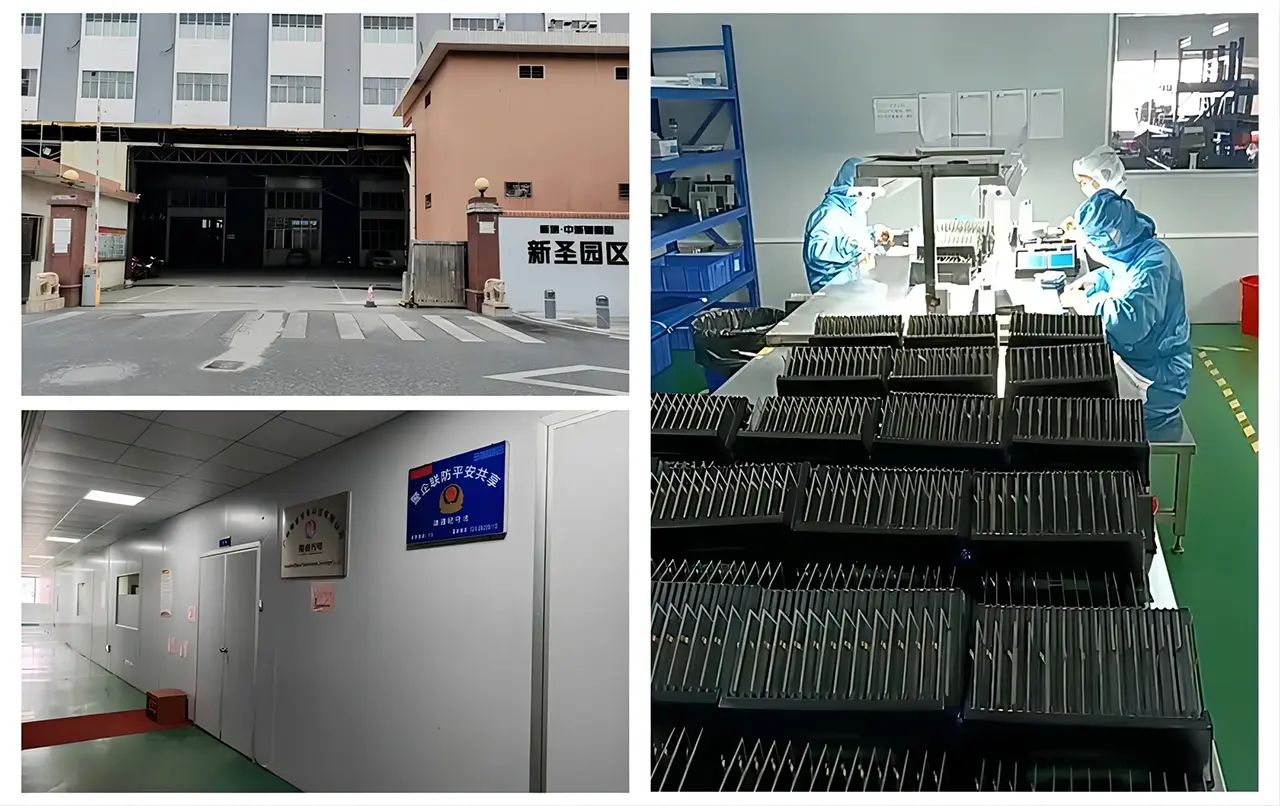
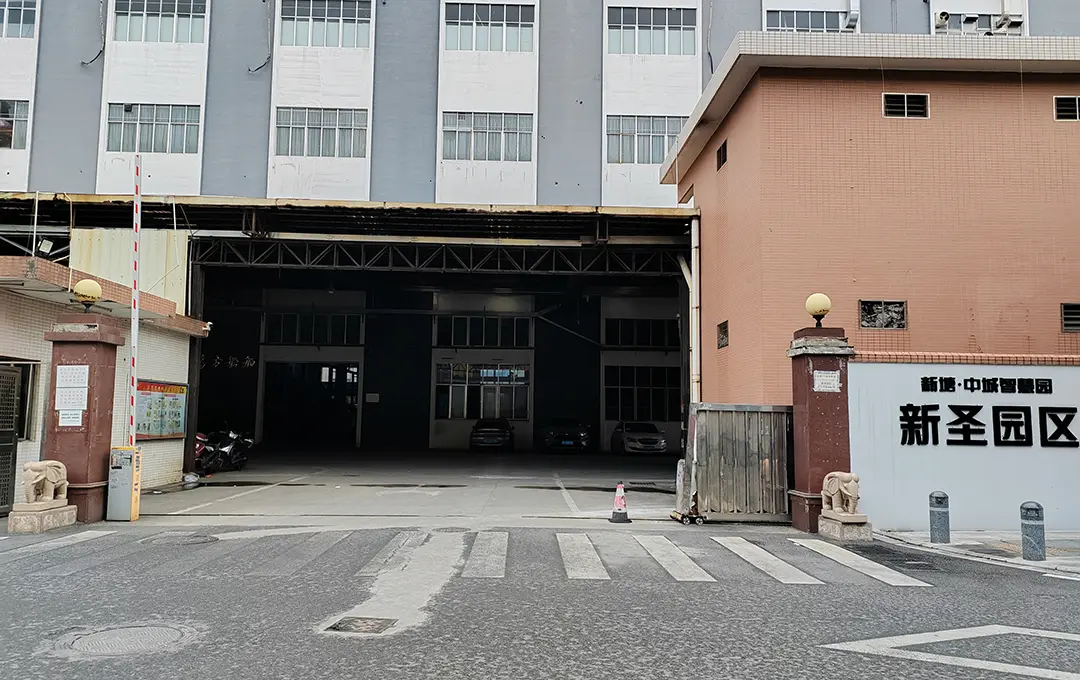
Founded in 2010 in Guangzhou, China, Guangzhou Xiangrui Optoelectronics Technology Co., Ltd. has grown from a specialized sensor component manufacturer into a premier global designer and producer of custom capacitive touch panels, multi-wire resistive screens, cover glass assemblies, and full optical bonding modules. Over the last decade, we have dedicated ourselves to developing custom solutions that stand up to complex industrial environments.
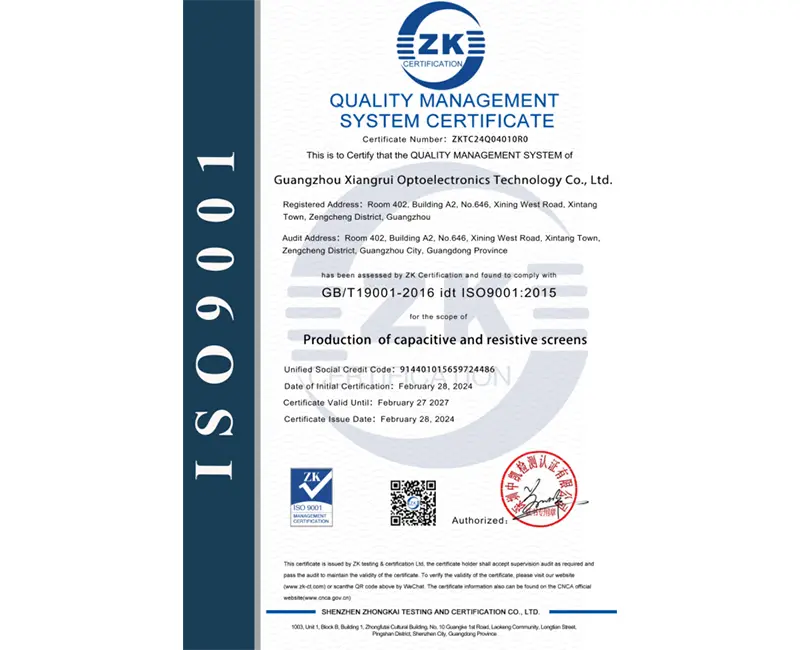
Operating from a facility layout structured around dust-free cleanrooms, we specialize in high-yield, premium touch screen integration. Our factory layout supports ISO Class 5 (Class 100), ISO Class 6 (Class 1000), and ISO Class 7 (Class 10000) environments to guarantee clean display layers, sensor lines, and cover glass panels. Whether you require standard OEM configurations or tailored ODM designs, our ISO 9001 and ISO 14001 certified production lines ensure consistency from prototype testing to high-volume manufacturing.
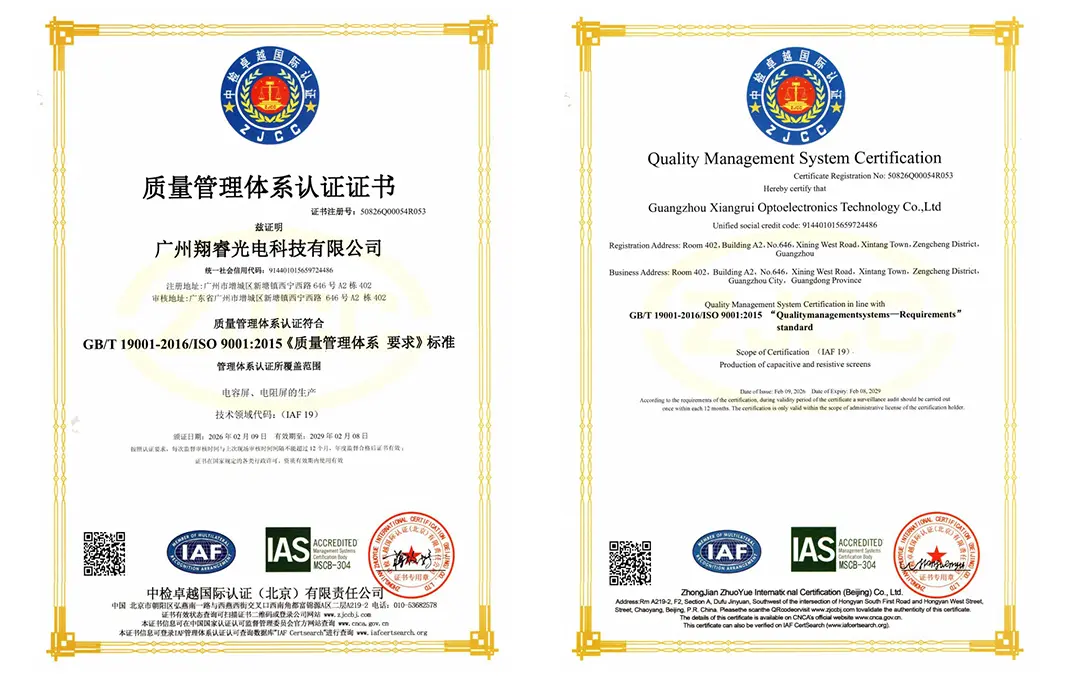
Decade-long manufacturing excellence backed by certified output and global exports.
Manufacturing Experience (est. 2010)
Invention & Utility Patents
Total Production & Facility Footprint
Export Countries and Regions
Selecting the optimal technology stack for custom 12.1 touch screens depends on operational demands.
Choosing the right design for a custom 12.1 touch screen panel requires understanding the performance differences between Projected Capacitive (PCAP) and Analog Resistive touch technologies. While PCAP is the modern standard for gesture control and multi-touch capabilities, resistive touch remains critical for applications where reliability with thick gloves, presence of water, or extreme high-and-low temperature cycles are constant concerns.
| Feature Parameter | Projected Capacitive (PCAP) | Resistive Touch (4-Wire/5-Wire) |
|---|---|---|
| Operating Mechanism | Electrostatic field alteration by human body capacitance | Physical pressure shorting conductive ITO layers |
| Multi-touch Capability | Up to 10 points (Gestures, pinch-to-zoom) | Single-touch (Pressure sensitive) |
| Input Options | Bare finger, thin capacitive gloves, active styluses | Gloved hands, stylus, standard object pressure |
| Clarity & Light Transmission | > 88% up to 92% (Excellent contrast) | 75% - 85% (Due to dual conductive air gap layers) |
| Surface Durability | IK08/IK10 rated cover glass (up to 9H hardness) | Easier to scratch (Typically 3H polyester outer film) |
| Chemical / Water Resistance | Unaffected by surface moisture, acid, oil, sanitizers | Vulnerable to structural punctures, resistant to splashes |
| Average Lifespan | Exceeds 100 Million touches in a single spot | 35 Million touches (Typically fails due to film wear) |
For outdoor display configurations or devices operated in direct sunlight, standard air bonding creates an air gap between the display panel and the touch overlay. This gap acts as an additional refractive layer, leading to loss of brightness, high light reflection (up to 8.5%), and the risk of internal moisture condensation in humid climates.
Guangzhou Xiangrui utilizes advanced Liquid Optically Clear Adhesive (LOCA) and Optically Clear Adhesive (OCA) sheet bonding. By filling the air gap with refractive index-matched silicone or acrylic adhesive, we reduce light reflections to less than 0.5%, significantly improve color contrast, and provide high shock absorption to prevent damage under mechanical stress.
Why global OEMs partner with Guangzhou Xiangrui for rapid development and volume production.
Located in Guangzhou, the electronic manufacturing center of Southern China, we source premium components like Indium Tin Oxide (ITO) sensors, optical adhesives, FPCs, and controller ICs (EETI, FocalTech, ILITEK) with minimal lead times. This allows us to quickly scale production while maintaining cost efficiencies.
We offer rapid design feedback, producing test-ready prototypes in as little as 10-14 days. Our engineering team assists with CAD layout design, tail positioning, interface choice, and electrical interference management, ensuring high performance before full production runs begin.
Our factory meets ISO 9001 and ISO 14001 standards. Every custom 12.1 screen goes through rigorous testing, including high/low temperature tests, humidity aging, ESD tests, and mechanical drop tests, ensuring it meets strict quality requirements before shipment.
How our custom 12.1-inch modules are integrated across specialized global markets.
In manufacturing environments, electromagnetic noise, dust, and temperature variations can disrupt standard touch performance. Our custom 12.1 capacitive screens feature heavy-duty shielding and integrated controllers programmed to filter out electrical noise. They support gloved operation and are optimized for standard HMI cabinets.
Medical displays require high optical clarity and chemical resistance to regular sanitization. Guangzhou Xiangrui designs 12.1 screens with flat-front, edge-to-edge cover glass (IP65 rated), preventing dust and liquids from entering. They are compatible with various surgical glove materials for seamless clinical operation.
For retail, banking, and transit, we produce ruggedized 12.1-inch screens with anti-vandal cover glass (up to IK10). These screens are optimized for high-security applications, including palm print recognition payment terminals, offering reliable performance for high-traffic environments.
Our screens provide slim profiles and high-resolution optical bonding options for modern high-end building controls. Designed with integrated interfaces, they fit seamlessly into building automation panels, offering low latency and consistent performance.
Get detailed technical answers regarding custom design, engineering specifications, and sourcing parameters.
We offer cover glass thickness range from 0.7mm to 10mm. Surface treatment options include Anti-Glare (AG) chemical etching, Anti-Reflective (AR) vacuum deposition coatings to increase transmittance, and Anti-Fingerprint (AF) oleophobic coatings. We also provide customized shapes, border color matching, and chemical strengthening or thermal tempering for safety requirements.
We solve this by utilizing full optical bonding (using OCA or LOCA silicones) between the display and the touch panel. By eliminating the air gap, moisture cannot penetrate the screen stack, which prevents misting and condensation under extreme humidity and temperature changes.
Depending on application requirements, we use industry-standard controllers from EETI, ILITEK, FocalTech, and Cypress. The standard interface protocols supported include I2C (for direct board mount interfaces) and USB or RS232 (plug-and-play via system drivers on Windows, Linux, and Android).
Once the design drawing is approved by your engineering team, the prototyping phase typically takes 10 to 14 working days. After prototype validation and customer sign-off, volume manufacturing runs are completed within 3 to 4 weeks depending on the order scale.
Yes. Our PCAP controller firmware can be tuned for high sensitivity. This allows the sensor to detect capacitance changes through thick nitrile, latex, leather, or heavy work gloves, making it suitable for industrial assembly floors and medical operating rooms.
Broad range of custom capacitive buttons, resistive overlays, and optical bonding panels.
 Xiangrui Optoelectronics