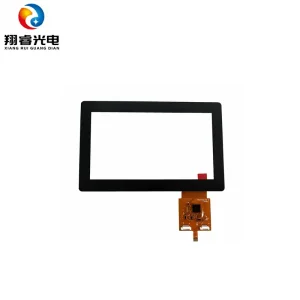
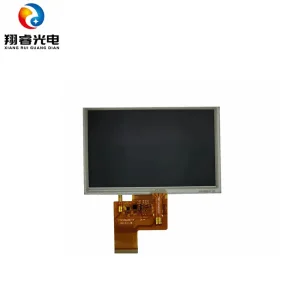
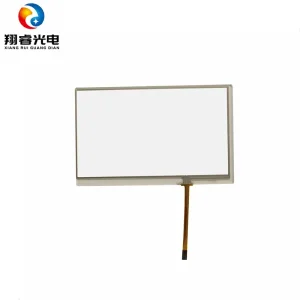
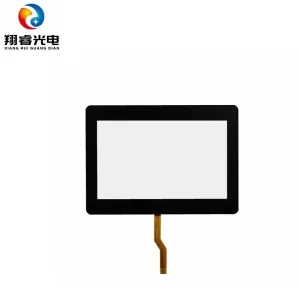
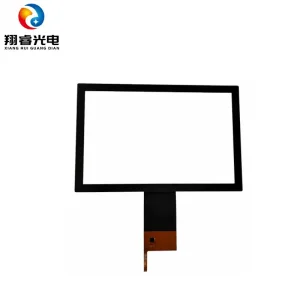
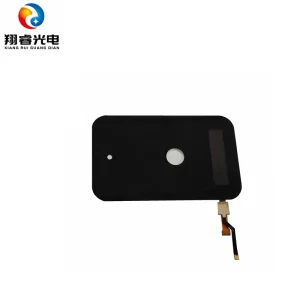
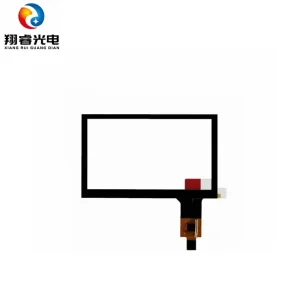
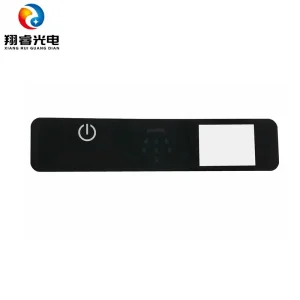
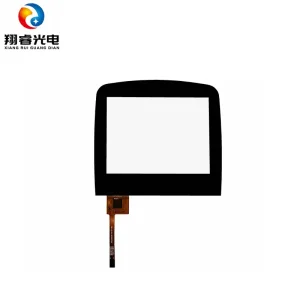
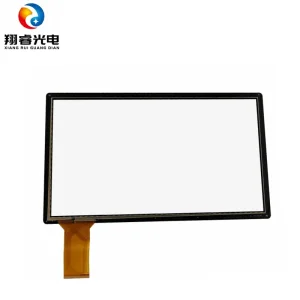
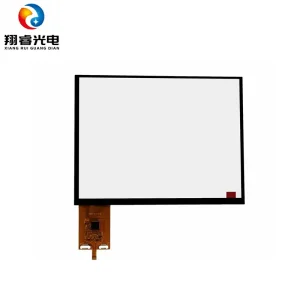
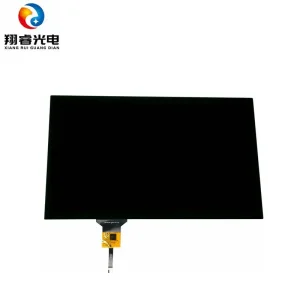
Explore our advanced OEM/ODM custom panels, incorporating optical bonding, wide-temperature resistance, and rugged IP65 ratings.
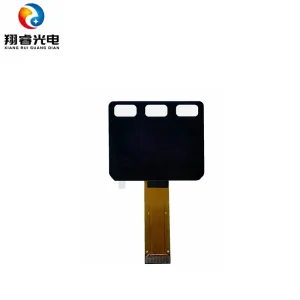
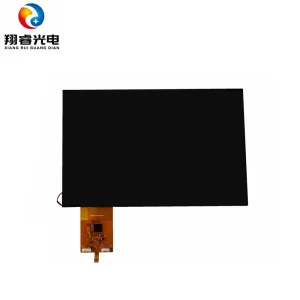
The modern industrial and commercial computing landscape has undergone a tectonic shift from traditional physical interfaces to highly integrated, multi-touch visual systems. At the center of this transformation lies the choice between Projected Capacitive (PCAP) and Analog Resistive Touch Panels.
PCAP technology has emerged as the global standard for consumer electronics, but its implementation in industrial control systems, high-stakes medical instrumentation, and harsh outdoor terminals requires an entirely different layer of optimization. Issues such as electromagnetic interference (EMI), water droplet activation, operations with heavy working gloves, and severe temperature fluctuations demand highly specialized manufacturing capabilities.
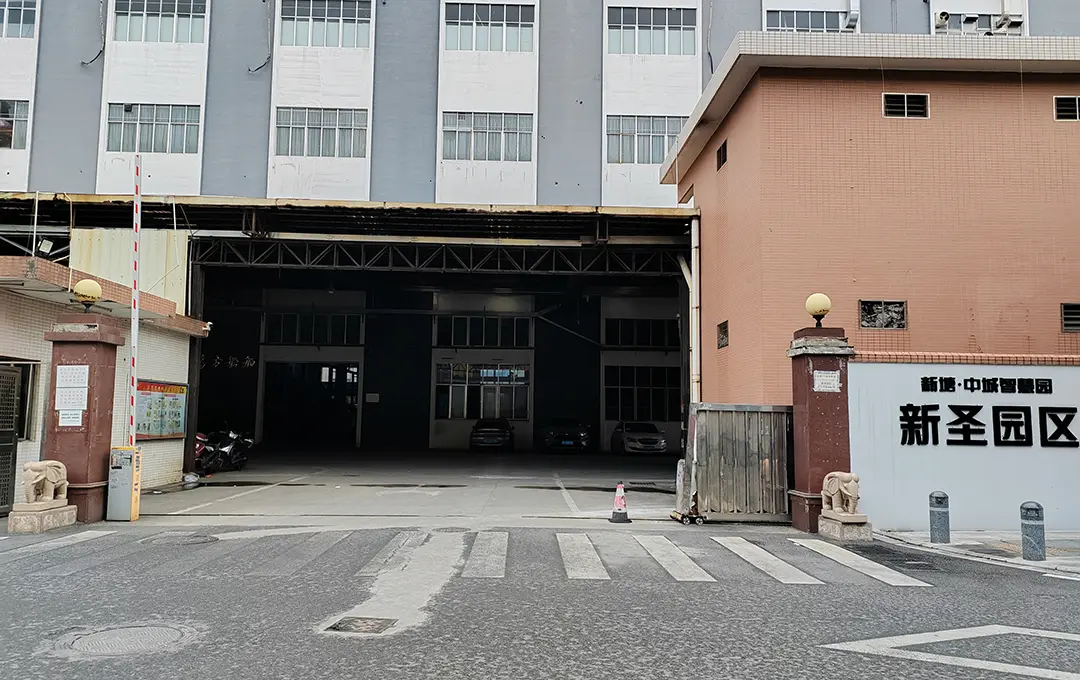
Founded in 2010 in Guangzhou, China, we are an industry-leading enterprise dedicated to the research, development, precision manufacturing, and global distribution of customizable resistive touch panels, projected capacitive touch panels, specialized cover glass, and complete liquid crystal module bonding solutions.
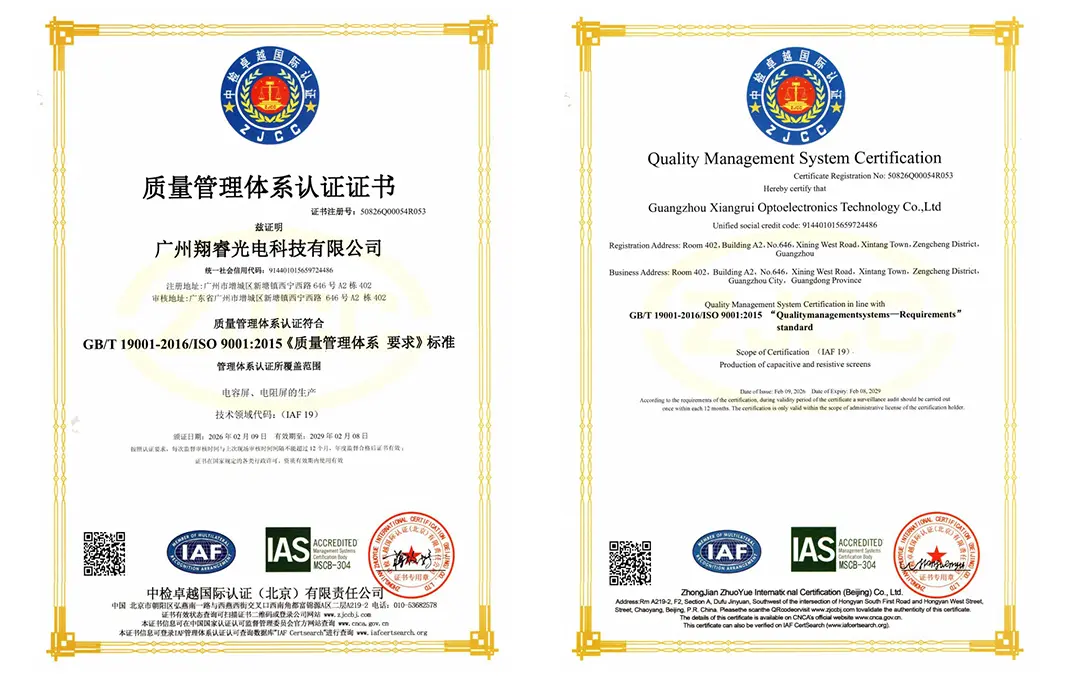
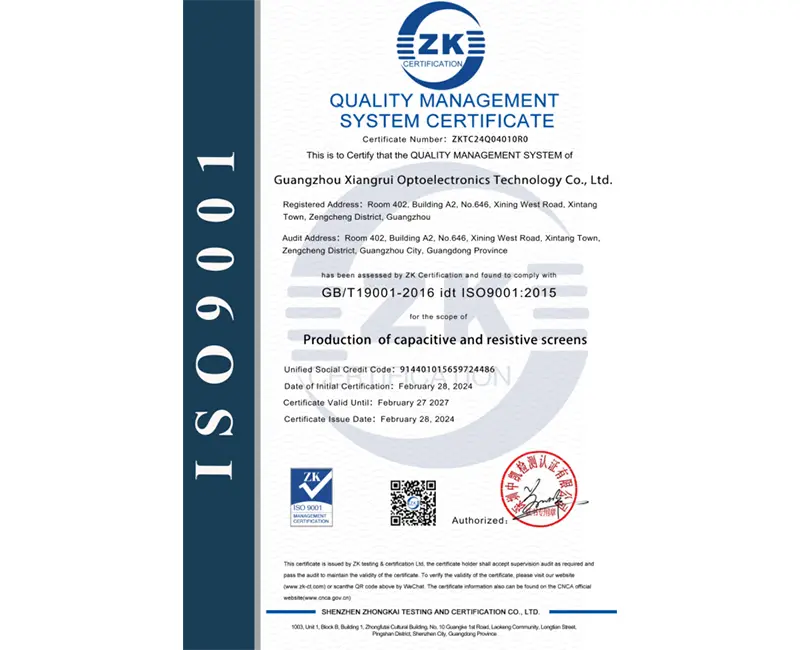
Backed by double certifications in ISO 9001:2015 (Quality Management) and ISO 14001:2015 (Environmental Management), our engineering teams have accumulated more than 30 national patents. Our high-performance touchscreens are globally deployed across industrial automation systems, medical devices, premium home appliances, smart security grids, retail palm-print checkout machines, and outdoor kiosks.
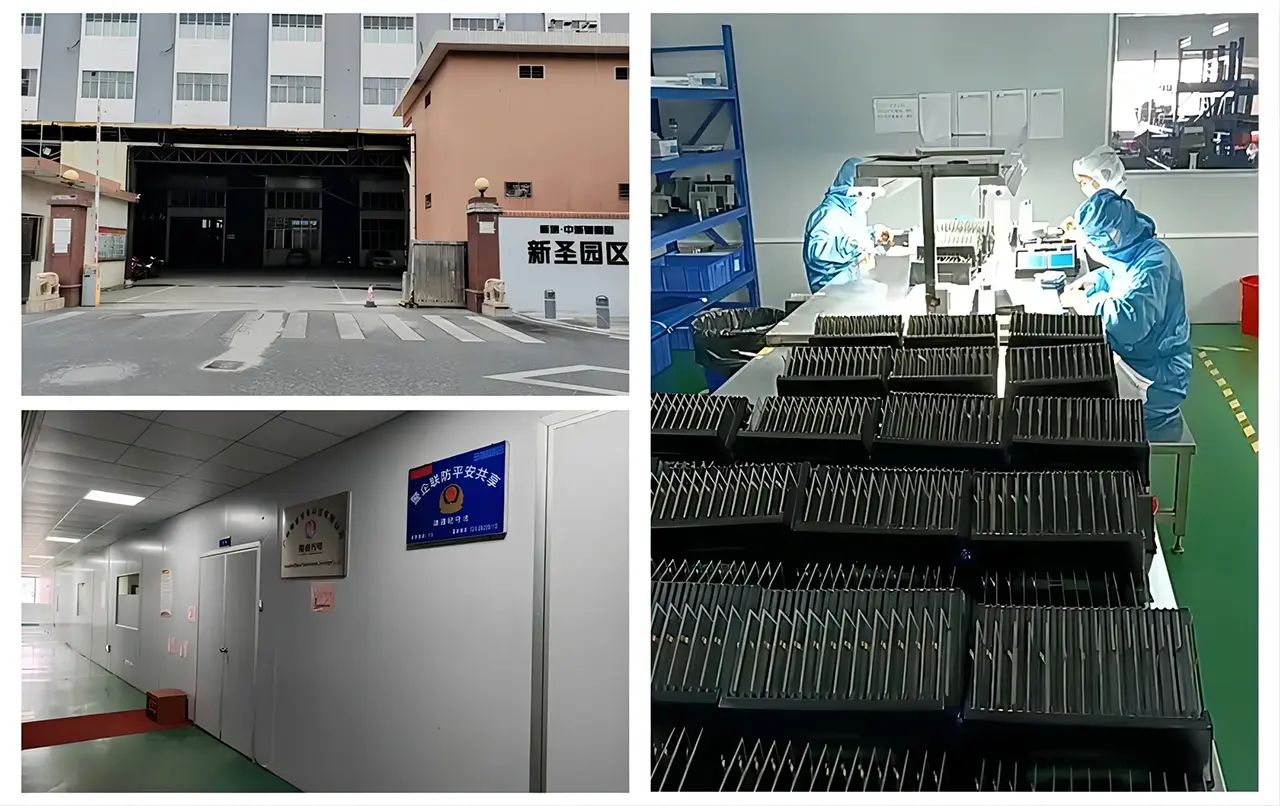
With cleanroom spaces classified under class 100, 1,000, and 10,000 standards, our facility minimizes airborne particulates, ensuring the integrity and optical purity of the laminates.
B2B hardware specifications require deep-level customizations. We optimize panels to survive extreme physical environments.
Requires Anti-Glare (AG), Anti-Reflective (AR), and Anti-Fingerprint (AF) surface coatings combined with IK10 impact protection and UV filters to withstand weathering and vandal acts.
Must support multi-touch sensing through medical surgical gloves and tolerate exposure to industrial sanitizers and liquids without false triggers or capacitive drift.
Requiring electromagnetic compatibility (EMC/EMI shielding), noise isolation filters, high ESD protection, and wide operating temperature ranges (-30°C to +80°C).
The global raw material landscape for touchscreens is subject to rapid volatility. Guangzhou Xiangrui has mitigated these risks by structuring an agile, vertically integrated supply chain within South China's premier optoelectronics cluster. This allows us to source raw ITO films, specialized controller IC chips, and ultra-durable cover glass directly from localized Tier-1 suppliers.
By using in-house CNC glass cutting, high-speed chemical strengthening ovens, automatic precision silkscreen printing lines, and cleanrooms, we control the production cycle from drawing to optical bonding.
A reference guide to selecting the appropriate technology stack based on operational conditions.
| Feature / Specification | Projected Capacitive (PCAP) | Analog Resistive (4/5/8-Wire) | Xiangrui Custom Hybrid Stack |
|---|---|---|---|
| Touch Point Capabilities | True Multi-touch (10+ independent points) | Single-touch (Dual-touch with specific ICs) | Programmable multi-touch profiles |
| Optics & Light Transmission | > 85% (Up to 92% with Optical Bonding) | 75% to 80% (Air gap degradation) | Tailored optical transmission up to 94% |
| Glove and Input Flexibility | Bare finger, thin conductive gloves | Any pointer (stylus, gloved finger, pen) | Thick glove & stylus calibration algorithms |
| Moisture / Water Rejection | Requires controller firmware tuning | Unaffected by water droplets on surface | Firmware-based dry/wet operation switching |
| Mean Time Between Failures (MTBF) | > 50 million touches (solid state) | > 10 million touches (mechanical wear) | Ruggedized glass panels (50M+ operations) |
| Impact Resistance Class | Up to IK10 (depends on cover lens) | IK03 - IK05 (flexible film top layer) | Fully customized explosion-proof rating |
Critical engineering considerations, sourcing, and customization advice from our technical design director.
Developing a custom capacitive or resistive touch solution requires close coordination between hardware, software, and mechanical design teams. Guangzhou Xiangrui Optoelectronics Technology Co., Ltd. provides prototype validation, customized cover lens modifications, FPC tail changes, and driver integration support. Contact our technical sales office to discuss your project requirements.
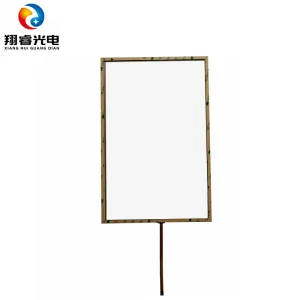
Choose from our specialized small-to-large format panels, engineered for continuous operation in demanding industries.
 Xiangrui Optoelectronics