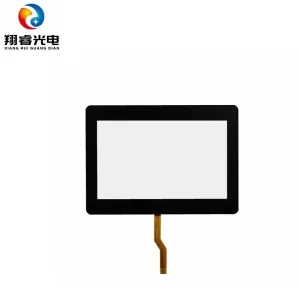
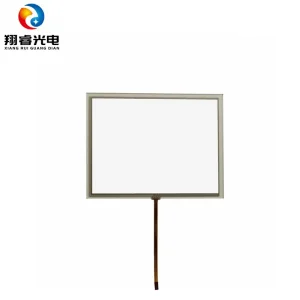
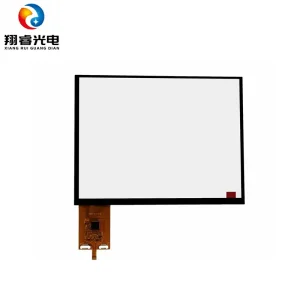
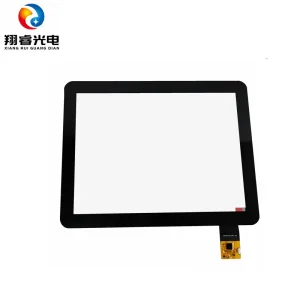
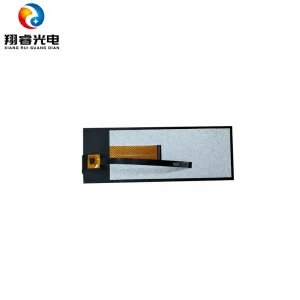
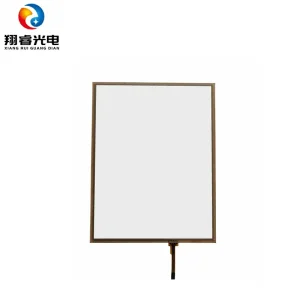
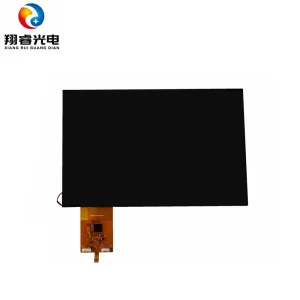
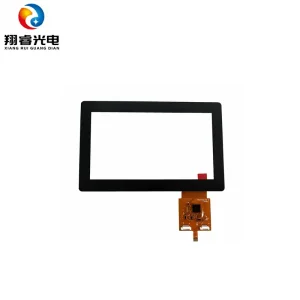
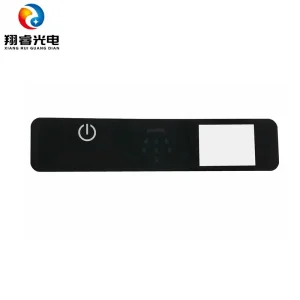
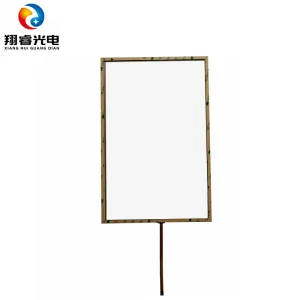
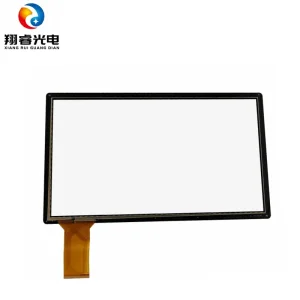
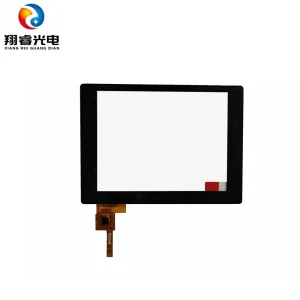
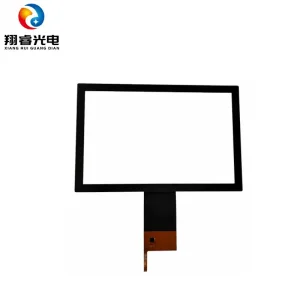
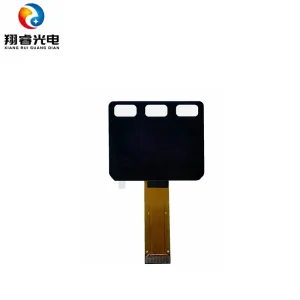
Precision-engineered capacitive and resistive panels designed for critical HMI environments, offering high optical bonding reliability and IP65 sealing.
In modern industrial automation, medical healthcare instrumentation, and advanced automotive HMIs, the human-machine interface functions as the absolute nerve center of operation. A single interface failure caused by ambient electromagnetic noise, moisture penetration, or electrostatic discharge (ESD) can lead to catastrophic system downtime or critical process disruption. This demands rigorous Custom Touch Screen Tests executed under controlled, internationally validated laboratory environments.
Analyzing light transmission, reflection, and haziness using high-precision optical spectrophotometers. Optical bonding, either LOCA (Liquid Optically Clear Adhesive) or OCA film, must be verified to prevent Newton's rings and light refraction artifacts.
Industrial systems often operate in close proximity to high-frequency machinery, switching power supplies, and wireless transmitters. Proper shielding, transparent conductive layers, and controller tuning are verified in simulated high-noise fields.
Ensuring normal physical actuation, touch sensitivity, and capacitive sensing when exposed to wide temperatures (-40°C to +85°C), relative humidity up to 95%, salt mist, dust ingress, and direct chemical washes.
Founded in 2010 and based in Guangzhou, China, Guangzhou Xiangrui Optoelectronics Technology Co., Ltd. has established itself as an authoritative leader in the research, development, production, and verification of complex capacitive and resistive touch systems.
Our infrastructure encompasses a specialized 3,000 square meter facility, utilizing state-of-the-art cleanroom environments rated from Class 100, Class 1,000, to Class 10,000. This cleanroom tier system is critical for mitigating microscopic airborne particulates during the lamination of cover glass, ITO films, and sensor modules, preventing optical occlusions and functional line disruptions.
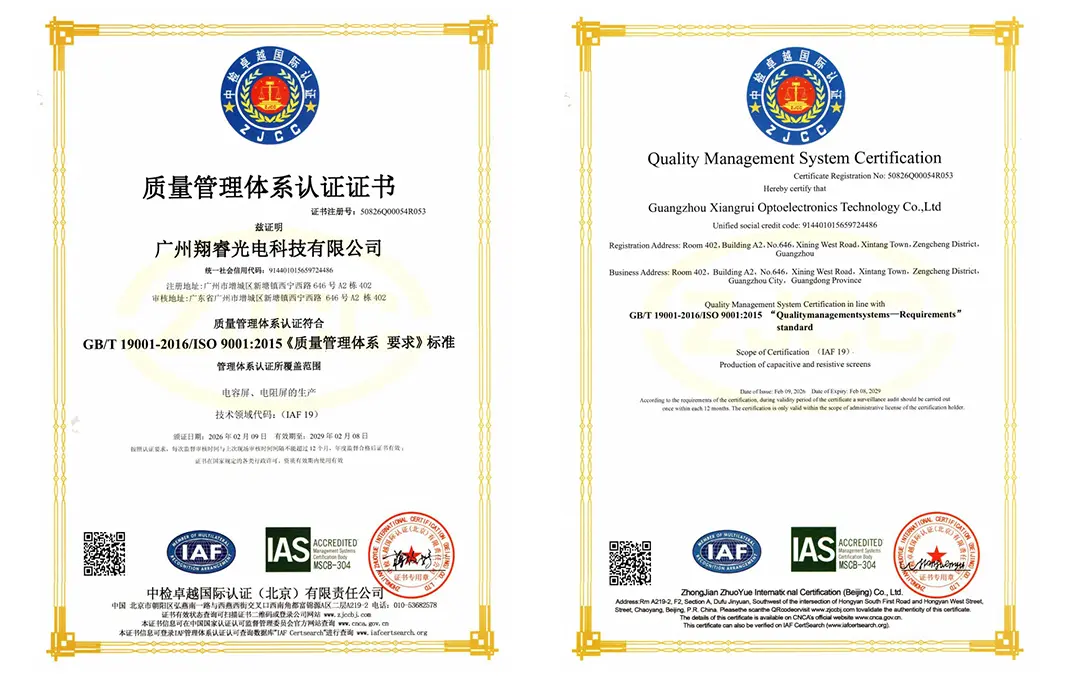
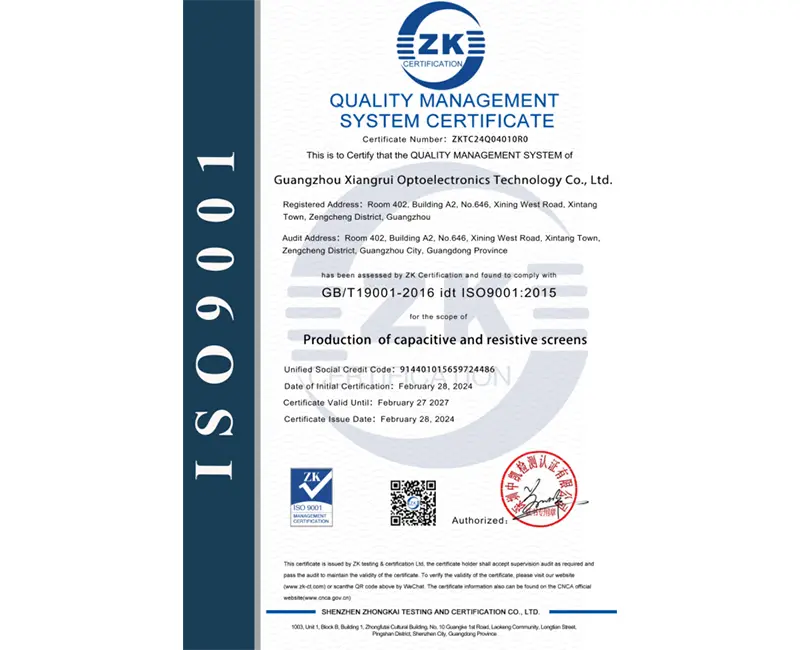
We are fully certified under ISO 9001:2015 (Quality Management System) and ISO 14001:2015 (Environmental Management System). Through non-stop technological innovation and engineering investments, we hold more than 30 proprietary patents, enabling us to deliver highly specialized HMI solutions to global OEM/ODM brands across more than 40 countries.
We execute exhaustive mechanical, physical, and optical verification processes inside our high-tech laboratories to guarantee that every display panel we manufacture meets strict industry specifications.
Ensures structural integrity under rapid thermal transitions. Displays undergo automated cycles from -40°C to +85°C inside our digital environmental chambers to prevent delamination of the optical bonding layers or sensitivity degradation.
We test sensor assemblies up to contact levels of ±8KV and air discharges of ±15KV in accordance with IEC 61000-4-2 standards, ensuring that touch controller chips remain undamaged and operational when exposed to high electrical static.
Using pneumatic test rods with standardized silicone tips, our test beds execute millions of point touches. We track electrical continuity, resistive drift, and localized glass fatigue to guarantee a long Mean Time Between Failures (MTBF).
Partnering with a specialized factory based in Guangzhou, China, offers significant efficiency and engineering advantages for global enterprises. The Pearl River Delta is home to the world's most concentrated display supply chain, providing direct, localized access to key components like raw ITO films, specialized chemically-strengthened glass, controller ICs, and high-purity optical adhesives.
This localized supply chain reduces material transit times to hours instead of weeks, allowing us to source materials, design, manufacture, and verify custom prototypes in as little as 7 to 10 working days. The integration of advanced cleanrooms and automated bonding equipment also lowers production overhead without sacrificing structural quality.
Furthermore, our engineering teams are highly experienced in designing custom cover glass dimensions, printed graphic logos, optical filter treatments (Anti-Glare, Anti-Reflective, Anti-Fingerprint), and tail pinouts (FPC designs) for client configurations. This flexibility makes us an ideal long-term partner for projects requiring high adaptability and fast turnaround times.
Custom touch panels must be optimized to meet the environmental challenges of their target industries. We adapt our manufacturing and testing protocols to suit each application's unique requirements.
Medical touchscreens must resist chemical exposure from aggressive disinfectants like isopropyl alcohol and bleach, while remaining compatible with sterile latex/nitrile gloves. We utilize premium soda-lime and aluminosilicate cover plates with customized controller tuning to ensure continuous touch detection during medical procedures.
Outdoor terminals require excellent sunlight readability, UV protection, and resistance to rain, saltwater, and condensation. We provide optical bonding to eliminate internal air gaps, preventing moisture buildup and dust ingress while maintaining a complete IP65 protection rating.
Heavy machinery and smart domestic control centers require long-term dimensional stability and high impact resistance. Our custom touch panels are built with chemically strengthened glass (6H to 9H surface hardness) and engineered to withstand heavy use, accidental impacts, and localized vibration.
The human-machine interface industry is moving toward more interactive, intelligent, and rugged systems. Key trends reshaping touch panel design include:
Modern capacitive controllers now support multi-touch gestures (up to 10 points) even when users wear heavy industrial gloves or operational environments are wet. Real-time digital filtering algorithms identify and suppress water droplets and false touches, ensuring accurate inputs.
We are replacing traditional double-sided adhesive (OCA) border bonds with advanced Liquid Optically Clear Adhesives (LOCA). This process eliminates the internal air gap between the display panel and the sensor, improving optical clarity, reducing ambient light reflection by up to 90%, and providing better heat dissipation.
Modern industrial equipment must withstand harsh physical stress. We utilize specialized glass chemical hardening treatments that improve tensile strength and resistance to surface scratching, maintaining optical performance even after millions of physical touch cycles.
For medical devices and public-access terminals, anti-microbial coatings inhibit bacterial growth directly on the glass surface. Additionally, anti-fingerprint (AF) and anti-glare (AG) treatments are baked into the cover glass, reducing light glare and maintaining high screen legibility under bright overhead lighting.
Flexible sensors and thin-film ITO configurations are enabling lighter, thinner display modules without compromising optical performance or touch responsiveness, opening up new opportunities for smart wearable integrations and portable testing equipment.
We combine advanced engineering, state-of-the-art production facilities, and structured quality testing to supply high-reliability touch systems to clients worldwide.
Our 3,000 square meter facility houses Class 100, Class 1,000, and Class 10,000 cleanrooms to ensure dust-free lamination, optical clarity, and reliable sensor bonding.
We are ISO 9001 and ISO 14001 certified. Our products conform to global regulations, with each unit undergoing complete functional and environmental verification prior to shipment.
With more than 30 utility model and design patents, our in-house engineering team provides customization options for cover glass thickness, surface treatments, FPC tail design, and controller configurations.
Having exported to more than 40 countries, our logistics and technical support teams understand international shipping requirements, customs clearance, and long-distance packaging standards.
Every custom batch undergoes environmental cycling in our specialized chambers. We cycle the touch screen modules between -40°C and +85°C for multiple days while measuring electrical continuity, response times, and sensor drift. This testing confirms that the optical bonding, controller components, and cover glass adhesives remain stable under thermal shock.
Tape bonding seals the outer edge of the display, leaving an air gap between the display panel and the touch screen sensor. Optical bonding uses Liquid Optically Clear Adhesive (LOCA) or thin optical film (OCA) to fill this gap completely. This process improves optical clarity, reduces ambient light reflection, prevents internal condensation, and enhances impact resistance.
Yes. We tune the sensitivity parameters of our capacitive touch controllers, including signal gain and threshold levels, to detect touch inputs through heavy gloves, plastic covers, or protective overlay layers.
Even tiny dust particles can cause display defects, air bubbles, or electrical faults during lamination. Manufacturing in our Class 100, 1,000, and 10,000 cleanroom environments prevents contaminants from entering the layers, maintaining the optical and mechanical quality of the screens.
We provide custom surface treatments to meet different environmental conditions, including Anti-Glare (AG) to reduce reflections, Anti-Reflective (AR) to maximize light transmission, Anti-Fingerprint (AF) to resist oil buildup, and Anti-Microbial coatings for clinical settings.
Discover our range of custom display components, featuring dust-free lamination, broad temperature ranges, and chemically strengthened cover glass.
 Xiangrui Optoelectronics