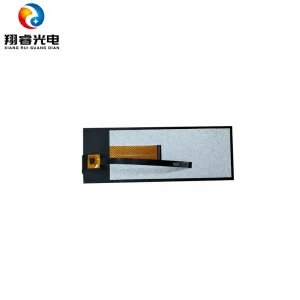
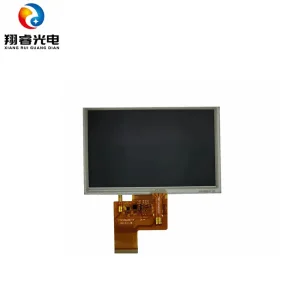
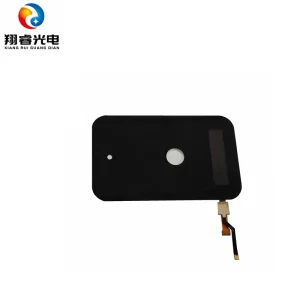
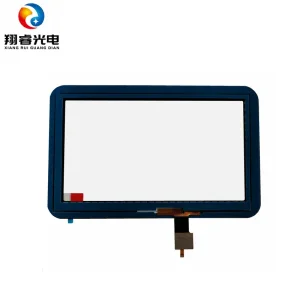
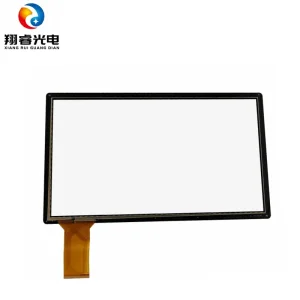
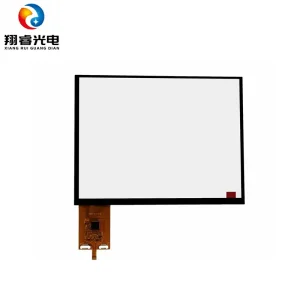
Explore our high-performance capacitive and resistive interfaces engineered for industrial, medical, and outdoor terminal devices.
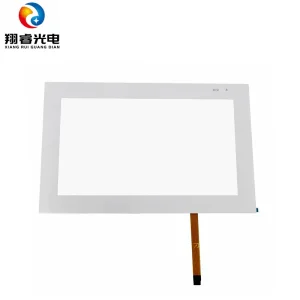
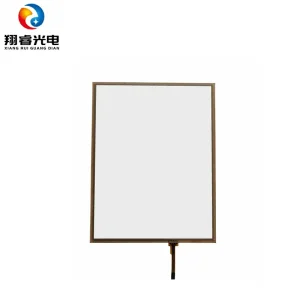
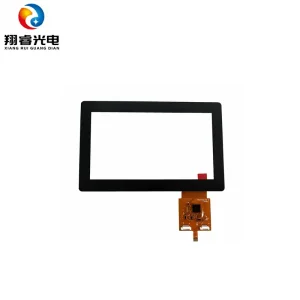
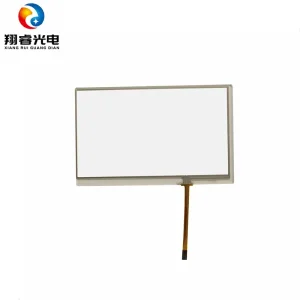
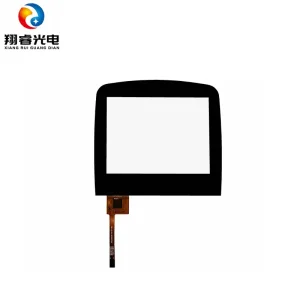
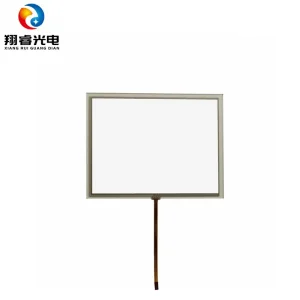
In today's highly digitized global industrial landscape, the touch screen has evolved from a simple user interface into a core operational element. As a leading specialized manufacturer, Guangzhou Xiangrui Optoelectronics Technology Co., Ltd. (established in 2010 in Guangzhou, China) stands at the forefront of this evolution. We are dedicated to the research, development, production, and precision custom supply of high-end resistive touch panels, projected capacitive (PCAP) touch screens, chemically strengthened cover glass, and full-assembly module bonding solutions.
By integrating ISO 9001 quality frameworks and ISO 14001 environmental directives into our automated production processes, we ensure that every touch layer provides long-term reliability. We specialize in custom glass thickness, anti-glare (AG), anti-reflective (AR), and anti-fingerprint (AF) coatings. Our solutions guarantee clear display visibility and seamless touch control, even under harsh operating conditions.
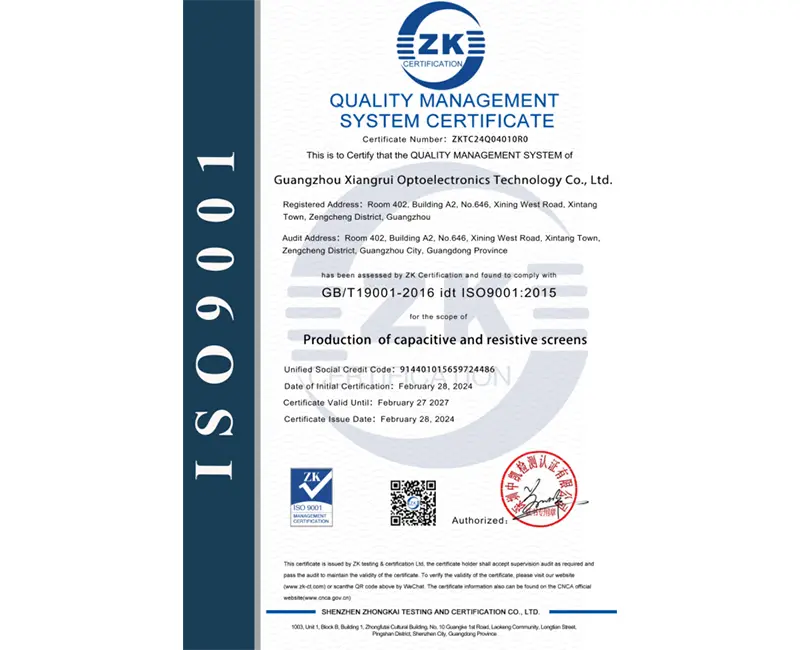
Decade-long data highlights showcasing our manufacturing scalability and strict quality standards.
Over the past decade, South China's optoelectronics cluster has transformed into the world's most robust supply ecosystem. Guangzhou Xiangrui Optoelectronics Technology Co., Ltd. sits at the heart of this region, combining highly integrated local logistics with world-class production processes. This allows us to deliver high-quality, cost-efficient touch panel solutions with short production lead times.
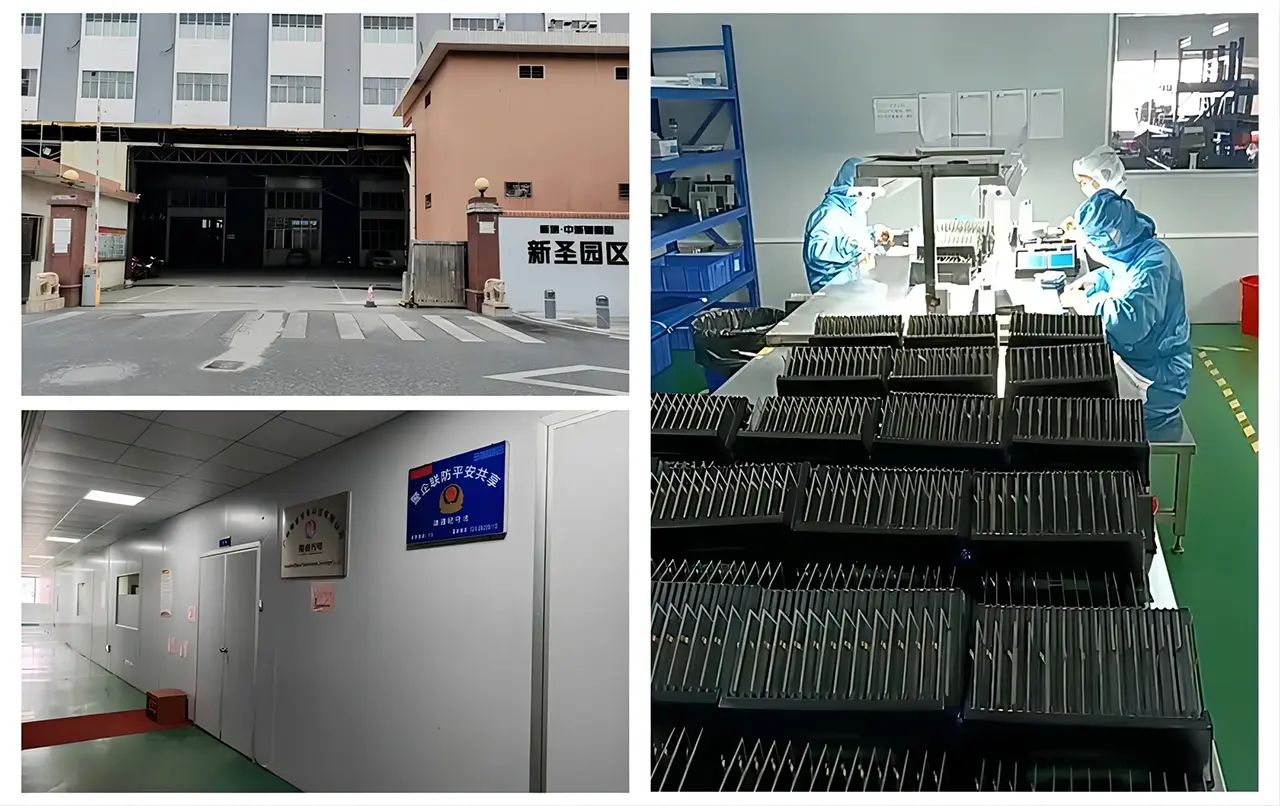
Our 3,000 square meter facility includes dedicated Class 100, Class 1,000, and Class 10,000 dust-free workshops. This clean environment prevents micro-particles from compromising the lamination process, ensuring defect-free layers for both resistive and PCAP assemblies.
From sourcing premium raw ITO films and specialized controller ICs to performing chemical glass strengthening and FPC customization, our supply chain is highly integrated. This allows us to rapidly prototype and scale production while maintaining tight control over component costs.
We run our production in line with ISO 9001:2015 and ISO 14001:2015 certification requirements. Through rigorous optical inspection, environmental testing chamber simulations, and drop-ball testing, we deliver consistent quality to meet international enterprise expectations.
Standard consumer-grade touch screens often fail when exposed to extreme temperatures, mechanical vibrations, high humidity, or electromagnetic interference (EMI). We address these challenges by designing and engineering rugged touch solutions from the ground up.
By utilizing wide-temperature ITO substrates, robust controller cards (supporting EETI, Ilitek, and FocalTech firmware), and chemical strengthening processes, we produce touch screens that operate reliably in demanding environments. This includes industrial blast furnaces, offshore marine terminals, outdoor ticketing systems, and high-precision medical diagnostic equipment.
A technical comparison to help system integrators select the right touch technology for their application.
| Feature Parameter | Projected Capacitive (PCAP) Touch Panel | Resistive Touch Panel (4/5-Wire) |
|---|---|---|
| Touch Detection Principle | Electrostatic field alteration via finger or conductive stylus | Physical pressure shorts the top and bottom conductive ITO layers |
| Input Options | Bare finger, capacitive gloves, specialized active stylus | Any input tool (gloves, finger, stylus, pen, mechanical key) |
| Optical Clarity & Transparency | Typically ≥ 85% to 92% depending on lamination stack-up | Typically 75% to 82% due to double ITO layer design |
| Anti-Vandalism & Cover Glass options | Supports IK08 to IK10 cover glass options (up to 10mm thickness) | Relies on a flexible polyester outer layer; prone to surface scratches |
| Supported Temperature Limits | Operational: -20°C to +70°C (Industrial options: -30°C to +85°C) | Operational: -10°C to +60°C (Industrial options: -20°C to +70°C) |
| Controller Integration & Interface | I2C, USB, RS232 interfaces with automatic tuning | Analog 4-pin/5-pin configurations with standard serial controllers |
As human-machine interaction grows more complex, we integrate emerging design trends directly into our custom manufacturing runs.
Traditional air-gap construction allows moisture, dust, and condensation to seep between the LCD panel and the cover glass, while also causing internal reflections that degrade outdoor visibility. Our cleanroom-processed optical bonding uses Optically Clear Adhesive (OCA) or Liquid Optically Clear Adhesive (LOCA) to fill this gap. This process eliminates internal reflections, enhances mechanical impact resistance, and prevents condensation under high-humidity conditions.
To ensure touch screens remain readable in bright sunlight, we apply Anti-Glare (AG) chemical etching and Anti-Reflective (AR) physical vapor deposition coatings to the cover glass. Additionally, hydrophobic Anti-Fingerprint (AF) coatings make cleaning easier, while Anti-Microbial (AM) treatments are available for medical and shared public terminals.
Industrial and medical personnel often operate screens wearing heavy rubber, latex, or cotton gloves. By fine-tuning our capacitive controllers' firmware and physical sensor layouts, we ensure touch screens register touches reliably through gloves while filtering out water droplets and electrical noise.
Modern vehicle cockpits and smart home control hubs increasingly require curved or non-flat geometries. Our thermal tempering lines and precision multi-axis CNC machines allow us to produce 2.5D, 3D, and custom-profile cover glasses that fit seamlessly into modern device housings.
High-voltage environments can introduce electromagnetic interference that causes false touch registrations. We address this by integrating dedicated EMI shielding layers, such as conductive meshes or transparent ITO shielding films, on the back of the touch sensor.
For industrial buyers, system integrators, and OEM developers, procuring custom touch screens involves matching exact engineering specifications. We support clients through a structured, multi-phase technical design process:
Determine active dimensions, interface types (USB, I2C, RS232), cover glass thickness (from 0.55mm up to 10mm), and optical requirements.
Our design team creates mechanical drawings and electrical schematics, tailoring trace layouts and FPC designs to avoid interference from surrounding structural elements.
We calibrate the touch controller's firmware using specialized software, configuring touch thresholds, noise filters, and glove/water rejection profiles for the final operating environment.
Before mass production, prototype units undergo temperature cycling, damp heat, ESD testing, and drop-ball impact testing to ensure compliance with field requirements.
How our custom touch screen assemblies perform across diverse global industries.
Heavy machinery, CNC workstations, and automation control panels require robust physical components to survive dust, vibration, oil, and impacts.
IP65 Waterproof • Wide Temp • IK08 ImpactMedical displays require high optical clarity and must operate reliably when touched with surgical gloves. They must also resist harsh cleaning agents.
High Clarity • Glove Touch • Disinfectant ProofOutdoor kiosks, EV charging points, and ticket machines must remain readable in direct sunlight, resist vandalism, and operate in wet weather.
Sunlight Readable • AR Coating • Anti-Vandal GlassModern high-end home systems require sleek aesthetics, curved glass profiles, ultra-thin bezels, and seamless wireless connectivity.
Custom Cover Shapes • Anti-Fingerprint • Sleek UISecure POS systems, entry points, and biometric checkout terminals require precise optical alignment and scratch-resistant cover glass to ensure clear readings.
High Optical Precision • Multi-Touch • Durable AF CoatingWe focus on long-term engineering reliability. We prioritize customer satisfaction, prompt delivery, and open technical cooperation to build lasting partnerships with global OEMs.
Through our internal engineering teams, we continuous develop new processes, test alternative materials, and file new patents. This focus on improvement helps our customers maintain a competitive edge in their respective markets.
Officially certified in 2022 for technological innovation in touchscreen solutions.
All materials are fully compliant with RoHS, REACH, and CE directives.
Technical answers directly from our engineering team to guide your project specifications.
Select your target size, controller, or lamination style to begin planning your custom production run.
 Xiangrui Optoelectronics