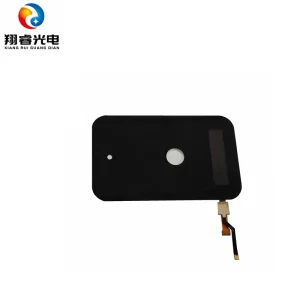
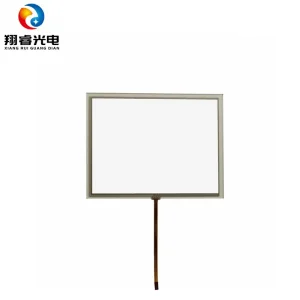
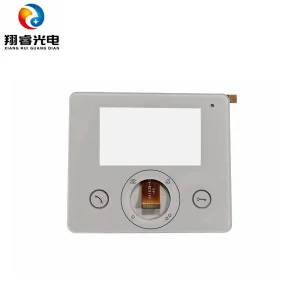
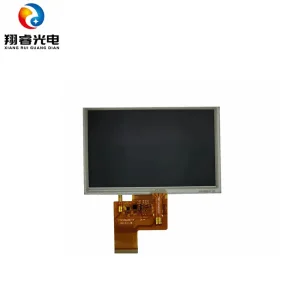
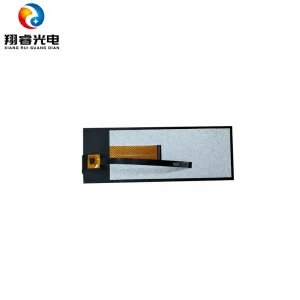
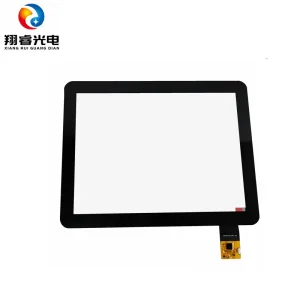
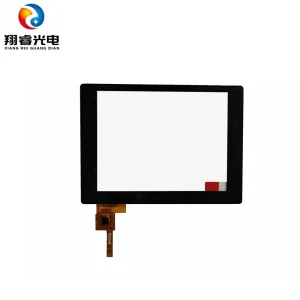
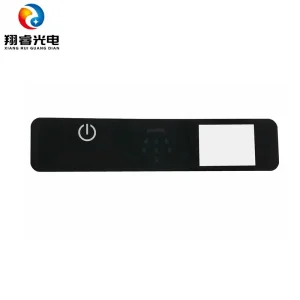
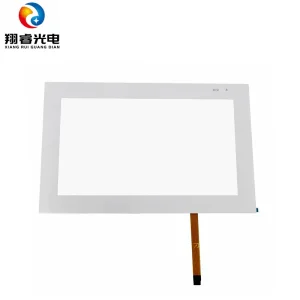
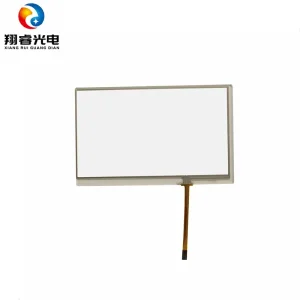
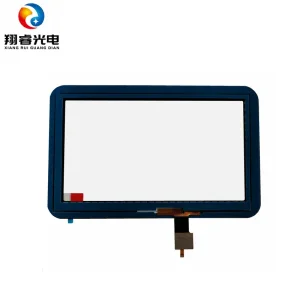
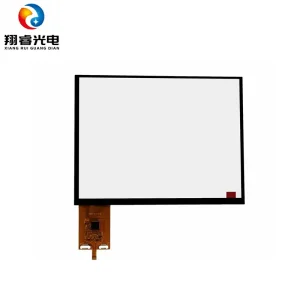
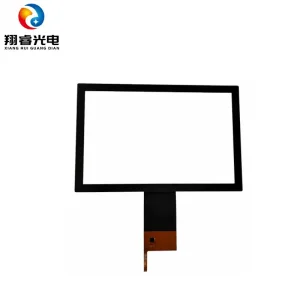
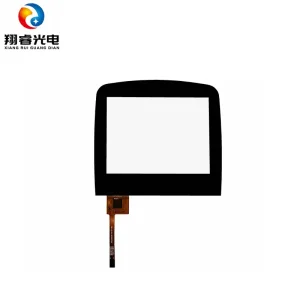
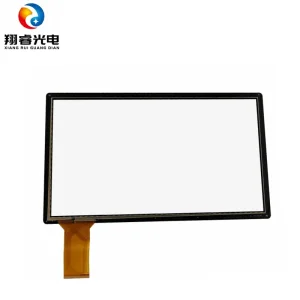
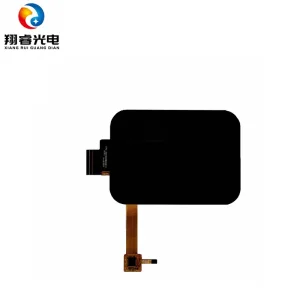
Explore our flagship micro-to-medium size touch panel components. Customized OEM/ODM form factors featuring optical bonding and wide-temperature engineering.
In modern industrial and commercial operations, the 27-inch form factor has emerged as the definitive standard for critical Human-Machine Interfaces (HMIs). Offering the ideal ratio of active screen real estate to optical clarity, 27-inch touch screens enable complex data visualization, detailed schematics, and fluid control inputs without compromising spatial footprint constraints.
Global demand spans multiple highly demanding sectors: health technologies require sterile, fluid-resistant interactive panels; smart transport systems rely on sunlight-readable terminals; while modern factory lines depend on shock-resistant screens that can be operated even when technicians are wearing thick protective gloves.
As a leading custom manufacturer, Guangzhou Xiangrui Optoelectronics Technology Co., Ltd. bridge the gap between engineering specifications and scalable mass production. We deliver solutions that ensure durability and long-term product availability.
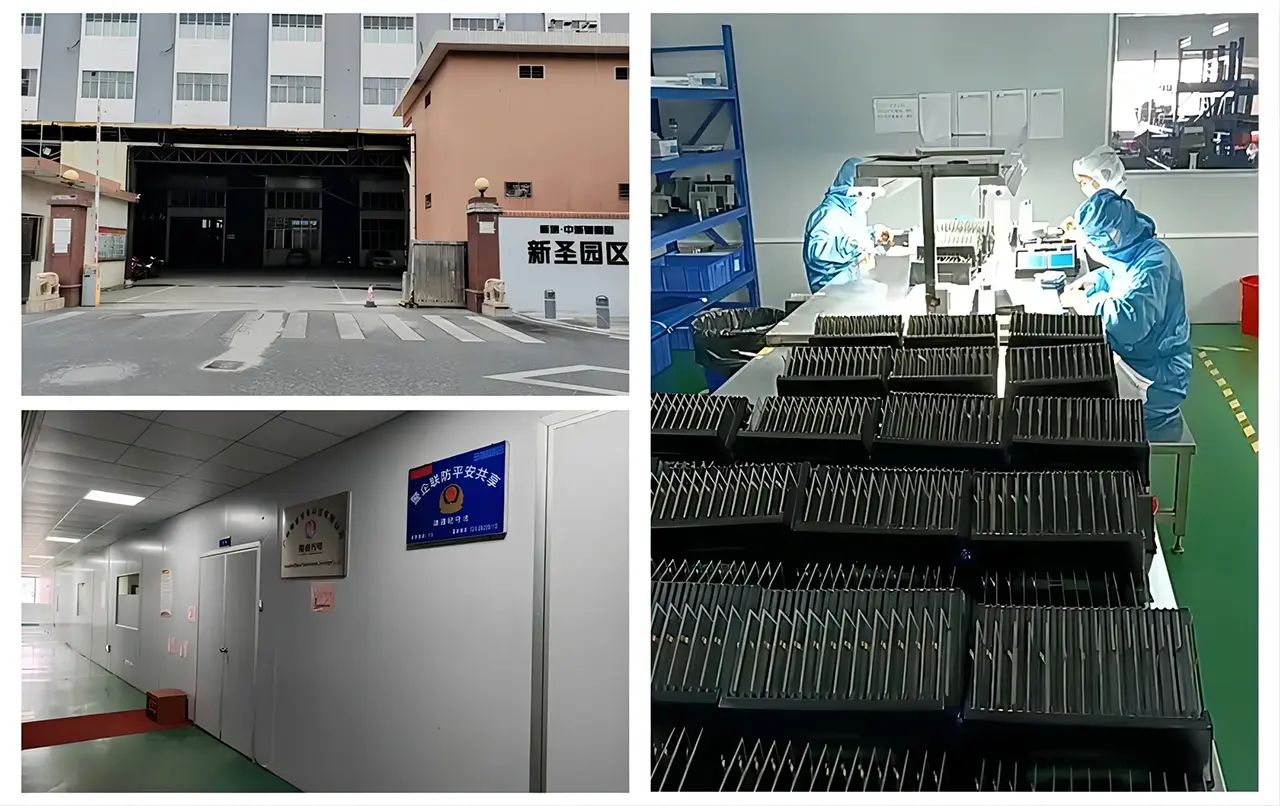
Established in 2010 in Guangzhou, China, we are a premier manufacturer specializing in the engineering, R&D, and precision fabrication of capacitive and resistive touch panels, cover glass, and complete optical bonding modules.
Understanding the technological path behind high-performance 27-inch touch screens is essential for selecting the correct solution for demanding operating environments.
Supports up to 10-point multi-touch, glove operation, and water-rejection tracking. Uses precise ITO (Indium Tin Oxide) sensor structures, laminated behind cover glass up to 10mm thick, to achieve robust IK10 impact protection.
Ideal for environments with high electromagnetic interference (EMI). Operates reliably via physical pressure from any input device, such as pens, gloved hands, or tools, making it a dependable choice for industrial automation.
By filling the air gap between the display panel and the touch sensor with optical-grade resin (OCA/OCR), this process eliminates internal reflections, improves contrast by up to 400%, and prevents moisture condensation.
Equipped with specialized cleanroom spaces (Class 100 to Class 10,000) to ensure zero particulate contamination during sensor assembly and optical bonding processes.
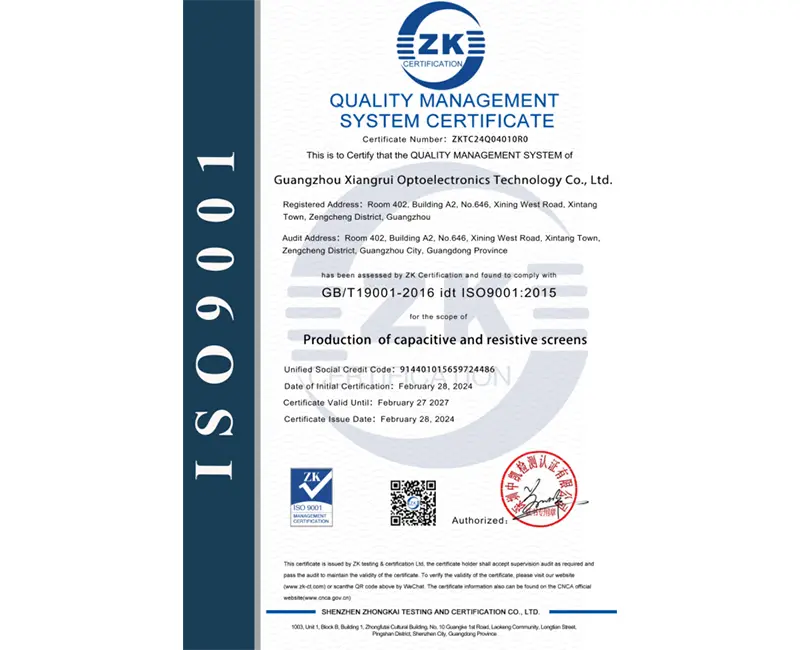
Strict quality assurance protocols govern every step of production, from raw material inspection (IQC) to final functional testing (OQC).
We apply specialized optical coatings directly in-house, including Anti-Glare (AG), Anti-Reflective (AR), and Anti-Fingerprint/Oleophobic (AF) finishes.
A deep, whitepaper-level guide designed for hardware procurement teams, electronics designers, and technical product managers.
A 27-inch touch panel presents unique engineering challenges, particularly regarding signal-to-noise ratios (SNR). As the surface area increases, the sensor matrix becomes more susceptible to electromagnetic interference (EMI) from the underlying LCD backlights, switching power supplies, and ambient environment. To maintain exceptional touch accuracy, we employ premium touch controllers (such as EETI or ILITEK chipsets) paired with low-resistance sensors. This combination supports fast refresh rates and enables multi-point tracking even through thick, chemically-strengthened glass shields.
Depending on your deployment environment, standard float glass can act like a mirror, hindering screen usability. We provide three main surface treatments to optimize visual performance:
Larger displays generate significant heat during operation, which can cause air expansion and moisture build-up inside the assembly. Without proper management, this can lead to optical distortion or touch inaccuracies. Our optical bonding processes use specialized UV-curable polymers to bond the touchscreen directly to the LCD panel. This structure improves heat dissipation by eliminating the insulating air gap and prevents dust and condensation from compromising the assembly, even in fluctuating temperatures.
Our high-durability touch screens are engineered to meet the stringent standards of global markets.
Designed for surgical displays and patient monitoring systems, our touch panels support multi-touch operation with latex gloves and resist degradation from harsh medical disinfectants.
Rugged touch interfaces built to withstand extreme temperatures, vibrations, and high electromagnetic noise, ensuring continuous, reliable performance in demanding factory environments.
High-use public terminals and kiosks equipped with impact-resistant cover glass (up to IK10) and oleophobic coatings to withstand vandalism and heavy daily operation.
Detailed answers to common engineering and manufacturing questions regarding large-format touch panel customization.
Our broader product portfolio includes resistive and capacitive touchscreen solutions, engineered to meet diverse operating requirements.
 Xiangrui Optoelectronics