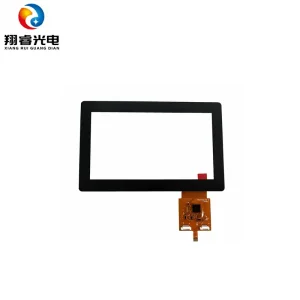
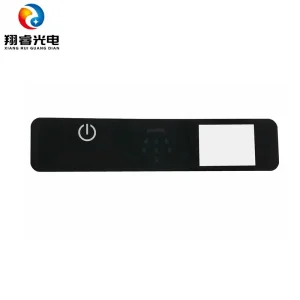
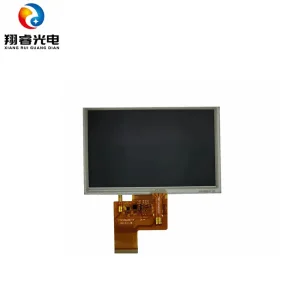
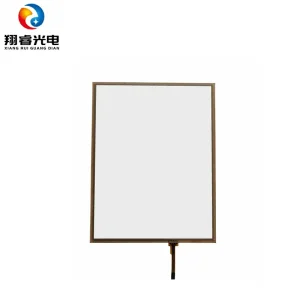
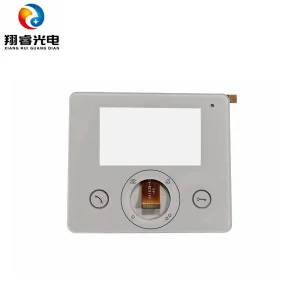
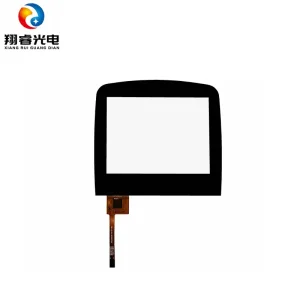
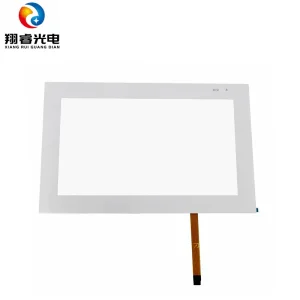
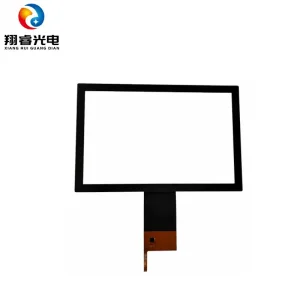
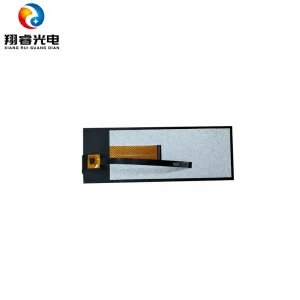
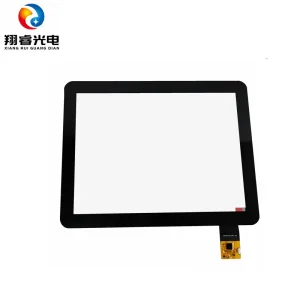
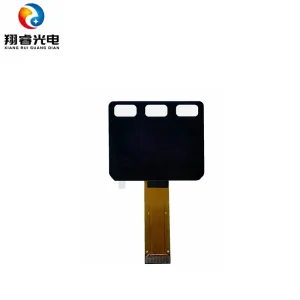
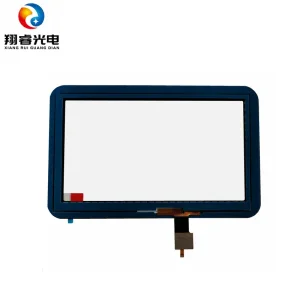
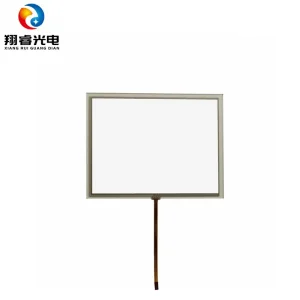
Explore our core selection of capacitive and resistive touch screens, featuring high-precision optical bonding and industrial-grade reliability.
Understanding the transition toward high-bandwidth, plug-and-play interactive display architecture across industrial and commercial markets.
Modern industrial architectures are moving away from legacy interfaces like VGA and LVDS toward HDMI and DisplayPort, enabling rapid integration, high-resolution rendering, and unified data pipelines for high-precision diagnostic systems.
With industrial operators demanding intuitive gestures (pinch-to-zoom, swipe, multi-touch control), Projected Capacitive (PCAP) sensors with reliable multi-touch capability are replacing physical knobs and single-touch legacy buttons.
Unpredictable outdoor environments require displays with high ultraviolet (UV) protection, thermal management, water-proofing (IP65+), impact resilience (IK08-IK10 cover glass), and sunlight readability through optical bonding.
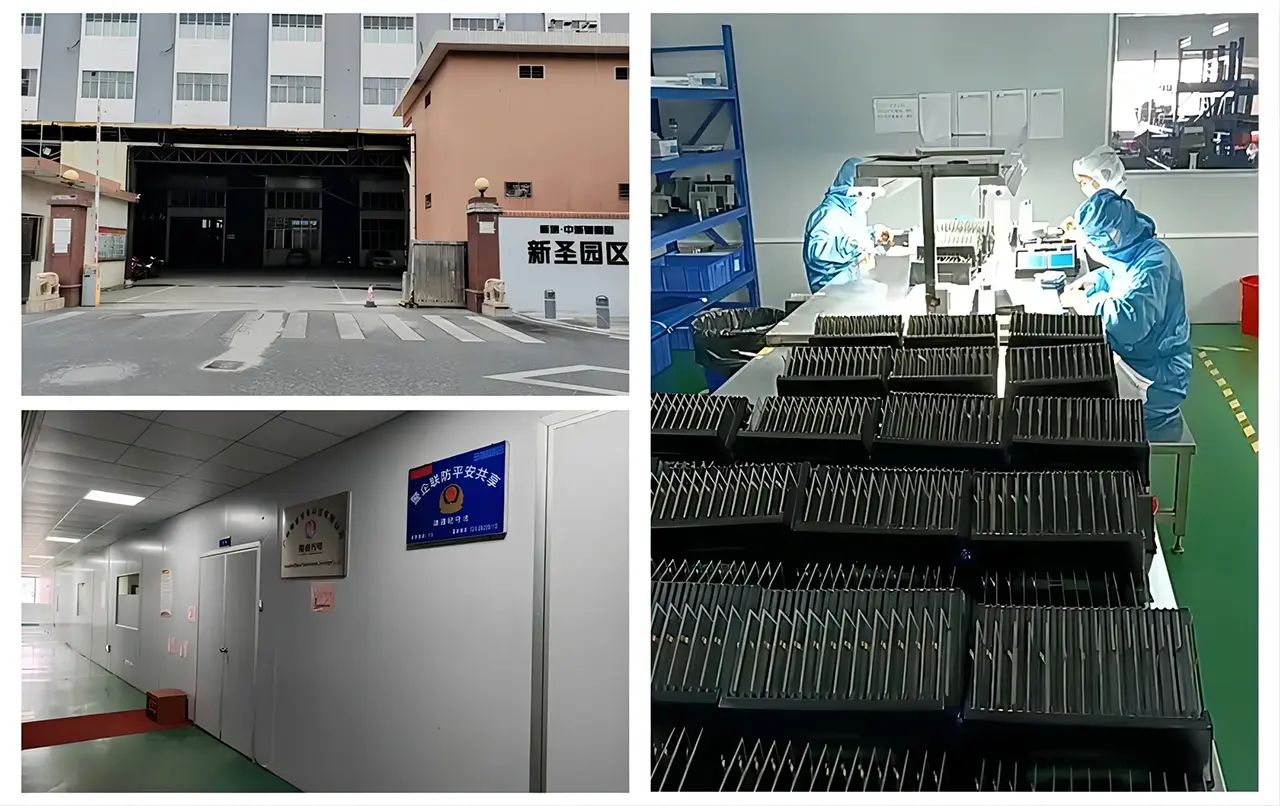
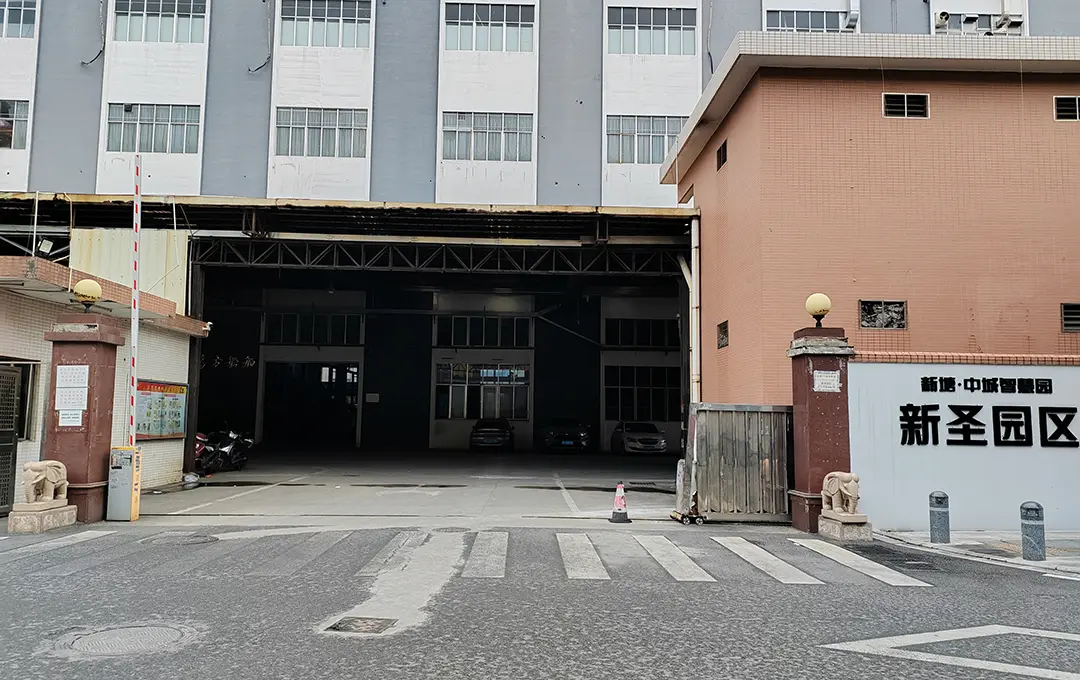
Founded in 2010 and strategically headquartered in Guangzhou, China, we are an industry-leading enterprise dedicated to the research, development, custom engineering, and volume production of high-performance resistive touch panels, capacitive touch panels, customized cover glass, and display module optical bonding solutions.
We operate out of a modern manufacturing infrastructure featuring a total plant area of approximately 3,000 square meters (with overall factory structures spanning up to 10,000 square meters). Our facilities feature Class 100, Class 1,000, and Class 10,000 dust-free cleanrooms designed to satisfy the strict environmental parameters required for high-yield optical lamination and precision FPC bonding.
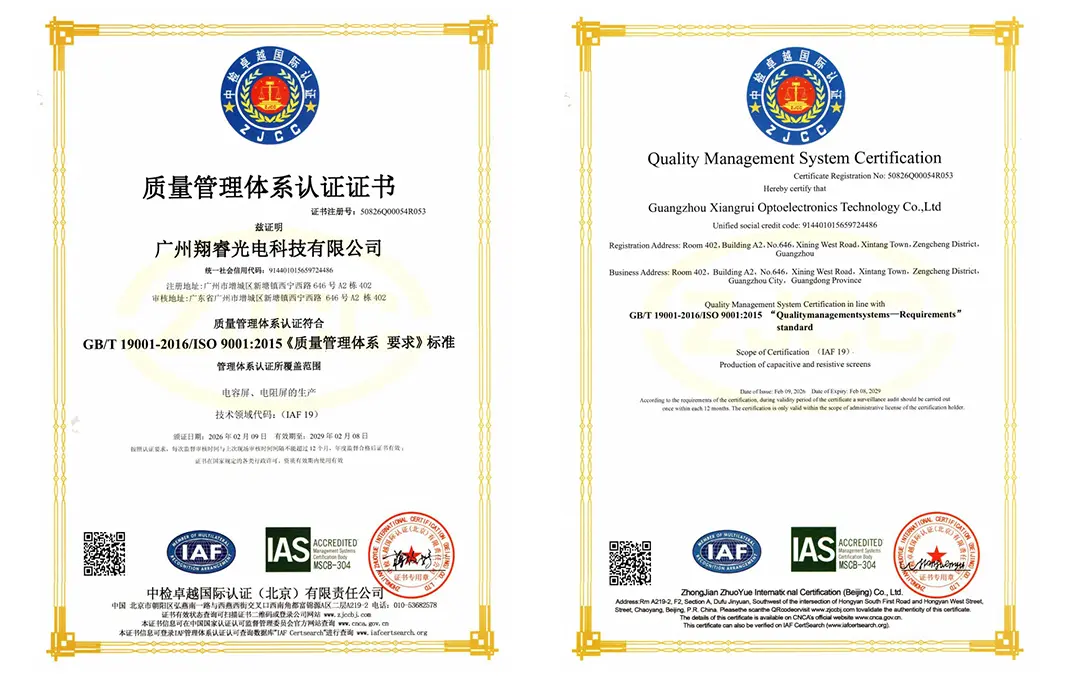
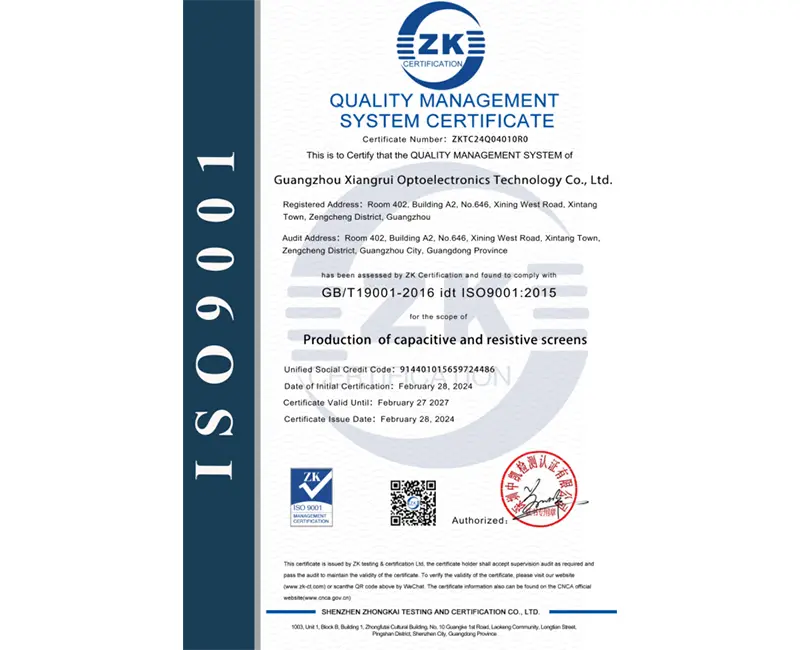
To support high-reliability environments, our operational frameworks are fully certified under ISO 9001:2015 and ISO 14001:2015, ensuring traceabilities from glass substrate inspection to finished HMI modules. Through constant engineering breakthroughs, we have obtained over 30 utility and invention patents, earning the prestigious designation of "Guangdong Province High-Tech Enterprise" in 2022.
A look at the structural mechanics, proprietary lamination methods, and rigorous testing frameworks that define our production.
Guangzhou Xiangrui Optoelectronics Technology Co., Ltd. operates under the core principles of high-reliability manufacturing, customer-first service, on-time delivery, and continuous technological innovation. We maintain long-term, direct strategic partnerships with top tier controller IC manufacturers and structural component suppliers.
From advanced raw material screening (sensor glass, PET foils, FPC tails, and controllers) to final electrical and cosmetic testing under ISO 9001 guidelines, we ensure every panel matches high industrial standards.
Using OCR (Optical Clear Resin) and OCA (Optical Clear Adhesive) bonding technologies, we minimize internal reflection, eliminate condensation risks, and maximize physical drop resistance.
Equipped with dedicated reliability labs for temperature cycles, high humidity testing, salt spray exposure, and electrostatic discharge (ESD) testing, ensuring compliance for heavy industries.
Choosing the correct touch sensing mechanism, surface treatment, and bonding mode for industrial, commercial, and outdoor displays.
| Feature Parameter | Projected Capacitive (PCAP) Panel | Resistive Touch Panel (4/5-Wire) | Optical Bonding (OCA/OCR) | Frame / Air Bonding |
|---|---|---|---|---|
| Operating Principle | Electrostatic field changes by human body capacitance. | Pressure applied to flex outer film against inner conductive layer. | Refractive-index matched adhesive eliminates air gaps. | Double-sided adhesive tape seals only the perimeter. |
| Multi-Touch Capability | Up to 10 points (Gestures supported) | Single-touch only | Not applicable (Lamination process) | Not applicable (Lamination process) |
| Optical Clarity / Transmission | > 88% up to 92% with AG/AR cover glass | 75% - 82% due to double-layer structure | Enhances transmission by 8% to 10% | Reduces brightness due to internal reflections |
| IP Rating Compatibility | Front bezel sealed up to IP65, IP68 | Typically IP54 (Film easily punctured or abraded) | Supports structural IP65 against water and condensation | Risk of condensation under rapid temperature swings |
| Common Applications | Industrial HMIs, medical diagnostics, payment kiosks, outdoor systems. | Control panels, maritime electronics, handheld terminal systems. | High sunlight readability and extreme vibration applications. | Cost-sensitive projects with indoor environment profiles. |
How our HDMI Touch Panels are integrated into specialized hardware platforms and mission-critical applications worldwide.
Designed to handle severe electrical noise, high temperatures, and constant vibration. Equipped with custom controller IC tuning (EETI, Ilitek) to ignore water droplets, mist, and dynamic noise. Fully compatible with Windows, Android, and Linux kernels via USB-HID or I2C interface.
High-resolution panel integration that supports latex-gloved operation and features medical-grade compliance. Cover glass surfaces are optimized with anti-fingerprint (AF) and anti-glare (AG) coatings to resist harsh chemical sterilizers and prevent room glare under clinical lighting.
Custom-designed structures integrated with optical bonding (OCA/OCR) to withstand UV exposure and high thermal loads. Built with IK08/IK10 impact protection cover plates, making them ideal for high-traffic ticket kiosks and modern palm print biometric authentication terminals.
At Guangzhou Xiangrui Optoelectronics, compliance is built directly into our operations. Our ISO 9001 and ISO 14001 certifications ensure that all development phases, from component sourcing to lamination and final inspection, follow documented quality control standards. This commitment helps our clients simplify their local system approvals (such as CE, FCC, RoHS, and REACH) when deploying finished devices internationally.
To support emerging HMI trends, our development team is working on the next generation of industrial-grade display solutions:
Find answers to common questions about configuring, mounting, and maintaining HDMI touch displays in complex environments.
Select your ideal form factor and screen technology from our high-precision product portfolio, backed by ISO certified manufacturing.
 Xiangrui Optoelectronics