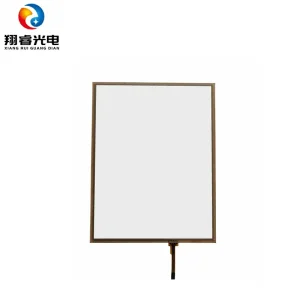
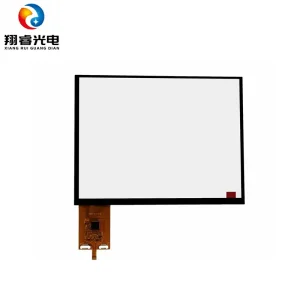
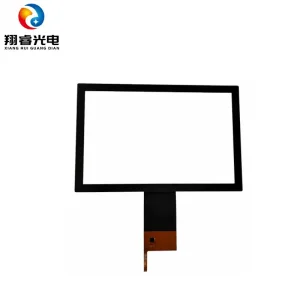
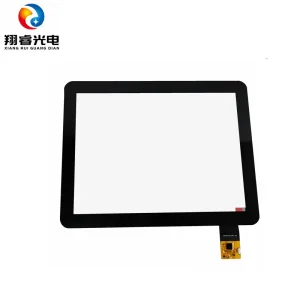
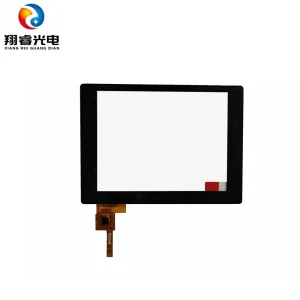
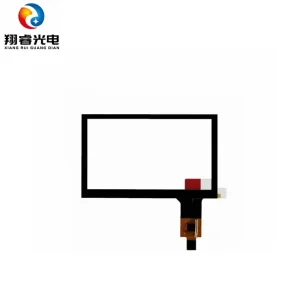
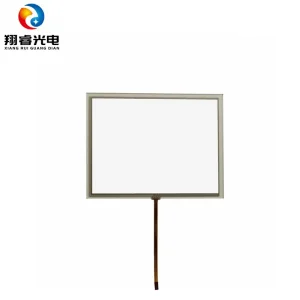
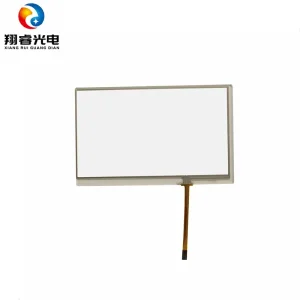
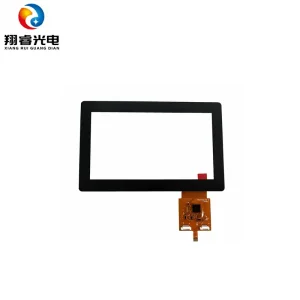
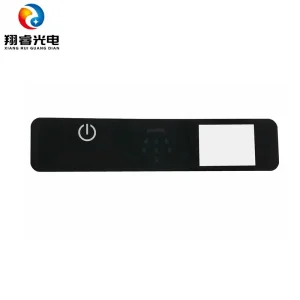
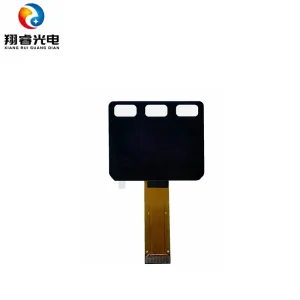
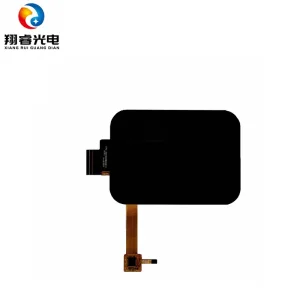
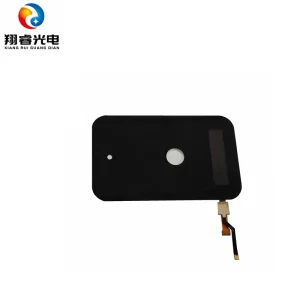
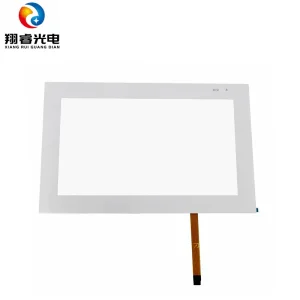
Explore our premium precision bent glass panels, resistive touch controllers, and optically bonded display assemblies engineered to meet rigorous industrial specifications.
Modern interactive systems demand a shift from standard flat displays to ergonomic, curved 3D geometries. Precision bent glass serves as the structural shield and touch surface for complex human-machine interfaces (HMIs). Achieving optical clarity without distortion requires extreme controls over raw materials, thermal molding systems, and post-bending chemical treatments.
Thermal gravity bending (sagging) and advanced press-bending represent the core technologies. The raw float glass—often high-grade soda-lime or robust aluminosilicate—is heated beyond its transition temperature (approximately 600°C to 700°C) over precise custom molds. The cooling cycle must be systematically regulated via structural annealing to prevent localized internal mechanical stress, which leads to optical birefringence and structural weakness.
Following thermal forming, chemical strengthening via potassium-sodium ion exchange ($K^+ \leftrightarrow Na^+$) is deployed. This process generates deep compressive stress levels (CS) and depth of layer (DOL), ensuring the curved safety cover achieves up to 9H pencil hardness, high impact durability, and optimal crack prevention, matching the demands of rugged public terminals and heavy industrial machinery.
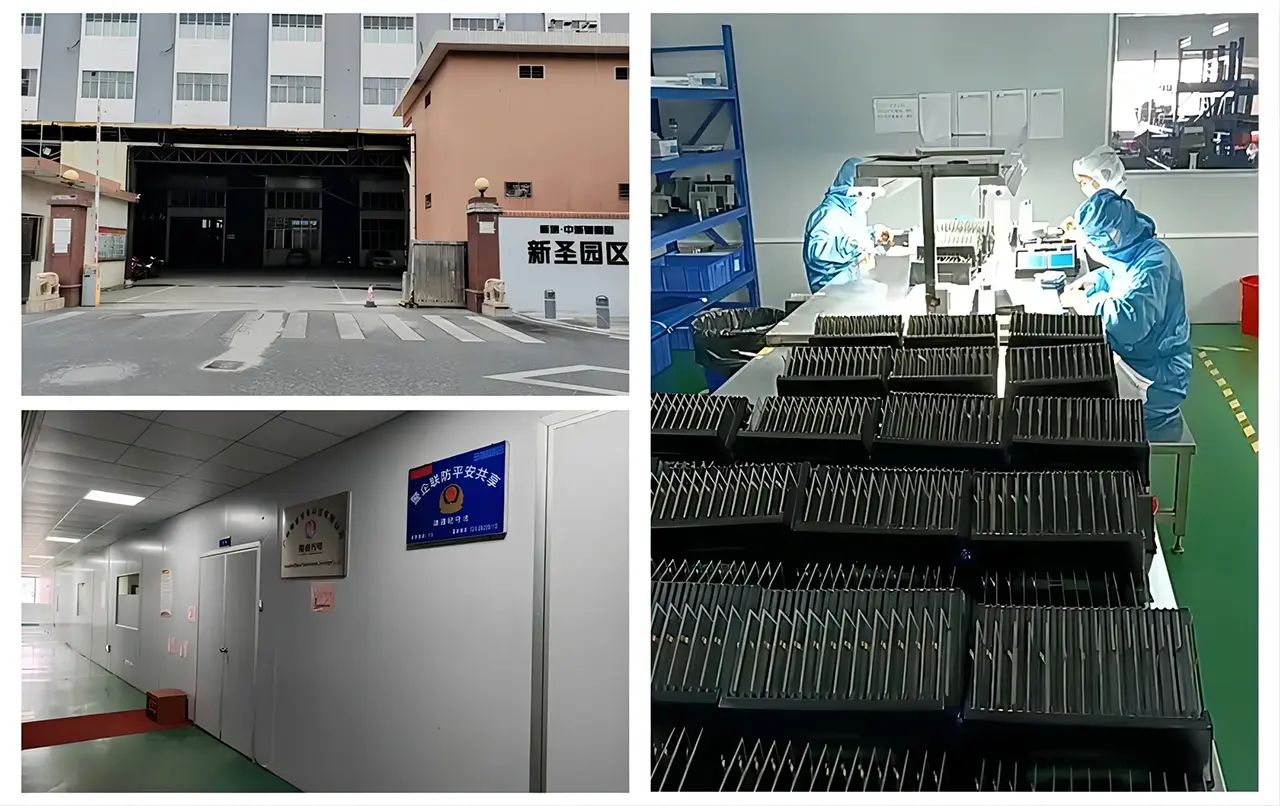
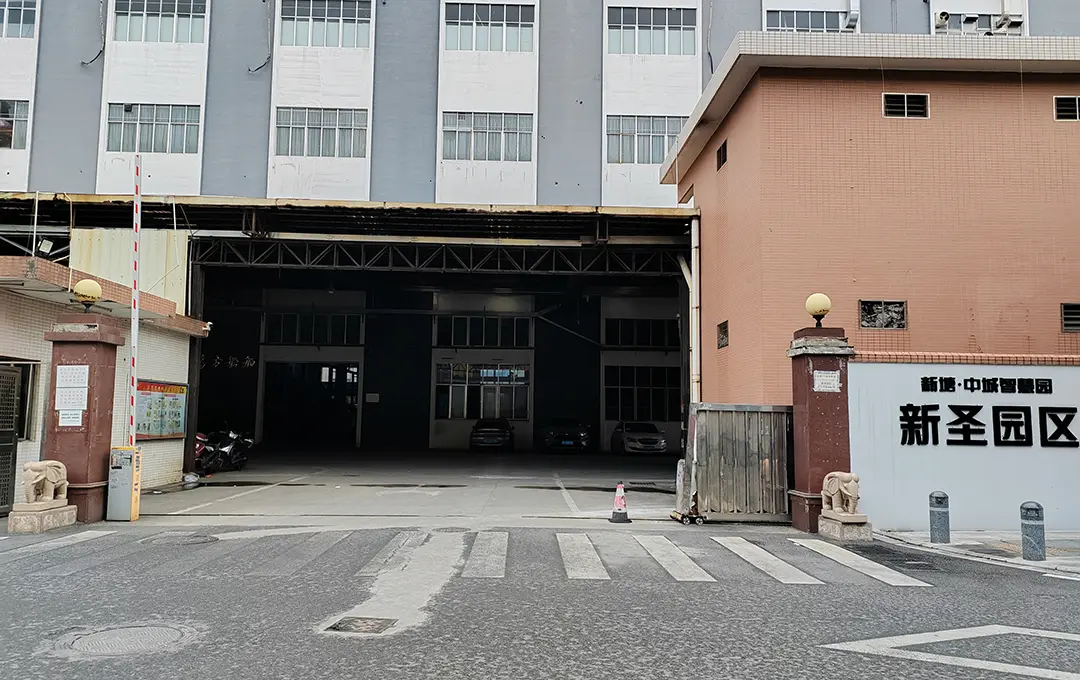
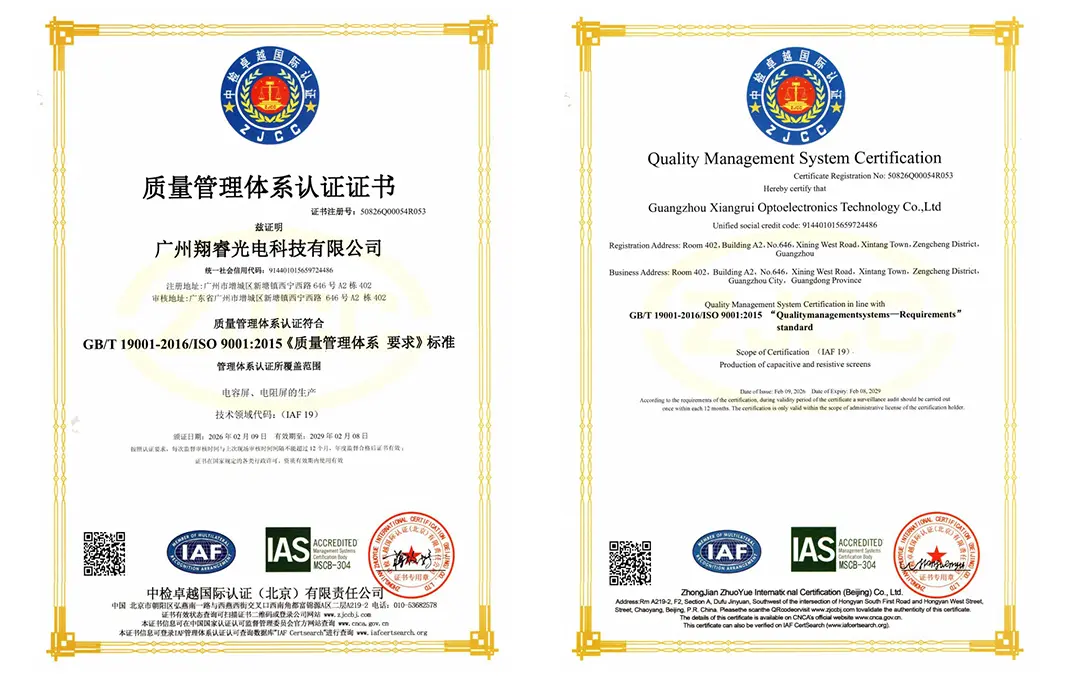
Founded in 2010 and headquartered in Guangzhou, China, Guangzhou Xiangrui Optoelectronics Technology Co., Ltd. has established itself as an innovative frontrunner in the engineering, custom fabrication, and international distribution of advanced optoelectronic touch components. Our extensive product portfolio spans custom resistive touch panels, projected capacitive touch sensors, precision chemically-strengthened bent cover glass, and full optical bonding modules (OCA/OCR).
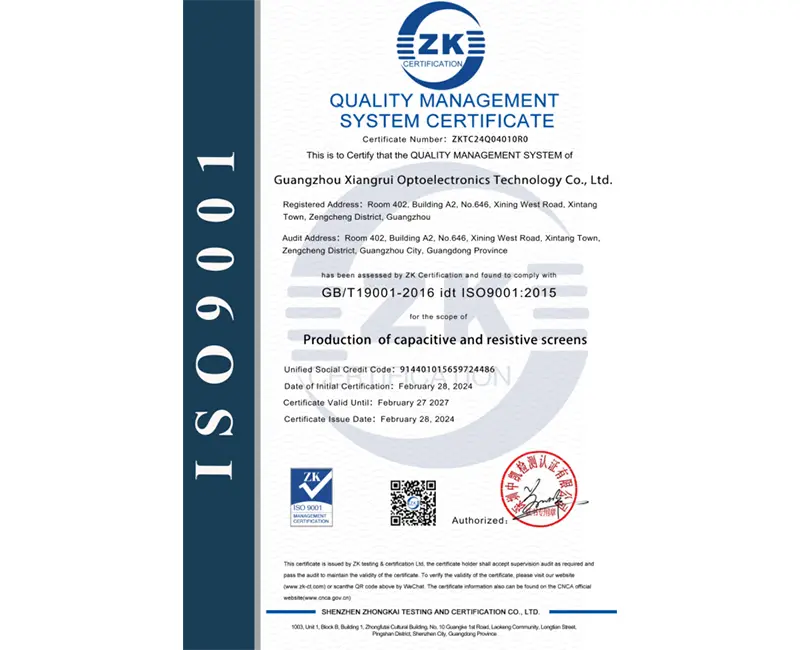
Operating a manufacturing facility exceeding 3,000 square meters, we maintain integrated Class 100, Class 1,000, and Class 10,000 dust-free workshops. These controlled environments prevent airborne particulates from compromising display clarity during screen laminating, silk-screen printing, and high-precision optical bonding procedures. Backed by ISO 9001:2015 Quality Management and ISO 14001:2015 Environmental Systems, our specialized R&D engineering team holds over 30 invention and utility patents, cementing our position as a high-tech manufacturing leader.
How precision bent glass and integrated capacitive touch surfaces redefine interface performance across global and localized industry verticals.
Operating in harsh settings, marine displays and outdoor ATMs benefit from curved glass structures. Curved geometry repels condensation and drops while optimizing visual viewing angles under direct sunlight. Anti-Glare (AG), Anti-Reflective (AR), and Anti-Fingerprint (AF) coatings work in tandem to sustain legibility and reliable touch tracking.
Sealed cleanability is key for medical centers and palm-print payment systems. Flat panels collect contaminants in perimeter bezels. Chemically-toughened precision bent glass cover lenses feature seamless, edgeless surfaces that support complete IP65 wash-downs, chemical sanitization, and high impact resistance.
Curved automotive instrumentation and home automation centers utilize continuous, high-definition curved glass consoles. Future-ready technologies integrate Ultra-Thin Glass (UTG) with tactile, localized haptic feedback engines, transforming rigid control glass into an active, responsive interface.
Global developers choose us for our combination of design flexibility, strict validation processes, and lean manufacturing efficiencies. Our custom bent glass cover panels offer key structural benefits:
The manufacturing process begins with selecting the correct glass substrate based on application demands. For consumer devices and standard indoor displays, soda-lime glass offers a cost-effective, high-yield solution. For demanding military, aerospace, and outdoor touch applications, we utilize high-aluminosilicate glass. Its higher concentration of aluminum oxide ($Al_2O_3$) enables deep chemical strengthening, forming a robust surface resistant to impact, scratches, and thermal shock.
Bending glass introduces dimensional challenges. Flat glass has uniform tolerances, but bent glass exhibits dimensional drift along curved axes. We manage these variances by utilizing specialized, high-precision graphite and steel molds. This technique keeps dimensional tolerances within $\pm 0.1$ mm to $\pm 0.3$ mm, ensuring clean integration with display bezels and preventing stress concentrations during installation.
To ensure readability and touch performance across varied lighting conditions, we apply advanced surface treatments:
Get answers to common engineering questions regarding custom bent cover glass, touch sensor integration, and manufacturing specifications.
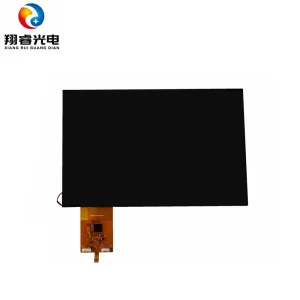
Browse our selection of wide-temperature, IP65-rated resistive and capacitive touch components designed for harsh operating environments.
 Xiangrui Optoelectronics