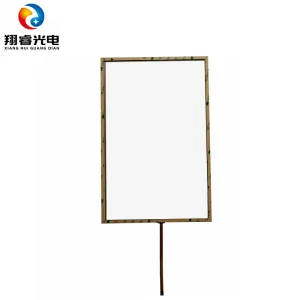
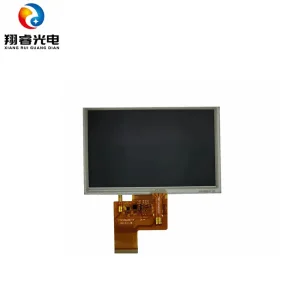
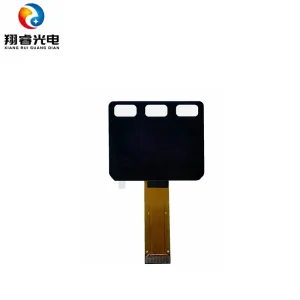
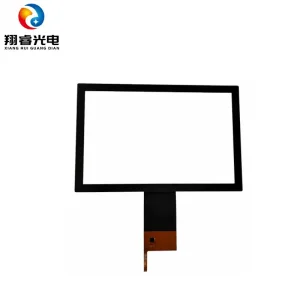
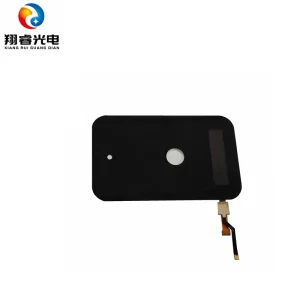
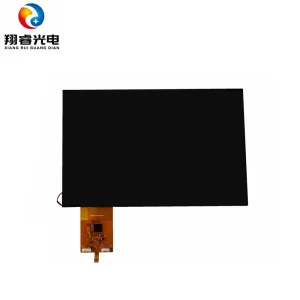
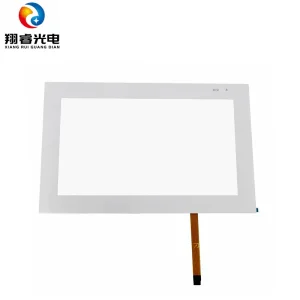
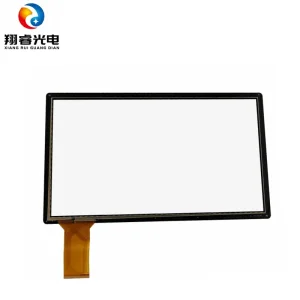
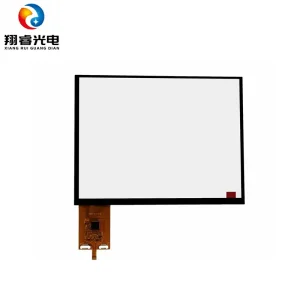
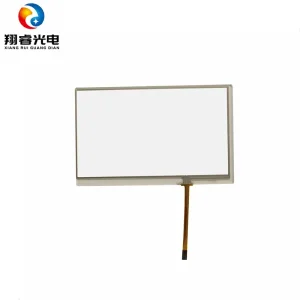
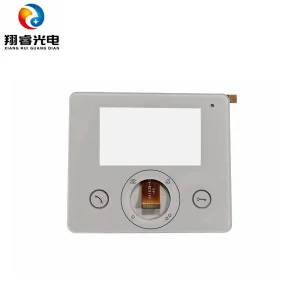
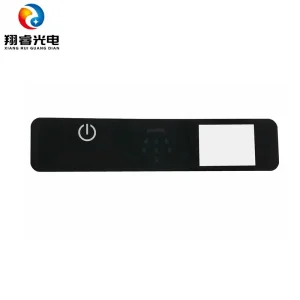
Engineered with IP65 optical sealing and wide operating temperature profiles to guarantee system reliability in harsh environments.
Unveiling market demand, technology trade-offs, and critical application requirements in heavy-duty machinery and rugged electronics.
In modern industrial and commercial display markets, human-machine interfaces (HMI) operate in harsh physical environments that test the limits of electronics. The global resistive touch screen industry has retained its vital market share, defying initial expectations that capacitive alternatives would render it obsolete. The resilience of resistive touch technology lies in its mechanical, pressure-activated activation method, which stands as a key defense against extreme conditions.
Unlike projected capacitive (PCAP) panels that rely on electrical capacitance from the human body, resistive touch screens register inputs from physical pressure. This design allows operators to interact with panels using thick heavy-duty gloves, stylus tips, or other mechanical tools. Additionally, resistive screens are immune to liquid surface pools, grease, metal filings, and high electro-magnetic interference (EMI) fields—common challenges in machining shops, clinical environments, and construction sites.
Guangzhou Xiangrui Optoelectronics Technology stands at the forefront of this industrial sector. We combine specialized material choices, such as high-temperature conductive films and chemical strengthening cover plates, with advanced optical-bonding structures. This enables us to deliver high-reliability touch panels designed for demanding real-world applications.
Enhancing optical clarity and durability through advanced materials and mechanical designs.
An inherent challenge with traditional resistive touch panels is the visible Newton ring effect, which degrades readability under bright light. Our advanced production processes integrate specialized micro-textured coatings and anti-Newton ring films. This design prevents internal air-gap interference, ensuring clear and reliable visual displays.
For applications exposed to chemical cleaning agents or abrasive particulates, we produce Glass-on-Glass (GoG) resistive panels. By replacing the standard outer polyester (PET) film with ultra-thin, flexible chemical-strengthened cover glass, we improve surface hardness to 7H. This increases scratch resistance while retaining the ability to accept input from gloved hands.
High mechanical vibrations in marine and heavy-duty vehicles can wear out electrical connections. We reinforce the Flexible Printed Circuit (FPC) tail attachments with specialized resin reinforcement layers and gold-plated terminals. This configuration ensures electrical contact stability under continuous thermal and mechanical stress.
We source high-transmittance optical PET films and high-purity Indium Tin Oxide (ITO) sputter-coated glass. These materials undergo automated laser inspection to eliminate microscopic pinholes and micro-cracks before they enter production.
Using screen-printing or photolithographic methods, we apply microscopic insulating spacer dots to the bottom glass layer. The height and density of these dots are precisely calibrated to balance activation force with activation life.
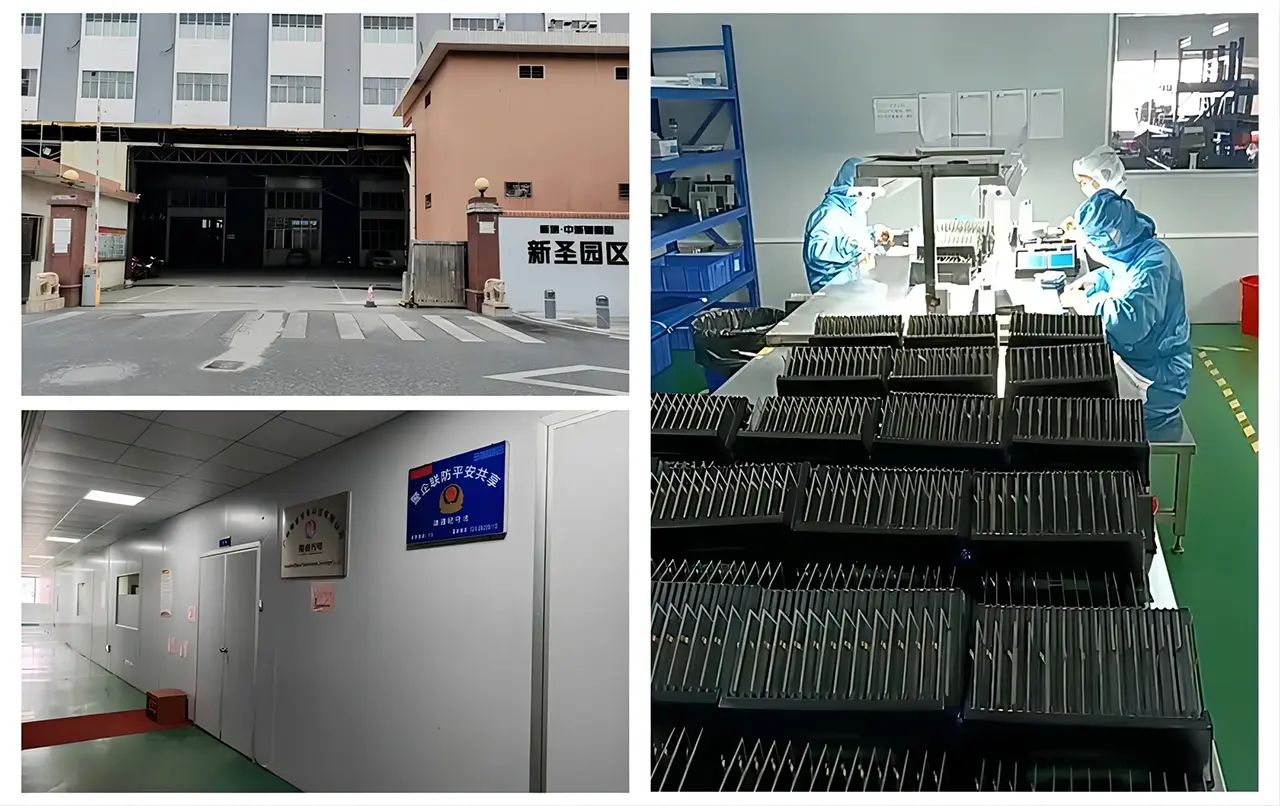
Lamination between the top layer conductive film and bottom substrate is completed in our Class 100 cleanroom environments. This process controls particulates and static discharge to ensure defect-free assembly.
Founded in 2010 in Guangzhou, China, Guangzhou Xiangrui Optoelectronics Technology Co., Ltd. is a specialized manufacturer dedicated to the research, development, production, and custom assembly of resistive touch panels, capacitive touch panels, cover glass, and display module bonding systems.
Our manufacturing facility spans over 3,000 square meters of high-grade cleanrooms within our 10,000 square meters industrial site. We operate specialized Class 100, Class 1,000, and Class 10,000 dust-free workshops to meet strict contamination requirements across different production processes.
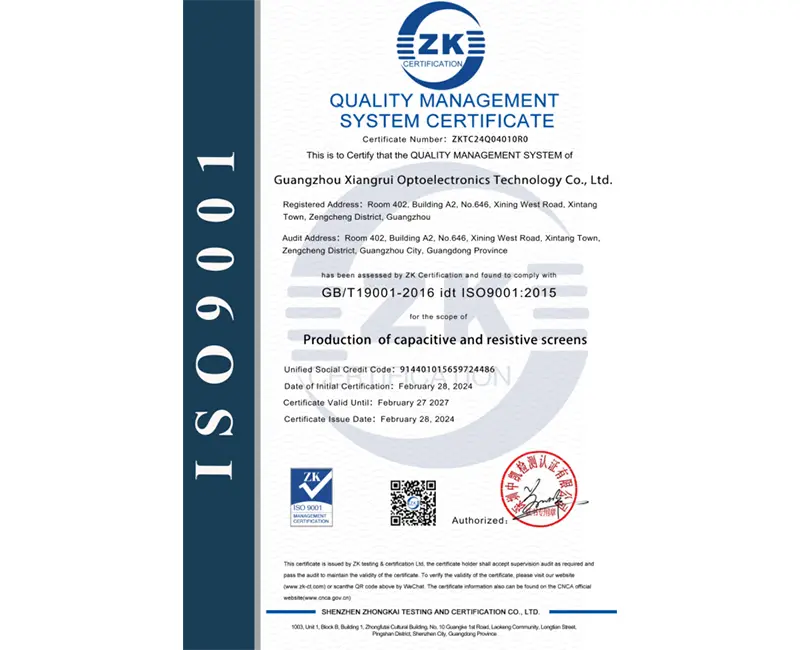
Our operation is certified to ISO 9001:2015 Quality Management Systems and ISO 14001:2015 Environmental Management Systems. Our products are exported to over 40 countries and regions, providing reliable touchscreen solutions for industrial control, medical diagnostics, home automation, and specialized payment terminals.
Deploying tailored touch screen architectures optimized for specific application environments.
Medical diagnostics, patient monitors, and surgical equipment require easy disinfection. Our resistive touch screens can be repeatedly wiped down with isopropyl alcohol and disinfectants, and they support gloved inputs from surgical teams.
For factory shop floors, power grids, and logistics centers, our 4-wire and 5-wire resistive systems operate reliably alongside high-frequency machinery, maintaining consistent calibration and performance.
Outdoor kiosks, ticket booths, and palm-print payment systems require high clarity and weather resistance. We use custom cover glass, anti-reflective (AR) coatings, and optical bonding to ensure outdoor readability.
Answering key design, performance, and application questions for system integrators.
In a 4-wire setup, the X and Y coordinates are split between the top film and bottom glass layers. In a 5-wire setup, both coordinate systems are measured on the bottom glass layer, while the top film acts only as a voltage probe. This means 5-wire panels remain functional even if the top PET layer sustains scratches or micro-tears, offering a longer operational lifespan.
Yes. By applying Anti-Reflective (AR) and Anti-Glare (AG) coatings to the cover glass and using optical bonding to fill the internal air gaps, we reduce reflections to less than 1.5%. This improves readability in high-ambient light and bright sunlight conditions.
Optical bonding uses optical-grade adhesive (such as OCA or LOCA) to fill the air gap between the touch panel and the LCD. This eliminates internal reflection interfaces, improves light transmission, increases mechanical shock resistance, and prevents condensation or dust accumulation between layers.
Our industrial-grade wide-temperature resistive touch screens are built to operate reliably between -30°C and +85°C. This allows them to perform in unheated storage centers, agricultural vehicles, and high-temperature manufacturing environments.
Yes. We offer custom glass cover lenses of various thicknesses (0.7mm to 6mm+), with chemically strengthened glass, customized border colors, printed corporate branding, and specialized physical cutouts for buttons or sensors.
We perform 100% optical and electrical testing, including linearity verification, activation force testing, and environmental chamber testing. Our facilities operate strictly under ISO 9001 and ISO 14001 standards to maintain reliable quality across production batches.
Browse our selection of specialized capacitive touch screens, optical-bonding configurations, and customized control button interfaces.
 Xiangrui Optoelectronics