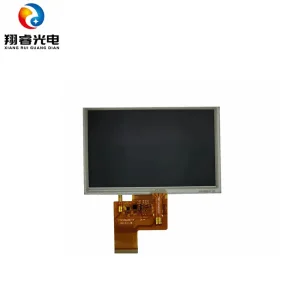
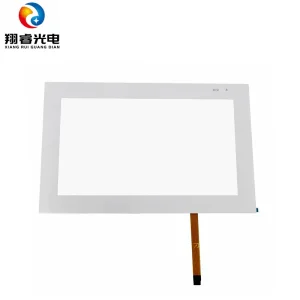
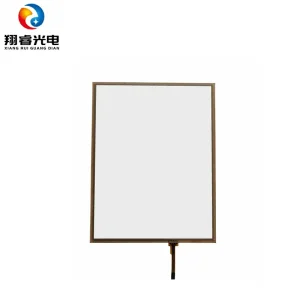
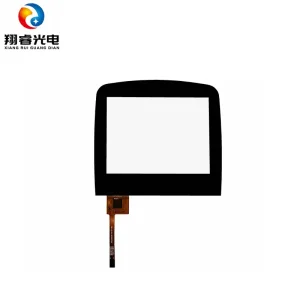
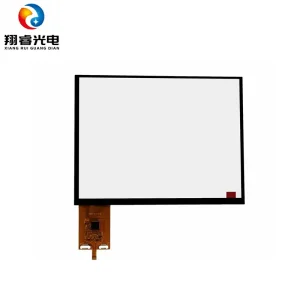
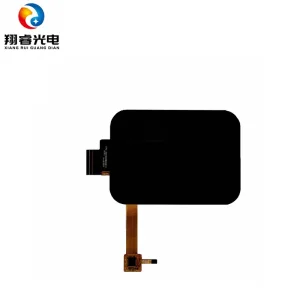
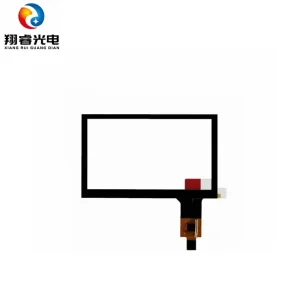
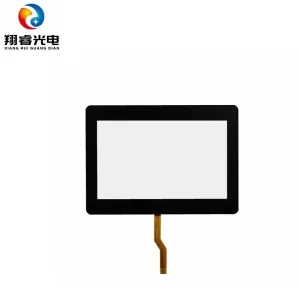
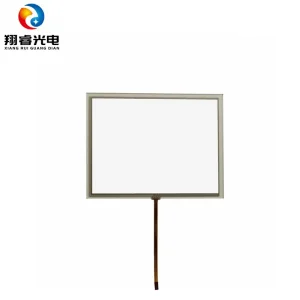
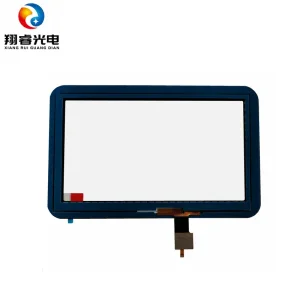
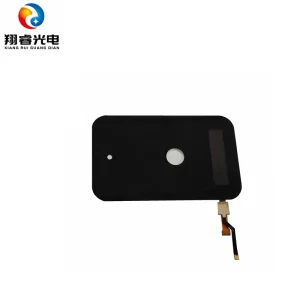
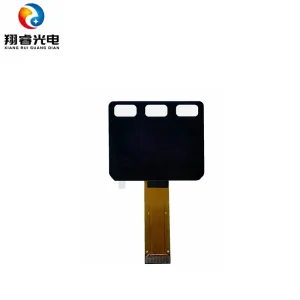
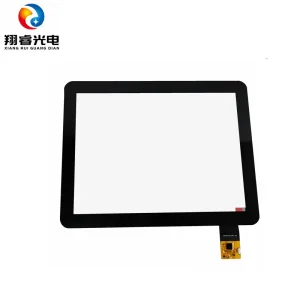
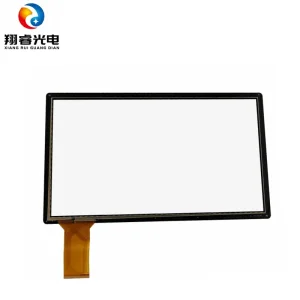
Premium OEM and customized resistive and projected capacitive (PCAP) display panels engineered for demanding industrial, medical, and control applications.
The global screen touch panel landscape is shifting from simple interactive inputs to highly responsive, multi-touch sensory hubs that bridge the physical and digital worlds. Driven by rapid automation and IoT integration, touch interfaces are no longer optional additions but critical architectural elements in heavy machinery, medical diagnostic tools, and outdoor infrastructure.
Modern applications require rugged mechanical builds, chemical immunity, and extreme thermal resilience. Display panels must remain operational between -40°C and +85°C. Innovations like optical bonding (LOCA/OCA) eliminate air gaps, dramatically reducing reflections while improving contrast ratio and structural durability.
B2B procurement agents require more than just technical components; they require highly compliant partners who can meet rigorous performance, quality, and regulatory metrics.
Industrial procurement relies heavily on customized dimensional metrics. We offer personalized cover glass thicknesses (0.7mm to 10mm+), custom silk-screen colors, AG/AR/AF surface treatments, and physical cuts or drilling for physical buttons.
Touch sensors operate adjacent to noisy industrial motors and wireless units. Ensuring strict compliance with electromagnetic compatibility guidelines is crucial to prevent ghost touches or tracking interruptions.
Products must withstand chemical washdowns, extreme mechanical impacts (IK ratings up to IK10), and severe humidity levels without layer separation or electronic breakdown.
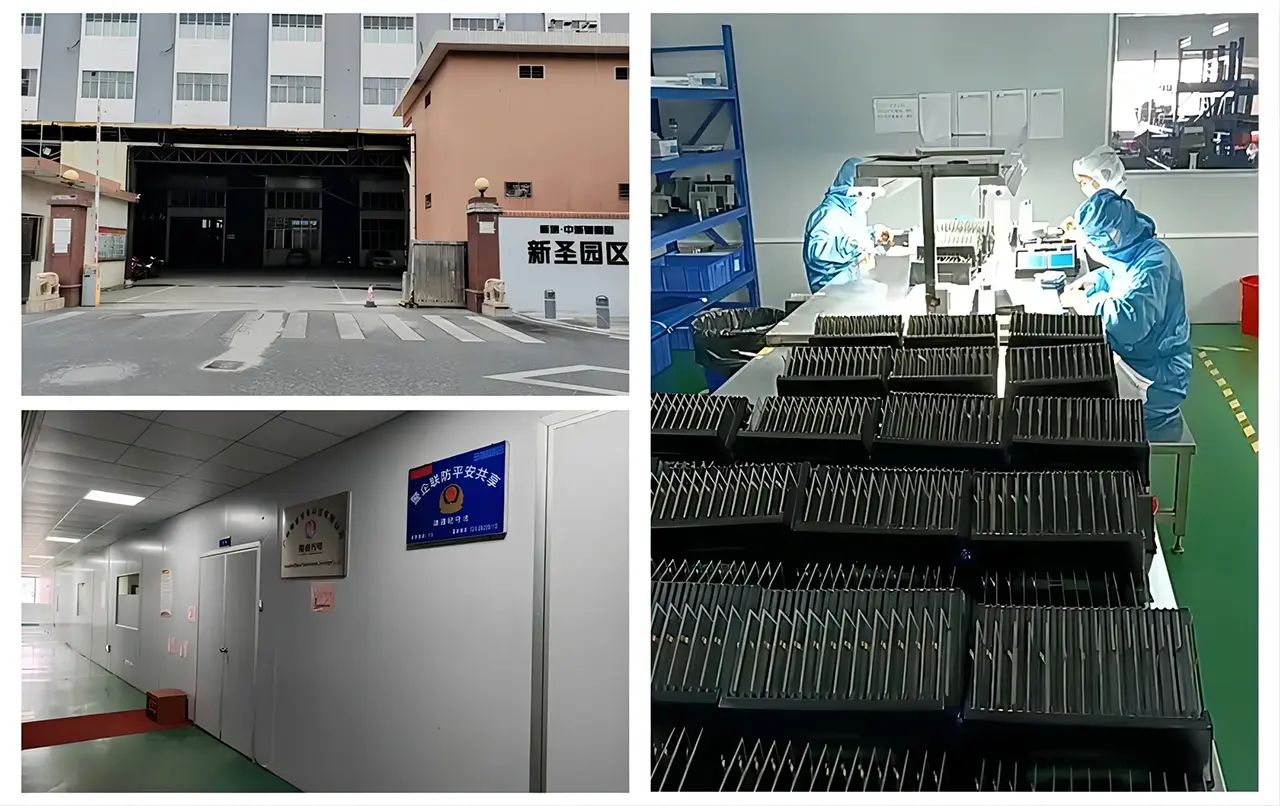
As a leading touch screen manufacturer located in Guangzhou, China, Guangzhou Xiangrui Optoelectronics Technology Co., Ltd. leverages a highly localized supply chain ecosystem. This proximity to raw material producers allows us to compress product development cycles and buffer against international shipping shocks.
By integrating automated visual inspection (AOI) systems alongside skilled calibration technicians, we achieve outstanding production yields. Our ISO 9001:2015 and ISO 14001:2015 certifications guarantee that every resistive and capacitive panel is tracked from receipt of raw ITO film to finished-goods dispatch.
Founded in 2010, we are dedicated to high-precision engineering of resistive and capacitive interfaces. Here is how we secure our partners' supply chain:
Our operations conform to ISO 9001 and ISO 14001 standards. Every process step—from glass cutting and FPC bonding to optical lamination—is monitored by a rigorous quality assurance team.
Under the leadership of our core engineering division, we have repeatedly obtained utility model and invention patents. We were proudly recognized as a High-Tech Enterprise in Guangdong Province in 2022.
We provide full-spectrum engineering, including FPC tail repositioning, custom controller integration (EETI, Ilitek, FocalTech), sensor layout matching, and complete display lamination (TFT-LCD module integration).
Our capacitive and resistive touch products are customized to withstand the distinct mechanical and environmental stressors of specialized industries.
Wide-temperature resistive panels and high-noise-immune PCAP screens are tailored to run reliably near high-voltage motor controllers, pneumatic actuators, and mechanical vibrations.
High-resolution, optically bonded capacitive interfaces calibrated to support multi-finger latex glove operation and withstand aggressive chemical sterilization wipe-downs.
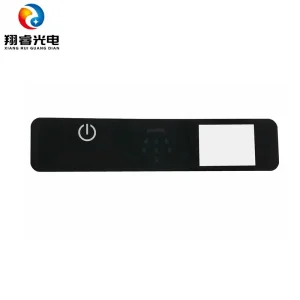
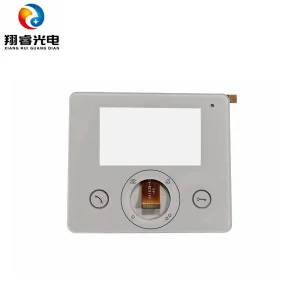
Integrated decorative front cover panels with precise capacitive button arrays, anti-fingerprint properties, and seamless design aesthetics for home appliances.
Thick, vandal-resistant cover glass (up to IK10 impact standard) coupled with anti-reflective (AR) lamination and UV filtering to prevent sunlight damage and display washout.
Explore our secondary lineup of precision capacitive buttons and small-to-mid-size optical bonding screens for specialized commercial applications.
Get professional, engineering-focused answers to common manufacturing, calibration, and supply chain queries.
 Xiangrui Optoelectronics