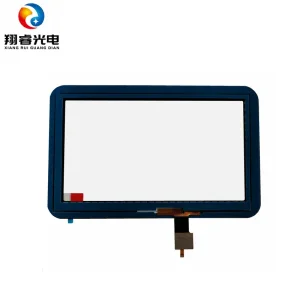
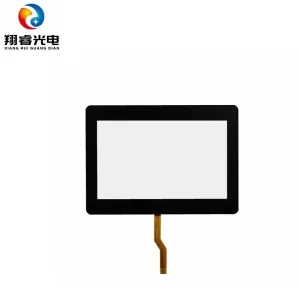
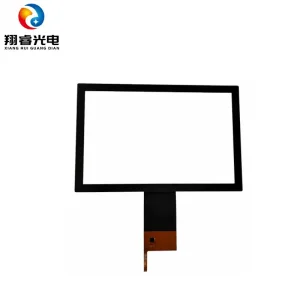
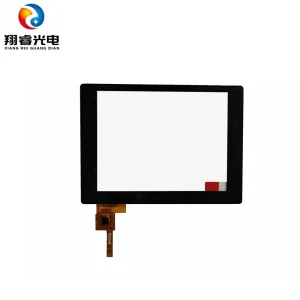
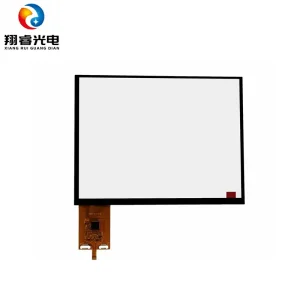
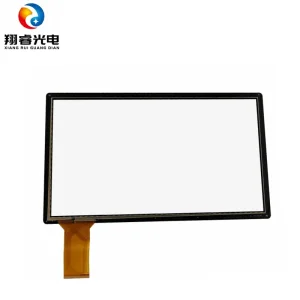
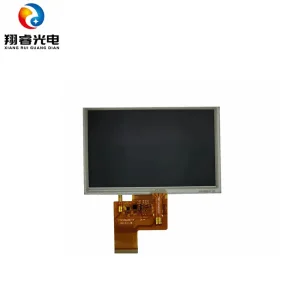
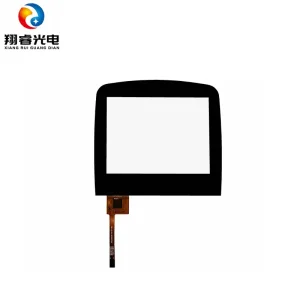
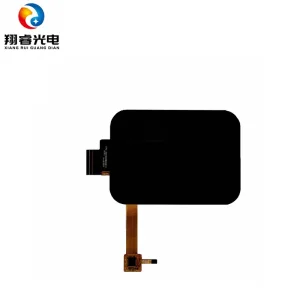
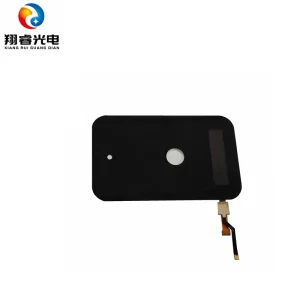
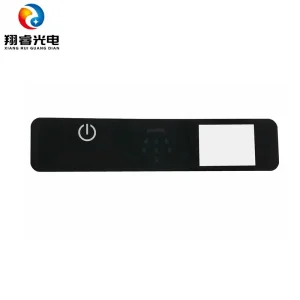
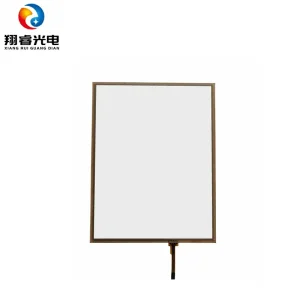
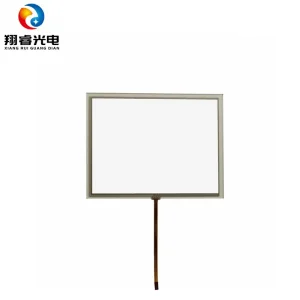
Explore our leading capacitive and resistive touch interfaces, engineered with precision optical bonding and wide-temperature tolerance for mission-critical operations.
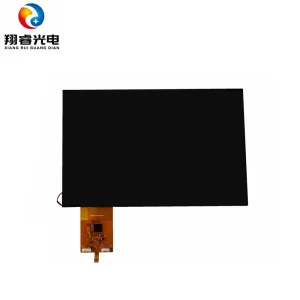
Modern enterprises executing high-level industrial integration face challenging operating environments. Standard, consumer-grade touch components cannot withstand extreme temperature cycling, intense electromagnetic fields, or physical impact. Procurement departments for defense, aviation, medical, and automation systems look for tailored, high-durability touch screen solutions built on proven scientific architectures.
At Guangzhou Xiangrui Optoelectronics Technology Co., Ltd., we understand that search intent for "High-Quality Touch Panel Interfaces Suppliers & Factory" is not just about locating low-cost components. It is about identifying manufacturing partners who offer comprehensive design control, repeatable assembly in certified cleanrooms, and long-term sustainability. Our technology satisfies these demands by providing structural customization, optical tuning, and protective surface treatments.
How our resistive and capacitive touch panel interfaces serve critical sectors worldwide.
Our touch screens are built to withstand hospital disinfectants and fluids. They support multi-finger capacitive sensing and heavy-duty resistive touch inputs for gloved operations. Combined with customized anti-microbial cover glass, these panels run reliably in critical sterile facilities.
Featuring wide-temperature designs and optical bonding, our touch screens resist extreme vibration, moisture, and dust (IP65 protection). They prevent condensation in harsh control rooms and remain functional from freezing outdoor temperatures to high-heat fabrication areas.
Optimized for daylight readability with customized Anti-Reflective (AR) and Anti-Glare (AG) cover layers. These panels support next-generation security systems, ticketing kiosks, and palm print recognition payment terminals, providing robust outdoor durability and scratch protection.
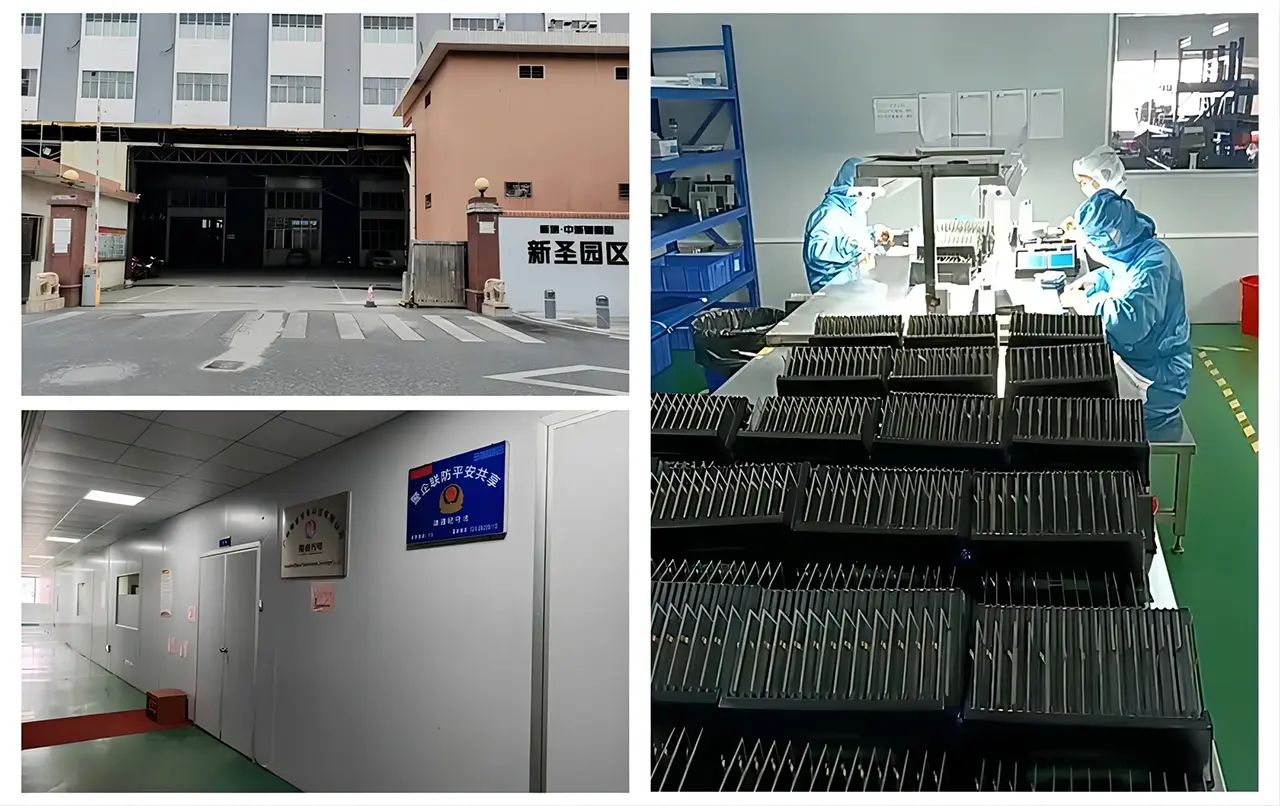
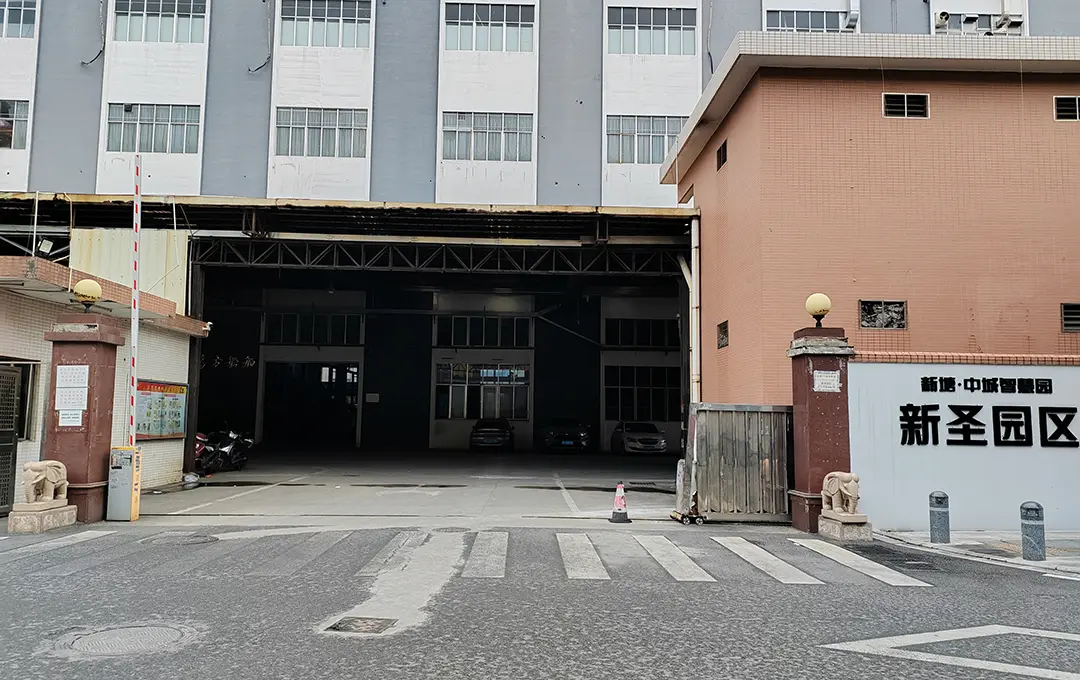
Our infrastructure is engineered to prevent particle contamination during the lamination phase. Our manufacturing facility covers an area of approximately 10,000 square meters, with a total plant area of 3,000 square meters dedicated to precision operations. We have set up specialised R&D, production, marketing, quality, finance, purchasing, and human resource departments.
To support advanced optical bonding, we utilize highly controlled workspaces: Class 100, Class 1,000, and Class 10,000 dust-free workshops. These environments keep particulate concentrations well within medical and industrial display requirements, preventing dust from getting trapped between the cover glass, the ITO sensors, or the LCD screen.
Touch interfaces are shifting from basic button replacement to fully integrated smart surfaces. Our development path focuses on three key pillars:
Improving noise rejection algorithms in capacitive controllers, enabling smooth touch response even with water spray or thick work gloves.
Employing advanced chemical baths to produce cover plates with a Mohs hardness of 7H+, ensuring high impact resistance (IK08+) and optical clarity.
Directly laminating optical components, polarization films, and EMI mesh within our dust-free workshops to improve durability and sunlight readability.
A Qualified OEM/ODM Partner Backed by Industry Patents & Certifications
Founded in 2010 in Guangzhou, China, Guangzhou Xiangrui Optoelectronics Technology Co., Ltd. is a dedicated manufacturer specializing in the research, development, production, and service of resistive touch panels, capacitive touch panels, cover glass, and module bonding. We support customized production as well as OEM and ODM services.
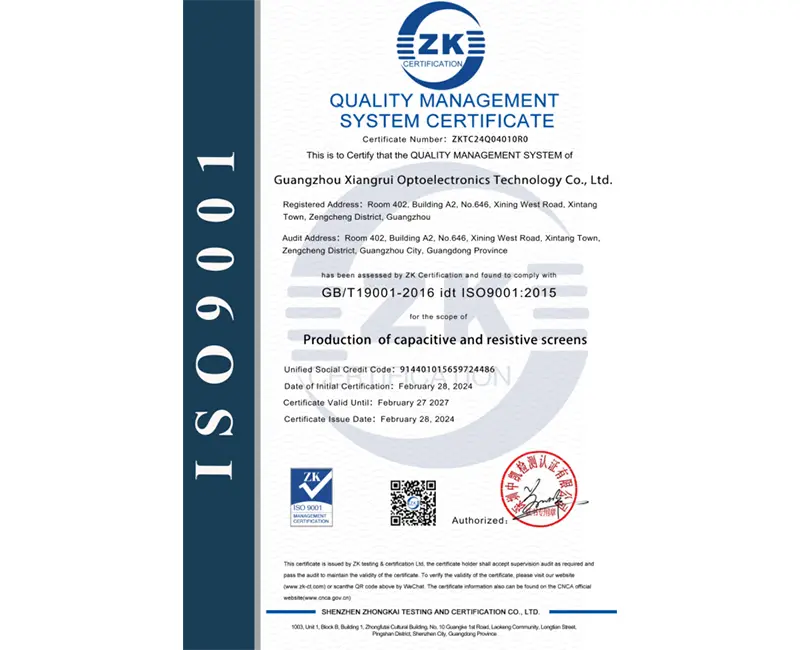
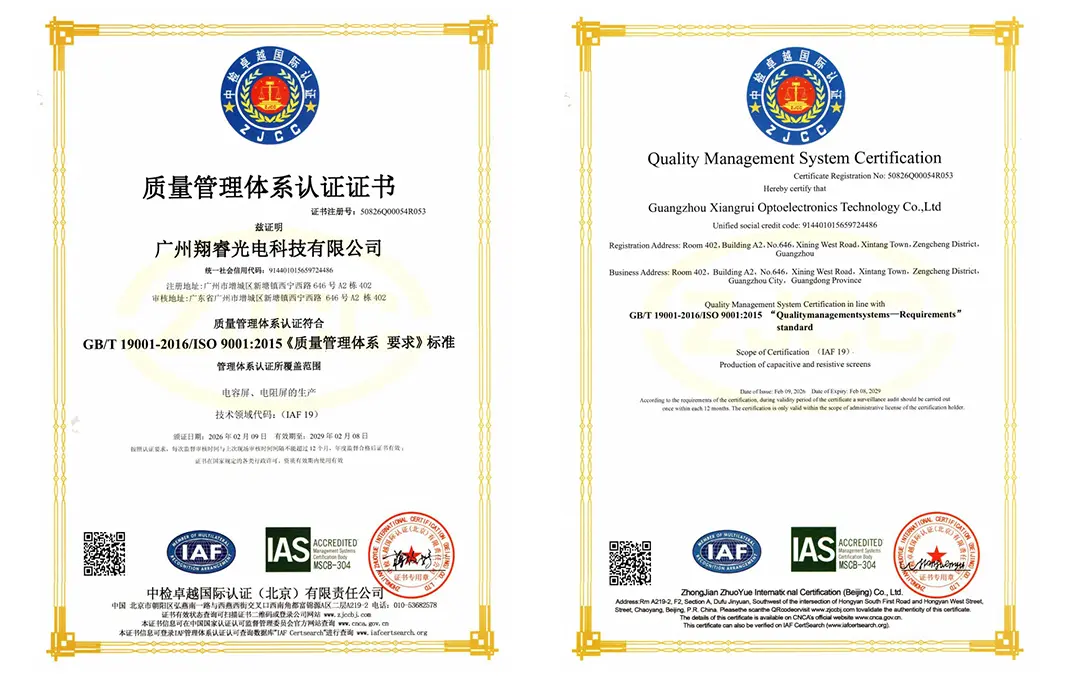
Our operations focus on quality and environmental responsibility. We have secured ISO 9001 and ISO 14001 certifications, standardizing every phase of our supply chain. In 2022, our commitment to technical innovation was recognized with the official title of "Guangdong Province High-Tech Enterprise". Backed by our engineering team, we hold more than 30 utility model and invention patents, validating our design capabilities.
“We is based on the fundamental purpose of people-oriented, honest, pragmatic, innovative and enterprising sincere and united. Since its establishment, it has been committed to the development, research and application of new products, new processes and new materials, relying on professional R&D team, rich production experience and high-quality service, so that enterprises in the fierce market competition always adhere to competitiveness, to achieve rapid and stable development of enterprises.”
Three core principles guide our manufacturing operations and long-term partnerships.
We work with a spirit of reputation first, customer first, quality satisfaction, delivery on time, and good faith cooperation, building long-term partnerships with leading companies and well-known manufacturers worldwide.
Having passed ISO9001 and ISO14001 quality and environmental system certifications, we standardize our production lines. This ensures every product meets strict industrial standards from raw materials to final shipment.
Under the leadership of our R&D department, we have secured utility model and invention patents. In 2022, our technical development earned us the title of High-Tech Enterprise in Guangdong Province.
A history of expanding production capacity, cleanroom capabilities, and technology integration.
Guangzhou Xiangrui Optoelectronics is established. We begin manufacturing high-quality resistive and capacitive touch panel interfaces for domestic industrial clients.
We install Class 100, Class 1,000, and Class 10,000 dust-free workshops, introducing precision optical bonding and assembly for larger displays.
We obtain ISO 9001 and ISO 14001 certifications. Our products begin exporting to more than 40 countries, serving sectors like medical, smart home, and retail kiosks.
The company receives the Guangdong Province High-Tech Enterprise designation. Our patent portfolio grows past 30 utility and invention patents.
We continue refining our designs, focusing on palm print recognition interfaces, anti-microbial glass coatings, and highly rugged touch panels.
Understanding the layers, materials, and processes that define durability and performance.
Projected Capacitive touch screens use a micro-fine grid of sensor electrodes (ITO) laminated between protective glass layers. When a user touches the glass, the controller detects capacitance changes from their finger.
Resistive screens consist of a glass base layer and a flexible polyester top cover, both coated with thin metallic layers and separated by tiny spacer dots. Pressure physically brings the layers into contact, completing the electrical circuit.
A touch interface's performance depends heavily on the front cover glass. We apply three key optical treatments to adapt our screens to different operating environments:
Chemically etching or spray-coating the glass surface to scatter reflected light. Essential for high-ambient-light industrial workspaces and outdoor environments.
Depositing thin optical films to lower surface reflectance from 4% down to under 0.5%, maximizing display contrast and legibility.
Applying a hydrophobic and oleophobic layer to prevent skin oils from adhering, making cleanups easier on medical and public-access screens.
Using Optical Clear Adhesive (OCA) or liquid Optical Clear Resin (OCR) to fill the air gap between the touch sensor and the LCD. This eliminates internal reflections, improves impact strength, and prevents condensation.
Answers to common questions about industrial touch panel sourcing, engineering, and configuration.
Browse our additional range of custom resistive and capacitive touch panel interfaces, designed for industrial reliability and long-term service.
How we ensure reliable performance in the field through strict testing and validation.
We test our touch interfaces inside environmental chambers, subjecting them to temperatures from -40°C to +85°C and relative humidity levels up to 95%. This ensures physical stability and prevents delamination in harsh climates.
Industrial settings can produce substantial electrical noise. Our design process includes integrating shielding layers and setting touch controllers to reject electromagnetic interference (EMI), complying with international EMC guidelines.
Within our Class 100 dust-free workshops, we inspect every display assembly under specialized lighting. Automated Optical Inspection (AOI) detects bubbles, dust motes, or microscopic alignment shifts before products are cleared for shipping.
Our engineering team works with clients from design through production. We review your specifications, draft optical stackups, customize controllers, and optimize cover glass designs to fit your chassis requirements.
 Xiangrui Optoelectronics