Explore our premium range of precision-manufactured capacitive and resistive touch assemblies built to meet global compliance and durability benchmarks.
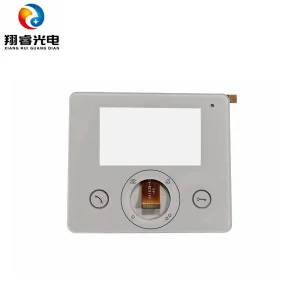
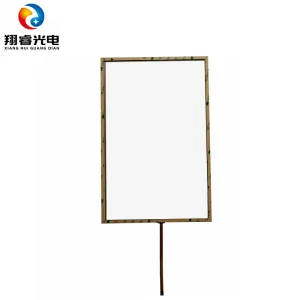
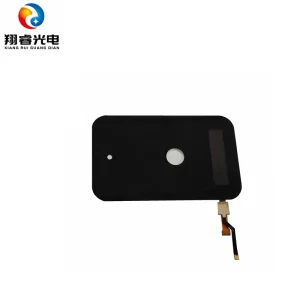
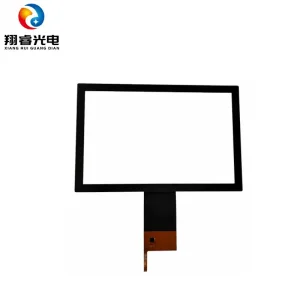
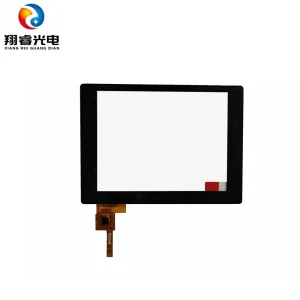
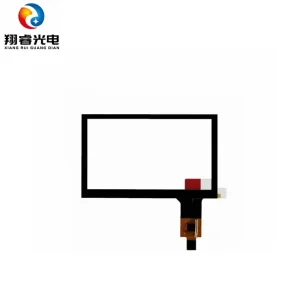
An in-depth analysis of physical stack-ups, material properties, and sensor configurations defining modern Human-Machine Interfaces (HMI).
Selecting the ideal touch screen structure requires balancing optical clarity, mechanical resistance, weight, and development budget. For modern industrial applications, the primary choices center around Glass-Glass (GG), Glass-Film-Film (GFF), and One Glass Solution (OGS) architectures.
Glass-Glass (GG) Structures: Consisting of a cover glass optically bonded to a sensor glass featuring patterned Indium Tin Oxide (ITO) layers on both sides. The GG structure is highly favored in medical and heavy industrial controls due to its exceptional chemical resistance, surface hardness, and long-term thermal stability.
Glass-Film-Film (GFF) Structures: Combining a cover glass with two discrete ITO sensor films. GFF structures represent a highly flexible manufacturing path, allowing for low prototype tooling costs and exceptional resistance to physical impact, as the inner PET film layers absorb stress rather than fracturing.
| Structure Type | Optical Transmittance | Mechanical Impact Resistance | Tooling Cost (NRE) | Ideal Application Environments |
|---|---|---|---|---|
| Glass-Glass (GG) | > 90% | High (Subject to glass tempering) | Moderate to High | Medical Equipment, Factory Automation, Marine Instrumentation |
| Glass-Film-Film (GFF) | ~ 86% - 88% | Excellent (Flexible internal layers) | Low | Handheld Devices, Outdoor POS, Consumer Electronics |
| One Glass Solution (OGS) | > 92% | Moderate (Single point of failure) | High | Smart Home Displays, Ultra-Thin Automotive Consoles |
Integrating the touch sensor with the display (TFT-LCD or OLED) dictates the readability and thermal performance of the finished screen.
Optical Bonding (OCR/LOCA): This technique fills the physical gap between the touch sensor and the display using Liquid Optically Clear Adhesive (LOCA) or dry OCA film. By eliminating the air gap, optical bonding matches the refractive index of glass (n ≈ 1.5). This results in a drop in internal reflection from roughly 8% down to less than 0.2%. Optical bonding eliminates condensation and fogging in humid climates, mitigates shock propagation, and increases mechanical strength by up to 300%.
Frame Fitting (Tape/Air Bonding): Utilizing high-performance double-sided adhesive tape around the perimeter of the display leaves a physical air gap between the sensor and panel. While more cost-efficient and easier to rework during manufacturing, it is susceptible to dust ingress, condensation, and higher reflection rates under bright sunlight.
For outdoor kiosks, marine equipment, and IP65-rated touch monitors (such as our 12.1" and 10.1" wide-temperature models), Optical Bonding is highly recommended to prevent solar load damage and guarantee visibility in direct sunlight.
The next generation of touch screen structures centers on multi-functional integration and ultra-reliability. Guangzhou Xiangrui is spearheading this shift by embedding advanced materials and sensors directly into the glass stack:
Replacing traditional ITO with flexible silver nanowires to yield lower sheet resistance, optimal transmission, and bendable touch matrices for curved automotive dashboards.
Developing structural stacks featuring integrated piezo actuators, giving operators tactile click confirmations even when wearing heavy industrial safety gloves.
Fusing copper-ion and silver-ion technologies into the cover glass matrix during chemical tempering, preventing bacterial growth on high-traffic public terminals.
A premier research, development, and manufacturing powerhouse for capacitive & resistive touch panels, cover glass, and complete optical bonding solutions since 2010.
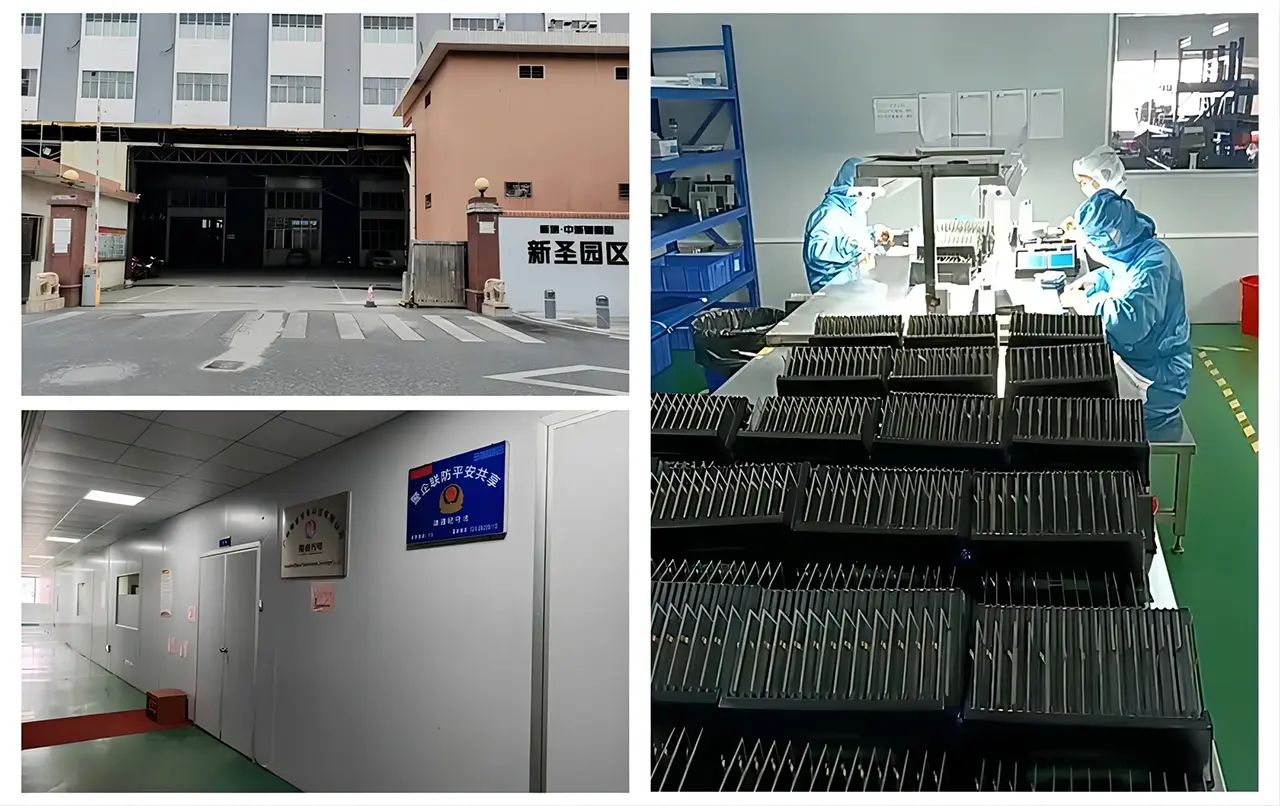
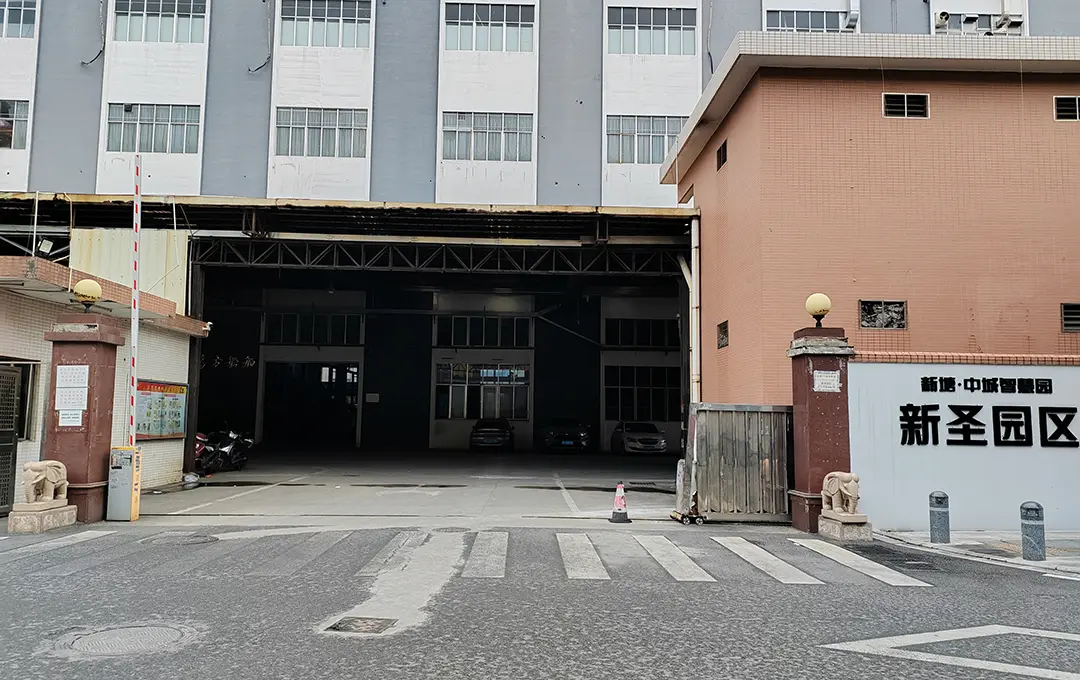
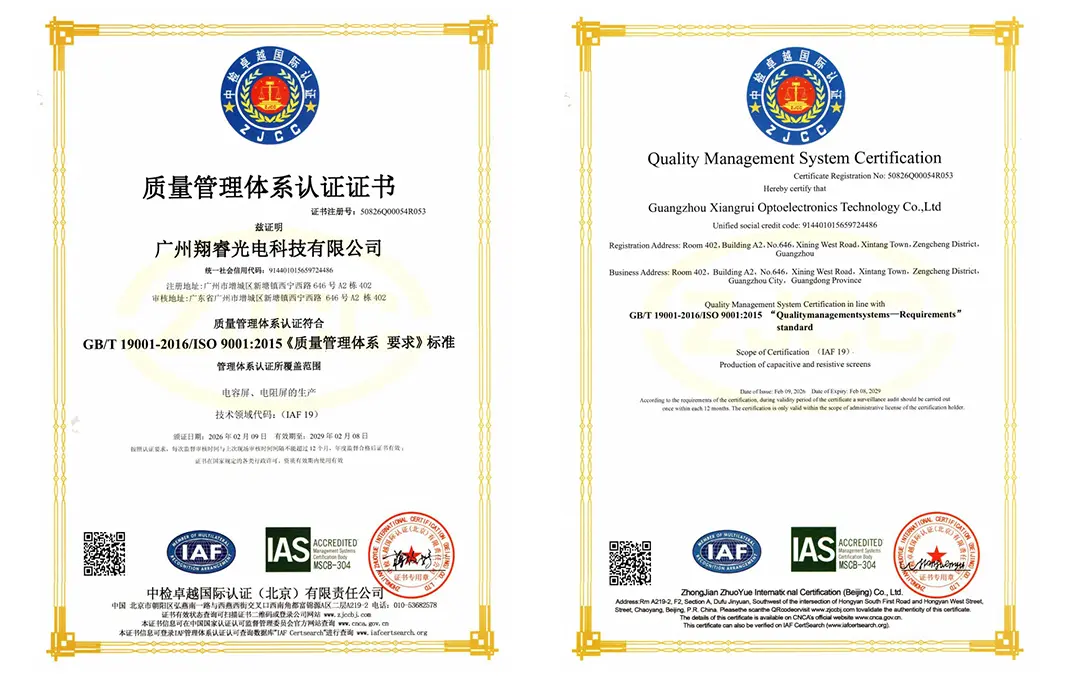
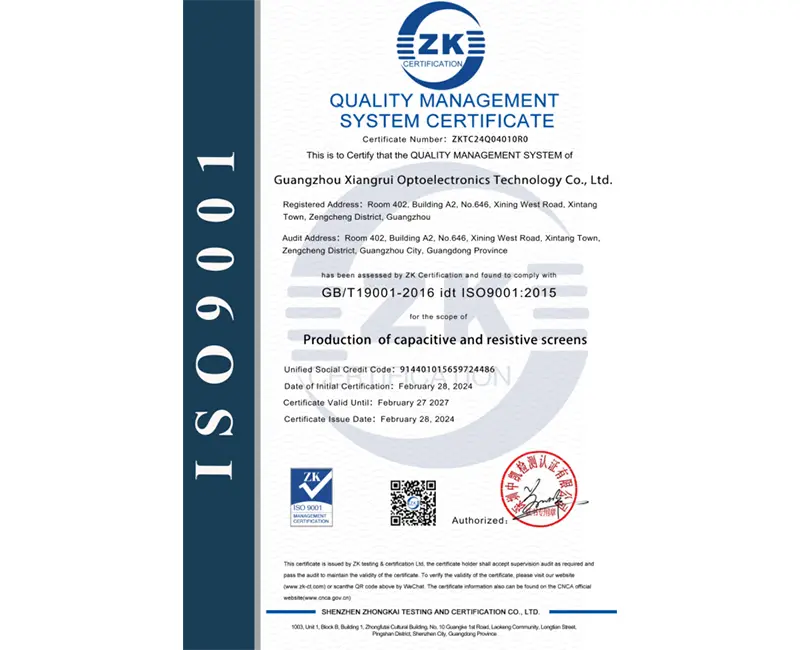
Founded and headquartered in Guangzhou, China, we operate advanced fabrication lines dedicated to the custom production of industrial-grade display components. Our state-of-the-art facilities host ISO 9001 and ISO 14001 certified manufacturing protocols, executing high-yield OEM & ODM services for customers across 40+ countries.
To satisfy demanding dust-free parameters across different production stages, our manufacturing footprint includes dedicated Class 100, Class 1,000, and Class 10,000 cleanroom environments. This ensures all optical laminations and sensor printing processes avoid particle contamination, yielding ultra-high durability and clarity.
Operating out of Guangzhou, one of the world's most robust electronics manufacturing hubs, allows us to provide distinct economic, logistics, and supply-chain advantages:
No two applications share the same environmental challenges. That is why we provide a versatile range of customizable treatments directly integrated into your touch screen's outer structure:
Expert answers addressing the design, manufacturing, and operational considerations of touch interface integration.
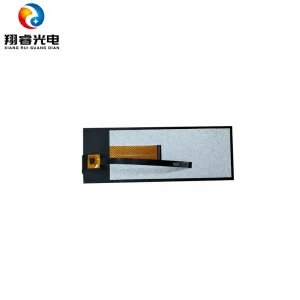
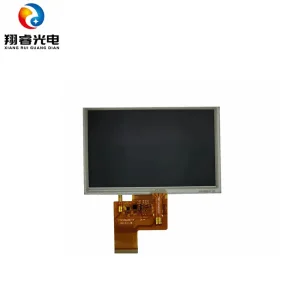
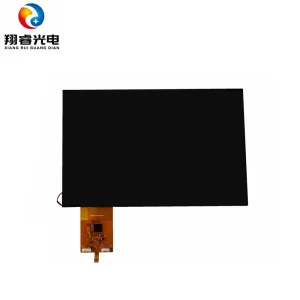
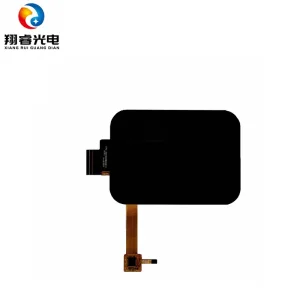
Explore our targeted product range optimized for industrial integration, extreme ambient conditions, and special mechanical form factors.
 Xiangrui Optoelectronics