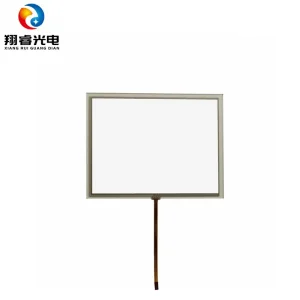
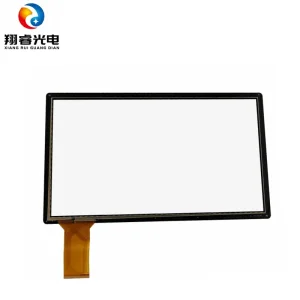
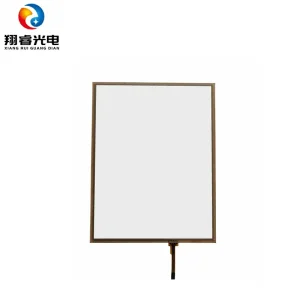
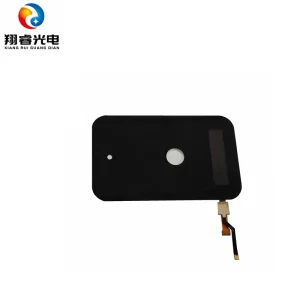
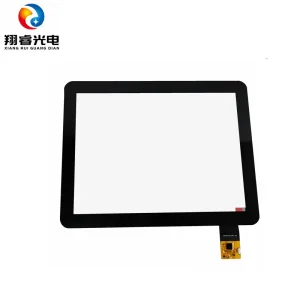
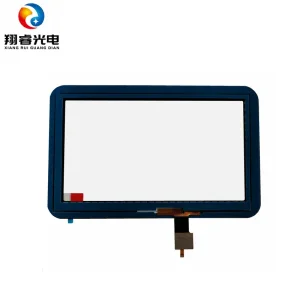
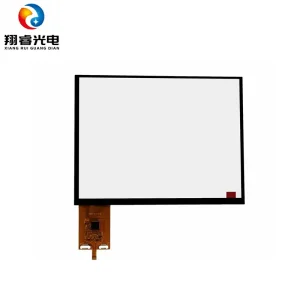
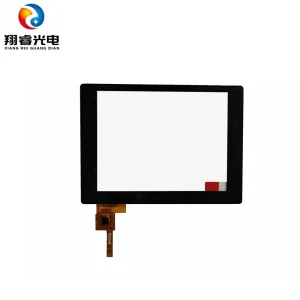
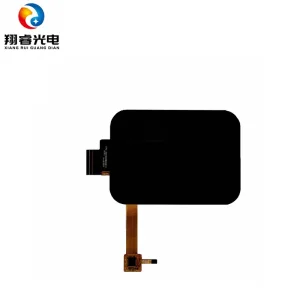
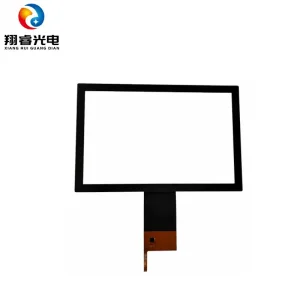
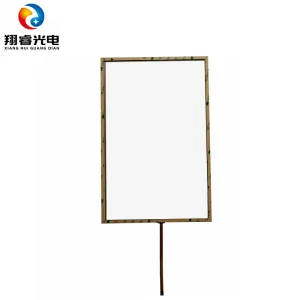
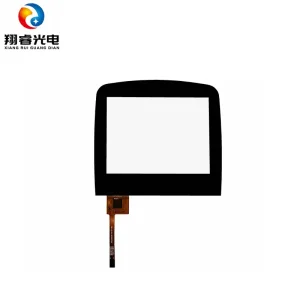
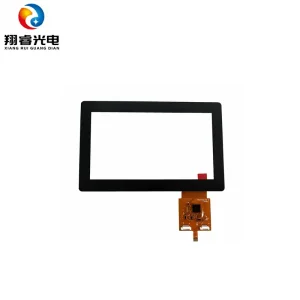
Explore our premium range of precision-manufactured resistive and capacitive touch panels engineered for rigorous enterprise environments.
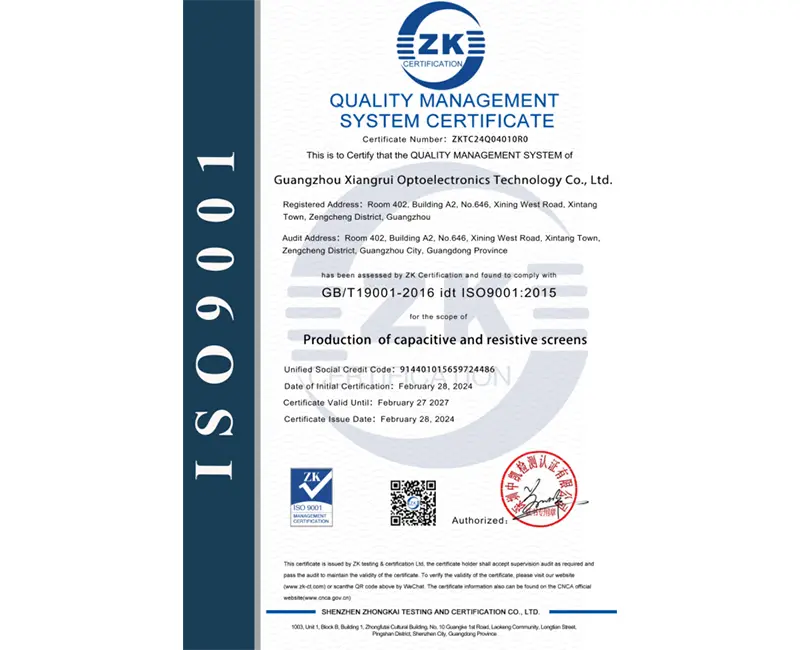
Founded in 2010 and located in the core optoelectronics hub of Guangzhou, China, we are a leading custom engineering enterprise dedicated to the research, development, assembly, and service of high-reliability resistive touch panels, projected capacitive touch panels, cover glass customizations, and state-of-the-art optical module bonding solutions. Our company has achieved strict alignment with global quality frameworks, holding validated ISO 9001:2015 and ISO 14001:2015 certifications.
We pride ourselves on offering comprehensive turn-key OEM and ODM solutions. Our high-performance touch screen interfaces are widely deployed in challenging application landscapes, including robust industrial automation HMIs, FDA-compliant medical instrumentation, high-durability kitchen and smart home appliances, rugged outdoor marine electronics, and secure palm-print recognition smart payment terminals.
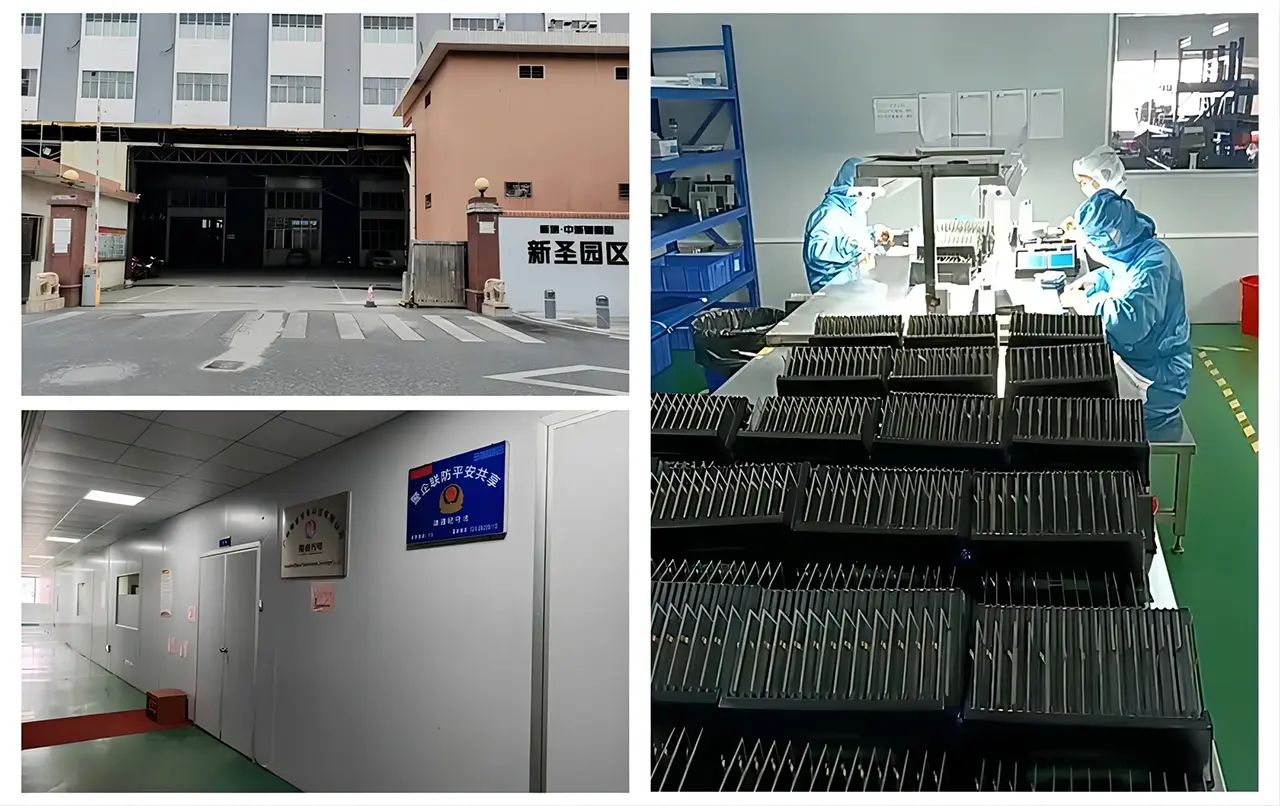
Deep-dive analysis of our engineering capability, materials selection, and localized support parameters.
We operate specialized LOCA (Liquid Optically Clear Adhesive) and OCA (Optically Clear Adhesive) dry/wet optical bonding lines. This eliminates the air gap between the LCD panel and the touch overlay, preventing condensation, improving mechanical resistance, and maximizing contrast under direct sunlight.
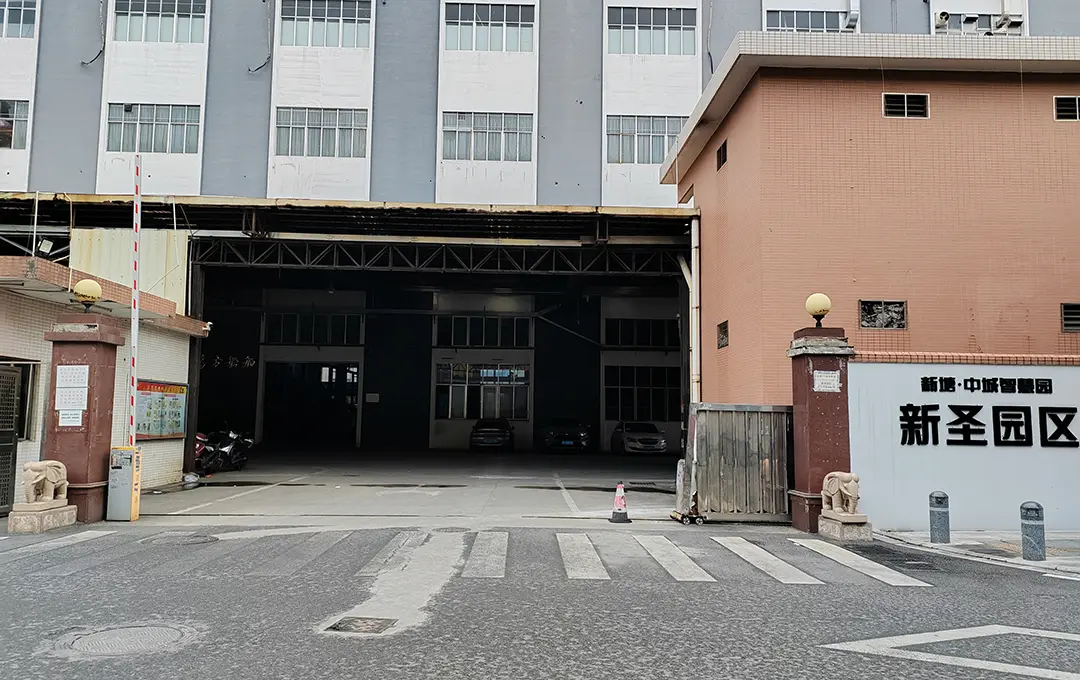
To meet the stringent particulate requirements of aerospace, automotive, and medical fields, our facility houses Class 100 to Class 10,000 dust-free isolation booths. This prevents micro-particulate defects from compromising ITO electrical circuits or optical clarity.
Every design variant undergoes thermal shock simulation cycling (ranging from -40°C to +85°C), high-humidity storage tests, electrostatic discharge (ESD) verification, and drop test verification to certify compliance with the highest industrial regulations.
An engineering resource on projected capacitive (PCAP) vs. analog resistive touchscreen architectures.
Procurement teams and product engineers face critical choices when specifying interactive touch controllers. The ambient physical environment, electrical noise thresholds, exposure to moisture, glove operation requirements, and budget constraints directly determine the ideal hardware configuration.
Mechanism: Operates based on pressure-activated contact between two conductive, transparent layers (typically Indium Tin Oxide - ITO) separated by small insulating spacer dots.
Strengths: Highly cost-effective; functions under any input method (fingers, heavy gloves, passive styluses, or metallic tools); impervious to airborne moisture, liquid splashes, or external electromagnetic interference (EMI).
Best For: Legacy manufacturing interfaces, rugged CNC machinery, portable clinical logistics devices, and environments with high ambient electrical noise.
Mechanism: Utilizes an embedded grid of micro-fine electrodes etched into the sensor layers. The human finger creates a localized capacitive coupling with the electric field of the grid.
Strengths: True multi-touch support (up to 10 points); highly optical transparency (>90% compared to resistive's 75-80%); exceptional scratch resistance (can be bonded behind 10mm tempered cover glass); long operational lifecycle.
Best For: Modern medical imaging, interactive outdoor kiosks, automotive infotainment, smart vending machines, and multi-user industrial consoles.
To guarantee clear legibility and physical durability in demanding environments, we offer customized chemical treatments for the cover glass:
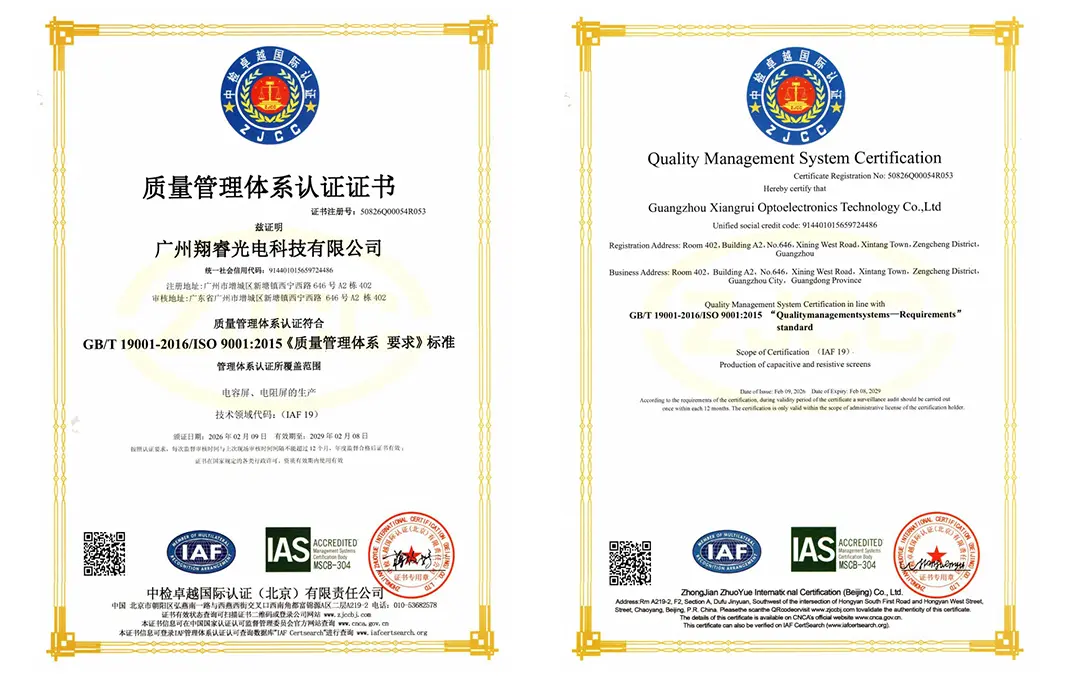
Located in the center of South China's high-tech manufacturing corridor, Guangzhou Xiangrui Optoelectronics leverages a localized material network. This allows us to source raw materials—including premium cover glass substrates (Corning Gorilla Glass, AGC Soda-Lime), PET films, ITO materials, and industrial controller ICs (EETI, ILITEK, Goodix, Microchip)—with minimal lead times.
Prototype-to-Production Agility: Unlike factories with rigid automation configurations, our flexible assembly systems allow us to process rapid custom prototypes alongside high-volume OEM production runs. This capability drastically reduces time-to-market for complex aerospace, defense, and custom hardware configurations.
Robust Quality Gateways: Our manufacturing flow operates under strict statistical process control (SPC). Each module undergoes automated optical inspection (AOI), high-precision capacitive mapping calibration, and individual unit functional testing prior to export.
An exploration of upcoming advancements in interactive display technology and how we are preparing for the next generation of hardware.
Modulating mutual-capacitance registers to function perfectly when coated in thick water films, saline solutions, and industrial oil slicks while keeping responsiveness intact even when operated through heavy industrial gloves (latex, neoprene, leather).
Embedding piezo-electric actuators within the touch module sub-assembly to generate localized physical vibrations when virtual buttons are pressed, reducing user entry errors in critical medical and industrial applications.
Integrating under-glass infrared camera sensors and localized capacitive mapping matrix arrays to enable dual-purpose touch screen control surfaces that scan palms for highly secure smart retail payment and facility access control systems.
Comprehensive engineering-focused answers regarding design, manufacturing protocols, and system integration.
Engineered to deliver exceptional mechanical performance, high optical clarity, and robust wear resistance.
 Xiangrui Optoelectronics