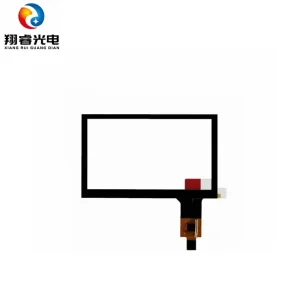
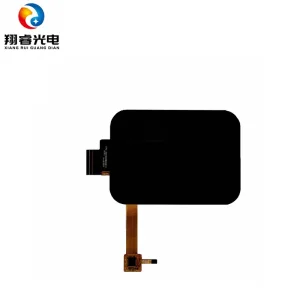
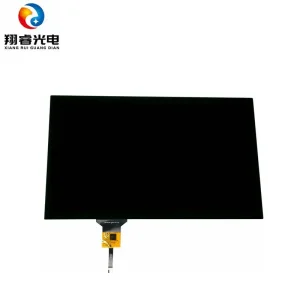
The global market for touchscreen LCD panels has transitioned from standard commercial display monitors to highly specialized, ruggedized Human-Machine Interfaces (HMIs). Modern industrial, medical, and aerospace systems demand tactile accuracy under environmental stressors—ranging from extreme thermal fluctuations to intense electromagnetic interference (EMI). Today, touchscreen panels are not merely input interfaces; they are critical functional layers that shield sensitive liquid crystal displays (LCDs) while providing reliable system control.
According to global supply chain indices, the integration of projected capacitive (PCAP) and advanced analog-matrix resistive touch controllers has spiked significantly. Sectors such as digital healthcare, automated retail (including palm print recognition interfaces), and high-reliability industrial controls require multi-touch capabilities, anti-glare (AG) or anti-reflective (AR) glass treatments, and strict compliance with IP65-to-IP69K sealing standards. For design engineers, sourcing components is no longer just about pixel density; it is about chemical durability, optical clarity, and electrical noise resistance.
SEO Insight & Technical Verdict: Modern system integration requires a holistic understanding of how sensor patterns (ITO), controller firmware tuning, and cover glass thickness interface with each other. Selecting the appropriate touch sensor stack ensures functional reliability in heavy rain, under glove-operation, and in high ambient light settings.
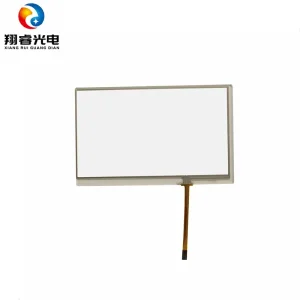
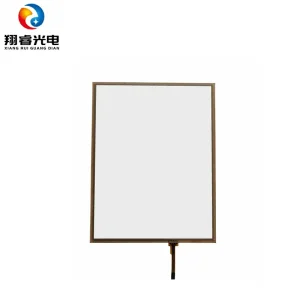
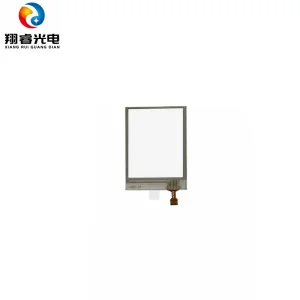
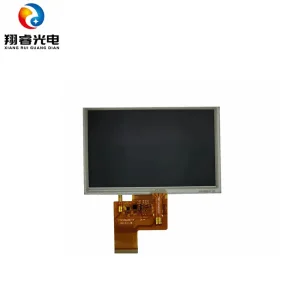
Pressure-activated and resilient. Ideal for high-vibration systems where input verification with thick gloves or styluses is required. Impervious to water droplets, chemical splashes, and electrical EMI spikes.
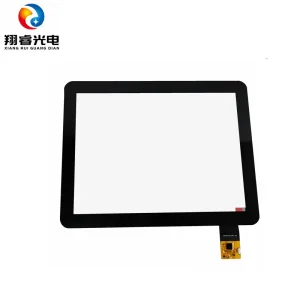
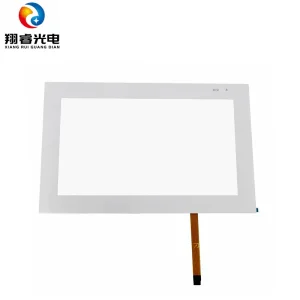
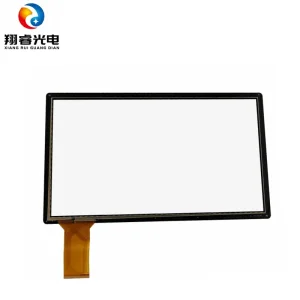
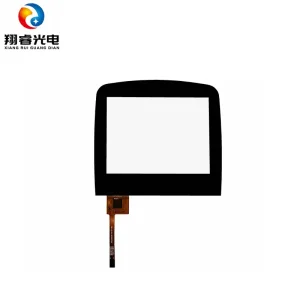
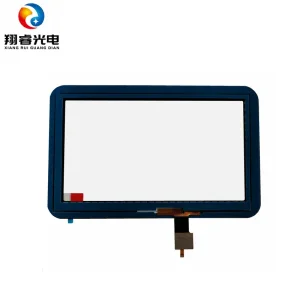
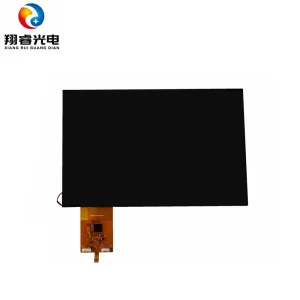
Supports multi-touch gestures up to 10 points. Protected by chemically strengthened cover glass (7H Mohs rating). High optical transparency (>90%) makes it the standard for sunlight-readable systems.
Replacing standard double-sided tape air-gaps with index-matched optical adhesive (LOCA/OCA). This eliminates internal reflections, dust condensation, and drastically improves impact resistance.
Founded in 2010 and based in Guangzhou, China, we are a high-technology manufacturing enterprise dedicated to the research, development, production, and service of top-tier resistive touch panels, capacitive touch panels, cover glass, and module optical/frame bonding systems. We supply highly customized OEM and ODM solutions to companies worldwide, engineering products capable of thriving in demanding operational environments.
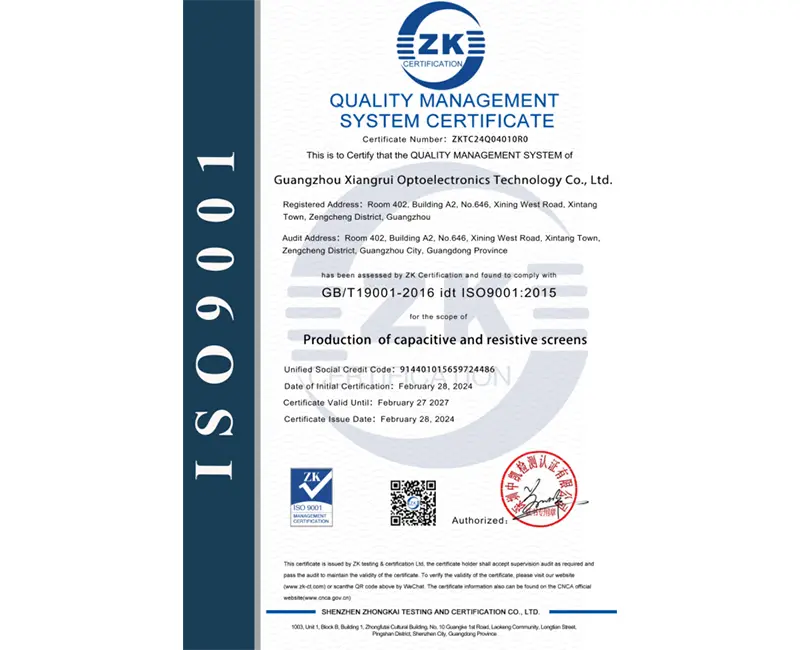
Our operation is certified to ISO 9001:2015 Quality Management and ISO 14001:2015 Environmental Management standards. As a recognized High-Tech Enterprise in Guangdong Province since 2022, we back our manufacturing processes with over 30 utility model and invention patents. We control every stage of production—from sensor coating to automated cover glass laminating—ensuring that our products meet strict quality benchmarks before they ship.
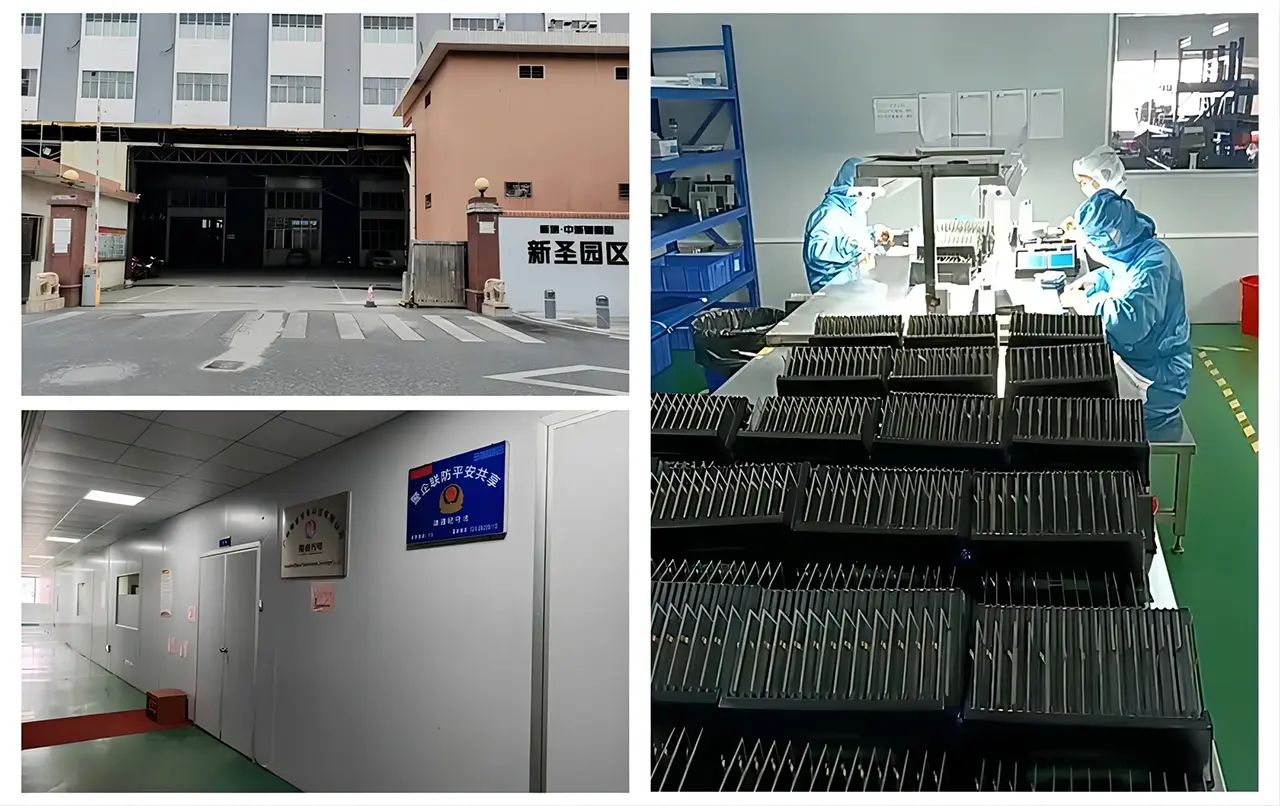
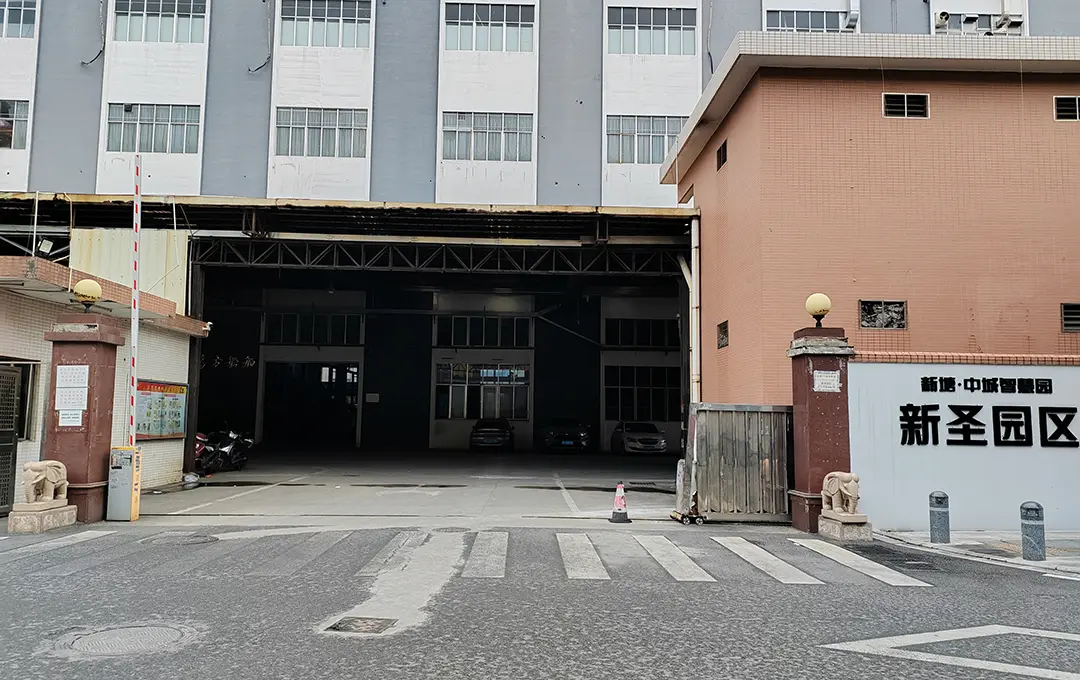
Dust is the primary enemy of optical lamination and sensor yields. Microscopic particles trapped between layers can cause visual defects and capacitive anomalies. To prevent this, our 3,000-square-meter facility (situated within a larger 10,000-square-meter campus) features specialized cleanrooms:
By controlling moisture, temperature, and airborne particle counts, we ensure that every touch sensor maintains high signal integrity and optical clarity.
For factory settings where grease, moisture, and vibrations are present, our wide-temperature touchscreens operate reliably. The thick cover glass offers mechanical protection while maintaining high input accuracy.
Engineered to comply with medical standards. These panels support multi-point inputs with latex or surgical gloves and withstand frequent chemical disinfection and washdowns.
Designed for variable environments. We incorporate high-brightness backlights, UV-blocking films, and optical bonding to prevent fogging and ensure readability in direct sunlight.
We supply high-transparency capacitive touch sensors optimized for point-of-sale (POS) systems, biometric scanners, and public kiosks requiring high durability and response speeds.
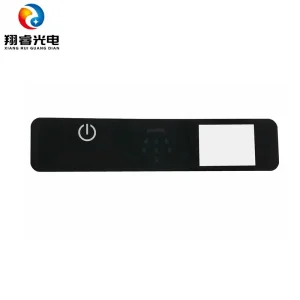
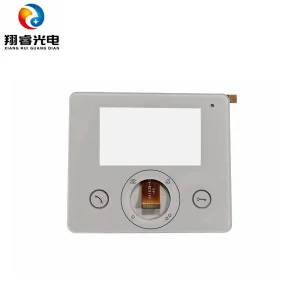
Integrating touch interfaces into modern home appliances. We offer customized, silk-screened cover glass layouts that match smart home design aesthetics.
Tested and verified to comply with CE, FCC, RoHS, and WEEE requirements. Our logistics infrastructure manages secure shipments to global manufacturing hubs.
As standard touch interfaces mature, manufacturers focus on reliability under harsh environmental conditions. The current trend is driven by three main engineering developments:
1. Electromagnetic Compatibility (EMC): With the expansion of high-voltage industrial machinery and high-speed wireless networks, touchscreen controller ICs (such as EETI, Ilitek, and FocalTech) must filter out EMI. Our hardware R&D group programs custom firmware to ensure touch panels register intentional tactile contact while ignoring ambient electrical noise.
2. Advanced Cover Lenses: From soda-lime glass to chemically strengthened aluminosilicate, cover glass must protect the underlying display. We offer customizations including chemical etching (AG), vacuum physical vapor deposition (AR), and anti-fingerprint (AF) oleophobic coatings.
3. Optical vs. Tape Bonding: While air-gap bonding remains a cost-effective option for indoor monitors, optical bonding using liquid optically clear adhesive (LOCA) or dry film OCA provides superior visibility and robustness in outdoor or high-moisture environments.
When sourcing touchscreen panels from Chinese factories, engineering managers should evaluate more than unit prices. The total cost of ownership depends heavily on field reliability, integration compatibility, and component lifecycle longevity. Consider these three critical factors during qualification:
Ensure the supplier can provide actual test reports for operational temperature limits (typically -30°C to 80°C for industrial panels). Check impact protection certifications, such as IK08 ball drop tests, and verify IP ratings. The touch assembly must be designed to withstand dust ingress, direct water jets, and corrosive exposure.
A capacitive touchscreen's performance relies heavily on its controller IC tuning. Request controllers configured for water rejection, multi-finger input tracking, and gloved operation. Your supplier should provide accessible APIs and drivers compatible with Windows, Android, and Linux kernels.
Inspect the supplier's ISO certifications, testing laboratory equipment, and quality control systems. A reliable manufacturer will offer traceable test documents for optical transmittance, electrostatic discharge (ESD) resistance, and MTBF (Mean Time Between Failures) ratings.
OCA (Optically Clear Adhesive) uses a dry, double-sided film pre-cut to the display size, ideal for flat designs and high-throughput production. LOCA (Liquid Optically Clear Adhesive) uses a liquid UV-curable resin, suited for curved surfaces, large-scale panels, and designs with varying surface steps. Both options eliminate air gaps to reduce reflection, exclude moisture, and improve impact strength.
Water is conductive and can mimic a human finger touch on standard capacitive controllers. Our touchscreens utilize controllers programmed with water-rejection algorithms. The firmware differentiates between localized contact and a uniform liquid layer, ensuring stable touch input even when water drops are present on the surface.
We offer customization of the cover glass thickness (ranging from 0.55mm to 10mm), chemical strengthening, custom PMMA/polycarbonate materials, custom screen printing (logos, borders, icons), and surface treatments like Anti-Glare (AG), Anti-Reflective (AR), and Anti-Fingerprint (AF).
Custom prototype design and sample production generally take 2 to 3 weeks, depending on the complexity of the cover glass and sensor layout. Mass production runs typically take 3 to 4 weeks following sample approval, managed under our ISO-certified production systems.
Yes, resistive touchscreens remain widely used in industrial, medical, and military applications. Because they are pressure-activated, they work reliably with any input device, including heavy gloves, styluses, and pens. They are also highly resistant to electromagnetic noise, spray water, dust, and cost less to implement in industrial systems.
 Xiangrui Optoelectronics