High-reliability capacitive and resistive modules designed for medical, industrial control, smart appliances, and marine environments.
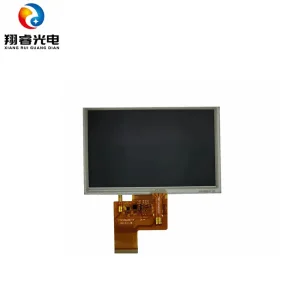
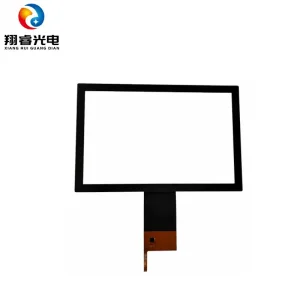
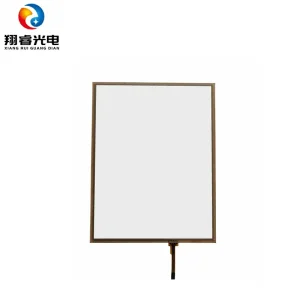
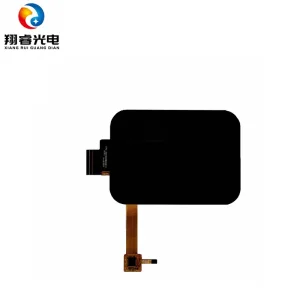
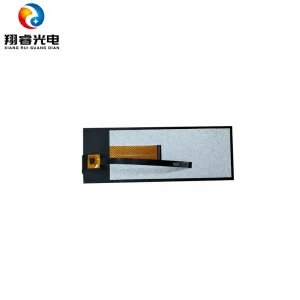
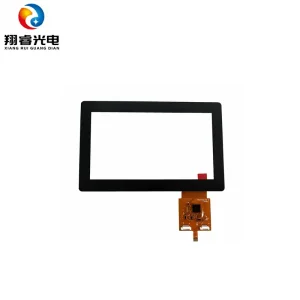
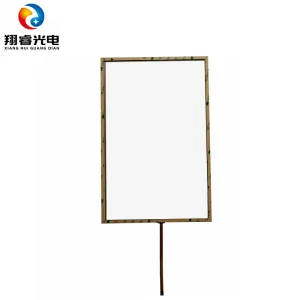
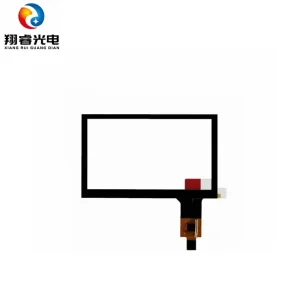
In modern industrial design, the human-machine interface (HMI) serves as the primary touchpoint between complex machinery and users. Selecting the right touch display solution goes beyond screen size—it requires a deep understanding of sensor technology, cover glass resilience, controller IC programming, and manufacturing environments. This whitepaper analyzes the technology, global procurement landscape, and key variables that determine high-performance touch implementation.
The global market for projective capacitive (PCAP) displays is growing rapidly, driven by automation in factories, digitalized medical clinics, smart city kiosks, and specialized automotive cabins. While resistive screens continue to serve niche legacy markets due to their pressure-activated mechanisms, capacitive sensors have become the standard for multi-touch, optical clarity, and mechanical durability.
Procuring companies face a balance between performance specifications and cost. The supply chain relies heavily on raw materials like ITO (Indium Tin Oxide) film, micro-controllers (from vendors like EETI, Ilitek, and FocalTech), and high-grade cover glasses (such as Corning Gorilla Glass and AGC). Because these components are sourced and assembled in close proximity, East Asian manufacturing clusters—particularly in South China—deliver unmatched production speed, integrated supply chains, and engineering flexibility.
"The shift toward Smart HMI requires touch panels that can withstand high temperatures, electromagnetic noise, and moisture without false touches. Custom cover glass treatments and fine-tuned controller firmware are essential for reliable operation."
Understanding which sensor technology fits your application is vital for product life cycles:
China-based OEM factories represent the center of gravity for capacitive display fabrication. Sourcing from specialized Chinese manufacturers like Guangzhou Xiangrui Optoelectronics offers several key advantages:
Founded in 2010 in Guangzhou, China, we are a dedicated manufacturer specializing in the research, development, production, sales, and service of resistive touch panels, capacitive touch panels, cover glass, and module optical/frame bonding solutions.
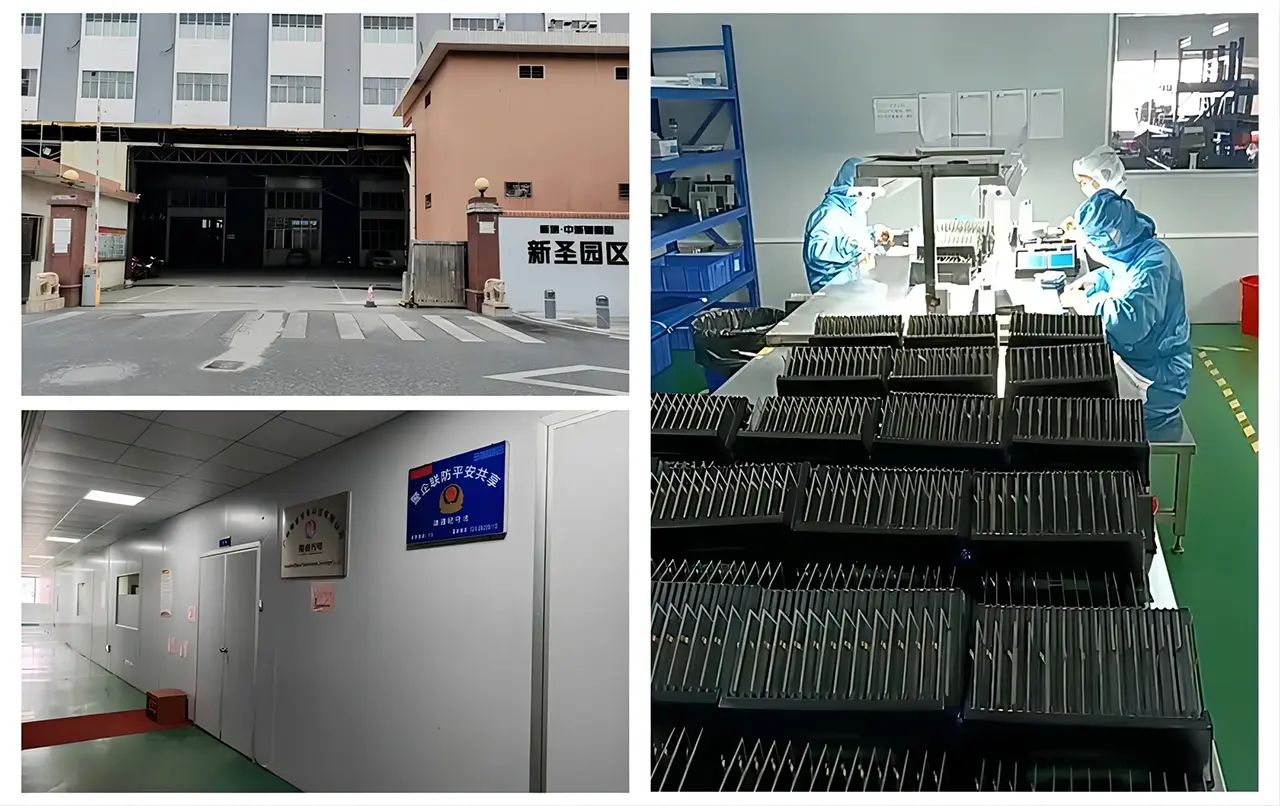
Our production footprint covers over 3,000 square meters of high-end manufacturing space, complemented by a broader facility group environment. Driven by quality, our facility features class 100, class 1000, and class 10000 dust-free workshops to meet the cleanroom requirements of various optical bonding and FPC bonding stages.
Xiangrui is recognized as a High-Tech Enterprise in Guangdong Province (2022). Supported by an experienced R&D team and a complete Quality Management Department, we hold over 30 utility model and invention patents. We provide customized, durable touch solutions for industrial systems, medical screens, home appliances, outdoor devices, and biometric palm-print payment interfaces.
A detailed comparison of capacitive and resistive structures to guide your system architecture decisions.
| Parameter | Projected Capacitive (PCAP) | Resistive Touch Screen | Optical Bonding (OCA/OCR) |
|---|---|---|---|
| Structure Options | Glass-Glass (GG), Glass-Film-Film (GFF) | Film-Glass (FG), Film-Film-Glass (FFG) | Direct liquid OCR lamination or dry OCA sheet |
| Optical Transparency | > 90% (Ultra-clear display output) | ~ 78% to 82% (Moderate transmission) | Reflectance reduced by 90%, luminance boosted 20% |
| Input Options | Finger, conductive stylus, thin gloves | Pressure-based: finger, heavy glove, any stylus | Corresponds to the touch layer utilized |
| Durability Rating | High; scratch-resistant cover glass (>6H) | Subject to outer film wear; scratch rating ~3H | Adds robust vibration dampening and impact buffer |
| Environmental Ratings | IP65, IP67 dust-water proof configurations | Standard water resistance, sensitive to temperature spikes | Prevents internal condensation and fogging |
Engineering precision requires standardized manufacturing workflows. We maintain high standards through the following processes:
Every manufacturing run undergoes high/low temperature testing, humidity storage checks, thermal shock runs, and ESD testing. Our cleanrooms feature precise dust filtering, automated static control, and humidity regulations to prevent particle contamination inside the laminated layers.
We support chemical glass tempering, custom shapes, edge beveling, silk-screen bezel printing, and advanced surface coatings. These processes deliver reliable displays for medical diagnostic gear, outdoor marine equipment, and smart appliances.
We offer both frame bonding (air bonding using precision die-cut adhesive rings) and optical bonding (wet OCR silicone and dry OCA film). Optical lamination eliminates the internal air gap, reducing reflection, preventing condensation, and maximizing light transmission under bright sunlight.
Broadening HMI boundaries with tailored screen layouts, small-format touch modules, and wide-temperature industrial components.
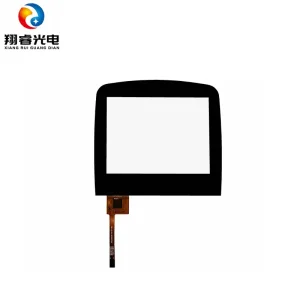
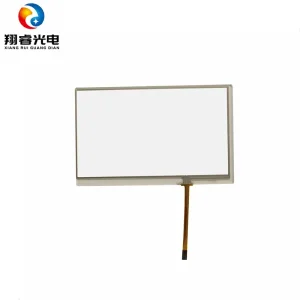
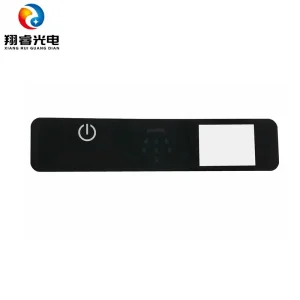
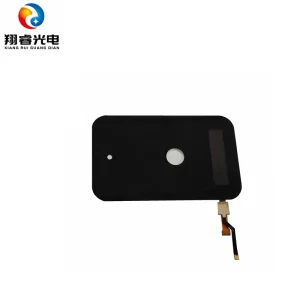
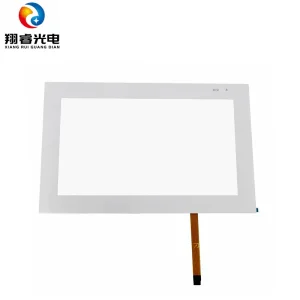
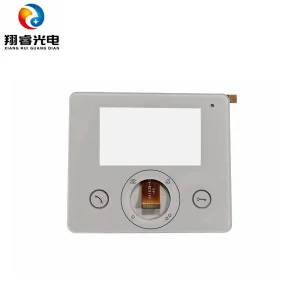
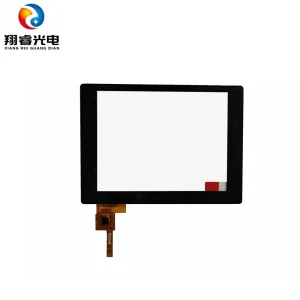
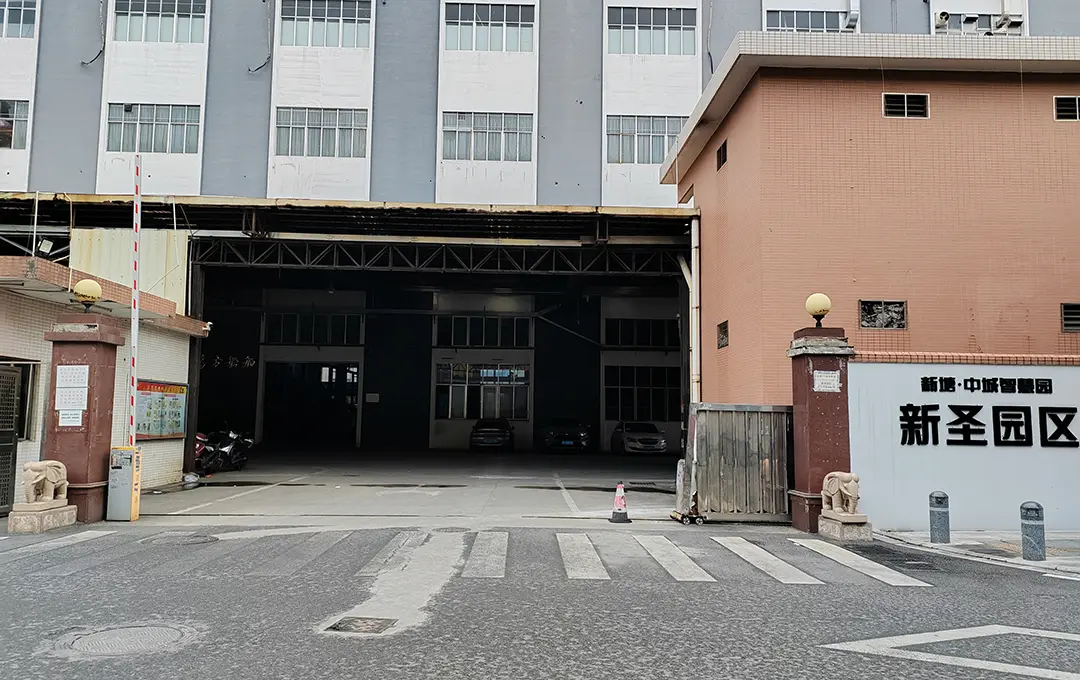
Reference Factory Operations Image Record:
Clear, direct answers regarding custom touch display configuration, manufacturing timelines, and technological capabilities.
MOQ varies depending on screen size and customization complexity. Standard modifications can start around 500 to 1,000 units. For specialized industrial configurations, we support low-volume pilot runs to verify alignment before full production.
Yes. By tuning the threshold firmware within the controller IC (e.g., EETI or Ilitek), we adjust electromagnetic sensitivity. This allows the screen to register inputs through thick gloves or filter out false touches caused by water droplets.
We provide Anti-Glare (AG) etching to diffuse reflections, Anti-Reflective (AR) optical coatings to improve clarity in high sunlight, and Anti-Fingerprint (AF) oleophobic coatings to resist grease and facilitate easy cleaning.
Optical bonding fills the air gap between the display panel and the touch sensor with a transparent optical adhesive (OCA/OCR). This eliminates light refraction, reduces screen glare, increases impact resistance, and prevents dust or moisture ingress.
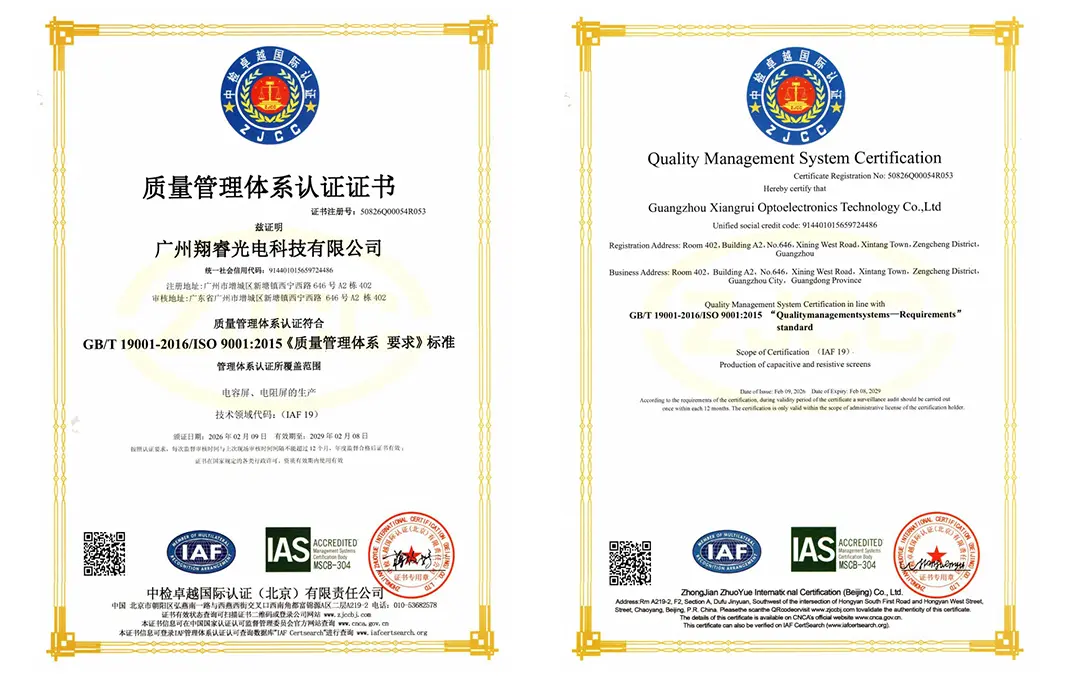
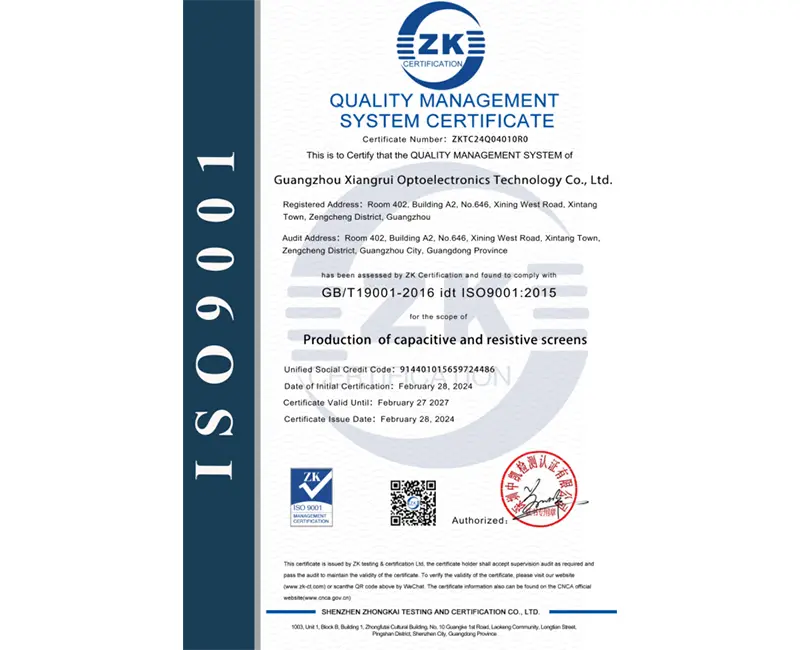
Yes. Guangzhou Xiangrui Optoelectronics is ISO 9001 and ISO 14001 certified. Our products comply with RoHS, CE, and FCC requirements, making them ready for seamless integration into global machinery and end products.
For custom cover glass designs or unique FPC configurations, the typical drafting and prototyping period is 2 to 3 weeks. Once drawings are approved, production tooling and sample fabrication are completed swiftly.
Discuss your HMI requirements with our technical team. Whether you need custom capacitive buttons, optical lamination, or IP65/IP67 rated glass solutions, we can provide a prototype optimized for your application.
Explore Product Range Xiangrui Optoelectronics