Precision-engineered human-machine interfaces optimized for durability, clarity, and industrial performance.
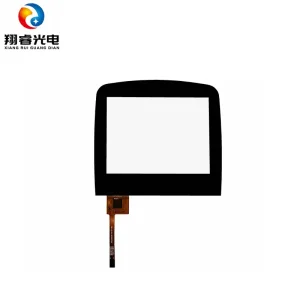
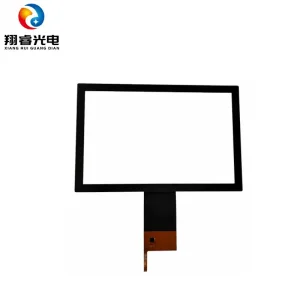
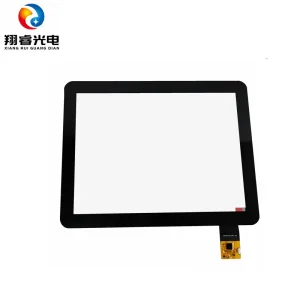
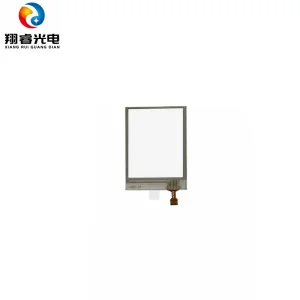
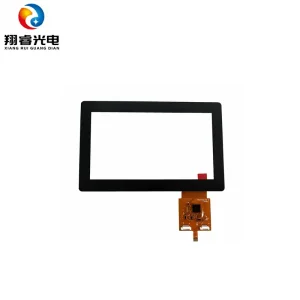
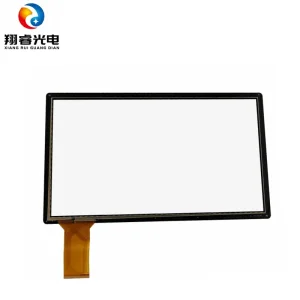
A comprehensive technical analysis of capacitive and resistive layer architectures for OEM procurement teams.
In modern industrial design, the choice of touch screen structures defines the usability, resilience, optical performance, and product lifespan of human-machine interfaces (HMI). System designers face critical decisions regarding substrates, electrode layers, shielding, and cover glass specifications. From medical ventilators that require absolute precision to rugged outdoor ticketing kiosks subject to harsh environmental stressors, selecting the correct stack-up architecture is paramount.
As a leading OEM touch screen structures manufacturer and supplier, Guangzhou Xiangrui Optoelectronics Technology Co., Ltd. delivers customized layer assemblies that mitigate standard pain points like electromagnetic interference (EMI), parallax distortion, optical degradation, and mechanical wear. Understanding the physics and engineering properties of these structures enables global enterprises to optimize product durability and tactile responsiveness.
Touch screen solutions are broadly split into two technological categories, each offering distinct advantages depending on the application context:
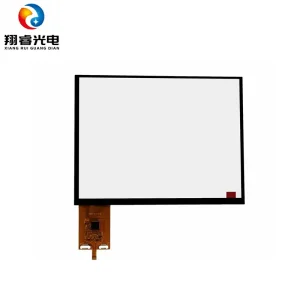
Features a cover glass chemically bonded to a glass sensor layer. G+G delivers superior optical clarity, exceptional durability (7H+ hardness), and thermal stability. Ideal for high-end medical screens, interactive public displays, and premium consumer kiosks.
Combines a rigid glass cover sheet with one or two layers of conductive PET film. This configuration results in thinner, lighter assemblies with excellent cost efficiency and flexibility, frequently utilized in handheld industrial terminals and smart home controllers.
Integrates the conductive sensor array directly onto the back of the cover glass, eliminating an entire substrate layer. OGS maximizes display brightness, minimizes parallax, and reduces total module thickness, commonly applied in compact smart devices.
Guangzhou Xiangrui Optoelectronics Technology Co., Ltd.
Founded in 2010 and based in the high-tech industrial hub of Guangzhou, China, we are an established enterprise dedicated to the research, development, production, and distribution of resistive touch panels, capacitive touch panels, cover glass, and complete optical module bonding products. We offer complete custom production cycles alongside tailored OEM and ODM services.
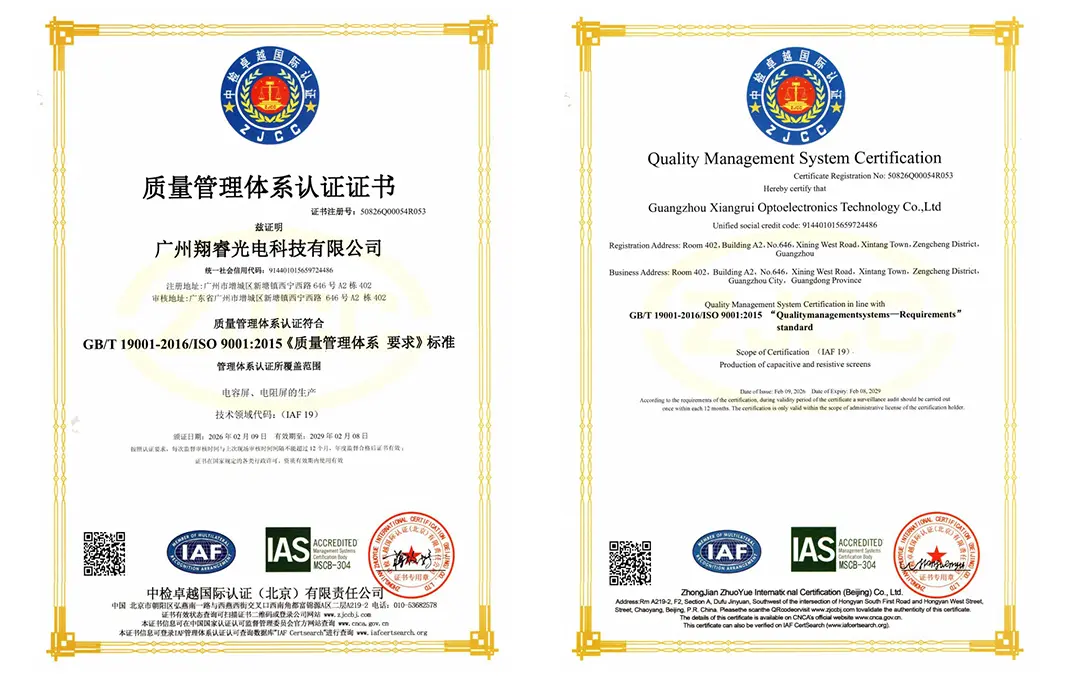
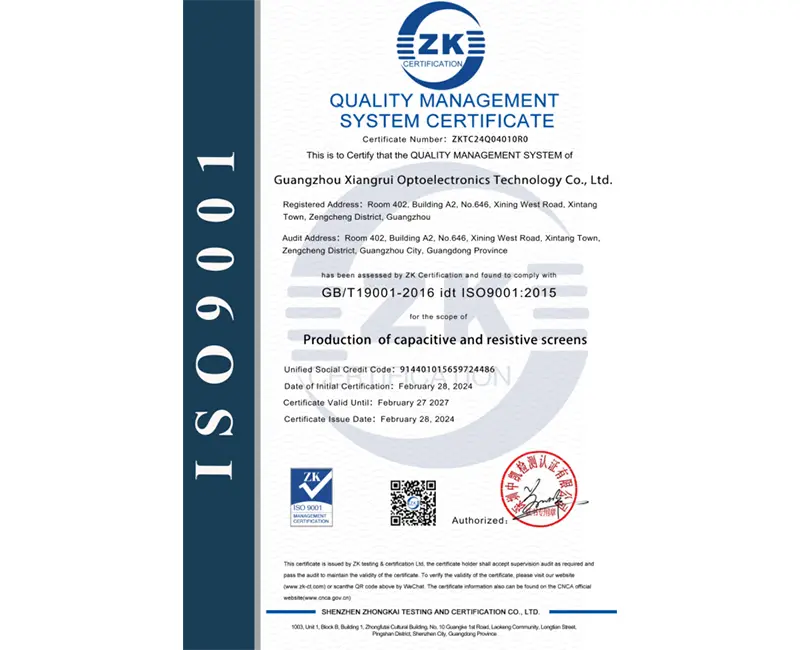
Our operations adhere strictly to international quality standards, holding ISO 9001 Quality Management and ISO 14001 Environmental Management system certifications. Driven by continuous technical innovation, our engineering team has secured over 30 invention and utility patents. Our products are exported to over 40 countries, serving sectors such as industrial controls, medical systems, smart home automation, high-performance outdoor devices, and biometric palm-print payment interfaces.
Evaluating design factors across heavy industry, medical platforms, and smart retail systems.
In the global market, touch screen performance requirements vary significantly by vertical. Consumer-grade electronics prioritize thinness and cost efficiency. Conversely, industrial applications require high reliability under continuous operation, exposure to water, mechanical vibrations, chemical cleaners, and wide temperature swings.
In industrial automation (HMI), touch panels operate in proximity to high-voltage equipment, requiring excellent electromagnetic compatibility (EMC). High-end controller architectures must prevent false touch events caused by EMI or water droplets on the surface. To address this, we integrate specialized controller ICs (such as EETI or Ilitek) that utilize advanced frequency-hopping algorithms and digital filters.
In the medical industry, hygiene protocols demand flat, gapless surfaces that resist corrosive disinfectants. Custom Glass-on-Glass (G+G) designs, completed with optical bonding, eliminate the air gap where moisture and pathogens can accumulate, facilitating easy sanitization while providing clear viewing angles for healthcare professionals.
For outdoor systems, including EV charging piles, gas station kiosks, and smart parking terminals, screens must withstand prolonged UV exposure and wide operating temperatures (-30°C to +85°C). Here, we employ wide-temperature liquid crystal layers combined with UV-blocking films and specialized cover glasses to prevent display degradation and thermal yellowing.
| Structure Profile | Typical Thickness | Optical Transmission | Impact Resistance | Primary Industrial Use Case |
|---|---|---|---|---|
| Glass-on-Glass (G+G) | 1.1mm to 10.0mm | >88% (up to 92% with AR) | Very High (IK08-IK10 rated) | Medical diagnostics, outdoor kiosks, marine controls |
| Glass-Film-Film (G+F+F) | 0.7mm to 2.0mm | >85% | Medium | Handheld terminals, smart home hubs, retail POS |
| One Glass Solution (OGS) | 0.5mm to 1.1mm | >90% | Medium-Low | Automotive instrument panels, aviation infotainment |
| Resistive (4/5-Wire) | 0.6mm to 3.0mm | 78% - 82% | Medium (Puncture sensitive) | CNC controllers, heavy logistics terminals, aerospace controls |
Evaluating Guangzhou's localized optoelectronic ecosystem and production efficiencies.
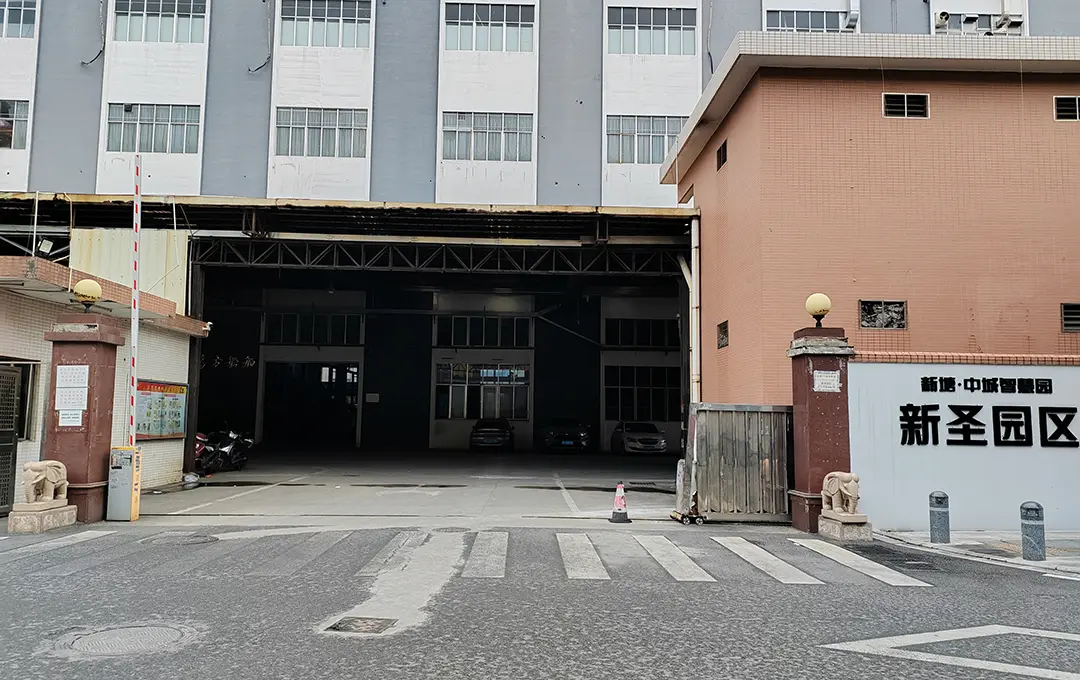
Guangzhou, a key hub within China's Guangdong province, is at the center of the global flat-panel display supply chain. Operating inside this ecosystem allows Guangzhou Xiangrui Optoelectronics to offer distinct supply chain advantages. Our proximity to premium raw material suppliers—including specialized glass sheet producers, ITO film coaters, and controller IC distributors—reduces lead times and logistics costs.
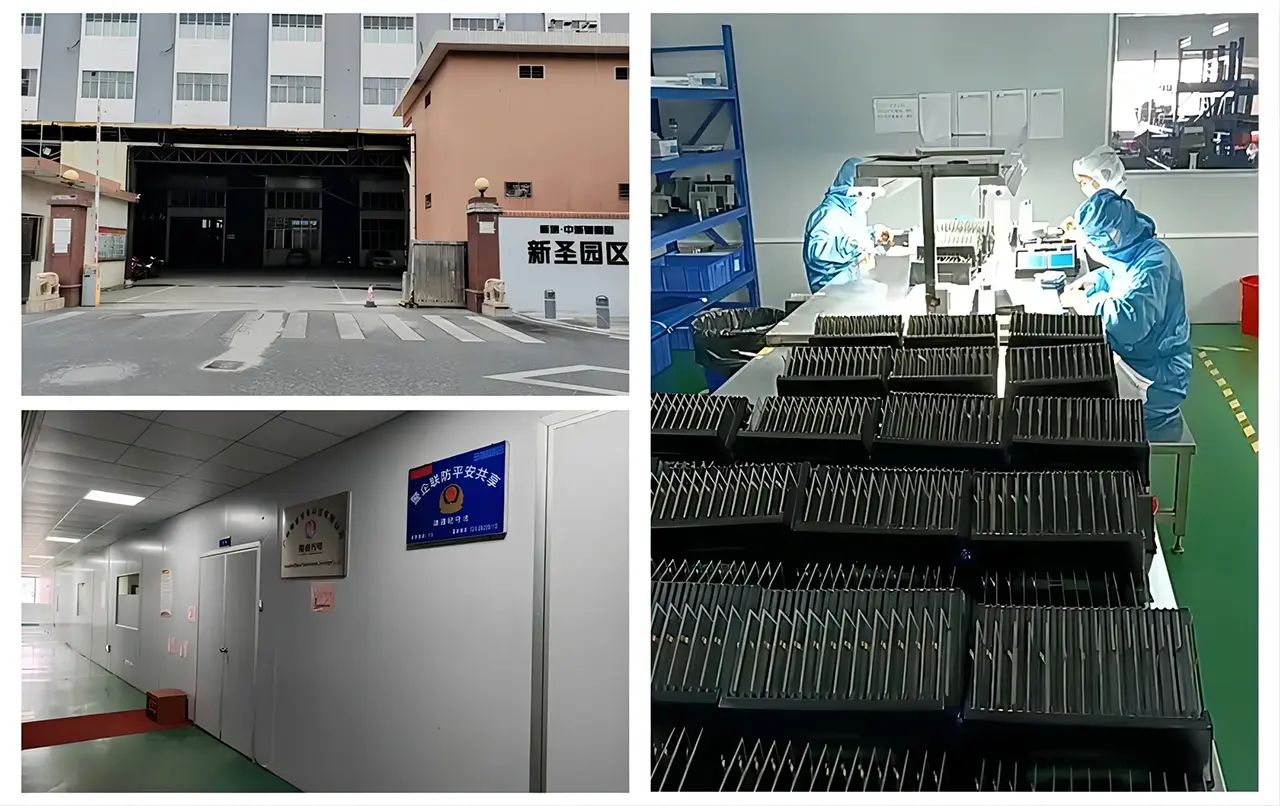
Our 3,000 square meter facility operates controlled Class 100, Class 1,000, and Class 10,000 dust-free cleanrooms. This environmental control is crucial, as even microscopic dust particles can cause display defects during the optical lamination phase. By utilizing automated lamination equipment, inline AOI (Automated Optical Inspection) systems, and laser etching systems, we deliver high yield rates and consistent quality.
Integrating chemical glass strengthening, CNC shape cutting, precision screen printing, sensor patterning, and optical bonding under a single roof minimizes the quality risks associated with outsourcing. This integrated manufacturing model enables agile prototyping, allowing us to deliver custom-engineered touch panels in weeks rather than months.
Innovative coatings, advanced bonding technologies, and next-generation glass treatments.
By replacing the internal air gap between the touch sensor and the LCD module with a clear adhesive (OCA or liquid LOCA), optical bonding eliminates internal reflections. This process improves contrast by up to 400% and prevents condensation and dust ingress, which is essential for sunlight-readable displays.
To optimize visibility in varied lighting conditions, we offer several cover glass coatings. Anti-Glare (AG) etching diffuses harsh light reflections; Anti-Reflective (AR) coatings minimize surface reflections to less than 1%; and Anti-Fingerprint (AF) oleophobic coatings repel oil and sweat, keeping screens clean.
Industrial machinery often generates significant electrical noise. We configure our controller assemblies (including USB, I2C, and RS232 interfaces) to operate reliably in electrically noisy environments. Our tuning process ensures that touch performance remains consistent, even when operators are wearing heavy work gloves.
How we partner with global OEMs to ensure smooth integration from specification to mass production.
Our engineering support team guides customers through each phase of development, translating project requirements into validated product designs. Our quality assurance systems verify that all materials comply with RoHS, REACH, and UL flammability standards, ensuring seamless integration into your final product assembly.
During the design phase, our engineers assist with mechanical integration, tail routing, bezel mounting, and optical matching. Whether your project requires an IP65 rated splash-proof front panel, a sunlight-readable marine display, or an impact-resistant interface for public systems, we optimize the design stack-up to balance cost, performance, and long-term durability.
Definition of touch technology, cover glass requirements, thickness, operating environment, and electrical interfaces.
CAD drawing sign-off, mask fabrication, prototype sensor patterning, CNC glass cutting, and sample assembly.
FPC signal tuning, noise filtering adjustments, environmental testing, and custom controller firmware programming.
ISO-compliant manufacturing in cleanroom environments, automated optical inspection, and final quality control checks.
Clear answers to common questions about touch screen structures, custom designs, and material choices.
A G+G (Glass-on-Glass) structure uses a glass sensor beneath a glass cover panel. This configuration provides high optical transparency, excellent stability, and high mechanical rigidity, making it suitable for demanding medical, industrial, and outdoor applications. A G+F+F (Glass-Film-Film) structure replaces the glass sensor with two layers of conductive PET film. While G+F+F assemblies are thinner, lighter, and more cost-effective, they offer slightly lower light transmission and are less stable in high-temperature environments.
Standard capacitive touch panels can experience false triggers when exposed to water, as water is conductive. However, we resolve this challenge by using advanced touch controllers (from suppliers like EETI or Ilitek) that feature water-rejection firmware. This technology distinguishes between a localized human finger touch and a wider water film, allowing the panel to function reliably in wet or humid environments.
Optical bonding fills the air gap between the touch sensor and the LCD module with an index-matching optical adhesive. This eliminates internal reflections, improving screen readability under sunlight. Additionally, it increases impact resistance, prevents condensation in humid environments, and keeps dust from settling behind the screen.
We offer three main surface treatments to optimize display readability: Anti-Glare (AG), which chemically etches the glass surface to diffuse reflections; Anti-Reflective (AR), which uses thin-film coatings to maximize light transmission; and Anti-Fingerprint (AF), an oleophobic coating that resists fingerprint oils and simplifies cleaning.
Our manufacturing processes are certified to ISO 9001 and ISO 14001 standards. All raw materials are fully trace-compliant. Production takes place in Class 100 to Class 10,000 cleanrooms, and each production run undergoes strict environmental testing—including thermal cycling (-40°C to +85°C), humidity exposure, impact testing, and ESD evaluation—to ensure stable long-term performance.
For industrial and medical environments where operators wear gloves, we tune the controller firmware to increase sensitivity. This adjustment allows the sensor to detect capacitive changes through latex, nitrile, leather, or heavy winter gloves. Alternatively, resistive touch panels can be used, as they rely on mechanical pressure rather than electrical capacitance.
Explore our wide-temperature, IP65-rated, and custom-tailored resistive touch solutions.
 Xiangrui Optoelectronics