Leading Touch Interface Innovation Since 2010
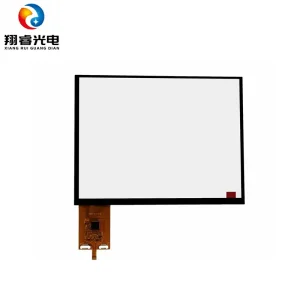
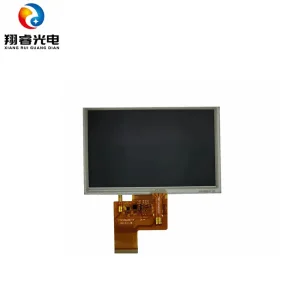
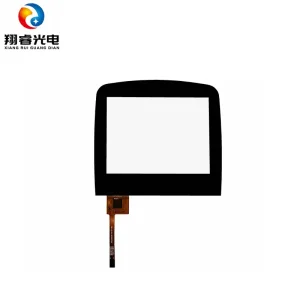
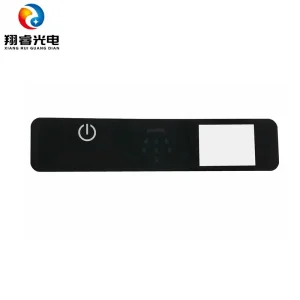
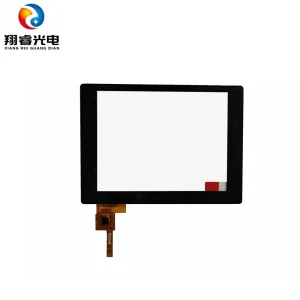
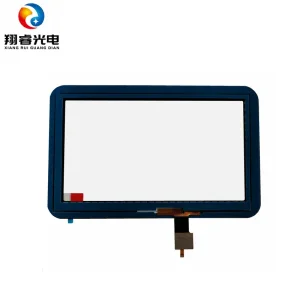
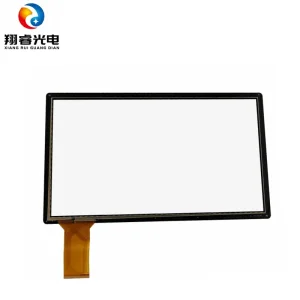
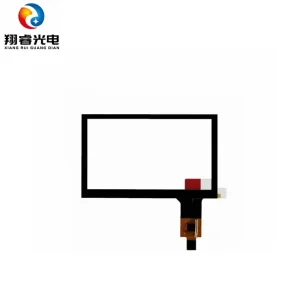
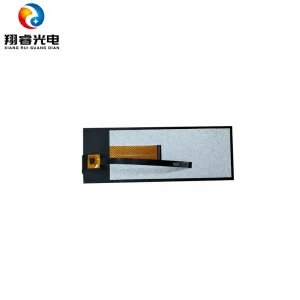
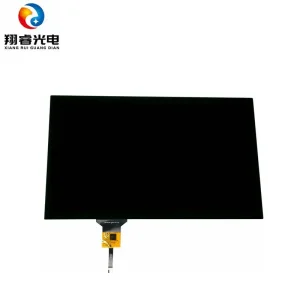
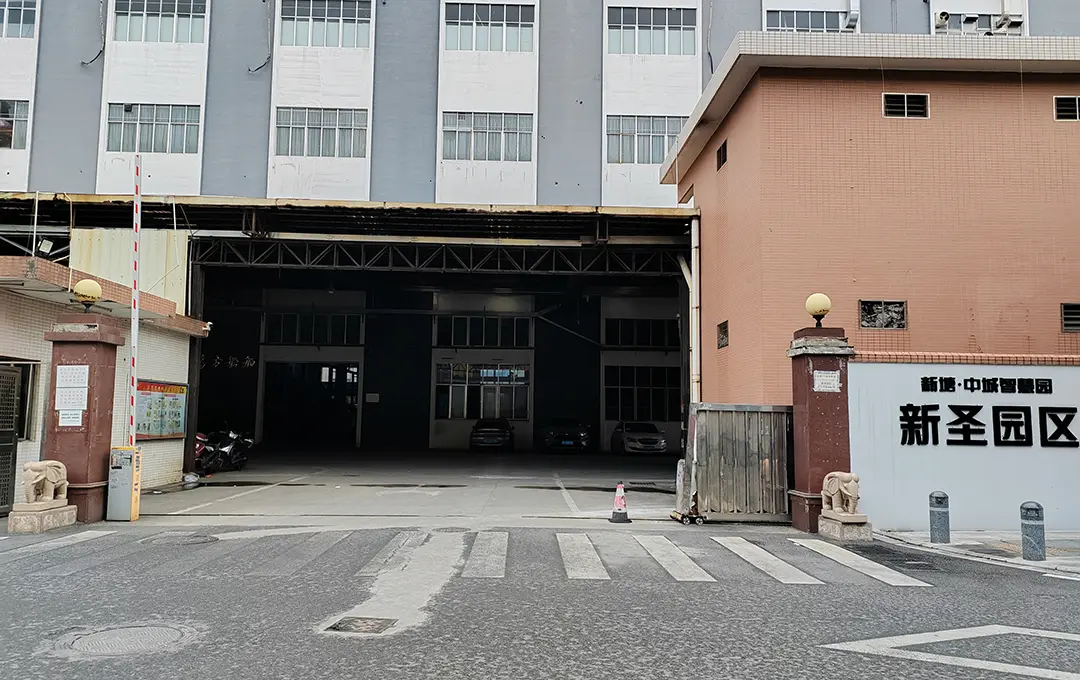
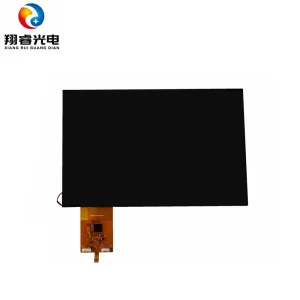
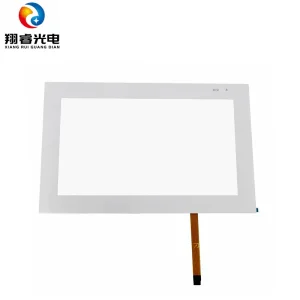
Founded in 2010 and located in Guangzhou, China, we are a professional enterprise dedicated to the research, development, production, sale, and service of resistive touch panels, capacitive touch panels, cover glass, and module optical bonding products. We offer high-quality customization, OEM, and ODM service structures for clients globally.
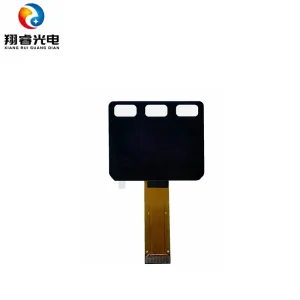
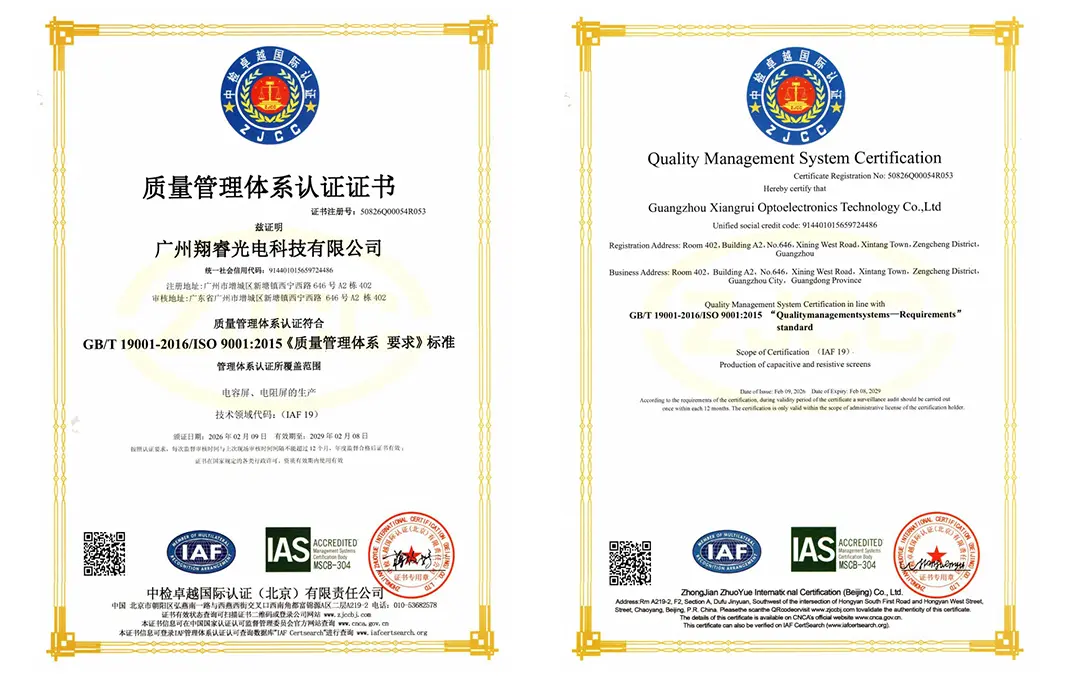
To ensure international product reliability, our company has secured ISO 9001 and ISO 14001 quality management system certifications. Our technologies are applied across high-demand verticals, including industrial controls, medical diagnostic equipment, advanced home appliances, smart home terminals, outdoor systems, and biometric/palm print recognition payment systems.
Procuring interactive display hardware is a multi-dimensional challenge for engineering and purchasing departments globally. When sourcing from an OEM touch sensor panel factory, specifications such as electrical noise immunity, surface resilience, and chemical resistance are critical parameters that dictate product lifespan and end-user satisfaction.
Modern touch interfaces are no longer mere commodity add-ons; they are crucial components in human-machine interaction. Buyers must look past headline pricing and analyze the Total Cost of Ownership (TCO). This includes evaluating sensor durability, glass edge finish treatments (such as C-chamfering or step-profiling), and FPC (Flexible Printed Circuit) shield trace layouts designed to mitigate electromagnetic interference (EMI).
Strategic Insight: Industrial controllers, outdoor terminals, and medical HMIs demand reliable touch performance under demanding environmental conditions. True OEM customization begins at the sensor level—optimizing ITO (Indium Tin Oxide) trace pattern pitch sizes and selecting target-specific controller IC solutions from leading partners such as EETI, Ilitek, and FocalTech.
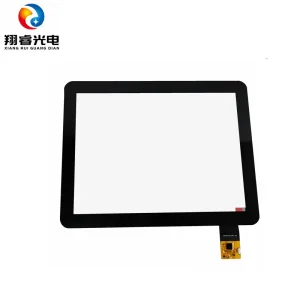
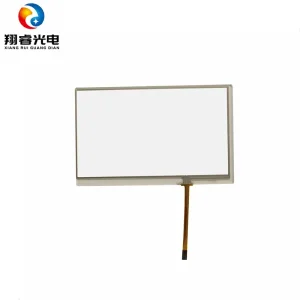
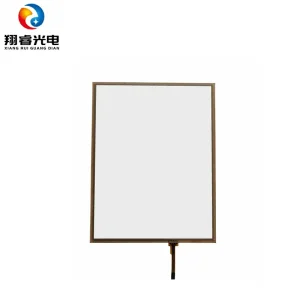
Choosing the correct sensor technology is pivotal for system performance. While Projected Capacitive (PCAP) sensors dominate consumer and high-end industrial systems due to multi-touch support and optical clarity, 5-wire analog resistive touch panels remain the industry standard for high-EMI environments, glove-only configurations, and cost-sensitive applications.
| Performance Dimension | Projected Capacitive (PCAP) Sensor | 5-Wire Resistive Sensor |
|---|---|---|
| Operating Principle | Electrostatic field alteration by human body capacitance. | Physical contact connecting two conductive ITO layers. |
| Optical Transmittance | >88% to 92% (dependent on optical bonding). | 75% to 82% (due to multiple film/glass layers). |
| Durability & Life Expectancy | Virtually limitless touches; front cover panel protected up to 7H hardness. | typically >10 million actuations at a single point. |
| Input Mechanisms | Bare finger, conductive stylus, thin surgical/nitrile gloves. | Any pointer object (stylus, gloved finger, tools). |
| Environmental Immunity | Needs fine-tuning for water rejection; highly resistant to chemicals. | Impervious to moisture, dust, and electrical noise. |
| Supported Interface Modes | I2C, USB, RS232, SPI. | 4-wire / 5-wire raw analog outputs via FPC. |
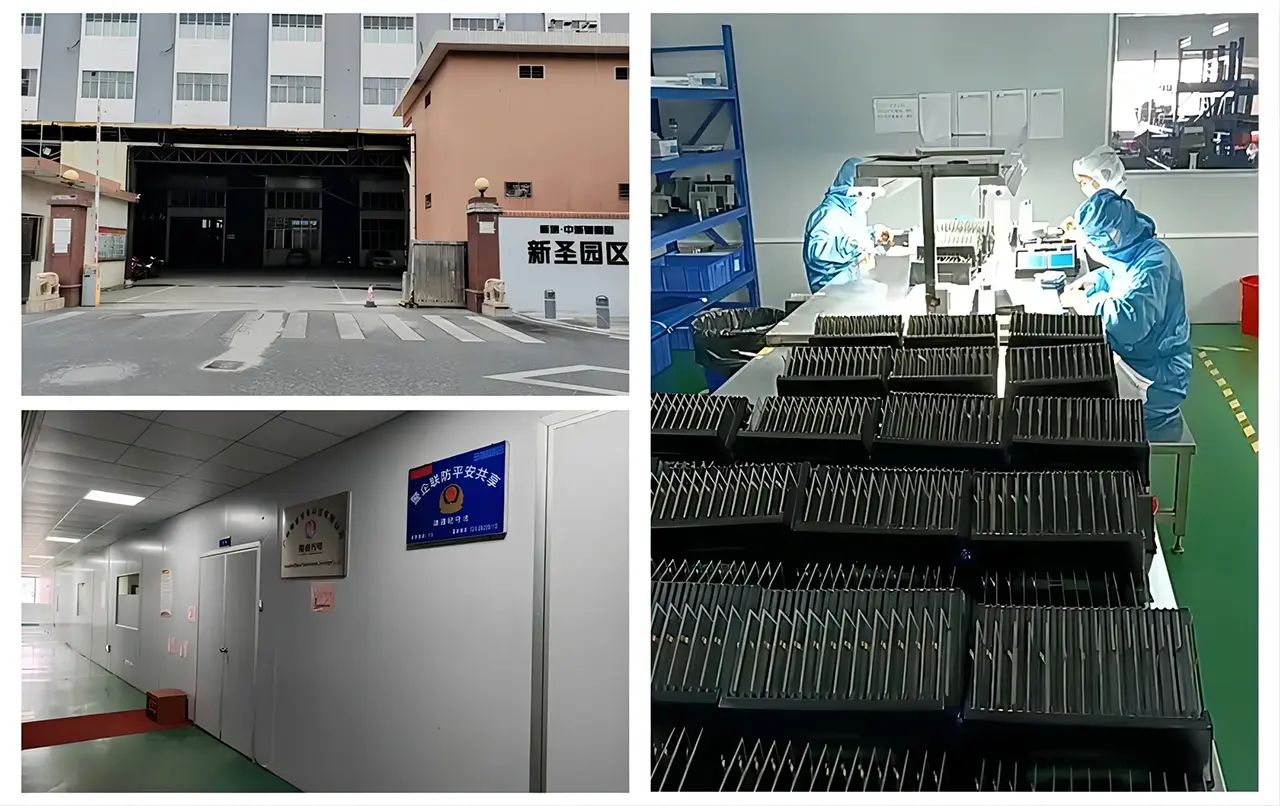
As a specialized factory, Guangzhou Xiangrui Optoelectronics Technology Co., Ltd. addresses these requirements by managing dust-free laminations and custom firmware configurations in-house. This ensures that PCAP modules run without false touches, even when subjected to water drops or conducted RF noise.
Designed for chemical resistance to harsh sanitizing liquids. Optical bonding eliminates air gaps, preventing moisture condensation and bacterial buildup under the cover glass, in compliance with ISO 13485 design guidelines.
Integrates high-brightness LCD matching with anti-reflective (AR), anti-glare (AG), and anti-fingerprint (AF) coatings. UV-blocking filters prevent sensor degradation from long-term exposure to direct sunlight.
Features thick cover glass configurations (up to 6.0mm) designed to meet IK08/IK10 impact standards. Advanced firmware tuning ensures error-free operation in high-vibration and electrically noisy industrial environments.
Through careful selection of cover-glass thickness, chemical tempering, and tailored ITO stackups, our team produces custom assemblies that operate in wide temperature ranges (-30°C to +85°C). These are suitable for deployment in automated production lines, petrochemical terminals, and modern point-of-sale systems.
In high-end display integration, the choice of bonding technology determines the screen's visual clarity and mechanical integrity. Air/frame bonding applies adhesive tape around the perimeter of the screen, creating an air gap between the touch sensor and the LCD. While cost-effective, this gap creates internal reflections, lowering readability under bright sunlight.
Optical bonding, utilizing Liquid Optically Clear Adhesive (LOCA) or dry sheet Optically Clear Adhesive (OCA), fills this gap. This process matches the refractive index of the glass and the LCD polarizer, reducing reflection from approximately 8% to less than 0.5%. Optical bonding also enhances mechanical impact resistance and prevents dust and moisture penetration, making it suitable for outdoor and high-durability environments.
Figure 1: Cleanroom lamination and optical alignment control processes.
To ensure high yield rates and reliability in industrial applications, our QA procedures monitor every phase of the manufacturing process. From raw material inspection to final functional testing, each step is documented for traceabilty.
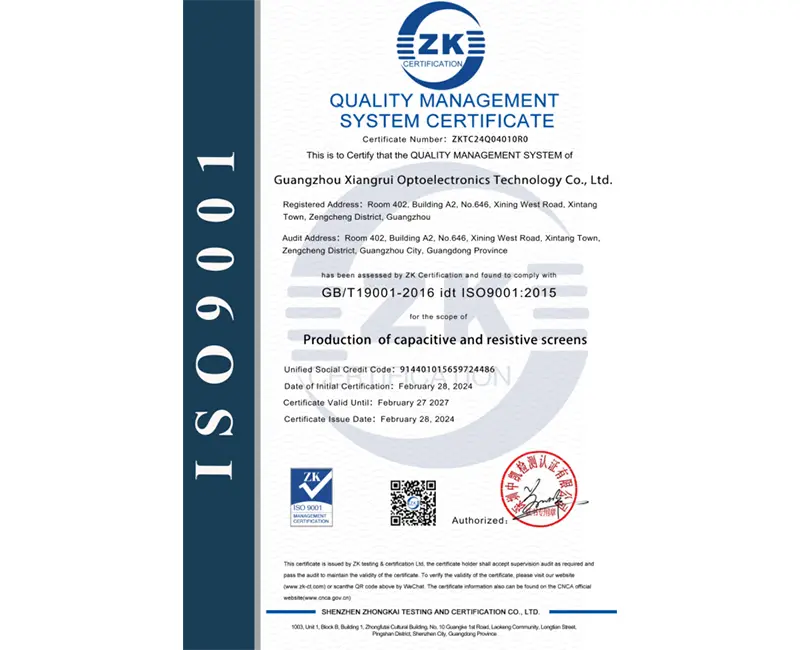
Figure 2: Quality inspection testing for sensor performance.
Human-machine interfaces (HMIs) continue to evolve. At Guangzhou Xiangrui Optoelectronics Technology Co., Ltd., we align our research and development with emerging industry trends to meet upcoming integration requirements:
Utilizing alternative conductive materials like metal mesh or silver nanowire to allow touch integration on curved surfaces.
Integrating localized physical vibration responses to improve operator precision in critical control tasks.
Developing integrated cover glass solutions that combine touch sensors, display elements, and peripheral bezels into a single component.
 Xiangrui Optoelectronics