Advanced touch display components optimized for medical grade displays, heavy-duty machinery HMI, and precision systems.
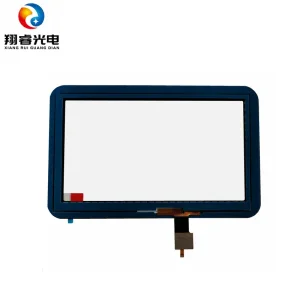
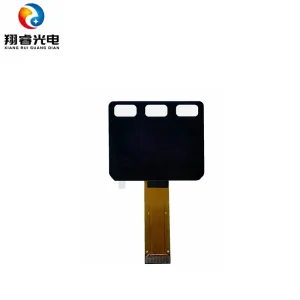
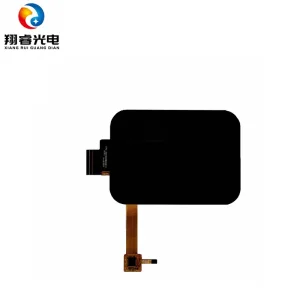
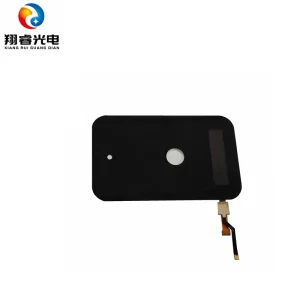
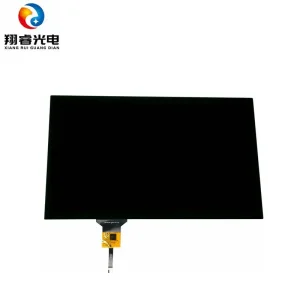
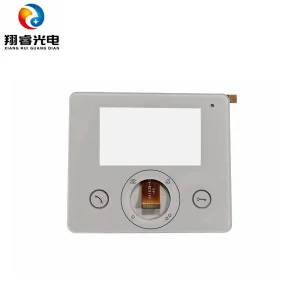
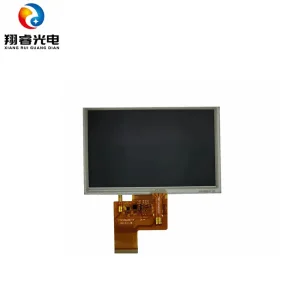
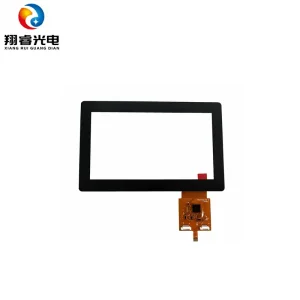
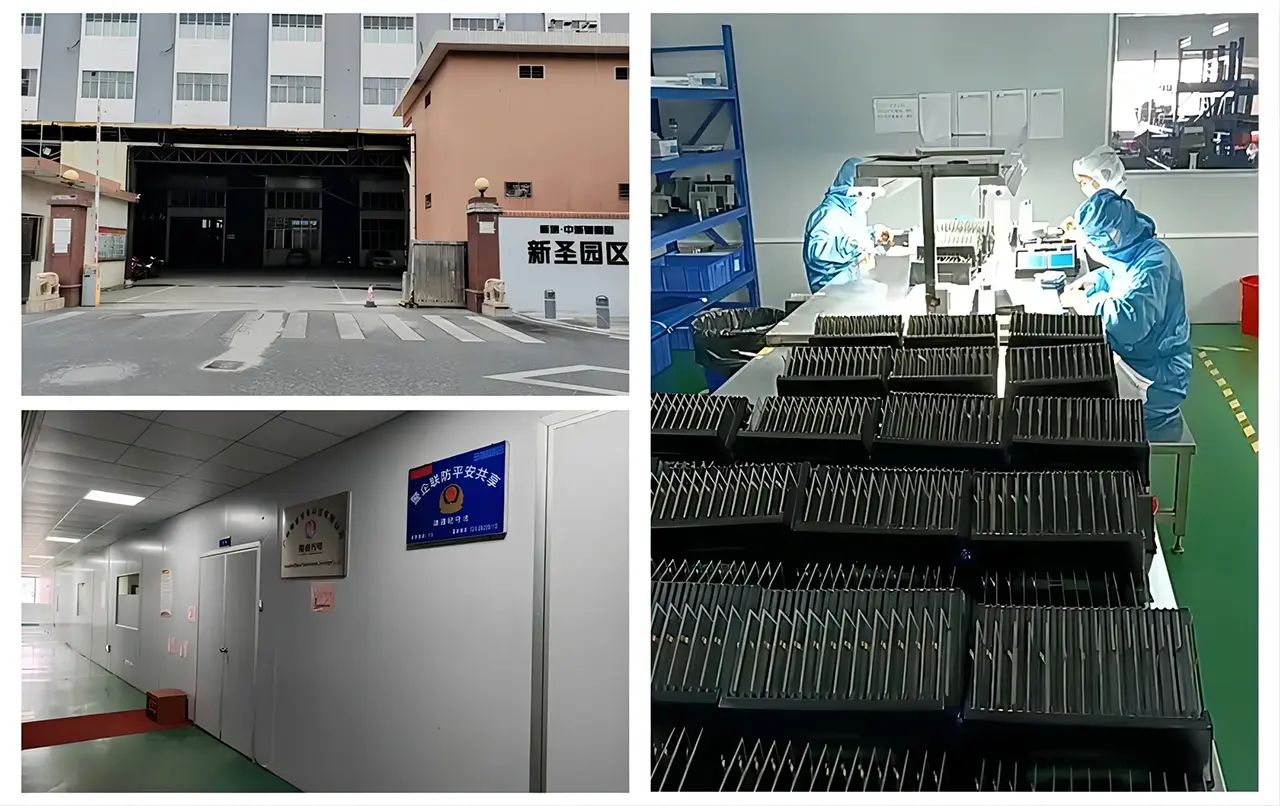
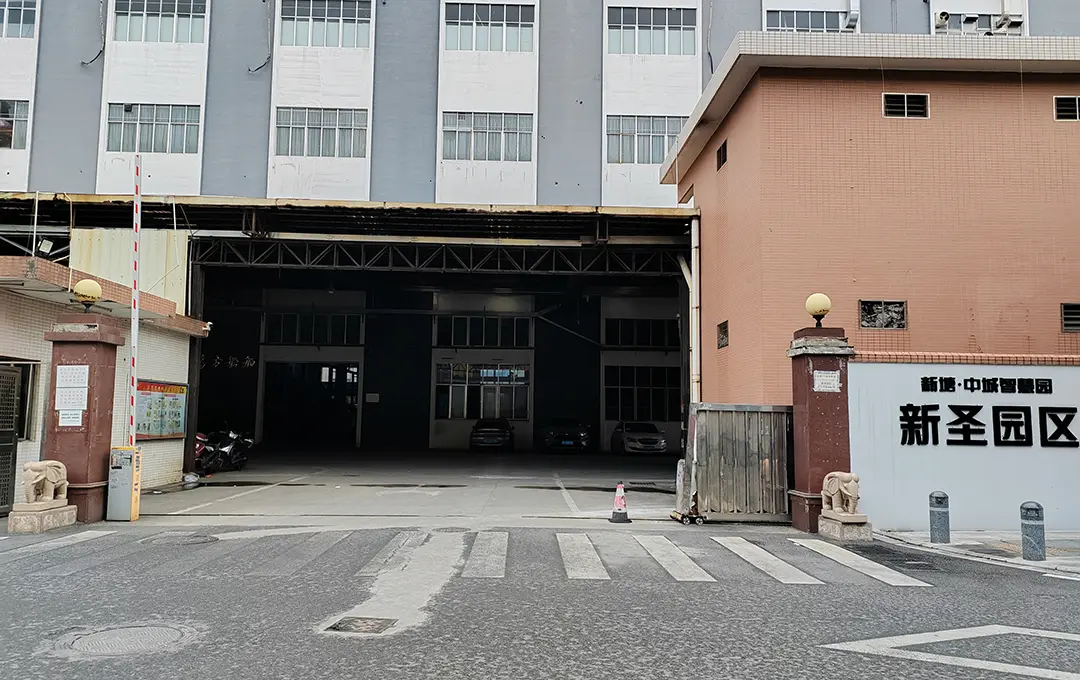
Founded in 2010 and located in Guangzhou, China, we are a professional enterprise dedicated to the research, development, production, sales, and service of premium resistive touch panels, projected capacitive touch panels, high-durability cover glass, and state-of-the-art display module optical bonding solutions. We supply highly tailored custom production for diverse touch overlay structures, alongside complete OEM and ODM industrial manufacturing services.
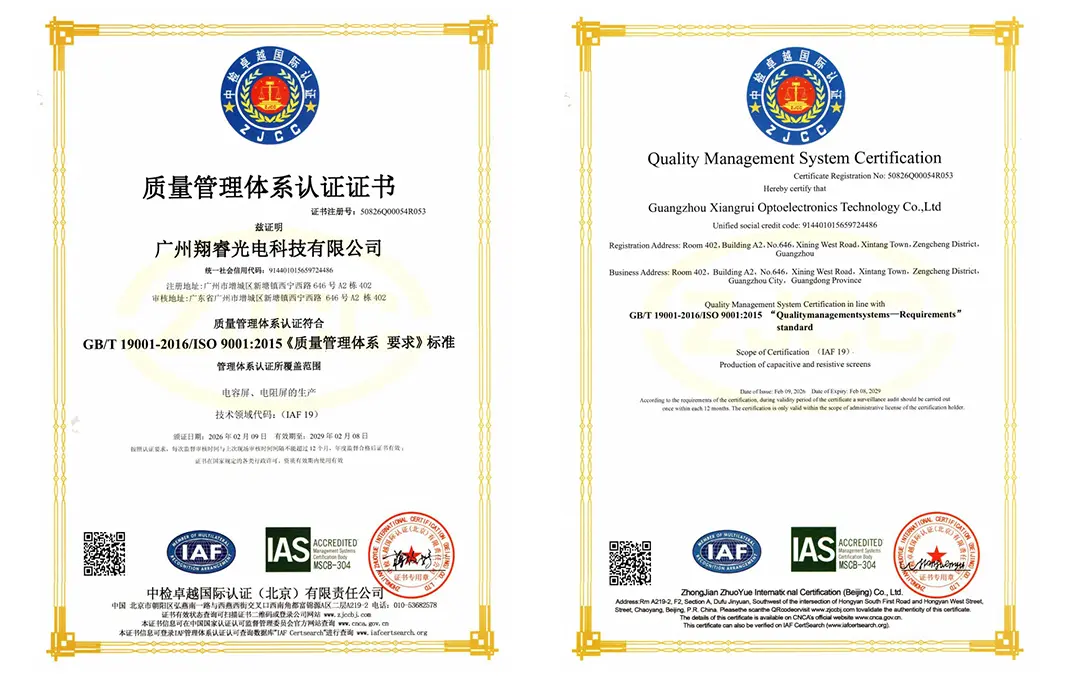
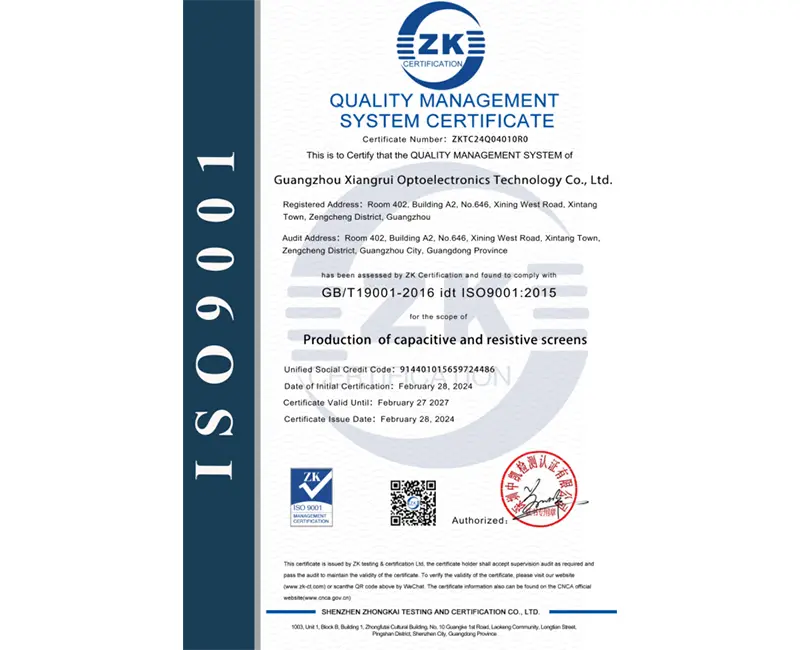
Our operation is built on deep technical knowledge and a customer-centric philosophy, enabling us to sustain high market competitiveness and support international industrial sectors with certified safety, reliability, and precision control. Our quality assurance frameworks are fully backed by accredited ISO 9001 and ISO 14001 certification, confirming strict adherence to global standards for all operations from material sourcing to final product assembly.
Capacitive touch panel manufacturing demands highly controlled environments to prevent micro-dust particles from compromising optical clarity or disrupting the electrical continuity of thin-film sensor circuits. Our plant features dedicated cleanroom workshops partitioned to align with strict manufacturing requirements:
Reserved for high-precision sensor lamination and critical optical bonding (OCR/LOCA) operations where zero-tolerance dust conditions are essential.
Optimized for cover glass alignment, FPC soldering, and intermediate sensor assembly processes.
Dedicated to initial testing, frame assembly, final quality assurance inspects, and clean-packaging lines.
By employing automated optical bonding lines, precise laser etching machinery, and advanced environment sensors, we ensure that every single multi-touch USB capacitive panel operates with high optical transmission, low reflection, and long-term durability under varying temperature ranges.
We are committed to collaborative development, transparent operations, and rigorous quality standards, maintaining active partnerships with leading global enterprises and well-known industrial manufacturers.
Understanding the architecture, driver requirements, and hardware design considerations for industrial touch screens.
Modern industrial PCs and single-board computers require immediate, driver-free configuration. Our USB capacitive touch panels utilize standard USB Human Interface Device (HID) class protocols. Supported systems—including Windows 10/11, Linux distributions, Android OS, and macOS—identify the touch sensor automatically, eliminating the need to compile custom kernel drivers.
To operate reliably in high-noise environments, we utilize premium industrial-grade controller ICs from EETI and ILITEK. These controllers provide high signal-to-noise ratios (SNR), support heavy glove touches, offer advanced water rejection algorithms (avoiding false touches in damp conditions), and provide robust electromagnetic compatibility (EMC) shielding.
For applications demanding high mechanical stability and optical performance, we utilize Glass-on-Glass (G+G) constructions. By bonding a high-strength cover glass to an ITO sensor glass layer using optically clear adhesive (OCA/LOCA), we deliver high light transmittance (>89%), Mohs hardness >7H, and high thermal resistance.
How the South China supply chain ecosystem enables cost-effective custom manufacturing and rapid product lifecycles.
Operating from Guangzhou, our facility maintains direct access to world-leading local supply hubs for raw cover glass, flexible printed circuits (FPC), controller chips, and OCA materials. This close proximity reduces raw-material lead times and lowers manufacturing overhead costs compared to Western producers.
Western touch screen providers often offer only standard sizes. Our engineering team specializes in deep customization: shaping irregular cover glass panels, applying specialized silk-screen graphics, cutting custom camera holes, and adapting FPC tail lengths to fit tight mounting chassis.
To combat harsh ambient light and contamination, we offer advanced glass surface treatments:
• Anti-Glare (AG): Acid etching reduces light reflection for clear outdoor viewing.
• Anti-Reflective (AR): Vacuum-sputtered coatings maximize screen contrast.
• Anti-Fingerprint (AF): Oleophobic coatings prevent fingerprint smudging.
When sourcing OEM capacitive USB screens, technical engineers and purchasing managers should prioritize several critical parameters to ensure long-term reliability and minimize system failures:
We support hardware design partners from initial design to mass production. Send your mechanical drawings (STEP/CAD) to configure:
Technical answers to common sourcing, integration, and engineering queries for capacitive touch systems.
USB HID (Human Interface Device) is a plug-and-play protocol natively supported by standard desktop operating systems like Windows and Linux, making it ideal for media terminals, POS displays, and industrial computers. In contrast, I2C (Inter-Integrated Circuit) is an chip-to-chip protocol suited for low-power, compact embedded systems like microcontrollers or ARM boards (e.g., Raspberry Pi). It requires custom driver integration and tail pin-out configurations, but consumes less system power and has a smaller physical footprint.
Capacitive sensors measure changes in electric charge. Water droplets on the glass surface can mimic finger touches, causing false inputs. We address this using industrial controllers from EETI or ILITEK, which feature advanced mutual-capacitance sensing algorithms. These algorithms differentiate between water droplets (which produce common-mode noise) and a user's finger (which produces a local differential signal), maintaining touch functionality even in wet conditions.
Yes. By adjusting the sensitivity thresholds and driver parameters of the controller IC, our touchscreens support operation with heavy latex, nitrile, leather, or thermal gloves. For custom projects, please specify the thickness and material of the target glove so our engineering team can calibrate the sensor sensitivity during the prototype phase.
Optical Bonding uses a specialized, clear adhesive gel to completely bond the touch panel directly to the LCD polarizer surface, eliminating the air gap between layers. In contrast, Frame Tape Fitting only applies adhesive tape along the outer borders, leaving an air pocket in the middle. Optical bonding reduces internal reflections, increases screen contrast under bright light, prevents moisture condensation or dust ingress between layers, and offers higher resistance to mechanical vibration.
We provide full custom cover glass engineering. Using CNC cutting and grinding machinery, we shape cover glass panels to custom dimensions, round corners, cut mounting slots, and bevel edges. We also print logos, borders, and functional markings in custom colors using ceramic screen printing, which is cured at high temperatures for long-term wear resistance.
Explore our wide-temperature resistive and high-reliability capacitive panels for marine, heavy machinery, and kiosk deployments.
 Xiangrui Optoelectronics