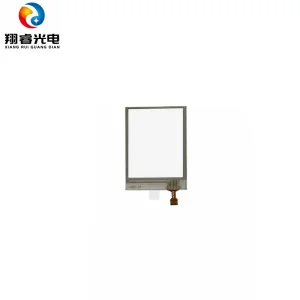
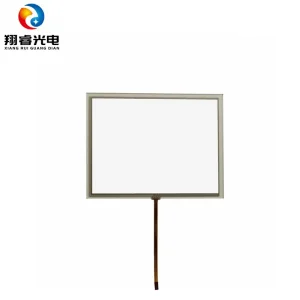
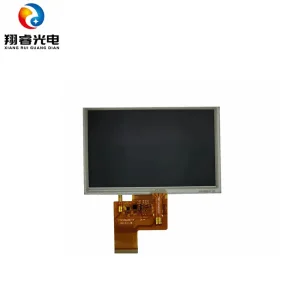
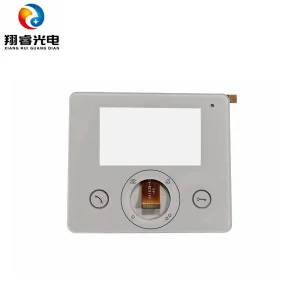
Engineered for high EMI resilience and seamless performance, optimized for Austrian machinery and process control systems.
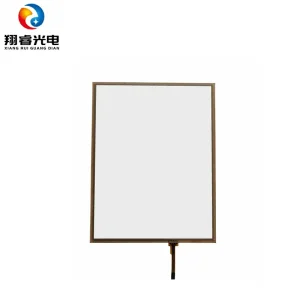
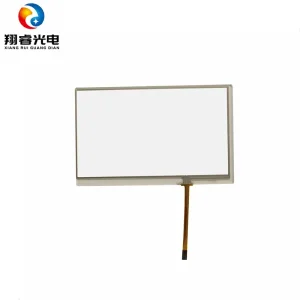
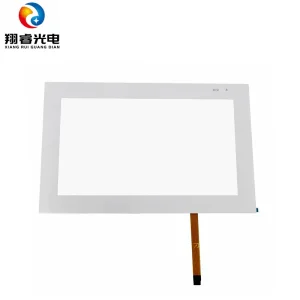
Austria stands at the forefront of European smart factory innovation and high-tech mechanical engineering. The regions of Upper Austria, Styria, and Vienna host world-class developers of robotic cells, engine systems, medical apparatuses, and specialized vehicles. These complex systems require human-machine interfaces (HMIs) that offer absolute reliability under harsh physical parameters.
While capacitive solutions dominate consumer applications, the Austrian industrial sector maintains a massive demand for advanced resistive touch panels. The rationale is highly pragmatic: heavy manufacturing, smelting, and pharmaceutical processing plants require operators to wear heavy thermal or chemically protective gloves. Furthermore, Alpine environmental installations, such as outdoor infrastructure monitors and cable car operating hubs, face extreme fluctuations in temperature (-30°C to +70°C) and direct exposure to snow, ice, and heavy condensation. In these environments, resistive technology is the only mechanism that prevents ghost touches and maintains functionality regardless of glove materials or moisture build-up.
Additionally, electrical systems in proximity to heavy electric motors suffer from high electromagnetic interference (EMI). Resistive touch panels are fundamentally immune to capacitive coupling disruptions, making them the preferred interface for critical industrial diagnostics where a false trigger could halt production lines or compromise safety protocols.
Whether integrated into industrial control systems in Linz or medical ventilators in Vienna hospitals, resistive panels must be configured to withstand the local environmental stresses of Central Europe. We customize glass-on-glass designs and special anti-glare coatings to ensure readability and mechanical structural integrity over decades of service.
Selecting the correct touch controller architecture depends strictly on the application's lifecycle requirements and touch density:
Ideal for cost-sensitive, compact interfaces like handheld diagnostic tools. Calculates X and Y coordinates alternately using both layers. Optimal for smaller displays where high-density input is localized.
Designed for heavy industrial terminals. The bottom glass layer maps both X and Y coordinates, while the top conductive film only functions as a voltage probe. Delivers high duty cycle (over 35 million taps) even if the surface sheet suffers structural scratches.
For chemical processing plants where plastic outer layers fail due to cleaning agents or flying hot debris. Protects the conductive stack with a scratch-resistant glass armor, offering IP65 environmental sealability.
Through our dedicated R&D department at Guangzhou Xiangrui Optoelectronics Technology Co., Ltd., we utilize high-transmittance Indium Tin Oxide (ITO) layers to prevent internal light diffraction, maintaining a high optical transmittance rating (>80% for standard resistive film). For medical visualization and automotive setups in Austria, we offer optical bonding solutions that fill air gaps between the resistive sensor and the LCD display with index-matched optical adhesive, eliminating internal reflections and boosting sunlight readability.
Founded in 2010 and occupying a modern 3,000 square meter facility in Guangzhou, China, we are a global leader in high-performance resistive and capacitive touch panel production. We possess advanced ISO 9001 and ISO 14001 certifications, reflecting our commitment to standardized quality and sustainable environmental practices.
Our infrastructure includes certified cleanrooms spanning Class 100, Class 1,000, and Class 10,000 ratings. This ensures that every layer of our touch panels is assembled in particle-controlled zones to guarantee dust-free optical laminations. Serving markets in over 40 countries, including central European hubs like Austria, Germany, and Switzerland, we balance competitive manufacturing scale with the engineering standards demanded by Austrian buyers.
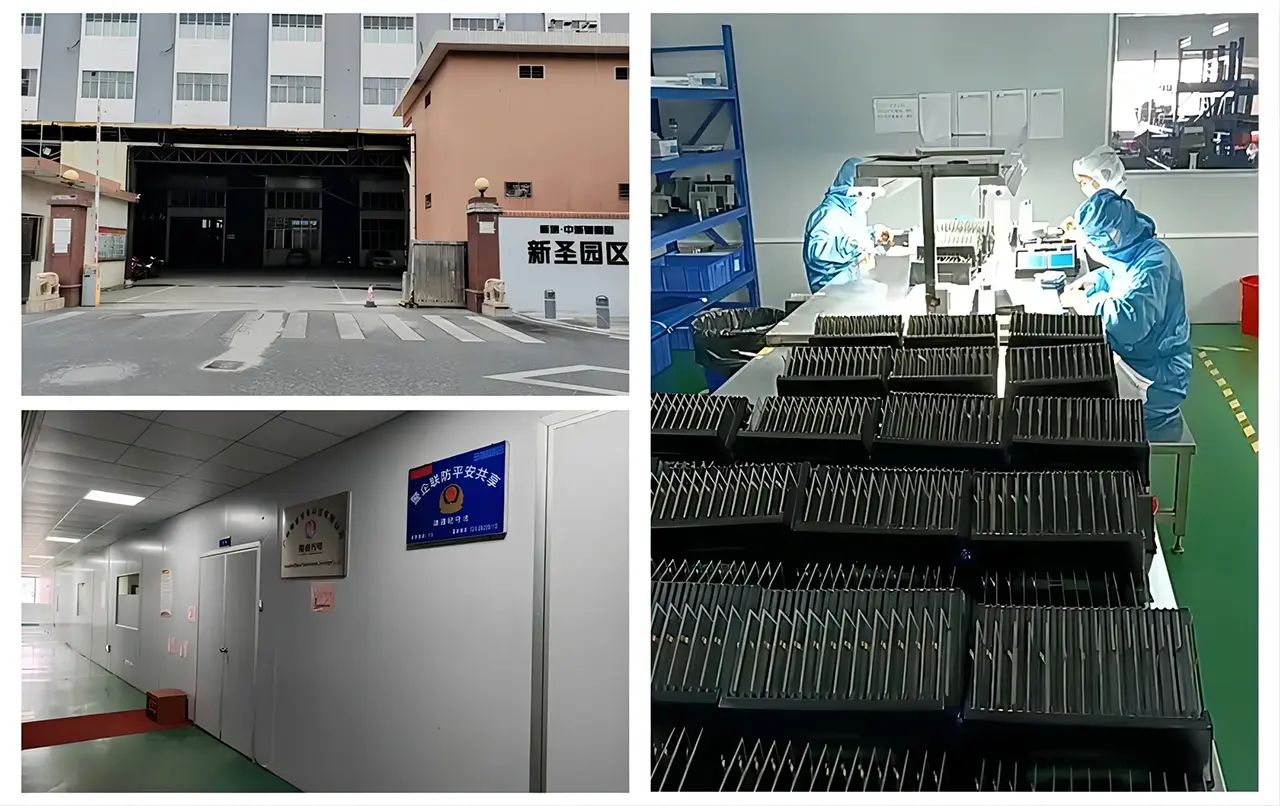
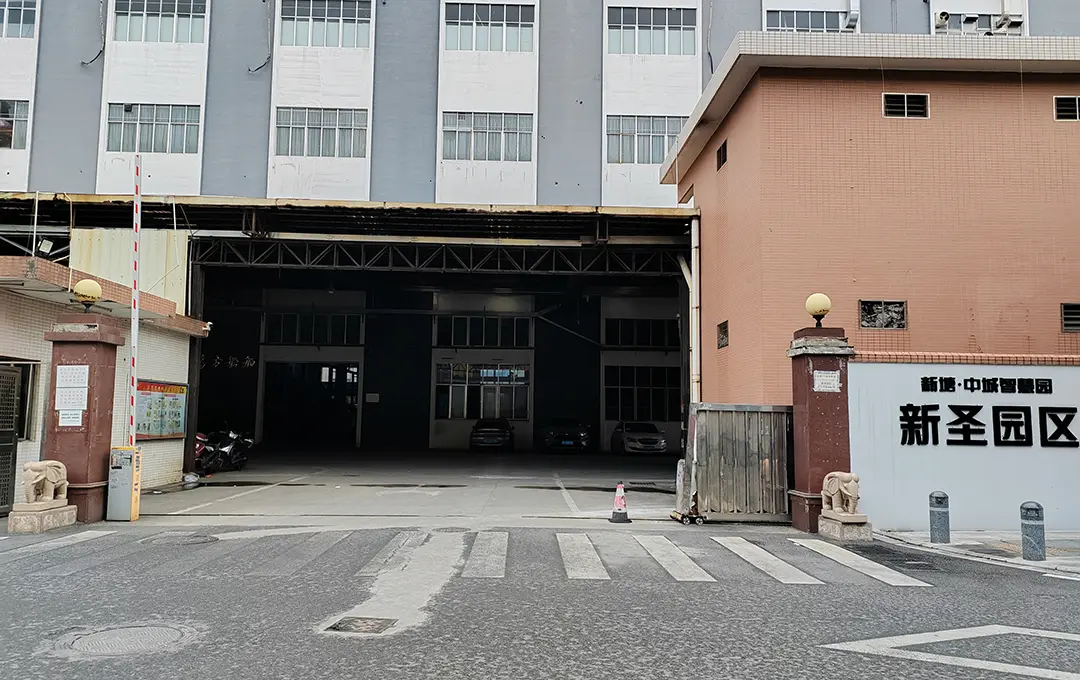
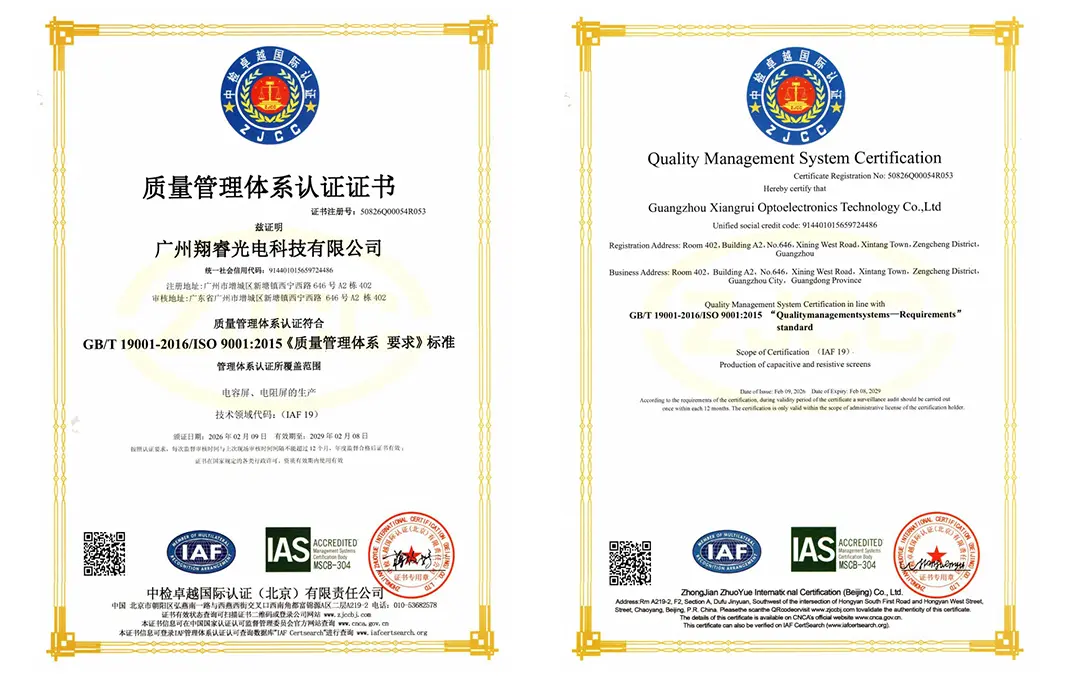
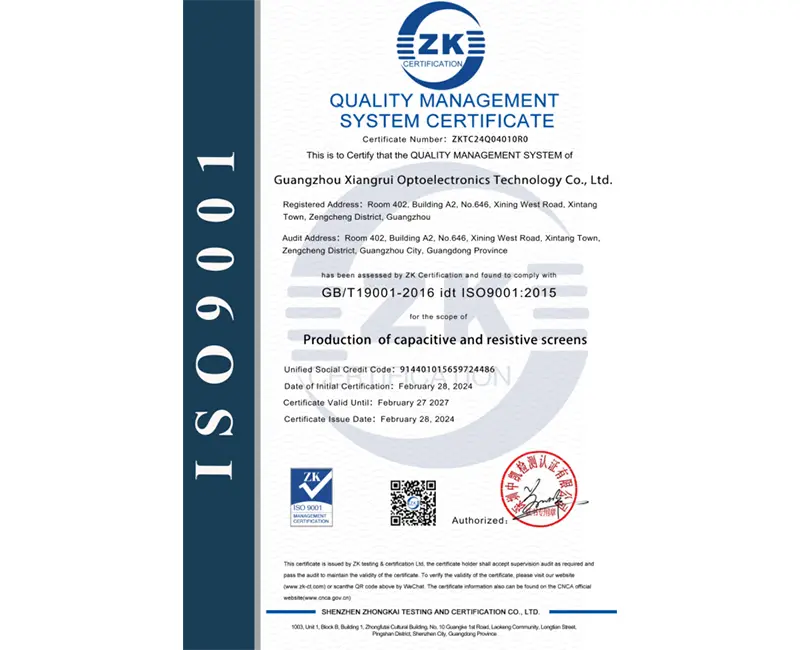
Doing business in the EU and Austria requires adhering to strict safety and chemical rules. Our manufacturing pipelines conform directly to the following frameworks, simplifying your supply chain integration:
To reduce shipping times, we coordinate with major European custom logistics firms, offering direct air-freight and overland container shipping from China to major commercial centers like Vienna, Graz, and Salzburg. We provide full technical support documentation, CAD drawings, and test reports to support your internal QA engineering requirements.
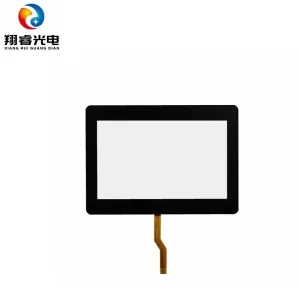
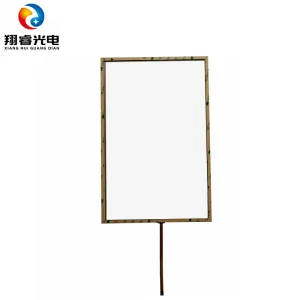
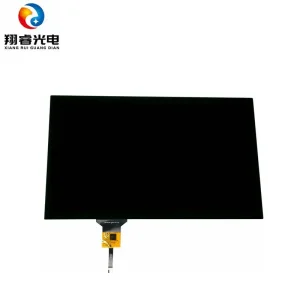
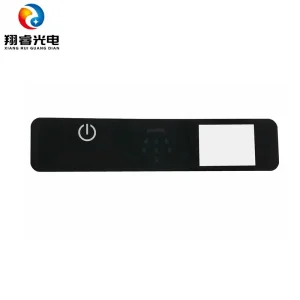
Explore our wide selection of resistive and capacitive touch solutions, customizable to match Austrian manufacturing and instrumentation standards.
Get technical answers about integration, calibration, and long-term durability in industrial environments.
A: In 4-wire configurations, the calculation coordinates depend on both the top and bottom sheets, which subjects them to constant flexing and physical stress. In a 5-wire configuration, all position measurements are handled by the stable bottom layer, while the top sheet acts only as a contact conduit. This increases the touch lifespan of a 5-wire panel to over 35 million activations compared to the typical 1-2 million of a 4-wire panel, making it the preferred option for industrial HMIs in continuous operation.
A: Our industrial-grade panels are built using low-expansion borosilicate glass substrates and specialized ITO films. We test these modules to ensure they operate reliably within a wide temperature range of -40°C to +85°C. They are designed to withstand thermal shocks without cracking or showing layer separation, making them suitable for outdoor ski lifts, meteorological tracking equipment, and logistics yards throughout Austria.
A: Yes, we offer complete OEM and ODM customization services. We can customize the dimensions, screen printing, border logos, and thickness of the cover glass. We also offer surface treatments like Anti-Glare (AG), Anti-Reflective (AR), and Anti-Fingerprint (AF) to ensure displays remain readable under direct sunlight or harsh overhead industrial lighting.
A: Absolutely. Guangzhou Xiangrui Optoelectronics Technology Co., Ltd. complies with all European market entry standards, including RoHS, REACH, and WEEE directives. We ensure that no restricted hazardous materials are used in our production, allowing you to easily integrate our panels into your final CE-certified products.
A: Drawing design and verification typically takes 3 to 7 working days. Once the engineering drawings are approved, prototypes are fabricated in our cleanrooms within 15 to 20 days. Large batch production orders are generally completed within 3 to 4 weeks. Shipping options include air freight, which takes 5 to 8 days to reach Austrian airports, or rail/sea freight for larger, cost-sensitive orders.
A: Our panels utilize high-performance controllers (such as EETI or PenMount chips) that feature drift-compensation algorithms. Once initial calibration is performed at system integration, the touch controller compensates for mechanical wear. Under standard operating conditions, recalibration is rarely needed, minimizing HMI maintenance down-time for field personnel.
Partner with an ISO 9001:2015 certified manufacturer. Request complete datasheets, custom configuration options, and pricing information tailored for your Austrian business location today.
Establish Contact Now Xiangrui Optoelectronics