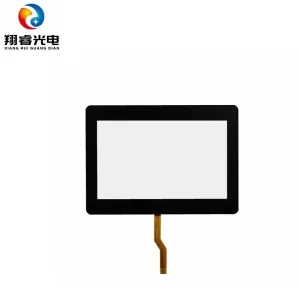
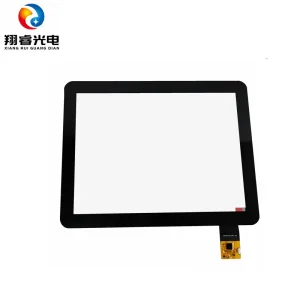
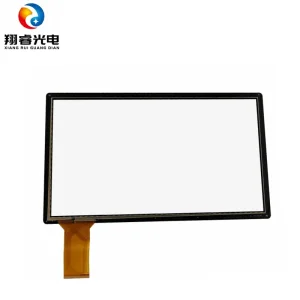
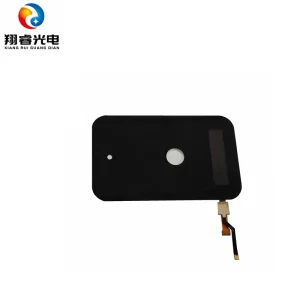
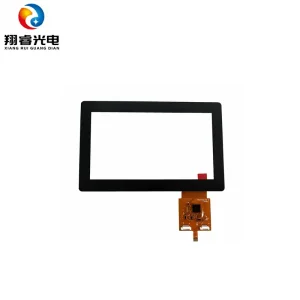
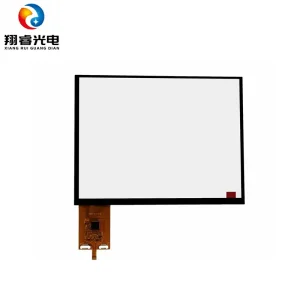
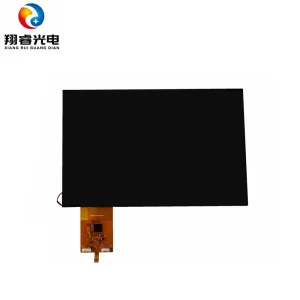
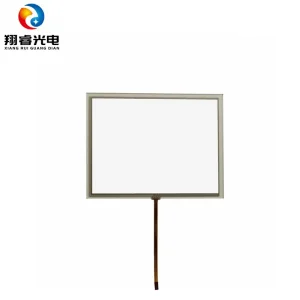
Explore our industrial and customized touch screen solutions, utilizing premium optical bonding and engineered for wide-temperature operation.
In modern industrial design, the human-machine interface (HMI) serves as the primary touchpoint for user interaction. The 3.5-inch touch screen has emerged as a cornerstone form factor due to its balance between screen real estate and structural efficiency. B2B buyers sourcing from China require more than standard components; they demand engineering foresight, custom durability options (such as AG, AR, and AF coatings), robust EM/EMC noise immunity, and guaranteed product longevity. This whitepaper analyzes the capabilities, technical pathways, and integration processes that define industry-leading China 3.5-inch touch screen factories.
Demands vary dramatically across high-reliability industries. Here is how we customize 3.5-inch touch panels to meet modern system requirements:
Requires high noise immunity, compatibility with heavy-duty gloves, chemical resistance (against IPA, oil, and cleansers), and IK08 impact ratings.
Demands compliance with strict medical standards, liquid rejection capabilities, clear display clarity, and compatibility with latex/nitrile gloves.
Requires high-brightness backlights (>1000 nits), UV stabilization, anti-glare (AG) or anti-reflective (AR) glass, and operation from -30°C to +80°C.
Demands low power consumption, thin form factors, compatibility with palm print or fingerprint readers, and high durability for high-frequency use.
Founded in 2010 and located in Guangzhou, China, we are dedicated to the research, development, production, sales, and service of resistive touch panels, capacitive touch panels, cover glass, and module bonding solutions. We specialize in customized production of touch screens, alongside high-reliability OEM and ODM services.
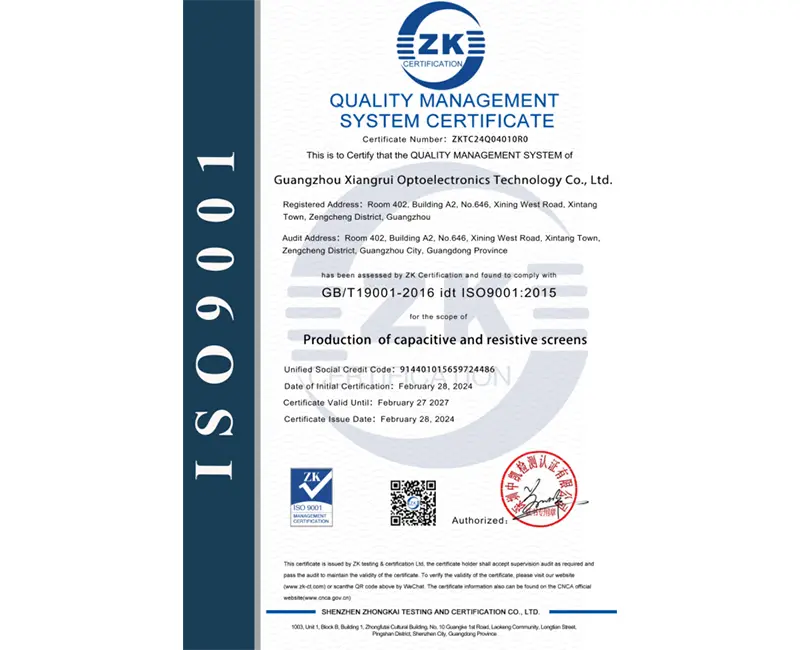
With standard certifications including ISO 9001 and ISO 14001, our products serve sectors globally, including industrial control, medical diagnostics, home automation, outdoor terminals, and palm-print recognition payment systems.
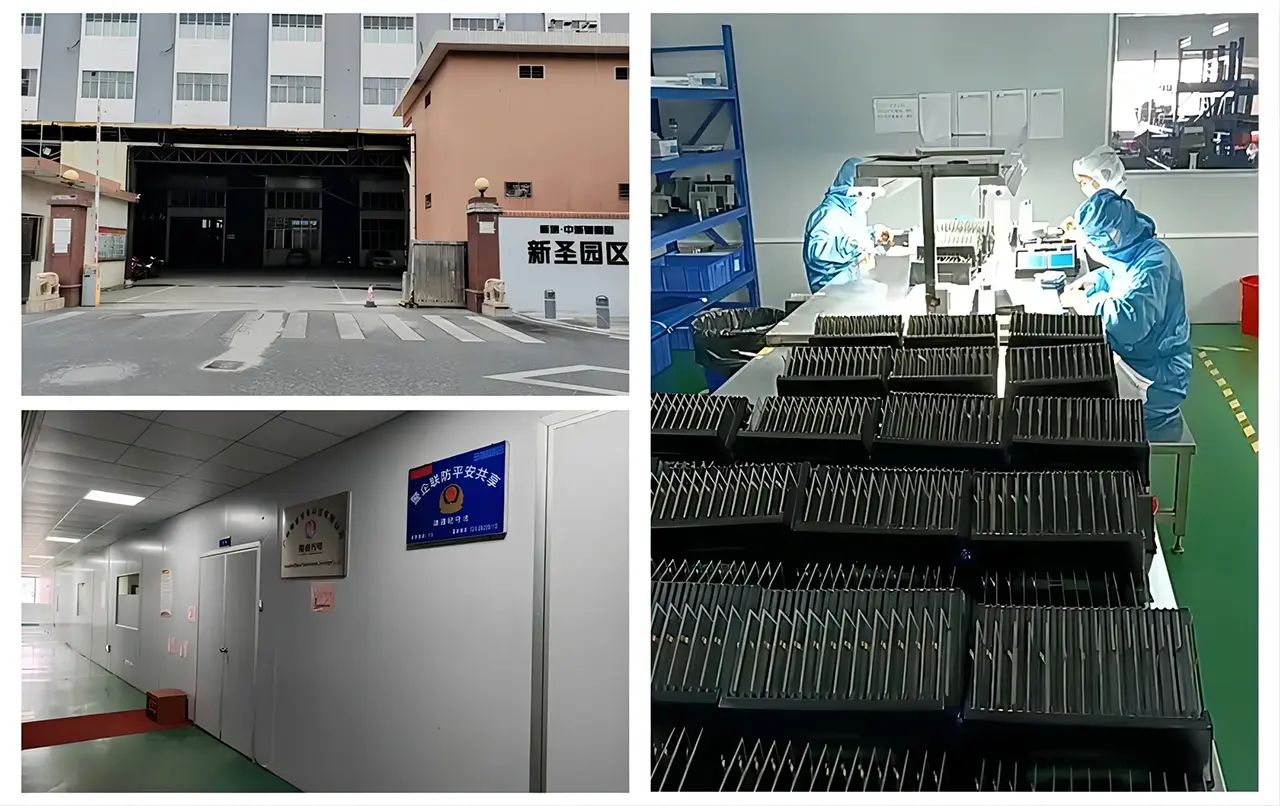
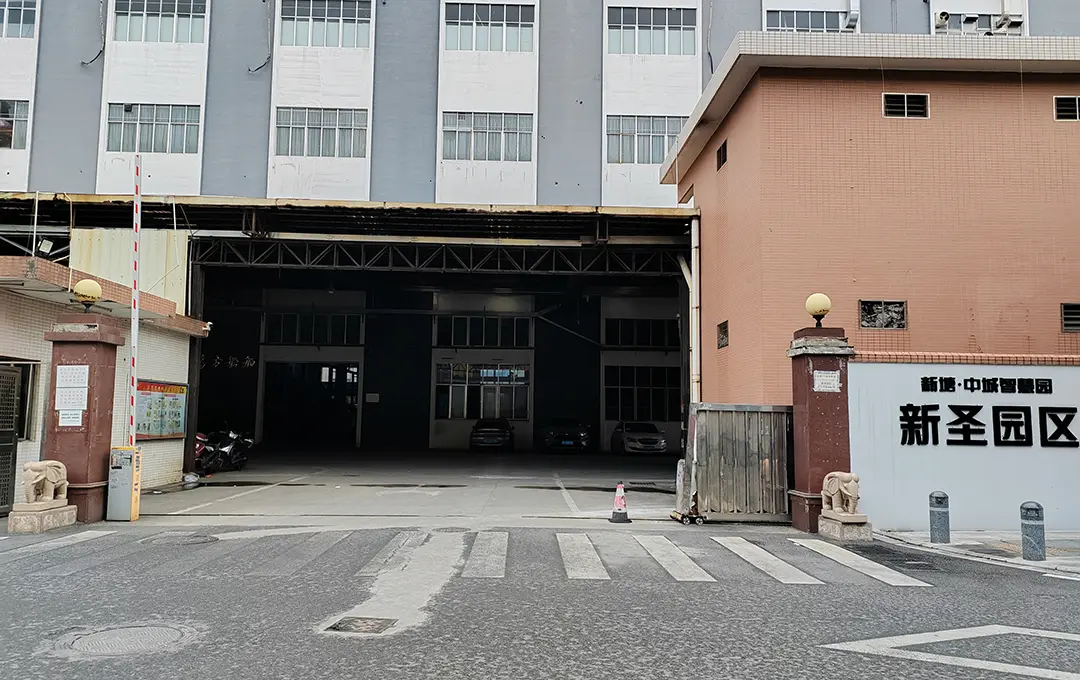
Our manufacturing facility spans over 3,000 square meters (with our group's total footprint reaching approximately 10,000 square meters). To ensure high yields and pristine optical performance, we operate dedicated Class 100, Class 1,000, and Class 10,000 dust-free cleanroom environments. This staging is critical for lamination processes and high-yield optical bonding.
Through our dedicated R&D department, we continuously develop new processes, utility models, and custom touch technologies, ensuring our partners remain competitive in demanding markets.
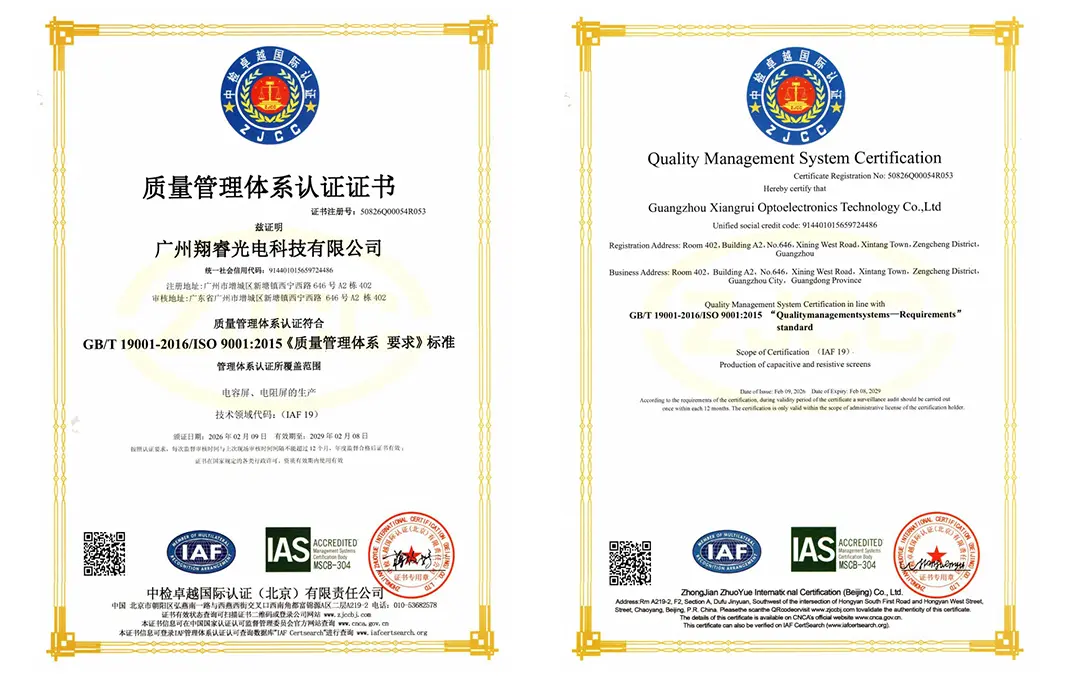
Our manufacturing footprint, experience, and industry recognition in numbers.
A detailed breakdown of key engineering choices available for our 3.5-inch touch panel solutions.
| Feature / Spec | Projected Capacitive (PCAP) | Resistive Touch (4-Wire / 5-Wire) |
|---|---|---|
| Typical Applications | Smart home displays, medical systems, handheld diagnostics, outdoor kiosks. | Industrial HMIs, military terminals, legacy system retrofitting. |
| Multi-touch Support | True Multi-touch (up to 10 points depending on IC). | Single-touch (dual-touch options available for custom matrices). |
| Optics & Light Transmission | High transparency (>85% default, up to >90% with AR coating). | Standard transparency (typically 75% - 80%). |
| Robustness & Surface Hardness | Cover glass hardness of >6H (or 7H/9H chemically strengthened glass). | PET film surface, typically 3H hardness, susceptible to scratches. |
| Environmental Durability | Excellent resistance to chemicals, moisture, and temperature fluctuations. | Susceptible to extreme moisture; highly stable in high EMI environments. |
| Input Method Compatibility | Bare finger, conductive stylus, thin latex/nitrile gloves. | Any pointer device: fingers, heavy gloves, stylus, plastic tools. |
When selecting a touch screen interface for a 3.5-inch HMI, engineers face choices beyond capacitive versus resistive sensors. The cover lens treatment, structural stack-up, and bonding technology significantly impact both usability and optical performance.
1. Optical Bonding (OCA vs OCR): For high-humidity, outdoor, or high-vibration applications, we offer optical bonding. OCA (Optically Clear Adhesive) uses dry tape-based adhesive layers, ideal for flat and uniform surfaces. OCR (Optically Clear Resin) utilizes liquid silicone/polyurethane formulations, which flow to fill gaps in complex steps or custom-beveled cover plates. Optical bonding eliminates the internal air gap between the sensor and display, reducing reflection rates from 8% to less than 1.5%. This improves outdoor readability and prevents internal condensation in fluctuating climates.
2. Surface Treatments (AG, AR, AF Coatings): To combat glare under harsh lighting, we apply Anti-Glare (AG) chemical etching to the glass cover. For bright sunlight, Anti-Reflective (AR) magnetron sputtering coatings reduce surface reflection. Anti-Fingerprint/Oleophobic (AF) coatings prevent oil smudges, maintaining touch sensitivity and clarity in medical settings.
3. Controller IC Integration: We utilize controller ICs from suppliers like EETI, Ilitek, and Cypress. This enables us to program custom firmware configurations for glove usage, water rejection, and heavy electromagnetic noise handling.
Why Tier-1 global industrial OEMs trust Guangzhou Xiangrui Optoelectronics.
We maintain strict quality control from raw materials to finished products, certified under ISO 9001 (Quality Management) and ISO 14001 (Environmental Management) standards.
Formally recognized in 2022 by the government, our engineering teams possess utility patents for touch screen sensor layouts and integration methods.
We work with established global partners. We support long-term product availability (typically 5 to 7 years) to match industrial lifecycle needs.
Technical guidance for B2B procurement officers and engineering leads.
Explore additional size classes and configurations engineered for industrial, medical, and commercial environments.
 Xiangrui Optoelectronics