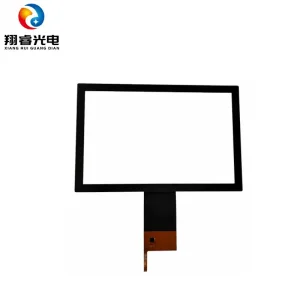
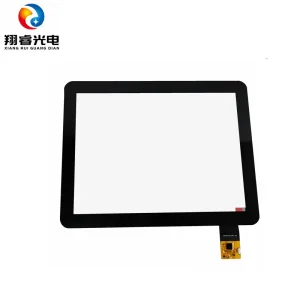
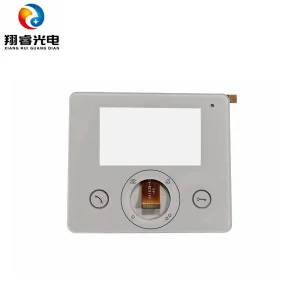
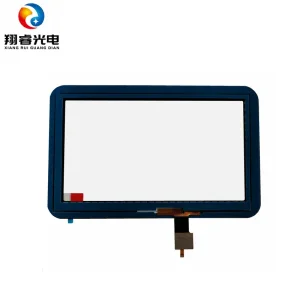
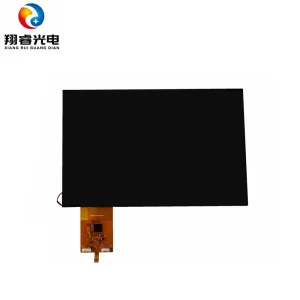
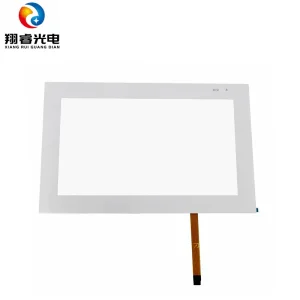
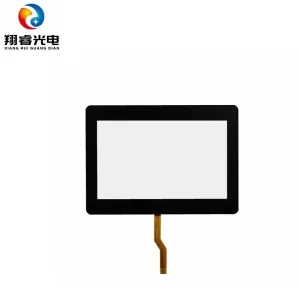
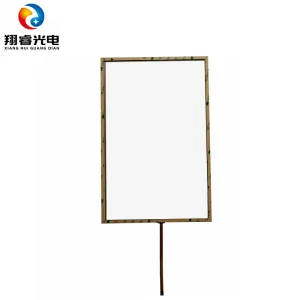
Discover our highly configurable, state-of-the-art interactive modules built for industrial reliability.
In the contemporary landscape of Human-Machine Interfaces (HMI), the 3.5-inch touch screen has carved out a unique position. Often referred to as the gateway size for hand-held controllers and embedded monitoring systems, it balances minimal power consumption with sufficient visual density for detailed operating metrics. Globally, the demand for 3.5-inch capacitive and resistive displays is expanding exponentially, driven by the rise of edge-computing devices, IoT nodes, and smart decentralized machinery.
Historically, displays in this class relied heavily on tactile keypads or low-resolution monochrome layouts. However, as user experiences in consumer electronics dictate expectations in professional environments, global industrial procurement has transitioned almost exclusively to touch-enabled graphical interfaces. From localized testing units in Munich to remote agricultural sensors in the American Midwest, the 3.5-inch panel provides the standard dimension for compact interactive data visualization.
Engineering a premium 3.5-inch touch display requires a granular understanding of the operational environment. Guangzhou Xiangrui Optoelectronics Technology optimizes both major touch technologies to provide application-specific solutions:
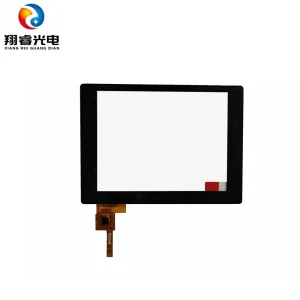
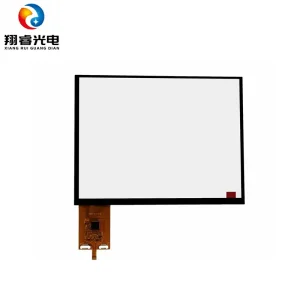
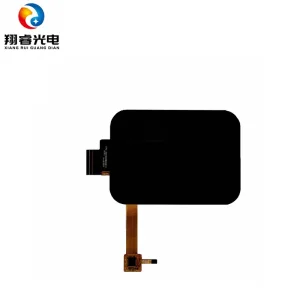
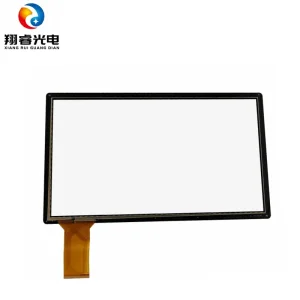
Designed for multi-touch performance, our capacitive panels utilize structural stack-ups of Glass-on-Glass (G+G) or Glass-on-Film (G+F). By employing advanced controller ICs (such as Ilitek or FocalTech), these displays support seamless interaction through gloves, handle water droplets without false triggers, and maintain optical clarity of up to 88% transmittance. PCAP solutions are ideal for medical monitors, smart home terminals, and high-frequency commercial transaction systems.
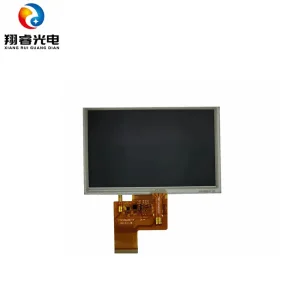
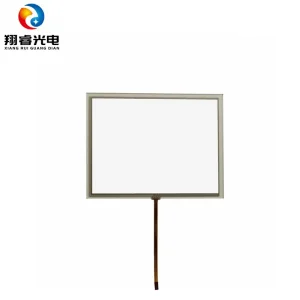
For applications where absolute signal integrity, electrical noise immunity, and input flexibility (stylus, gloved hands, or pens) are critical, resistive touch panels remain the industry benchmark. Using highly uniform Indium Tin Oxide (ITO) layers separated by ultra-microscopic spacing dots, our resistive designs offer unrivaled immunity to electromagnetic interference (EMI)—vital for heavy-machinery controls and avionic indicators.
Up to Mohs 7H surface hardness to resist scratches, drops, and severe vibration in heavy-duty factory floors.
Advanced OCA/OCR bonding processes eliminate the internal air gap, preventing dust ingress, fogging, and surface reflections.
Optimized driver routing and shielded FPC lines isolate high-frequency noise from nearby relays and high-voltage motors.
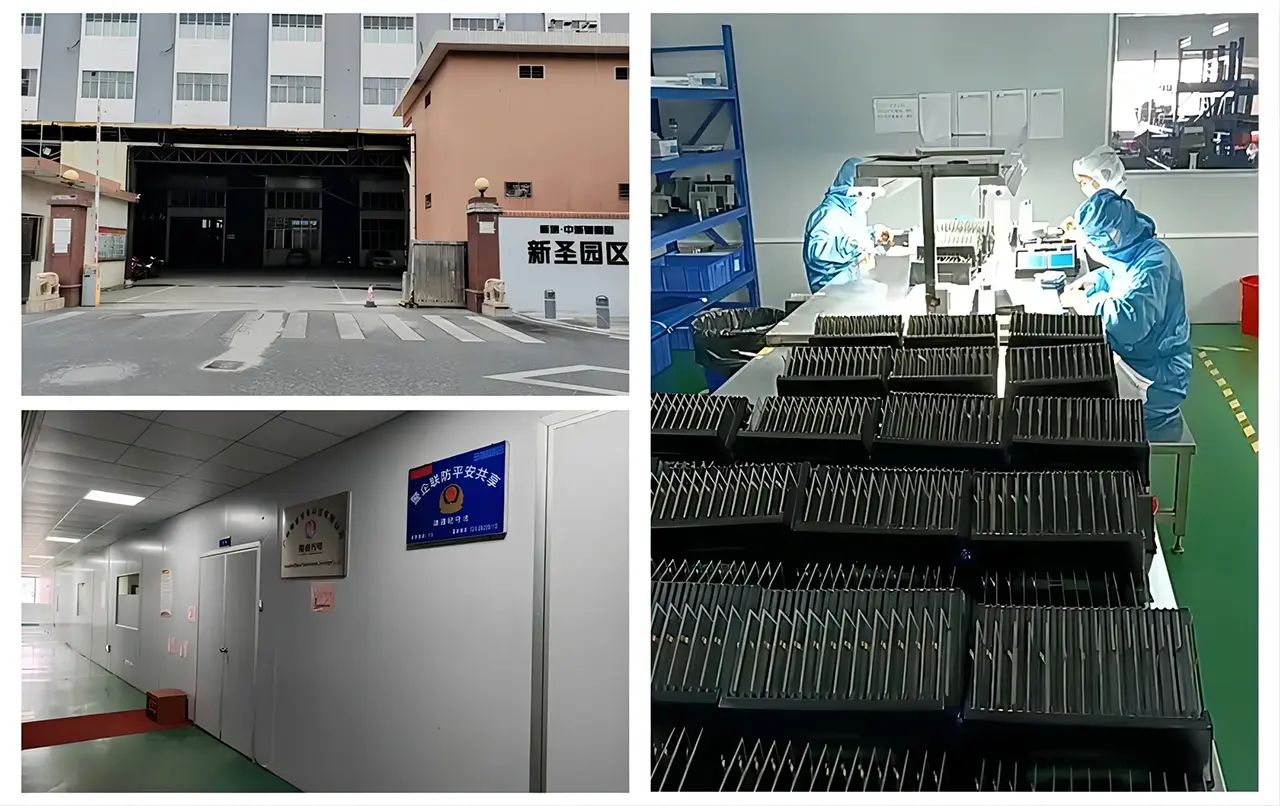
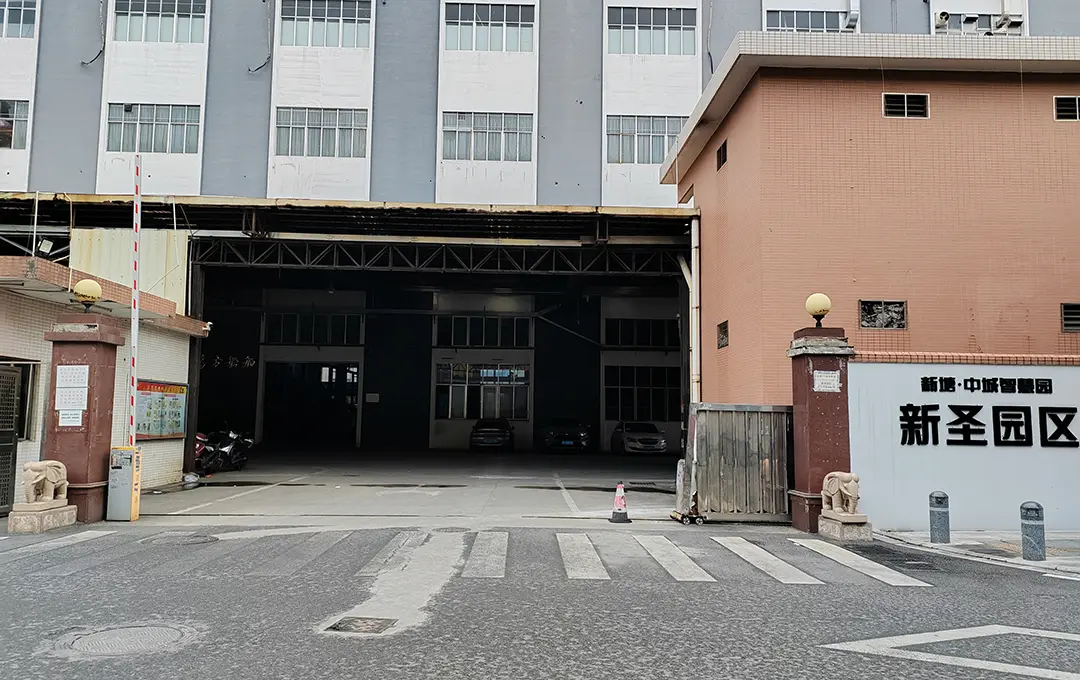
Founded in 2010 and headquartered in Guangzhou, China, we are an industry-leading manufacturer dedicated to the research, development, production, and precision custom bonding of capacitive and resistive touch panels. Spanning a 3,000-square-meter facility, our plant houses Class 100, Class 1,000, and Class 10,000 dust-free cleanrooms designed to handle high-yield optical integration.
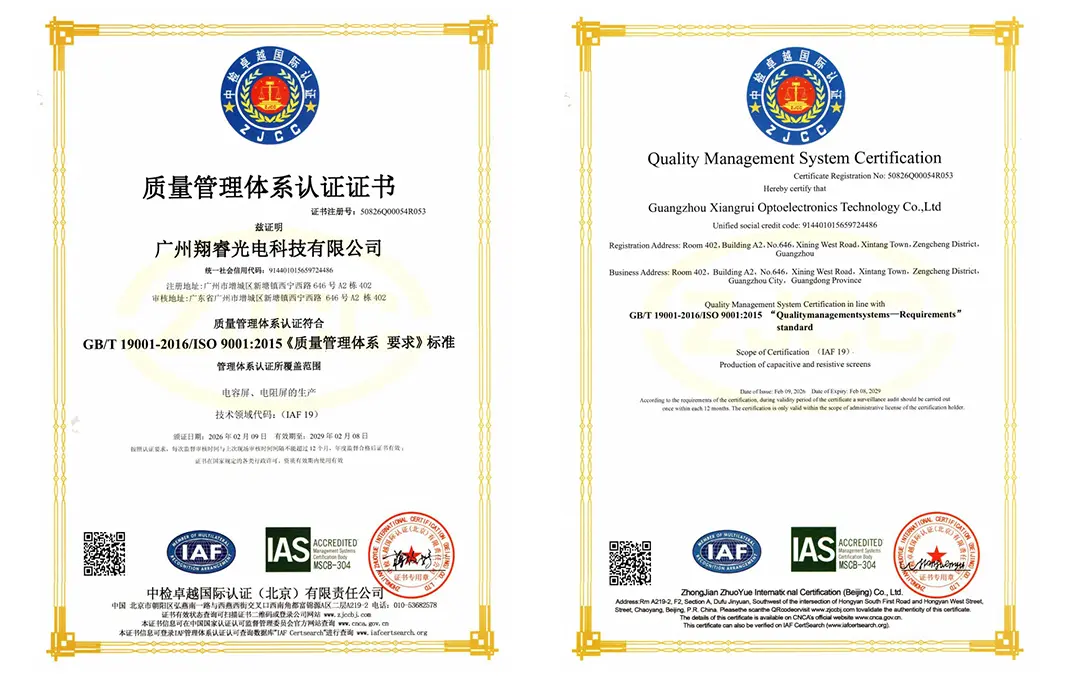
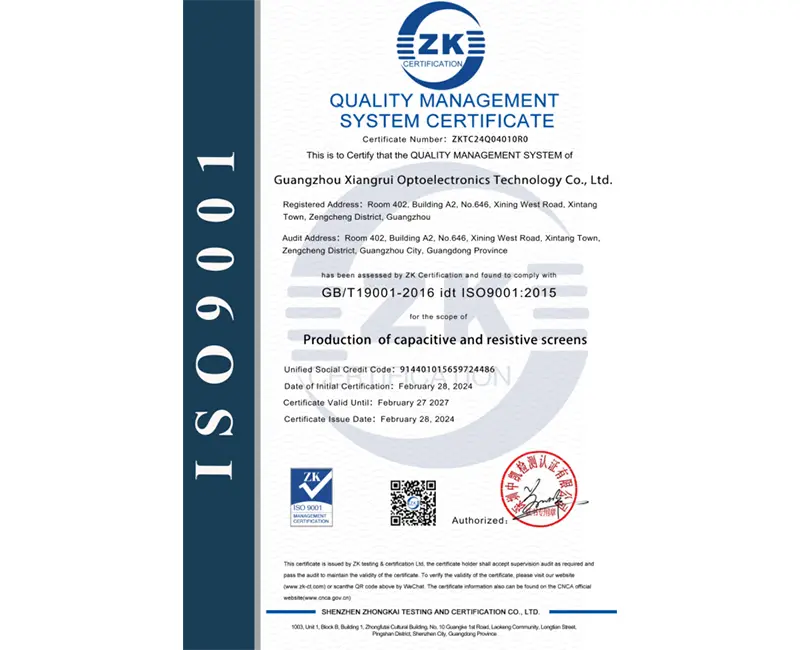
Guangzhou Xiangrui is certified to both ISO 9001:2015 (Quality Management) and ISO 14001:2015 (Environmental Management) standards. Our advanced engineering allows us to construct high-reliability products that serve critical sectors including industrial automation, medical electronics, smart retail, rugged outdoor applications, and biometric palm print identification terminals.
Manufacturing Expertise
Refining capacitive and resistive laminations since 2010
Invention Patents
Leading technology in structural glass and signal processing
Global Countries
Exporting highly engineered displays to global markets
Modern Cleanroom Facility
Equipped with class-certified dust-free spaces
The versatility of the 3.5-inch form factor is demonstrated across various high-reliability application scenarios globally:
The display market is shifting toward functional integration. Over the next five years, the touch screen industry will focus on several technical shifts:
Uncompromising quality, custom manufacturing, and global standards compliance.
We prioritize long-term partnerships with leading global enterprises, ensuring reliable lead times, custom prototype turnarounds, and consistent product availability.
Our raw materials, assembly lines, and optical bonding procedures are monitored under ISO 9001 and ISO 14001, ensuring every finished unit meets high quality standards.
Awarded High-Tech Enterprise status in 2022, our R&D department continues to develop utility model patents, introducing innovative materials and designs to the market.
As micro-controllers grow more powerful, the communication interfaces of 3.5-inch displays are evolving. The industry is moving from standard parallel MCU interfaces to serial communication protocols like SPI, I2C, and high-speed MIPI D-PHY, enabling higher refresh rates and richer color depth without overloading system microcontrollers.
Additionally, material science is paving the way for flexible substrates. While soda-lime glass remains the industry standard due to cost-efficiency, the implementation of chemically strengthened aluminosilicate glass (comparable to Gorilla Glass) has significantly reduced cracks caused by thermal shock and direct impact on high-stress industrial interfaces.
Beyond producing individual sensors, Guangzhou Xiangrui specializes in delivering comprehensive display assemblies. This includes integrating the display panel, custom FPC, matching controller board, and outer metal bezel into a single plug-and-play assembly, simplifying the production workflow for our global partners.
Technical insights to help guide your procurement and design decisions.
A: Glass-on-Glass (G+G) configurations feature a tempered glass cover sensor over a glass display layer. This construction is highly scratch-resistant, provides excellent optical clarity (typically over 85% light transmission), and maintains high mechanical stability under temperature fluctuations, unlike film-based structures which are prone to warping.
A: Yes. By tuning the driver IC parameters (such as the sensitivity thresholds on Ilitek or Focaltech controllers), we can enable gloved touch and filter out false touch inputs caused by water droplets, humidity, or grease on the screen surface.
A: We offer customizable options including cover lens dimensions, silk-screened logos, chemically strengthened glass thickness, surface coatings (AG, AR, AF), custom FPC layout design, interface options (I2C, USB, SPI), and specific optical or tape bonding solutions.
A: Tape bonding attaches the screen components along the outer border, leaving an air gap in the middle. Optical bonding uses Optically Clear Adhesive (OCA) or Optically Clear Resin (OCR) to fill the entire gap between the cover glass and the sensor. This eliminates reflections, improves contrast and durability, and prevents internal condensation and dust buildup.
A: Our products are manufactured in Class 100 and Class 1,000 dust-free environments and undergo comprehensive environmental chamber testing, thermal cycling, and ESD testing to meet strict medical and automotive standards.
A: We operate under ISO 9001:2015 and ISO 14001:2015 standards. Our products are designed and manufactured to comply with CE, FCC, and RoHS regulations, ensuring compliance for international imports.
A: Yes, we continue to manufacture and support 4-wire and 5-wire analog resistive touch screens. These screens are designed for environments with high electromagnetic noise or where operators must use heavy gloves or non-conductive styluses.
A: Custom FPC and cover glass prototypes typically require 2 to 3 weeks for engineering design and sample production. Bulk production orders are completed within 4 to 6 weeks, depending on materials and requirements.
Explore our full line of robust touch panels engineered for specialized industrial and commercial devices.
 Xiangrui Optoelectronics