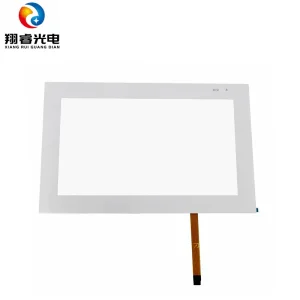
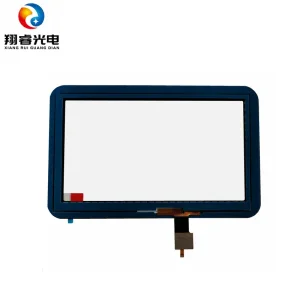
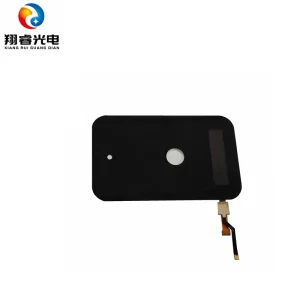
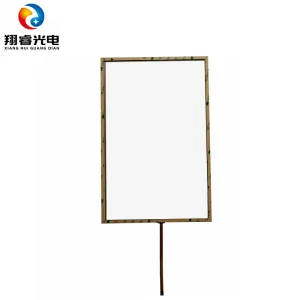
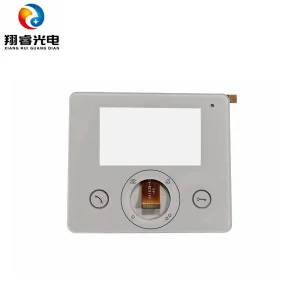
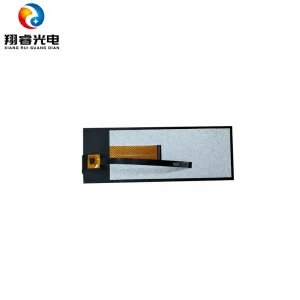
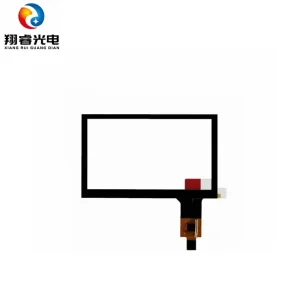
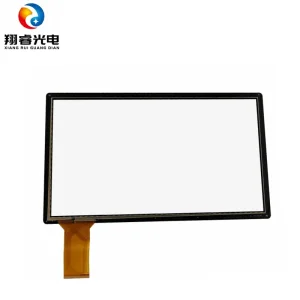
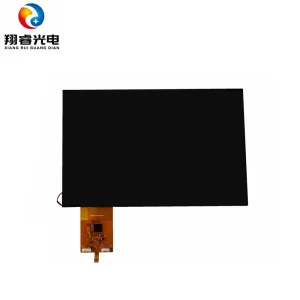
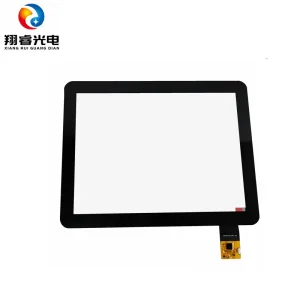
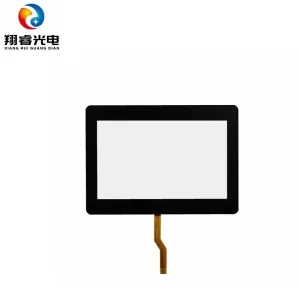
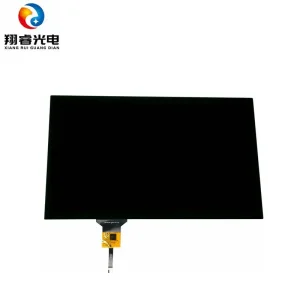
Explore our high-performance industrial touch screen panels, engineered for extreme reliability and certified to international quality standards.
The Evolution of High-reliability Touch Interface Systems for Global Industrial Automation
Modern industrial operations require continuous, uninterrupted interface systems. In harsh manufacturing zones, marine networks, medical institutions, and high-security public infrastructure, the Human-Machine Interface (HMI) serves as the primary system touchpoint. Standard commercial touchscreen panels often fail in these environments due to thermal stress, mechanical impacts, dust accumulation, moisture exposure, and electromagnetic interference (EMI).
This technical whitepaper examines the design processes, materials engineering, supply chain configurations, and international standards governing industrial touchscreens. Specifically, it reviews the capabilities of Guangzhou Xiangrui Optoelectronics Technology Co., Ltd., a manufacturer that designs, builds, and supports industrial resistive and capacitive touch components. By implementing custom cover glass finishes, specialized sensor structures, and optical bonding technologies, Guangzhou Xiangrui develops durable systems that help global OEMs, system integrators, and distributors optimize product performance and lifespan.
Unlike standard consumer touch screens, industrial touch panels must operate continuously in environments with fluctuating temperatures, high humidity, dust, and electrical noise. This demands specific material selection, including thick chemical-strengthened glass cover layers, specialized optical adhesives, noise-resistant controller ICs, and robust sealing protocols to prevent system failures.
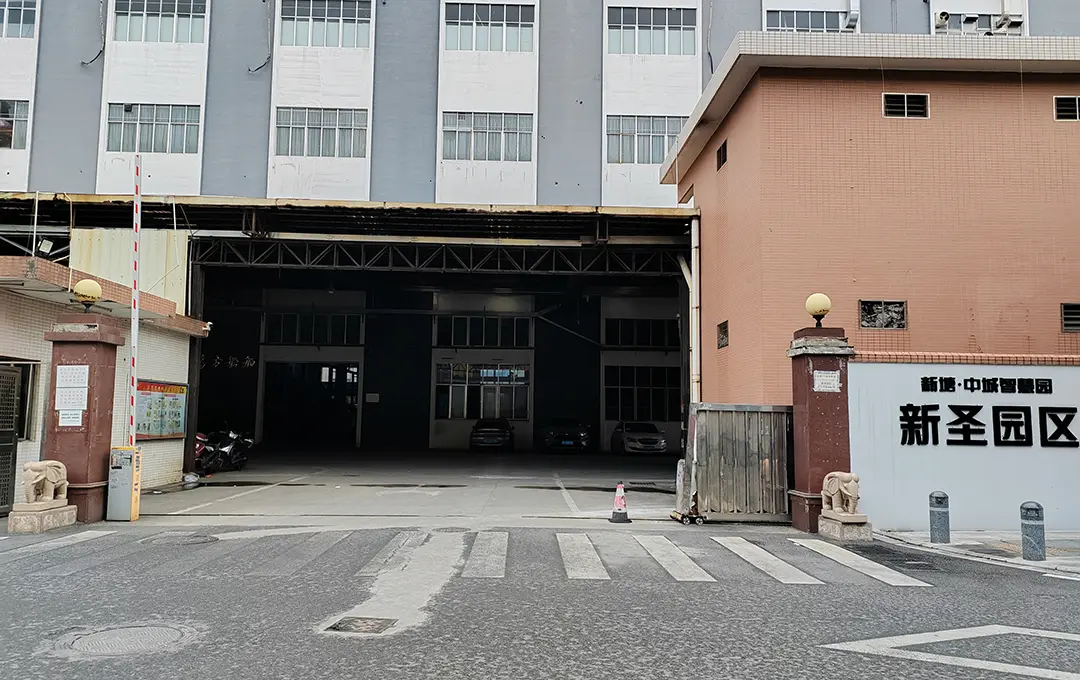
Founded in 2010 in Guangzhou, China, we specialize in the research, development, production, and service of resistive touch panels, capacitive touch panels, cover glass, and module bonding solutions. We offer custom touch screen manufacturing as well as OEM and ODM services.
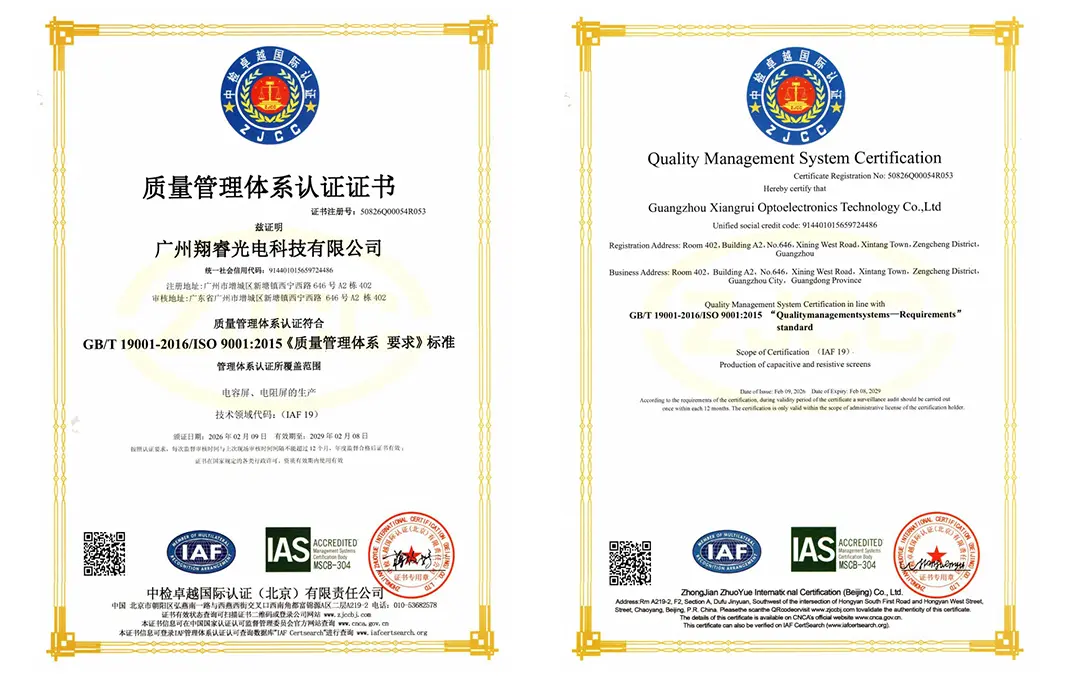
Our facility has obtained the ISO 9001 and ISO 14001 certifications. Our products are widely used in industrial control systems, medical equipment, home appliances, smart home automation, outdoor installations, and biometric palm print recognition payment systems.
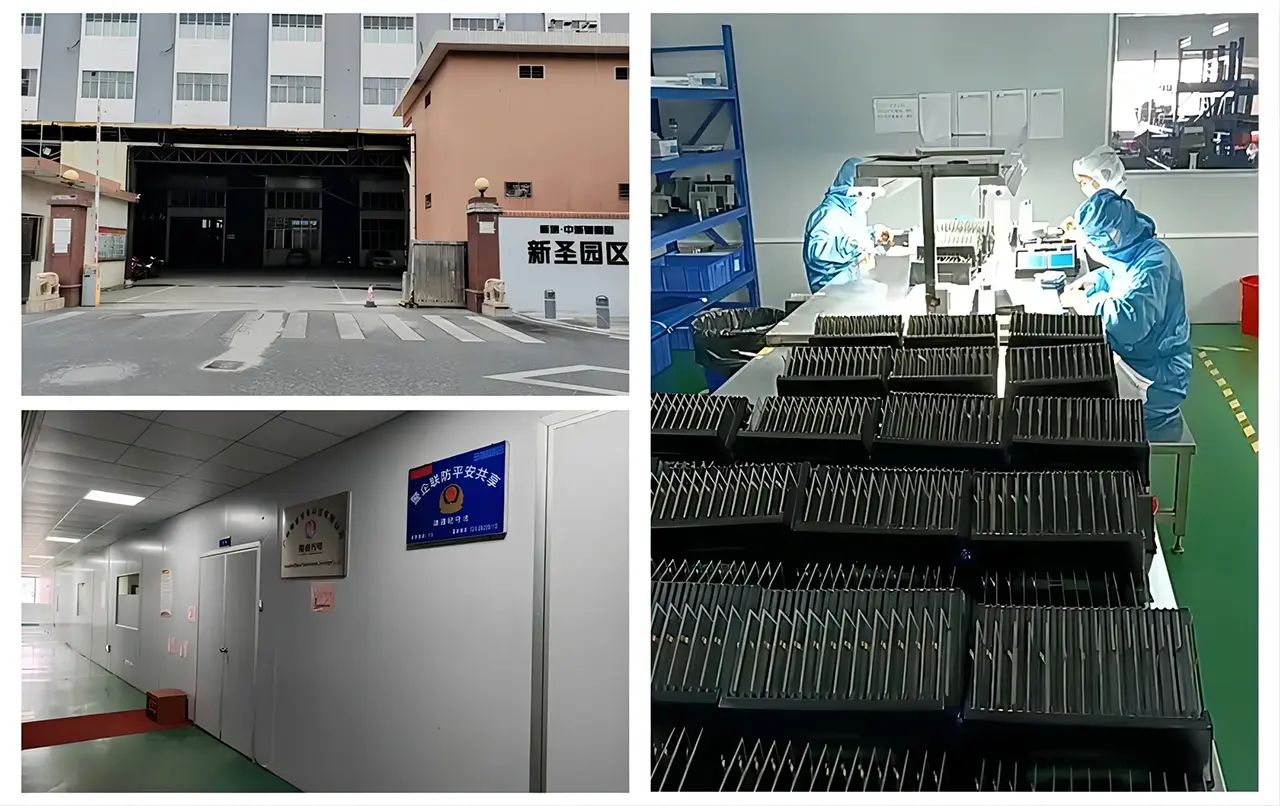
The facility spans approximately 3,000 square meters, housing R&D, production, marketing, quality control, finance, purchasing, and human resources. The site includes Class 100, Class 1,000, and Class 10,000 cleanrooms to meet dust-free requirements for various manufacturing phases, particularly the optical bonding of glass sensors to LCD modules.
Selecting the Right Touch Interaction System Based on Environmental Demands
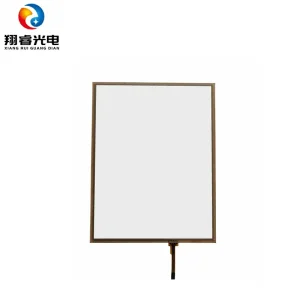
Resistive touchscreens rely on pressure to connect two conductive, transparent layers (typically ITO-coated film and glass) separated by spacer dots. This mechanical approach offers specific performance benefits in industrial settings:
For applications where cost-efficiency and physical activation are key requirements, resistive sensors remain a reliable option.
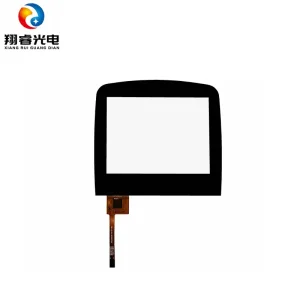
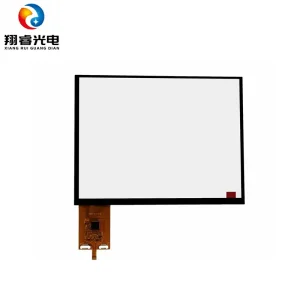
PCAP panels use an etched electrostatic grid under a protective cover glass. Contact with a conductive object (such as a finger) alters the electrical capacitance. Benefits include:
Using controller ICs from suppliers like EETI and Ilitek, capacitive panels can be tuned to work with liquids on the screen and industrial gloves.
Why Sourcing Industrial Touch Panels from China Offers High Value and Flexibility
Our facility in Guangzhou handles cover glass custom processing, sensor patterning, cleanroom laminate assemblies, and final optical bonding under one roof. This minimizes transportation, reduces material handling damage, and streamlines quality control.
We configure glass parameters (anti-glare, anti-reflective coatings), layout tail shapes, select controller ICs, and design customized cover glass shapes to meet specific customer design specifications, bypassing the rigid configurations of many Tier-1 global vendors.
By leveraging regional component clusters, optimized material sourcing, and specialized cleanroom processes, we deliver industrial-grade screens with utility-model and invention patents at competitive market rates.
Ensuring High Reliability and Component Longevity for Long-Term Deployments
Our quality control program is structured around the ISO 9001:2015 Quality Management System and the ISO 14001:2015 Environmental Management System. From receiving raw materials through production to final shipping inspection, all processes are documented to maintain high yield rates and reliability.
Our products comply with relevant international standards, including RoHS and CE, allowing for clean integration into European and North American industrial machinery. We support regulatory compliance for medical and safety systems through complete material traceability.
Industrial machinery often requires component support for 7 to 10 years. Unlike consumer-grade manufacturers who update lines every two years, Guangzhou Xiangrui maintains product form-factor compatibility and component availability, reducing redesign costs for our buyers.
ISO 9001 and ISO 14001 audited processes guide our production flow, checking glass strength, sensor continuity, and optical clarity at every major step.
Guangzhou Xiangrui holds over 30 patents. In 2022, the company was designated as a "High-Tech Enterprise" in Guangdong Province, reflecting our focus on touch interface R&D.
Optical lamination is performed in cleanroom environments to prevent dust contamination, ensuring bubble-free performance and high optical transparency.
How Our Touchscreens are Deployed Across Key Global Sectors
Our PCAP screens feature customized chemically-strengthened glass panels that resist sterilization fluids, visual glare, and surface impacts. High optical clarity improves diagnostic screen readability, and touch sensors are calibrated to support multi-layer surgical gloves.
Resistive and capacitive touch interfaces are built to withstand high levels of electromagnetic interference (EMI). With operating ranges extending from -30°C to +80°C, our panels are well-suited for heavy-duty CNC machining, PLC interfaces, and assembly plant monitors.
Modern capacitive touch buttons and panels are integrated into high-end white goods and home control systems. Using custom cover glass, color matching, and sensor layers, we create functional, low-maintenance glass surfaces.
Our thin optical stack solutions are used in high-resolution scanning modules for biometrics. By reducing internal reflections, our bonded systems provide clean image transmission, supporting quick user verification in security and retail terminals.
Outdoor terminals are exposed to direct sunlight, rainwater, and temperature shifts. We apply UV-blocking adhesives, anti-reflective (AR) treatments, and IP65/IP66 enclosures. This protects the screen from solar degradation and allows operation during rainfall.
Key Considerations for Selecting an Industrial Touch Screen Partner
Evaluating an industrial touch screen manufacturer requires looking beyond baseline unit cost. The total cost of ownership depends on long-term product reliability, development timelines, and integration compatibility. Our engineering team recommends evaluating key metrics before finalizing touch hardware designs:
Assess the operating environment for risk of physical impacts. If panels are exposed to vandal-prone or heavy industrial settings, specify chemical-strengthened glass with custom thicknesses (ranging from 1.1mm to over 5.0mm) to achieve the necessary IK ratings.
Use Anti-Glare (AG) chemical etching to reduce glare in outdoor settings, Anti-Reflective (AR) physical coatings to improve contrast under direct light, or Anti-Fingerprint (AF) coatings to minimize smudge buildup.
Industrial touchscreens are often positioned near high-voltage motors, relays, or wireless transceivers. The selected touch sensor controller IC (e.g., EETI, Ilitek) must be tuned to filter out electromagnetic noise, preventing ghost touch events.
Ensure the Flexible Printed Circuit (FPC) tail is positioned away from high-heat components on the LCD and includes copper shield layers for EMI insulation.
Answers to Common Technical Questions on Industrial Touch Screens and Custom Configurations
Industrial-grade touchscreens are designed for continuous 24/7 operation under demanding environmental conditions. They use thicker, chemically-strengthened glass cover layers, specialized industrial controllers (like EETI or Ilitek), and are built to withstand high levels of electrical noise (EMI). These units offer operating temperature ranges of -30°C to +80°C and maintain component availability for 7 to 10 years to prevent frequent product redesigns.
Optical bonding fills the air gap between the touch sensor and the underlying LCD panel using an index-matched optical adhesive (OCA or LOCA). By eliminating the air-to-glass boundaries, internal light reflections are reduced by up to 90%. This improves contrast in bright environments and removes the risk of internal moisture condensation, while also absorbing mechanical impacts to protect the display.
Yes. By tuning the controller firmware (such as adjusting the sensitivity threshold and using mutual/self-capacitance scanning algorithms), capacitive panels can filter out the continuous electrical signature of water droplets. This allows the system to ignore surface water while responding to deliberate touch inputs.
Anti-Glare (AG) chemically etches the glass surface to disperse reflected light, minimizing specular glare at the cost of slight display sharpness. Anti-Reflective (AR) uses thin optical coatings to cancel out incident wavelengths, reducing reflection while maintaining clarity. Anti-Fingerprint (AF) applies an oleophobic layer that resists oil and sweat, making the surface easier to wipe clean.
Resistive touch screens rely on physical pressure to make a electrical connection, which makes them immune to electromagnetic interference (EMI). High-voltage machinery, welding equipment, and generators can emit EMI that can cause false touch events on standard capacitive screens. In environments with severe electrical noise, resistive screens offer a reliable, pressure-activated interface.
We provide extensive cover glass customization options. This includes variable thicknesses (0.7mm to over 6mm), chemically-strengthened options (soda-lime or aluminosilicate glasses), custom border colors and logos, shape cutouts, curved dimensions, and surface treatments like AG, AR, and AF.
Our production facilities utilize structured cleanrooms to minimize particle contamination. We operate Class 10,000 cleanrooms for base sensor processing, Class 1,000 zones for general laminations, and Class 100 clean workbenches for optical bonding. Continuous air filtration and pressure maintenance prevent dust particles from settling between the touch sensor and LCD layers during assembly.
Guangzhou Xiangrui holds factory-level certifications for ISO 9001 and ISO 14001. Our touch panels can be built to comply with CE, FCC, and RoHS standards, ensuring they meet the regulatory requirements of major global markets.
From micro-display sub-assemblies to large industrial control interfaces, review our custom options below.
 Xiangrui Optoelectronics