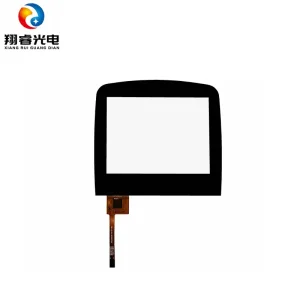
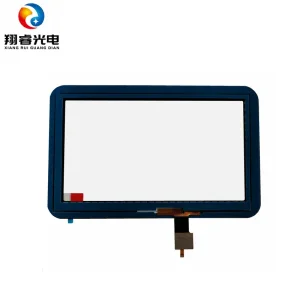
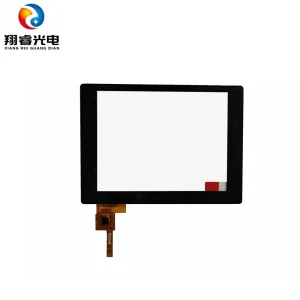
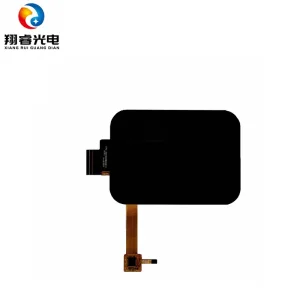
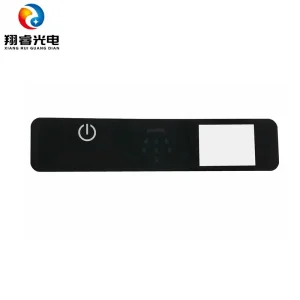
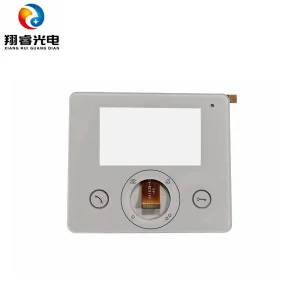
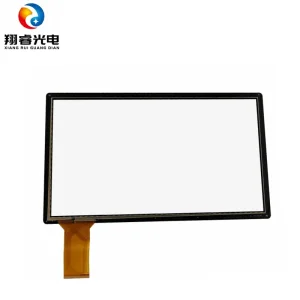
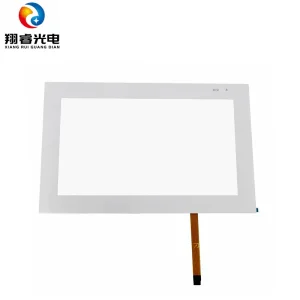
Explore our premium grade touch screens, precision-engineered and custom-bonded to meet rigorous industrial specifications.
Guangzhou Xiangrui Optoelectronics Technology Co., Ltd. is a recognized pioneer in capacitive and resistive touchscreen development.
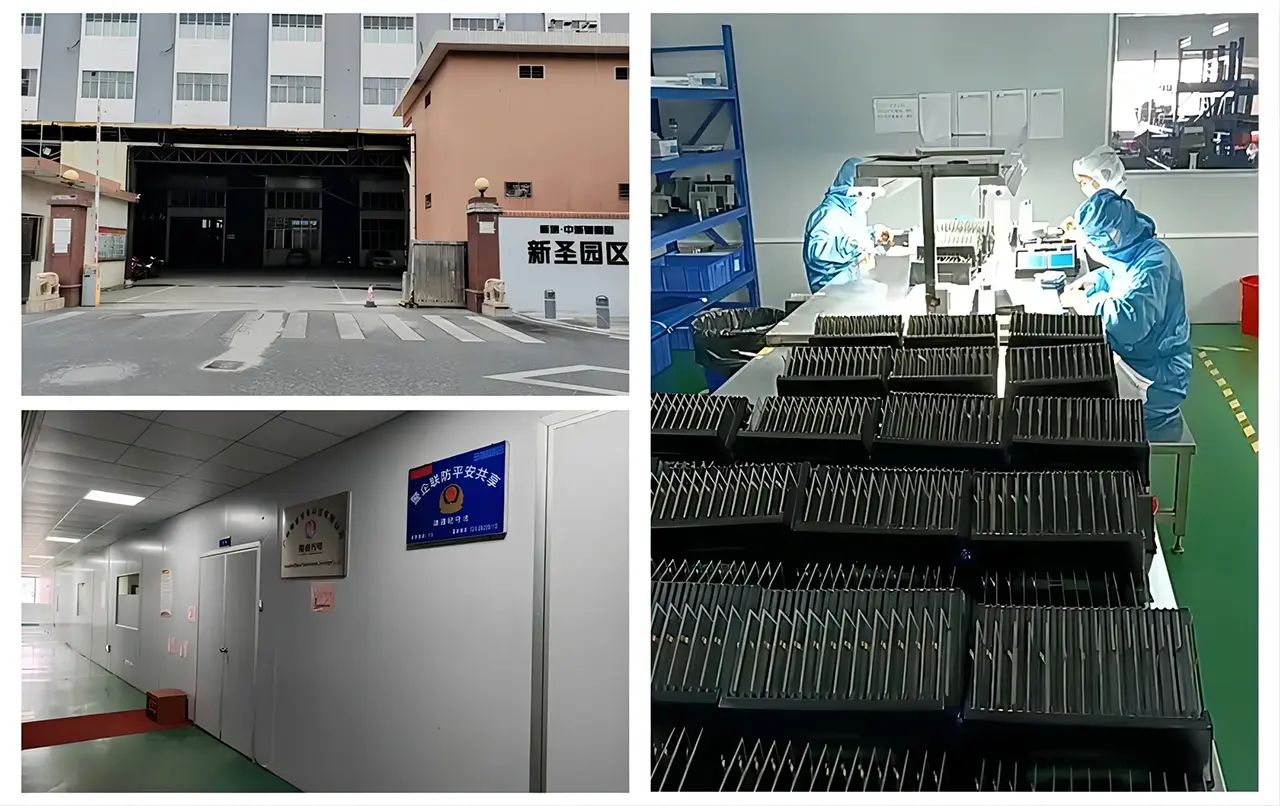
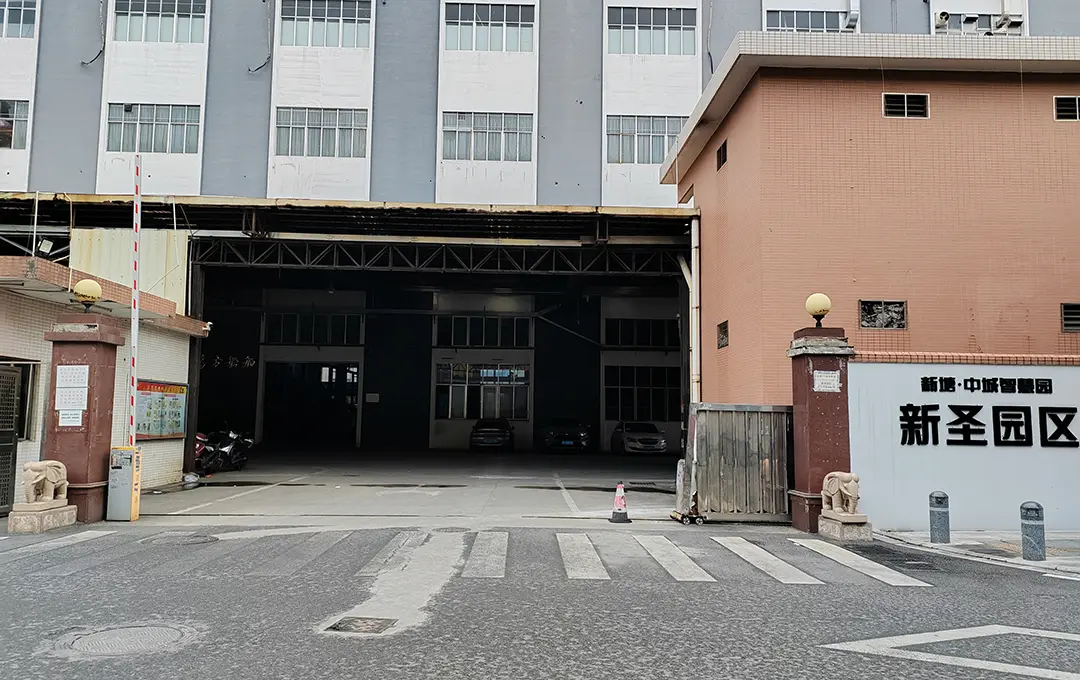
Established in 2010 in Guangzhou, China, we operate a vertically integrated, state-of-the-art facility spanning 3,000 square meters. We specialize in the R&D, advanced manufacturing, customization, and multi-layered optical bonding of premium touch screens, custom cover glass, and complete Human-Machine Interface (HMI) modules. Our production lines conform to ISO 9001 and ISO 14001 international standards, ensuring that every touch component delivered aligns with the highest quality and environmental benchmarks.
By investing heavily in cleanroom environments, automated optical inspection, and automated sensor patterning, we service specialized industries worldwide, including heavy-duty industrial control units, high-precision medical monitors, intelligent smart home ecosystems, rugged marine terminals, and advanced biometric palm-print payment systems.
Understanding the electrical, optical, and mechanical configurations of modern industrial touch interfaces.
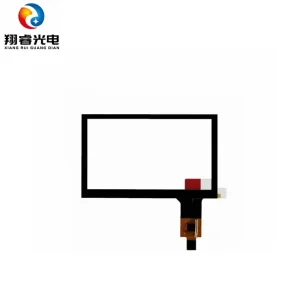
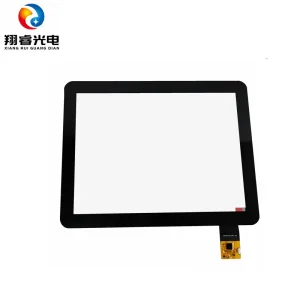
PCAP touchscreens utilize an array of micro-fine etched ITO (Indium Tin Oxide) sensors layered onto glass. When a conductive object (such as a finger or stylus) touches the surface, it alters the localized electrostatic field, changing the mutual capacitance. Modern PCAP controllers filter external noise and recognize multi-touch coordinates. Because they can be sealed behind robust cover glass up to 10mm thick, PCAP interfaces are ideal for high-traffic public terminals, industrial machinery, and outdoor kiosks needing impact protection (IK10).
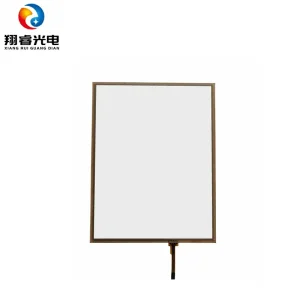
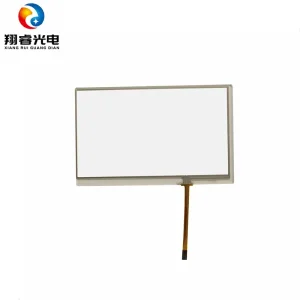
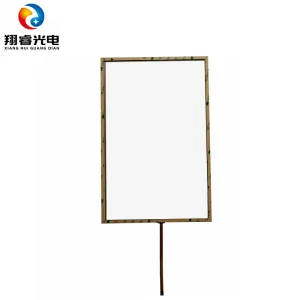
Resistive touch screens rely on mechanical pressure to connect two flexible conductive layers (usually PET and glass coated with ITO) separated by tiny spacer dots. When compressed, the physical contact creates a voltage drop along a resistive grid. Resistive panels are immune to electrical noise (EMI), water splashes, grease, and non-conductive touch inputs (such as thick leather gloves or plastic styluses). They remain a critical component for CNC machinery, medical bedside terminals, and avionics instrumentation where physical input reliability is paramount.
| Parameter / Feature | Projected Capacitive (PCAP) | 5-Wire Analog Resistive | Optical Bonding Configuration |
|---|---|---|---|
| Input Mechanism | Electrostatic field disruption (Conductive / Fingertip / Stylus) | Physical pressure activation (Gloves / Stylus / Any object) | Silicon gel index matching between LCD & Touch Panel |
| Multi-Touch Capability | Up to 10 points (Gestures, swipe, pinch-to-zoom) | Single-touch / Dual-touch (special configurations) | Not applicable (Mechanical reinforcement only) |
| Optical Clarity / Transmittance | >88% (Up to 92% with specialized anti-reflective coatings) | 78% - 82% (Reduced due to PET air gaps) | Improves transmittance by 4-8% by eliminating air interfaces |
| Scratch Resistance (Mohs) | 7H to 9H (Tempered chemical cover glass) | 3H (Due to outer PET film layer) | N/A (Improves overall internal shock resistance) |
| EMC / Noise Immunity | Requires advanced controller tuning (EETI / Ilitek) | Inherently immune to EMI/RFI noise | Reduces internal reflections and display noise resonance |
| Water/Liquid Performance | Requires firmware algorithms for water drop suppression | Completely operational under standing water | Eliminates condensation/fogging within the display cavity |
A look at our rigorous manufacturing processes and quality-first methodology.
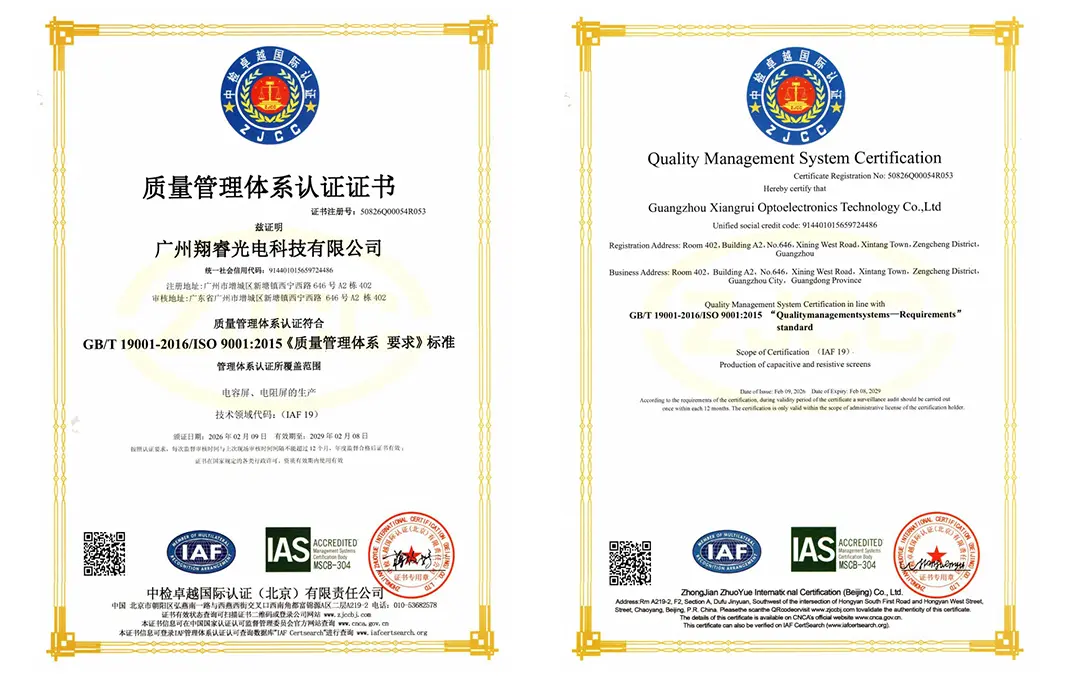
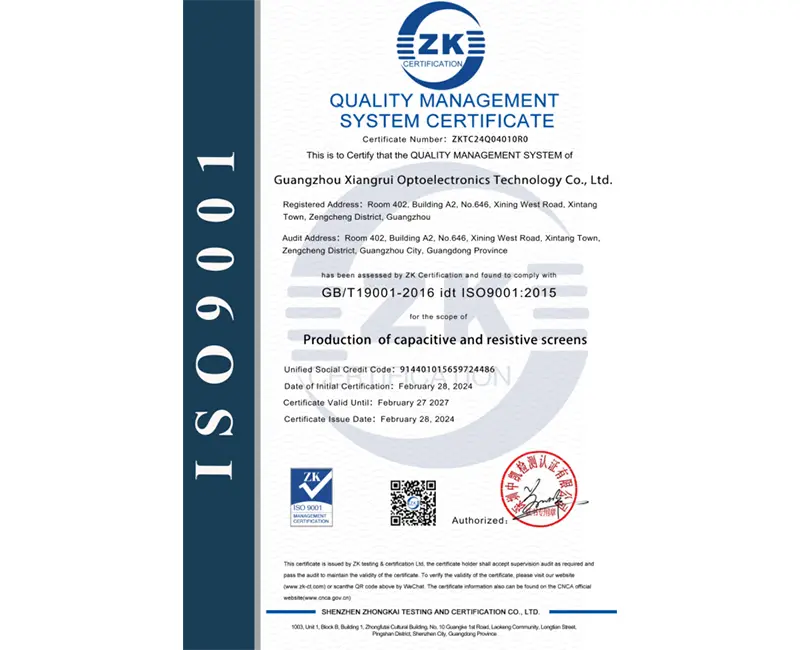
We operate strictly under the ISO 9001 and ISO 14001 frameworks. Every batch of raw ITO glass, PET film, and control IC is verified at receiving inspection (IQC). We maintain long-term partnerships with tier-one suppliers to ensure component consistency and lifetime buy support for industrial products.
Our dedicated R&D division has secured over 30 utility and invention patents. In recognition of our technical contributions, Guangzhou Xiangrui was awarded the "Guangdong Province High-Tech Enterprise" designation in 2022. We regularly implement new materials, such as metal mesh and silver nanowire touch sensors.
We offer both frame/tape bonding and optical bonding in-house. Our Class 100 dust-free workshops prevent dust ingress during the optical bonding process. By utilizing high-transmittance Liquid Optically Clear Adhesive (LOCA) or dry OCA films, we eliminate internal reflections, prevent fogging, and bolster structural integrity.
How we design human-machine interfaces to survive in specialized, harsh, and medical-grade operating environments.
Industrial machinery generates significant electromagnetic interference (EMI) and power surges. Our PCAP touch displays utilize specialized controller boards (EETI/Ilitek) with customized firmware parameters to achieve high noise immunity (CS 10V/m). These panels support operators using thick work gloves, are resistant to lubricants and moisture, and operate under wide industrial temperatures.
Medical touchscreens require reliable touch input, chemical disinfection resistance, and compatibility with latex/nitrile clinical gloves. We customize our cover glass overlays with anti-fingerprint (AF) and anti-glare (AG) coatings, enabling operators to read critical patient parameters from wide angles. Our touch components adhere to IEC 60601-1-2 standards for electrical safety.
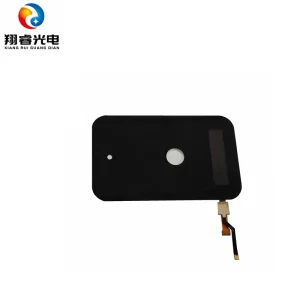
Outdoor systems face intense solar radiation, extreme temperature swings, and physical vandalism. We integrate thick chemical-strengthened glass overlays with UV-blocking films to prevent LCD discoloration. Our customized touch button and palm print recognition panels function under high-glare direct sunlight and carry IP65 protection ratings.
Guaranteeing longevity and functionality under harsh operating environments.
To ensure long-term performance, Guangzhou Xiangrui performs extensive reliability testing at our in-house facility. Each prototype validation stage requires passing tests including Thermal Shock Testing (cycling between -40°C and +85°C), High Temp/High Humidity exposure (60°C, 90% RH for 240 hours), Salt Spray corrosion testing for marine integration, Ball Drop mechanical impact evaluation for IK ratings, and ESD static immunity verification (up to 15kV air discharge).
Additionally, we guarantee regulatory compliance for all global markets. All touch products are manufactured using materials compliant with RoHS and REACH directives, ensuring safe deployment in schools, hospitals, and environmental applications.
Expert answers addressing the design, customization, and deployment of interactive touchscreen modules.
Optical bonding eliminates the air gap between the display panel and the touchscreen sensor. This results in two key advantages: 1) Superior Optical Performance: It eliminates internal light reflections, boosting screen contrast and outdoor readability by up to 300%. 2) Robust Construction: Filling the air gap prevents dust and moisture condensation inside the display while increasing physical shock resistance (vibration, impact, pressure).
Yes. Standard projected capacitive sensors can misinterpret water droplets as capacitive inputs. To resolve this, we configure our controller ICs (EETI or Ilitek) with advanced software algorithms. This allows the system to distinguish between a localized touch and a large, conductive water film, maintaining touch sensitivity and preventing false triggers under humid or wet conditions.
We offer comprehensive glass customization. This includes custom dimensions, thickness ranges (0.5mm to 10mm), chemically tempered processing, chamfered edge profiling, ceramic ink silk printing, and precision mechanical cutouts. We also provide three specialized surface coatings: Anti-Glare (AG) to reduce reflections, Anti-Reflective (AR) to maximize light transmission, and Anti-Fingerprint/Anti-Smudge (AF) to limit grease adhesion.
An IP65 rating requires careful mechanical design and assembly. We achieve this by integrating customized closed-cell silicone gaskets, double-sided industrial tapes, or liquid-applied gaskets between the custom cover glass and the device bezel. Our cleanroom lamination prevents dust ingress, while the sealed front surface blocks pressurized water jets and airborne particles.
Industrial-grade touch panel configurations, including wide-temperature models and optical bonding modules.
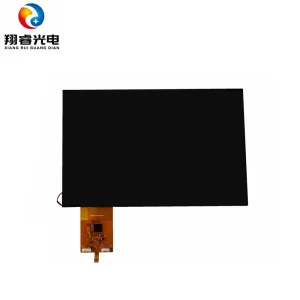
 Xiangrui Optoelectronics