Explore our high-performance capacitive and resistive control solutions built to industrial and enterprise standards.
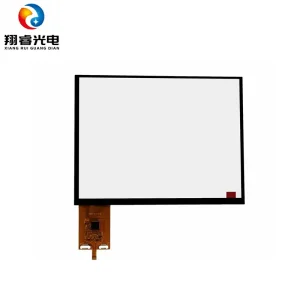
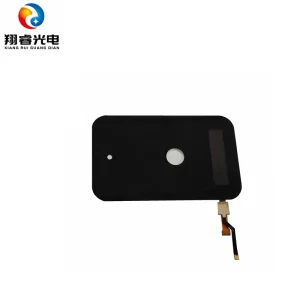
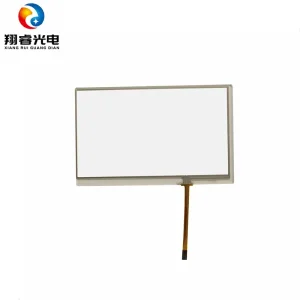
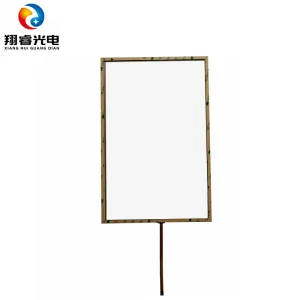
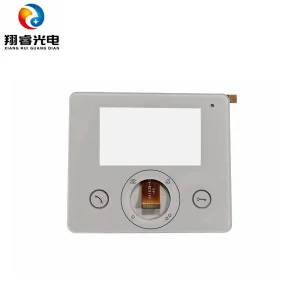
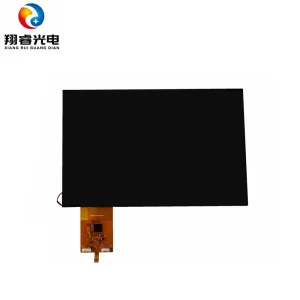
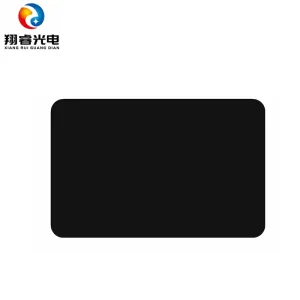
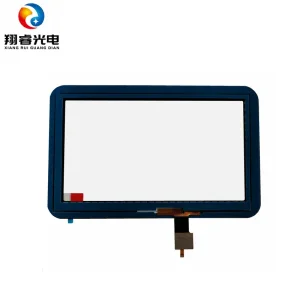
Guangzhou Xiangrui Optoelectronics Technology Co., Ltd. is a premier manufacturer and designer dedicated to providing customized OEM and ODM services. Operating from a fully-equipped manufacturing campus, our production framework integrates modern environmental control standards and automated touch assembly setups to meet the demanding requirements of global commercial, industrial, and medical markets.
Our core product systems include high-durability resistive modules, multi-touch projected capacitive panels (PCAP), robust cover glasses, and advanced display optical bonding. Backed by rigorous quality control protocols, we hold certified operations under ISO 9001 (Quality Management) and ISO 14001 (Environmental Management). Today, Xiangrui products empower industrial control panels, medical devices, advanced smart home appliances, high-bright outdoor terminals, and security-centric palm print recognition payment terminals worldwide.
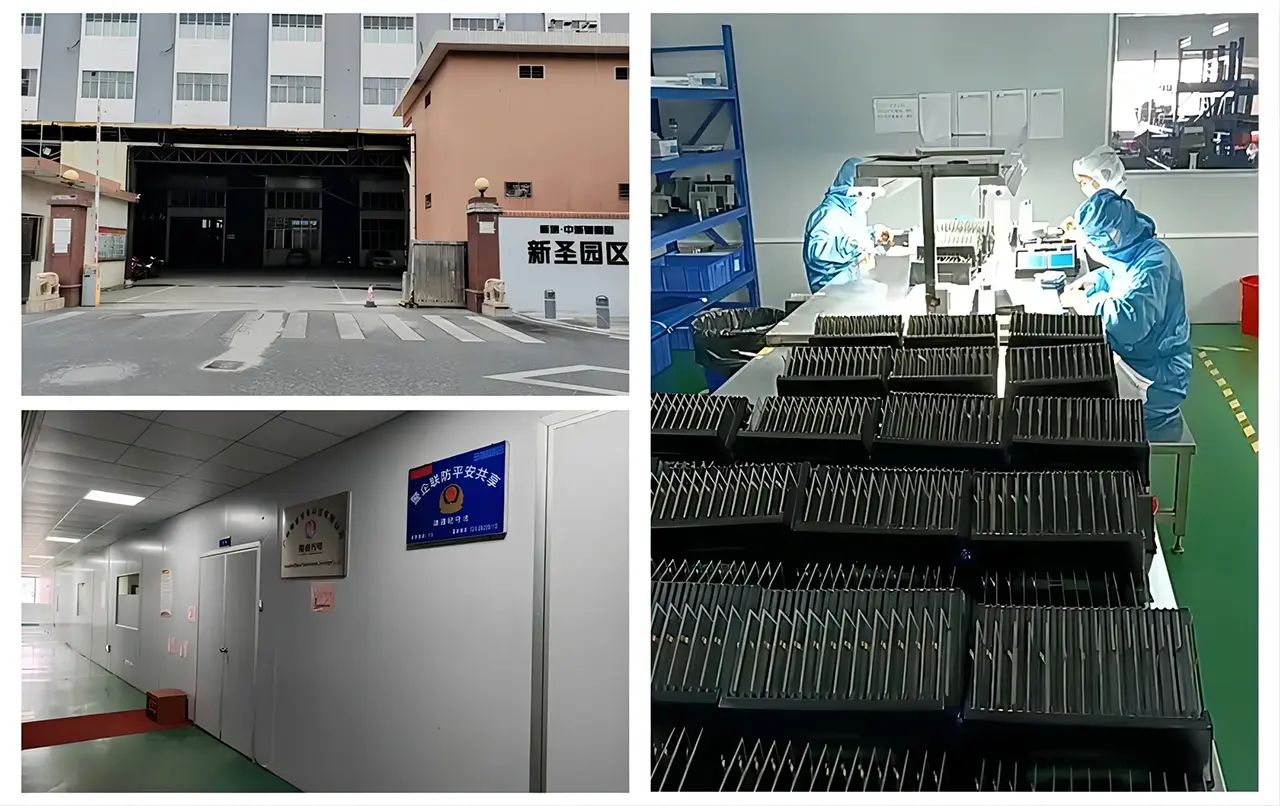
How our manufacturing infrastructure guarantees high yield, precision, and reliable supply continuity.
Touch panel laminations and optical bonding processes are exceptionally sensitive to ambient particulate contamination. Our plant features Class 100, Class 1000, and Class 10000 cleanrooms to manage different production phases, achieving a high product yield and eliminating micro-voids or dust particles in optical layers.
Relying on our in-house engineering team, we actively pioneer new materials, processes, and customized panel architectures. Our R&D operations have secured more than 30 utility and invention patents, allowing us to build tailored structures for complex hardware requirements.
Located in Guangzhou, at the heart of the Guangdong-Hong Kong-Macao Greater Bay Area, we leverage China's most robust display and electronic components supply cluster. This strategic hub ensures rapid sourcing of raw materials, cost-efficient logistics, and stable lead times.
How touch screen structures are evolving to address the next wave of industrial and interactive demands.
The LCD touch display industry is shifting from basic input capabilities to smart, context-aware, and highly rugged human-machine interfaces (HMIs). Modern industrial and commercial deployments demand panels that function flawlessly in extreme temperatures, resist electrical noise, and withstand physical impacts. To meet these needs, the technology has split into two primary paths, each evolving to address specific application environments.
PCAP technology is now standard for interactive systems due to its multi-touch capability, high optical clarity, and flat-front design. Modern PCAP developments focus on improved controller IC algorithms to support operation with thick industrial gloves and to maintain tracking accuracy even when water or saline is on the screen surface. Furthermore, industrial capacitive sensors utilize specialized ITO sensor routing to minimize electromagnetic interference (EMI) in high-voltage industrial zones.
Resistive touch screens remain highly relevant for safety-critical, medical, and specialized industrial interfaces. By utilizing mechanical pressure rather than electrical conductivity, they are immune to electrical noise and can be operated with any stylus, gloved hand, or mechanical tool. Innovations in resistive design feature upgraded Top-Film ITO formulations and glass-on-glass constructions, extending operations from standard 4-wire layouts to highly durable 5-wire architectures designed for over 35 million actuations in a single point.
To optimize performance under intense sunlight and outdoor conditions, display modules are transitioning from frame fitting (air-bonding) to full optical bonding. Optical bonding fills the air gap between the display panel and the touch sensor with a refractive-index-matched optical resin (LOCA/OCR). This process reduces ambient light reflection by up to 90%, improves shock absorption, and prevents moisture condensation between layers. Additionally, specialized AG (Anti-Glare), AR (Anti-Reflective), and AF (Anti-Fingerprint) coatings are applied to the cover glass to maximize readability and ease of maintenance.
Customized display solutions configured for specific operating environments and regulatory standards.
Our touch panels are designed to resist industrial electromagnetic interference, high temperatures, humidity, and vibration. Resistive and thick-cover PCAP displays operate reliably near heavy machinery and frequency converters.
Equipped with fluid-resistant glass surfaces, our medical touch screens support operation with medical surgical gloves and are compatible with harsh chemical disinfectants used in sterile hospital environments.
We supply aesthetic cover glasses featuring integrated touch keys, edge chamfering, and customized screen printing. These solutions integrate into smart refrigerators, control panels, and home automation systems.
Designed with scratch-resistant, high-transparency glass, our biometric-optimized interfaces provide the optical clarity required by scanning sensors and palm print recognition payment terminals.
Key technical criteria for global sourcing agents and engineering teams.
Selecting a touch display manufacturer involves looking beyond unit cost. To ensure long-term product reliability and compatibility, engineering and procurement teams should evaluate potential partners using several key criteria:
The quality of a touch panel depends on its raw materials. Evaluate if the manufacturer sources optical adhesives, ITO films, and controller ICs from recognized tier-1 suppliers. High-grade ITO film prevents resistance drift, ensuring the touch screen remains calibrated over years of continuous operation.
A reliable factory should feature in-house testing equipment to verify performance under environmental stress. This includes thermal shock chambers, UV aging testers, salt spray cabinets (critical for marine/outdoor designs), and ESD testers to check resistance to electrostatic discharge.
Determine whether the factory offers both frame fitting and full optical bonding. While frame fitting is cost-effective, optical bonding is necessary for outdoor readability, impact protection, and preventing moisture entry.
Direct engineering collaboration, environmental standards, and quality certifications.
Guangzhou Xiangrui Optoelectronics Technology Co., Ltd. provides comprehensive engineering support throughout your product development cycle. Our design team collaborates directly with your mechanical and software engineers to verify glass tolerances, tail FPC routing, and controller driver integration (supporting Windows, Linux, Android, and RTOS).
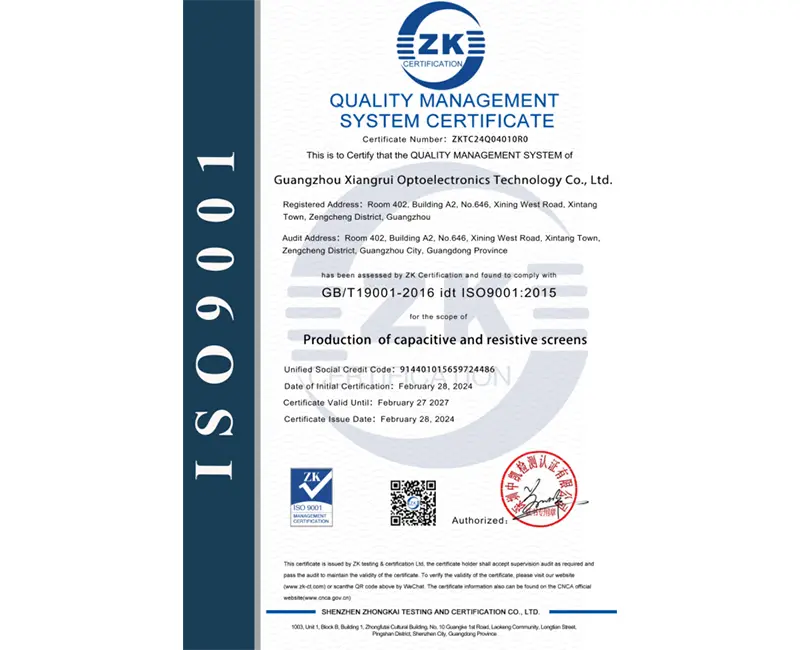
Our operations maintain strict adherence to international safety and environmental regulations:
Answers to common technical, design, and sourcing questions about LCD touch displays.
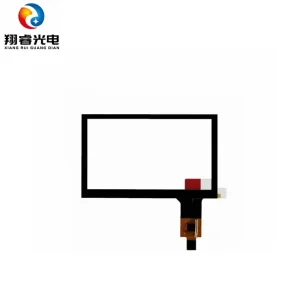
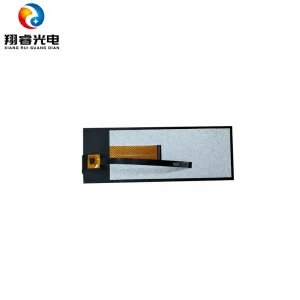
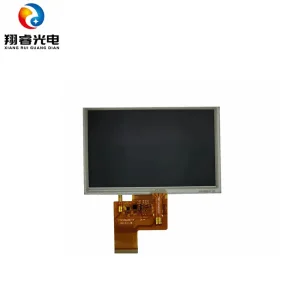
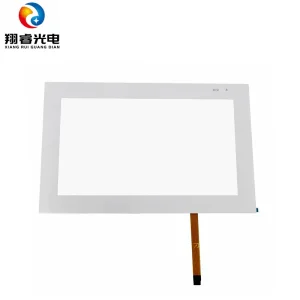
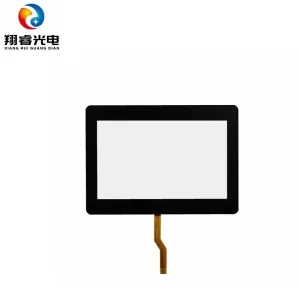
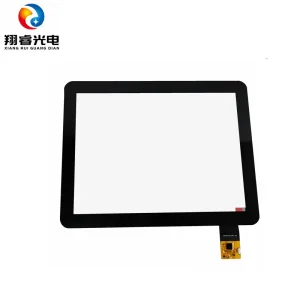
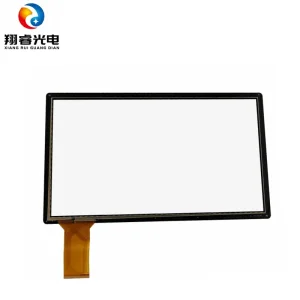
Our high-reliability products, optimized for commercial applications, medical systems, and payment terminals.
 Xiangrui Optoelectronics