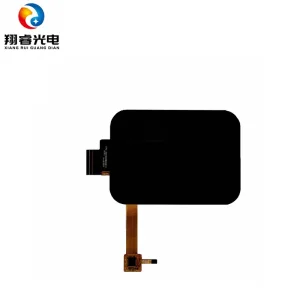
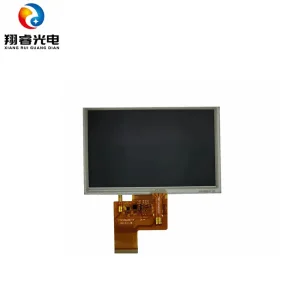
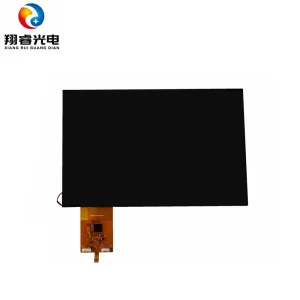
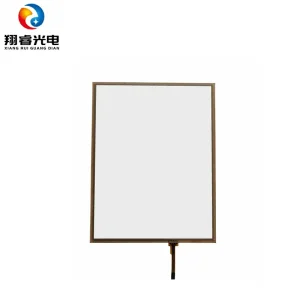
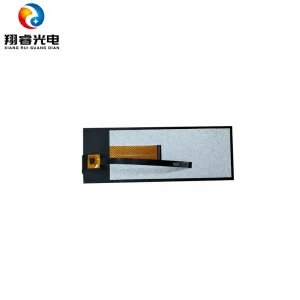
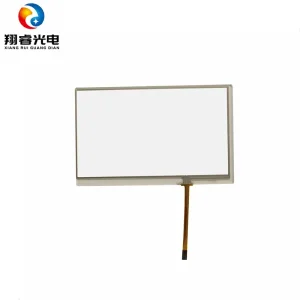
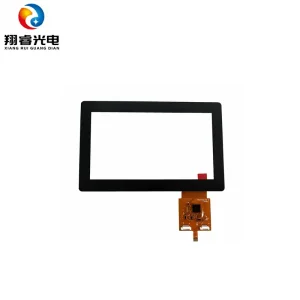
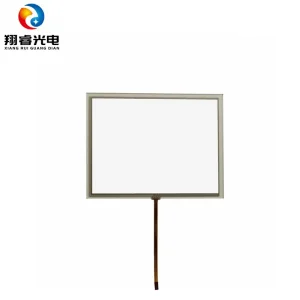
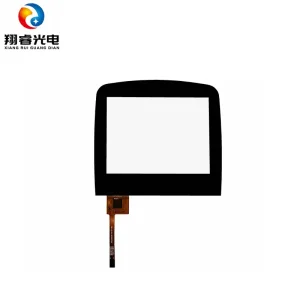
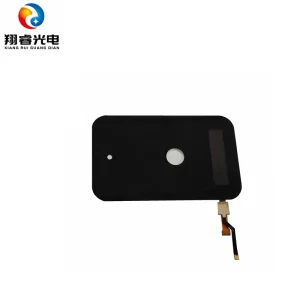
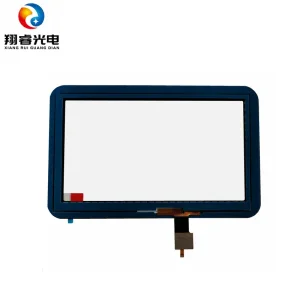
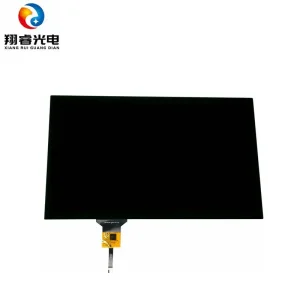
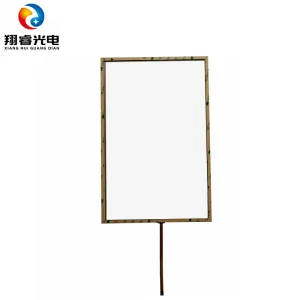
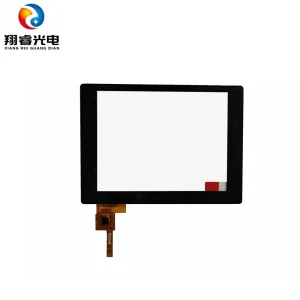
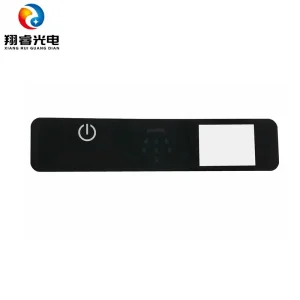
Explore our foundational range of optical bonding and frame-fitting touch systems, engineered to pass rigorous industrial and medical certifications.
Operating from the global electronic design and manufacturing powerhouse of Guangzhou, China, we are an integrated tech company dedicated to the engineering, production, global logistics, and support of precision resistive touch panels, capacitive touch panels, chemical-strengthened cover glass, and complex optical module bonding solutions. We operate on a foundational design ethos: delivering custom, high-reliability HMI assemblies tailored to each client's target industry vertical.
Whether you require deep custom touch solutions for outdoor palm-print payment terminals, marine display interfaces, or high-humidity smart home systems, our R&D engineers deliver prototype-to-mass manufacturing support.
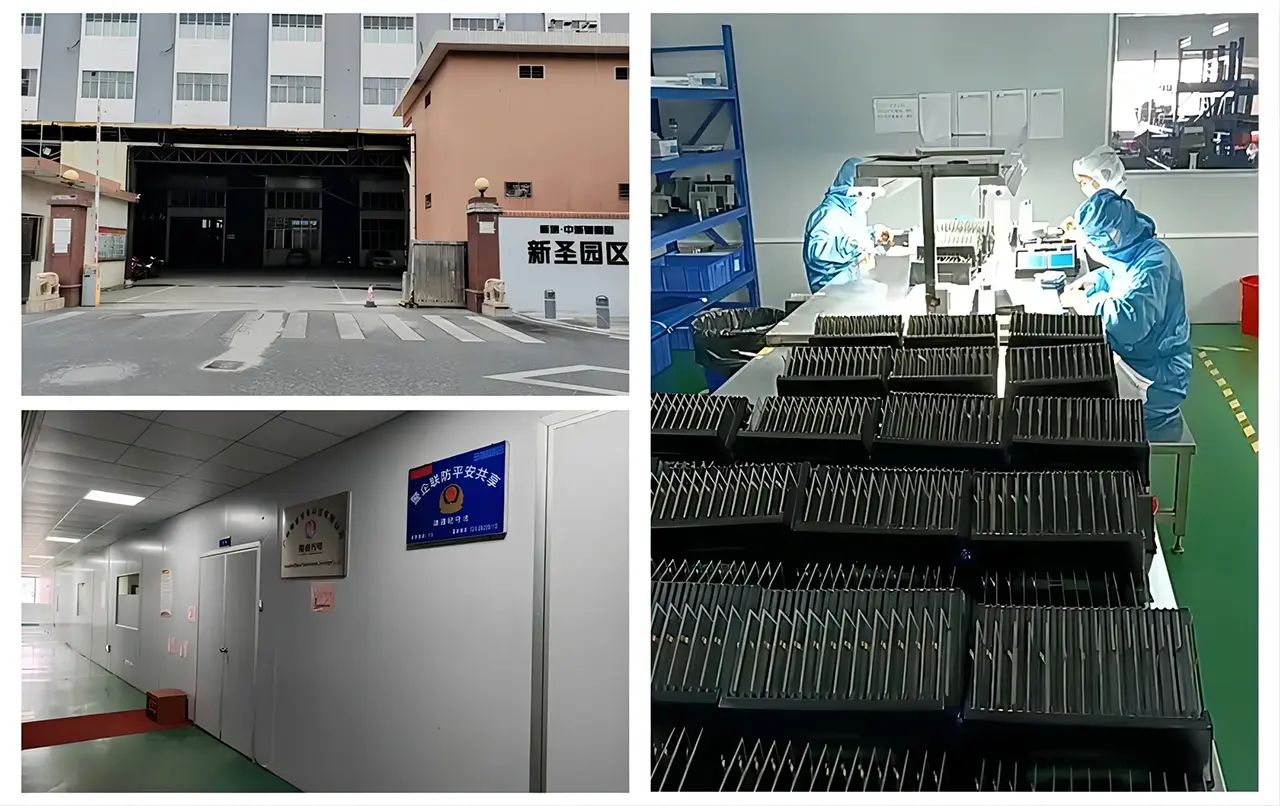
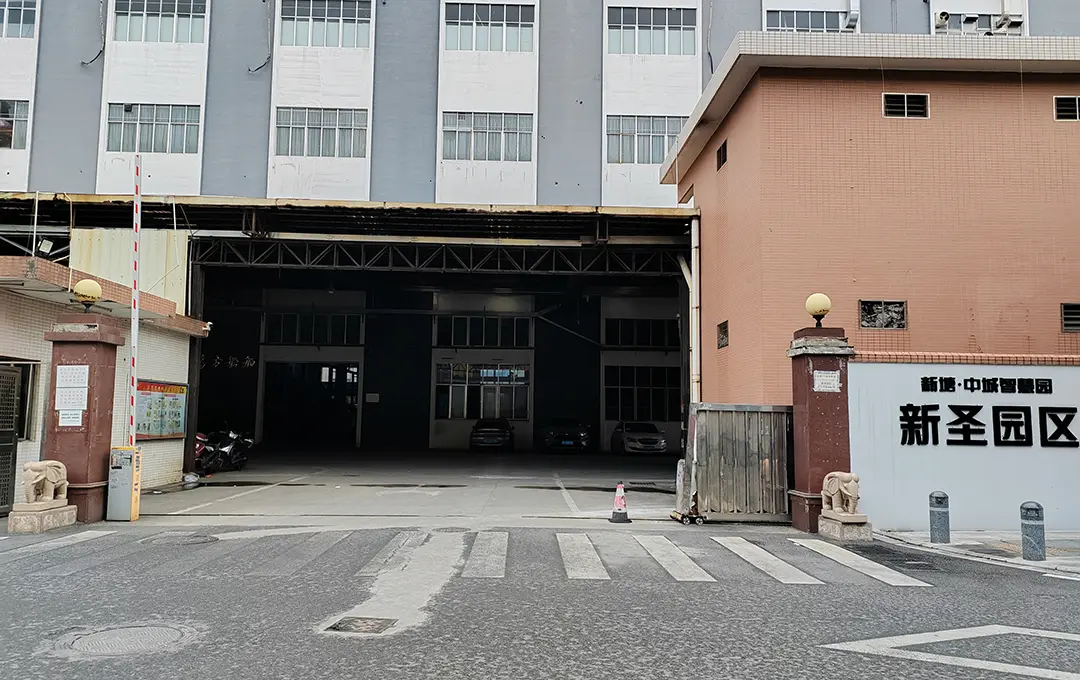
High-yield optoelectronic touch panel manufacturing requires meticulous environmental control. Our facility boasts strict particle-controlled micro-climates for clean assembly.
Our total plant floor covers an expansive 3,000 square meters (with an overall factory site footprint extending up to 10,000 square meters). It houses separate cleanroom environments corresponding to Class 100, Class 1,000, and Class 10,000 particle limits. This ensures zero dust ingress during critical optical bonding (LOCA/OCA) and cover plate lamination cycles.
A technical guide analyzing electrical, optical, and structural differences in Resistive and Projected Capacitive interfaces.
Utilizes an array of micro-patterned Indium Tin Oxide (ITO) layers to register touch based on electrical capacitance changes induced by a finger or conductive stylus.
Pressure-activated technology consisting of two flexible conductive layers separated by insulating micro-dots. Ideal for legacy controls or heavy glove applications.
Eliminates the air gap between the touch layer and the LCD module using premium optical grade adhesives (Liquid Optically Clear Adhesive or dry films).
Global supply chain managers must evaluate touchscreen life cycles beyond initial unit cost. The total cost of ownership (TCO) of display modules in rugged fields (such as marine bridges, heavy industrial assembly, or self-service kiosks) is governed by environmental endurance. Key failure points typically include ITO delamination due to moisture ingress, electrostatic discharge (ESD) controller failure, or cover glass fracture from mechanical impacts.
At Guangzhou Xiangrui, we address these challenges at the material level. Our customized Projected Capacitive controllers (featuring EETI, Ilitek, or Goodix chipsets) are pre-tuned to reject high electromagnetic emissions (EMI) and operate smoothly under direct moisture contact. Our optical bonding division applies UV-cured acrylic adhesives that resist yellowing over extended sun exposure, making our modules the first choice for outdoor environments.
We operate under the core business tenet: "Reputation First, Quality Satisfaction, Timely Delivery, and Hand-in-Hand Cooperation." Through our close long-term partnerships with leading display glass panel manufacturers and top controller IC designers, we ensure continuous component supply and high consistency across production batches.
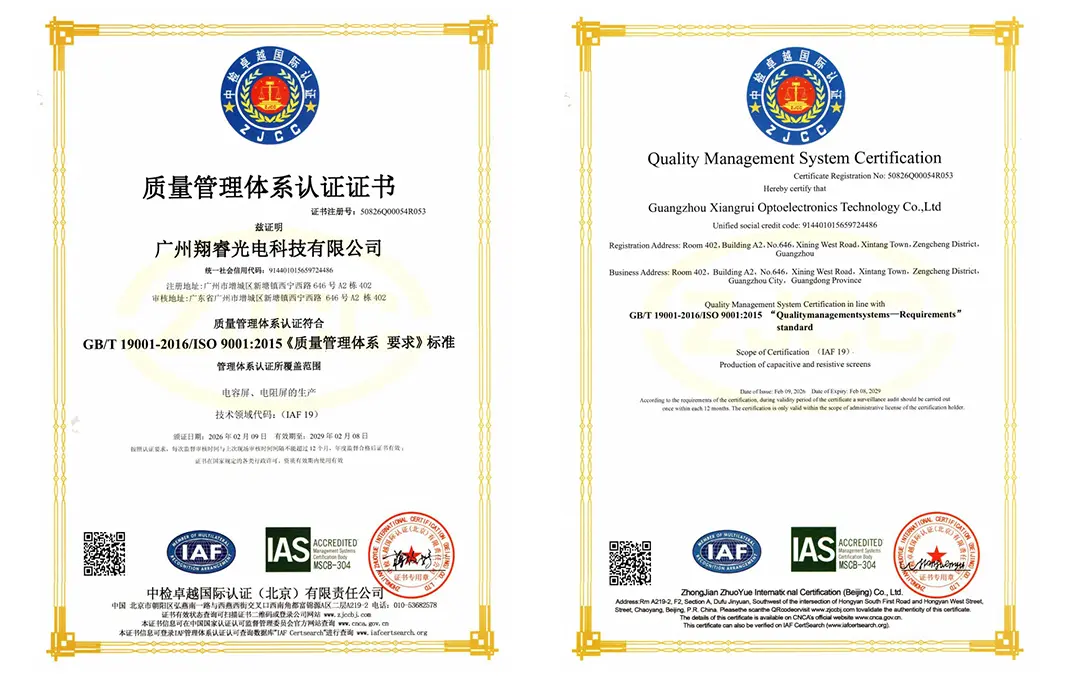
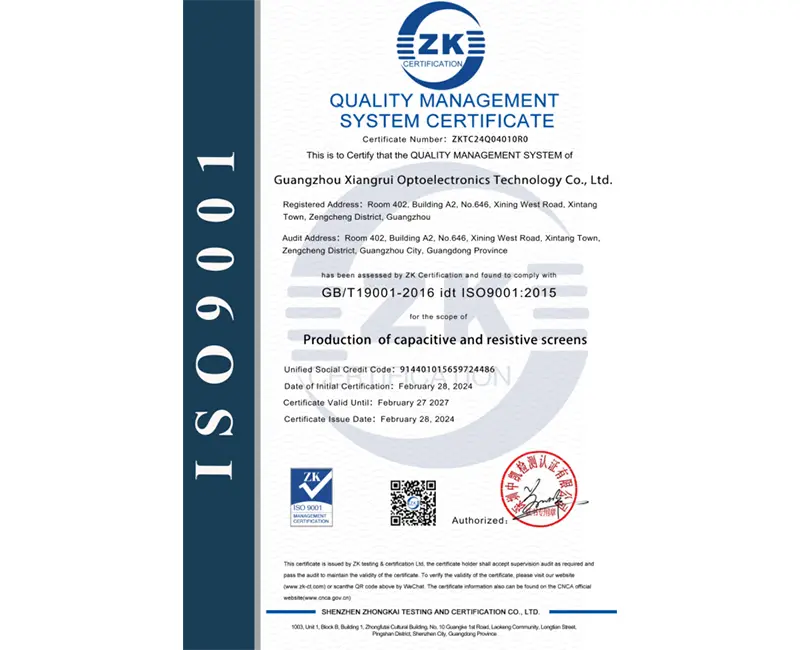
Our manufacturing lines operate under ISO 9001 and ISO 14001. Raw materials undergo detailed incoming quality control (IQC) before entering cleanrooms.
Honored as a Guangdong High-Tech Enterprise in 2022, we maintain over 30 utility patents that improve touch sensitivity and glass edge resistance.
We custom print cover glass patterns, apply anti-reflective (AR), anti-glare (AG), and anti-fingerprint (AF) finishes, and alter substrate thicknesses to meet IK-rated mechanical impacts.
How Guangzhou Xiangrui touch systems adapt to the operational environments of modern vertical markets.
Our PCAP assemblies offer seamless operation when cleaned with medical chemical disinfectants. Designed with controller chip tuning to recognize inputs from latex, nitrile, or surgical gloves, preventing mis-touches during vital procedures.
Designed for constant 24/7 assembly floor duty. Features thick cover glass (up to 6mm) for protection against tool impacts, wide-operating temperatures (-30°C to +80°C), and high noise cancellation properties to counteract electric motor interference.
High-resolution displays with integrated custom capacitive touch sensors, ideal for residential smart hubs and commercial palm print recognition payment terminals. Features high optical clarity and responsive surface friction control.
Where touch screen interfaces are going in the next 5 years, and how we are preparing for it.
As touch screens operate in direct sunlight or high overhead light environments, surface reflections become a primary source of operator eye fatigue. Our roadmap integrates advanced wet-chemical etching and physical vapor deposition (PVD) coatings:
Anti-Glare (AG): Chemically etches the cover glass face, scattering reflected light to eliminate high-intensity mirror reflections.
Anti-Reflective (AR): Applies multi-layer metal oxide films that use destructive wave interference to lower absolute surface reflectance under 1.5%.
Anti-Fingerprint (AF): A hydrophobic coating that resists oils and skin contact traces, maintaining a clean surface and reducing clean cycles.
Traditional capacitive screens fail when covered in water droplets. Our engineering team works on next-generation controller firmware modifications that actively monitor spatial self-capacitance and mutual-capacitance concurrently:
Explore our high-performance display panel components designed for small-footprint, hand-held, or heavy industrial display units.
Ensuring smooth import validation and reliable supply lines for our international partners.
Global businesses face evolving tariff configurations, environmental regulations, and logistics delays. Guangzhou Xiangrui has optimized export pipelines to ensure consistent delivery. We maintain safety stock buffers of critical raw materials (such as processed cover glass and controller IC chipsets) to protect your production timeline from spot-market supply shocks.
| Regulatory Area | Compliance Level | Target Markets |
|---|---|---|
| ISO 9001:2015 | Full production lineage logging and quality assurance tracking | Global |
| RoHS Directive | Lead-free, cadmium-free materials across all component layers | EU / North America |
| REACH Regulation | No SVHC substances above 0.1% weight threshold in final assemblies | EU / Global |
| CE / FCC | Pre-scanned emissions profiles on controller boards to simplify certification | EU / Americas |
Answering common design and production questions from our global engineering clients.
 Xiangrui Optoelectronics