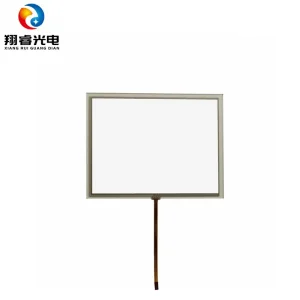
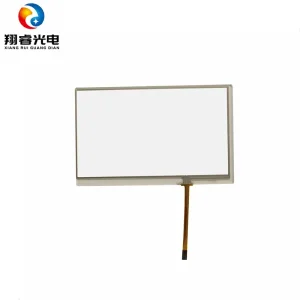
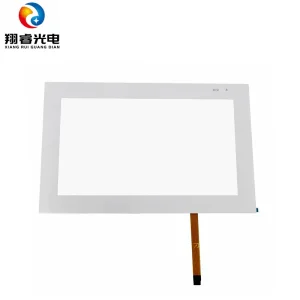
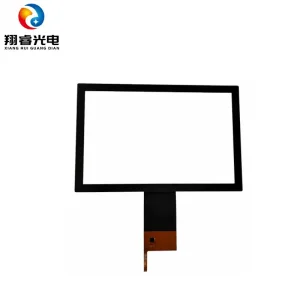
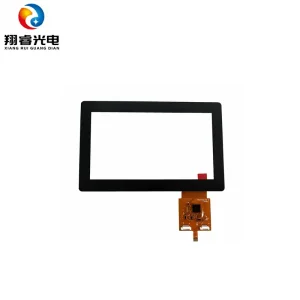
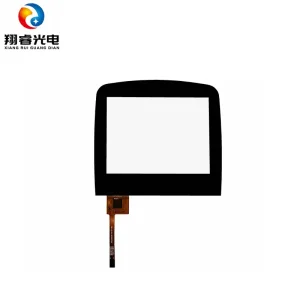
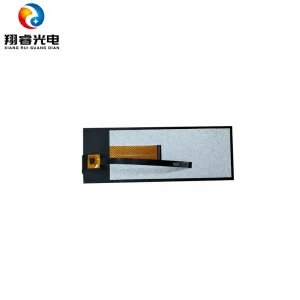
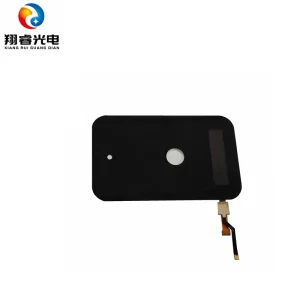
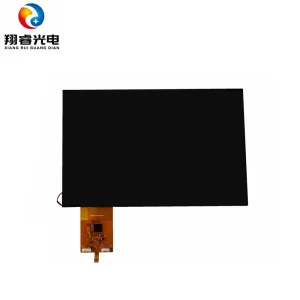
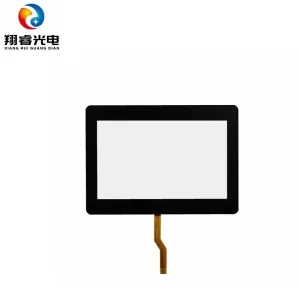
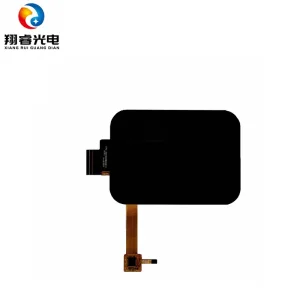
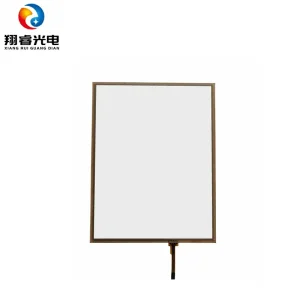
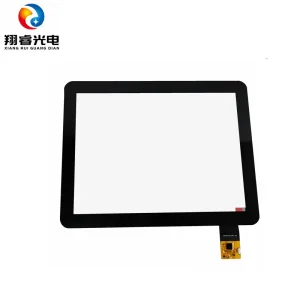
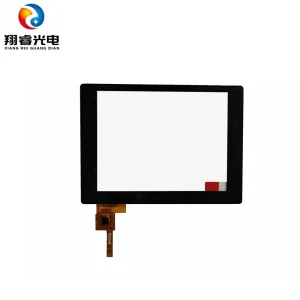
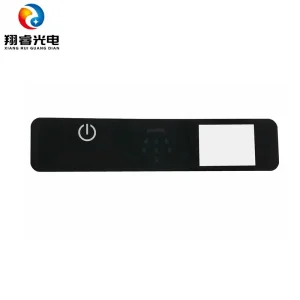
Explore our robust selection of custom touch arrays, capacitive sensor films, and high-durability cover glass solutions designed for industrial-grade HMI platforms.
The technological shift from mechanical switches to smart solid-state touch surfaces: Principles, advantages, and system integration strategies.
Traditional mechanical switches suffer from spring fatigue, micro-cracks, and environmental contamination (dust/liquids). Custom capacitive power buttons utilize solid-state touch sensing, offering a wear-free control layer that matches the lifetime of the host controller device.
By using continuous glass, plastic, or acrylic cover lenses, capacitive buttons allow for completely sealed front panels. Meet rigorous IP65, IP67, and IP69K requirements, preventing moisture, chemical washdowns, and micro-particles from invading sensitive circuitry.
Capacitive touch controllers measure shifts in mutual or self-capacitance. Our buttons feature customizable sensitivity threshold settings, adaptive noise filters, and automatic calibration routines to filter out false triggers from water droplets or accidental glove contact.
Founded in 2010 and headquartered in Guangzhou, China, we are a premier manufacturer dedicated to the research, development, production, and service of high-performance resistive touch panels, capacitive touch panels, customized cover glass, and full module optical bonding. Over the past decade, we have established ourselves as an industry leader in customized touch and key control panels.
Our facility operates under rigorous international quality frameworks. We possess certified ISO 9001 and ISO 14001 management systems. To meet the demanding particle-free bonding environment required for automotive, medical, and aerospace-grade control systems, our site features advanced Class 100, Class 1000, and Class 10000 cleanroom workshops.
We pride ourselves on offering flexible, end-to-end design modification. Whether you require a single, custom-shaped capacitive power button, integrated backlighting, ultra-thick cover glass (up to 15mm), or chemical strengthening treatments, our engineering staff translates your schematic drawings into robust hardware realities.
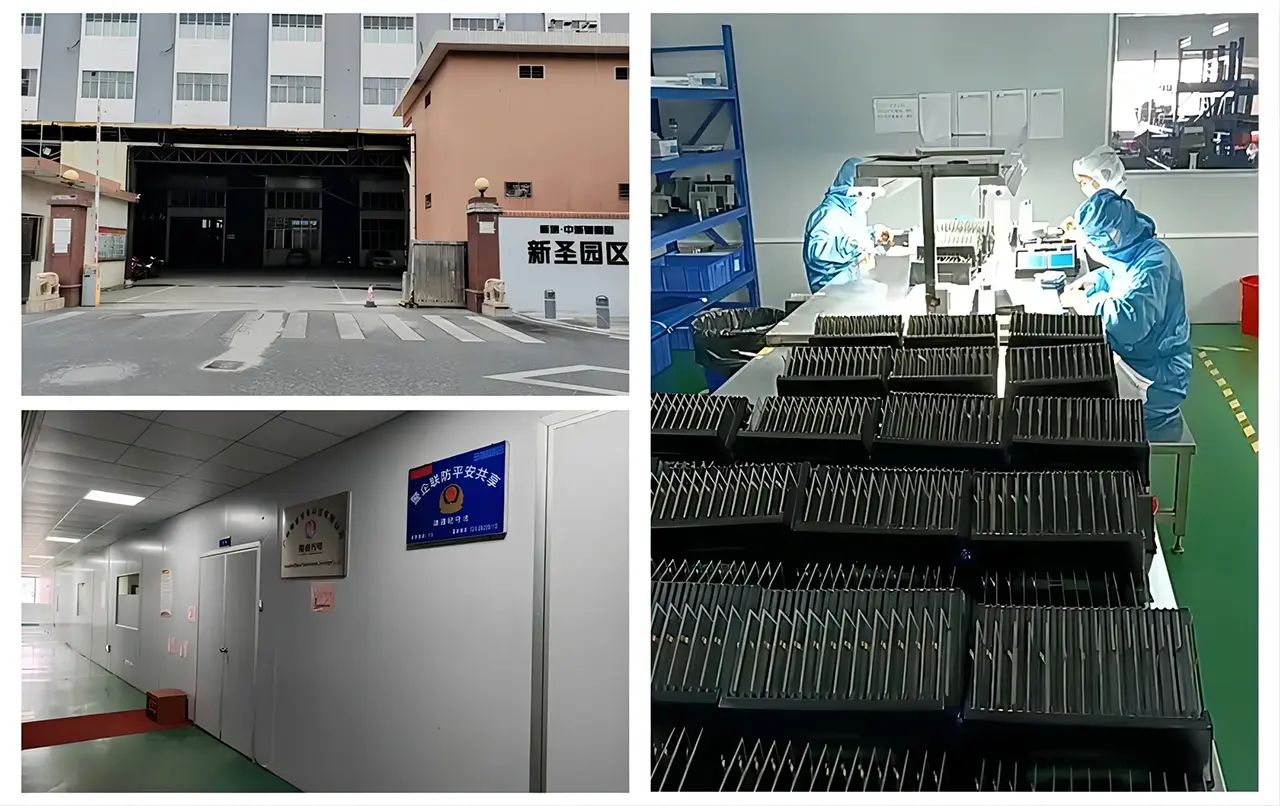
Engineering specifications and manufacturing limits for our custom solid-state buttons and capacitive arrays.
| Parameter / Feature | Standard Specification Range | Premium / Industrial Custom Options |
|---|---|---|
| Dielectric Overlay Materials | Tempered Cover Glass (0.7mm – 3.0mm) | Thick PMMA/Polycarbonate, chemically strengthened glass (up to 15mm) |
| Sensor Types | ITO (Indium Tin Oxide) Film, Mutual Capacitance | High-transmittance Metal Mesh, FTO, Silver Nanowires |
| Water/Fluid Immunity | Water-resistant touch tracking algorithms | Active Shield Sensor Channel for IP69K full wet operation |
| Integration & Bonding | Air Bonding (Tape / Perimeter adhesive gasket) | LOCA (Liquid Optical Clear Adhesive) / OCA Optical Bonding |
| Operating Temperature | -20°C to +70°C | Wide-Temp Industrial grade: -40°C to +85°C |
| Cover Glass Treatments | Clear Glass (Standard) | Anti-Glare (AG), Anti-Reflective (AR), Anti-Fingerprint (AF) |
| Input Recognition | Bare finger, conductive stylus | Thick leather gloves, double-point touch, gestures |
| ESD Protection | Contact: ±4kV, Air: ±8kV | Enhanced ESD system shielding: Contact ±15kV, Air ±25kV |
How our custom capacitive power buttons and touch assemblies resolve harsh, real-world deployment challenges.
Medical devices require aggressive disinfection with chemicals like isopropyl alcohol and bleach. Our custom capacitive buttons are placed beneath a continuous, flat cover glass layer, eliminating seams where pathogens hide. Medical operators can seamlessly cycle power or operate devices with surgical gloves.
Heavy machinery and marine electronics face constant moisture, vibration, and salt mist. Standard buttons degrade under corrosion. We engineer capacitive power nodes utilizing specialized ICs that distinguish between conductive water film and a deliberate finger press, preserving control integrity even under constant seawater exposure.
Unattended public kiosks are vulnerable to vandalism and environmental wear. Our optical bonding custom panels, incorporating thick cover glass (up to 6mm Mohs 7 rating) and anti-glare coatings, ensure IK08/IK10 impact protection, UV resistance (no yellowing over time), and flawless daylight readability.
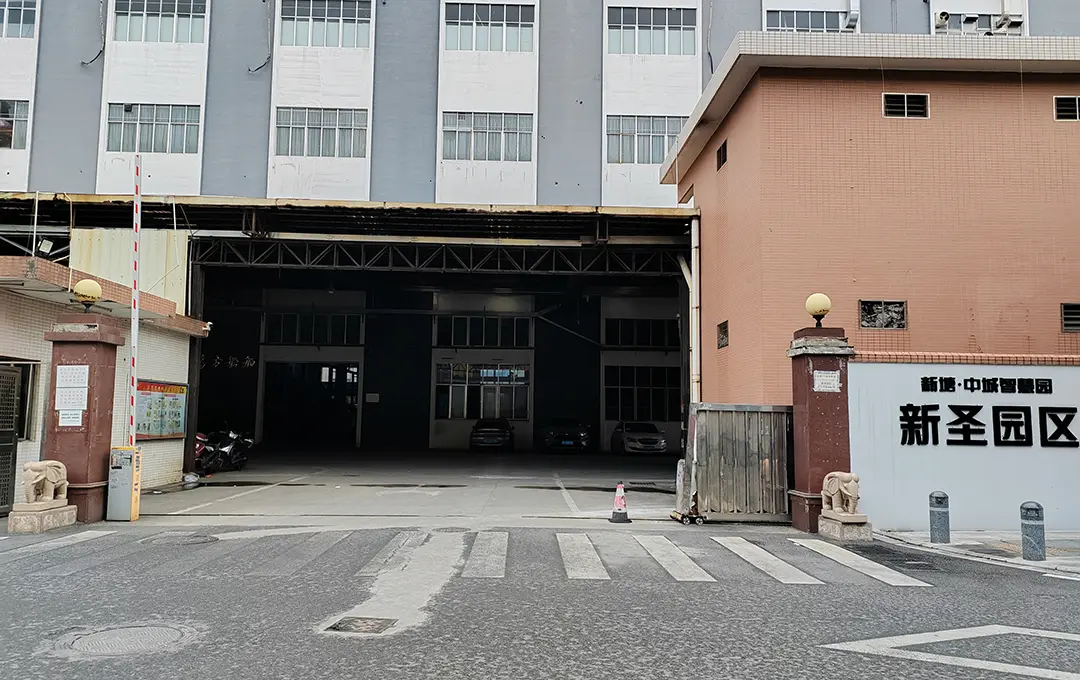
Operating out of Guangzhou, one of the world's most advanced optoelectronic manufacturing clusters, Guangzhou Xiangrui Optoelectronics leverages a mature component ecosystem. The geographic proximity of specialized glass chemical tempering lines, high-performance controller IC suppliers, and flexible print circuit (FPC) factories ensures rapid turnaround cycles.
Traditional manufacturing setups require weeks to adapt customized panel dimensions. Our engineering teams leverage in-house CAD tooling and precise laser-etching machines, compressing the prototype phase down to 10-15 business days. Once validated, our dust-free high-volume production lines scale production, guaranteeing timely delivery for global rollouts.
Every custom capacitive button and touch panel undergoes strict environmental stress profiling. We verify reliability through extreme thermal cycling (-40°C to +85°C), high-humidity test chambers, drop impact testing, and electrostatic discharge (ESD) calibration to verify the structural integrity and electrical stability of our systems.
A forward-looking view into emerging technologies integrated into capacitive power switches and interfaces.
One challenge of solid-state buttons is the lack of physical feedback. We are engineering integrations featuring ultra-thin piezoelectric actuators and linear resonant motors (LRAs), supplying tactile clicks directly to the user's finger upon capacitive threshold activation.
Moving away from completely flat cover plates, our latest R&D focuses on injection-molded plastic contours and 3D thermoformed glass overlay patterns. This enables ergonomically hollowed-out power buttons that operators can easily locate blindly.
By tuning the integrated controller's gain parameters, we can detect a approaching hand up to 50mm away. This triggers backlighting from standby mode to high brightness, leading to cleaner interfaces and energy conservation.
We align our internal manufacturing standards to match demanding global regulatory requirements.
All finished panels, touch screens, and capacitive button sub-assemblies produced at our facility are fully compliant with RoHS and REACH regulations. This clean chemistry ensures smooth entry into European, Japanese, and North American consumer and medical markets.
High sensitivity capacitive sensors can act as antennas, capturing background electrical noise. Our engineers optimize PCB ground plane routing and configure onboard controller firmware filtering (supporting I2C, SPI, or USB communications) to achieve FCC and CE EMC test standards.
We work directly with your engineering departments. From providing native CAD drawings and raw sample modules to custom tuning controller firmware for specific glove thicknesses, we bridge the gap between design conceptualization and physical validation.
Expert technical answers addressing layout challenges, moisture immunity, bonding options, and customized manufacturing limits.
Moisture conducts electricity and can mimic a human finger touch. To mitigate this, we employ two primary techniques: First, we implement active shield electrodes that isolate ground loops. Second, we integrate advanced touch controllers (such as Microchip or Cypress chipsets) configured to analyze the impedance profile of the touch. This allows the controller to ignore uniform water films while accurately detecting a local finger press.
Yes. While standard panels support overlays up to 3mm, our engineers can tune the mutual-capacitance parameters and controller sensitivity thresholds to operate through glass up to 15mm thick or polycarbonate/acrylic overlays up to 10mm thick. This is particularly critical for vandal-proof public systems and heavy-duty industrial applications.
Our standard MOQ for custom tooling runs starts as low as 100 to 500 units, depending on the complexity of the cover glass processing and PCB structure. Engineering drawings are typically completed within 3-5 working days. Once tooling is finalized, samples are produced in 2 to 3 weeks, and production runs take approximately 3 to 4 weeks.
Perimeter tape bonding leaves an insulating air gap between the touch panel and the LCD display. This air gap can collect moisture, cause internal reflections, and reduce visibility in direct sunlight. Optical bonding (using OCA or LOCA gel) completely fills this gap, eliminating condensation, enhancing contrast by up to 400%, and dramatically improving mechanical impact resistance.
Discover more of our engineered touch panels, featuring advanced optical bonding, wide-temperature resistance, and high industrial-grade reliability.
 Xiangrui Optoelectronics