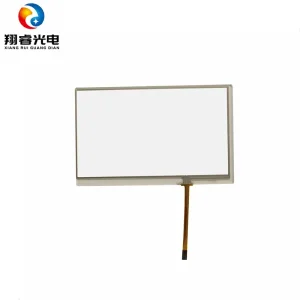
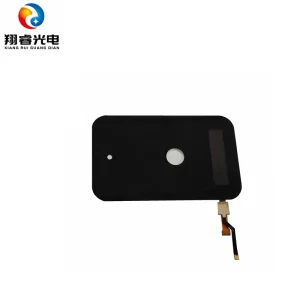
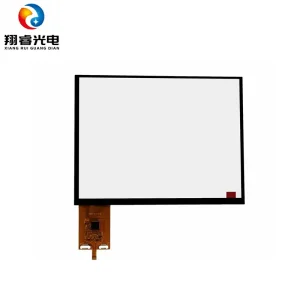
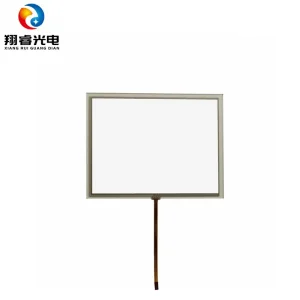
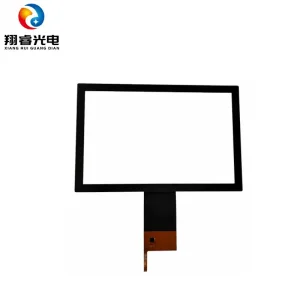
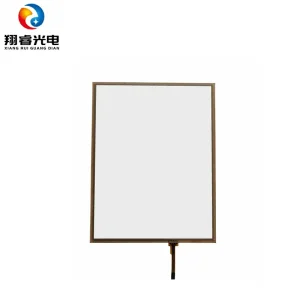
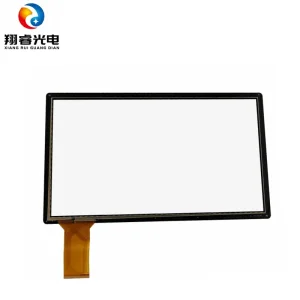
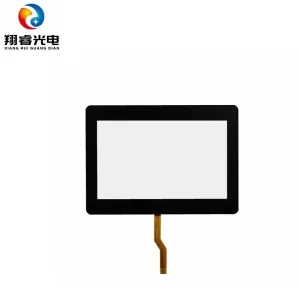
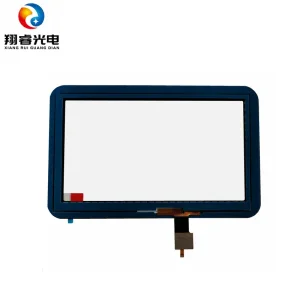
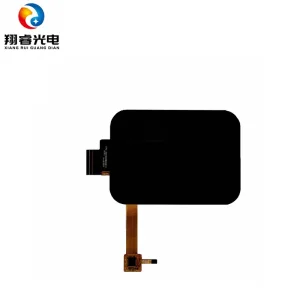
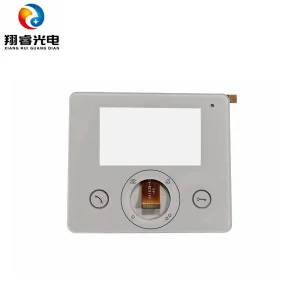
Explore our leading selection of custom optical-bonded capacitive touch panels and extreme-environment industrial interfaces.
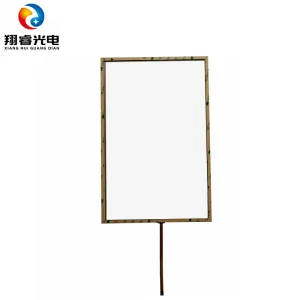
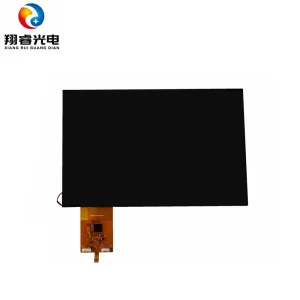
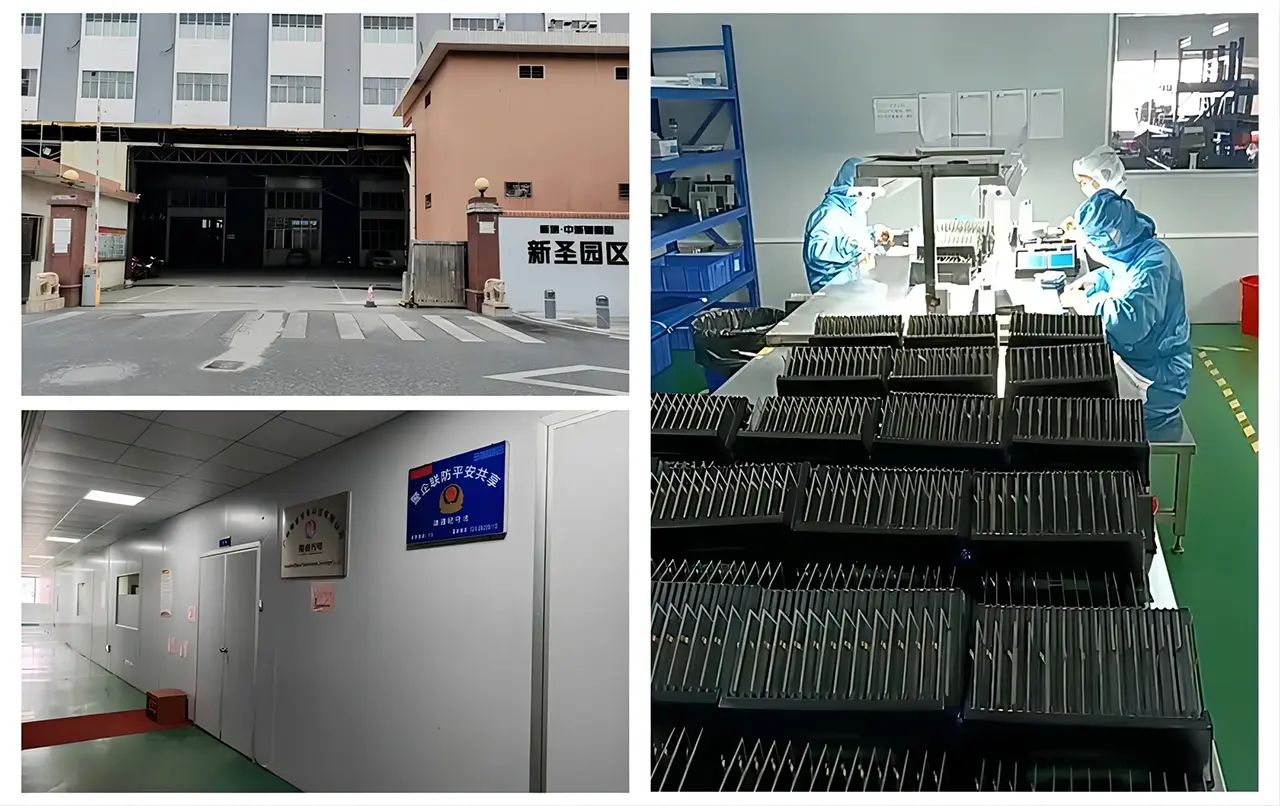
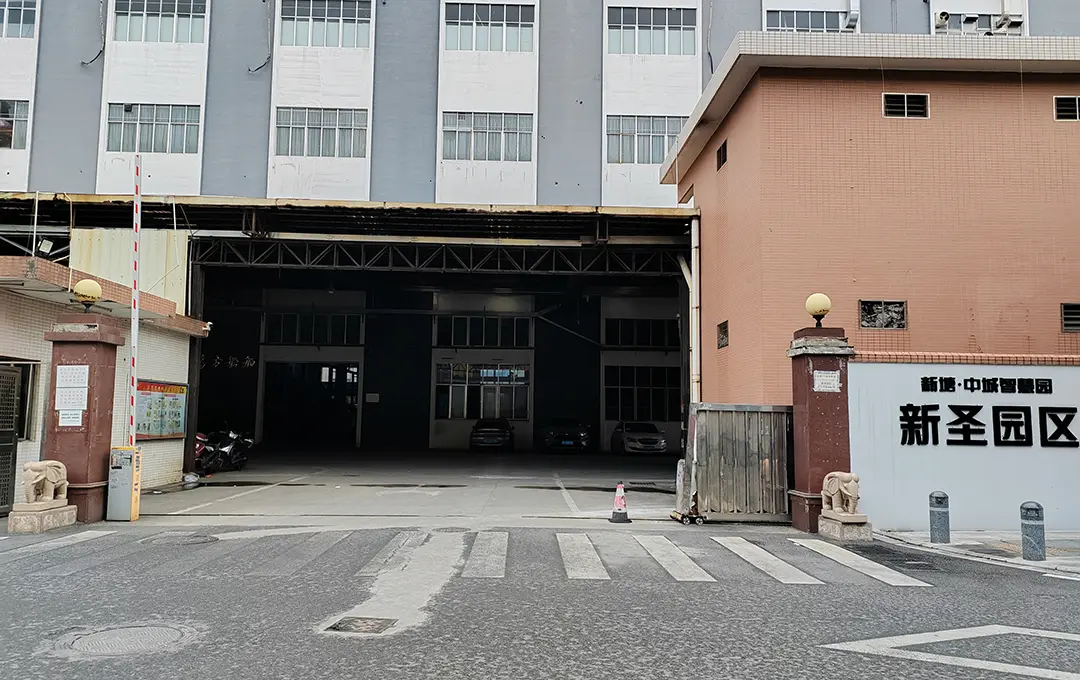
Founded in 2010 in Guangzhou, China, we are a pioneering enterprise dedicated to the research, development, production, and worldwide sales of advanced capacitive touch keys, custom touch panels, robust cover glass displays, and high-performance optical bonding modules. We deliver bespoke, ruggedized human-machine interfaces through comprehensive OEM & ODM programs.
Equipped with an advanced 3,000 square meter plant integrating state-of-the-art Class 100, Class 1000, and Class 10000 cleanrooms, our manufacturing processes eliminate atmospheric particulate contamination. This allows us to guarantee perfect optical bonding quality, void-free lamination, and pristine aesthetic finishes demanded by medical, aerospace, and safety-critical industrial applications.
Technical analysis of capacitive engineering, noise mitigation, cover glass lamination, and environmental resilience.
Human-Machine Interfaces (HMIs) have undergone a significant technological transition from high-maintenance mechanical buttons to modern, solid-state capacitive touch keys. Traditional mechanical switches suffer from constant friction, wear, micro-tearing of elastic membranes, and sensitivity to particulate ingress. This compromises their performance under harsh conditions.
Capacitive touch key systems address these failure points by utilizing solid-state, non-moving interfaces behind custom protective cover glass layers. By monitoring changes in electrical capacitance caused by the proximity of a human finger, these touch keys eliminate mechanical fatigue, provide ingress protection up to IP69K, and resist caustic chemical washdowns. In demanding application scenarios—such as cleanroom medical equipment, commercial induction cooktops, and petroleum distribution terminals—custom capacitive touch key assemblies offer superior operational life, sleek modern designs, and customizable backlighting configurations.
"The shift toward capacitive touch keys is not merely aesthetic. Eliminating mechanical actuation removes the primary hardware failure point in cleanrooms and heavy machinery, providing a reliable interface that lasts the lifetime of the system."
Designing custom capacitive touch keys requires selecting the appropriate sensing architecture. Our engineering team designs layouts using two primary sensing topologies:
A primary challenge for capacitive interfaces in industrial plants is Electrical Noise (EMI/RFI). Heavy machinery, variable-frequency motor drives (VFDs), and wireless communication networks generate significant noise. This can trigger false activations or lock up unresponsive controllers.
At Guangzhou Xiangrui, we address EMI challenges through hardware and software optimization. We utilize high-performance controller ICs featuring active shield drivers, multi-frequency hardware scanning, and adaptive digital filtering algorithms. Ground rings, shielding grids, and low-impedance grounding paths are routed within the flexible printed circuit (FPC). Additionally, our software filters out transient spikes, ensuring only deliberate touches register. This keeps our touch panels fully compliant with stringent IEC 61000-4-6 Class A standards for high electromagnetic noise environments.
The cover glass layer is the first line of defense for a capacitive key interface. We support custom glass treatments, including chemically strengthened aluminosilicate glass, anti-glare (AG), anti-reflective (AR), and anti-fingerprint (AF) coatings. For demanding environments, we utilize high-precision optical bonding (OCA/OCR) to laminate the capacitive sensor layer to the cover glass. This process fills the internal air gap, preventing internal condensation, eliminating parallax errors, and increasing structural impact resistance by up to 300%.
Providing reliable HMI solutions engineered to meet the strict demands of diverse global markets.
Engineered to withstand mechanical shock, oil splashes, and chemical cleanings. These interfaces feature thick glass covers (up to 10mm) and high noise immunity, ensuring stable operation alongside heavy machinery and VFD motor drives.
Sealed design prevents fluid ingress and permits sanitization with aggressive hospital-grade chemical disinfectants. Supports operation with medical nitrile and latex gloves, meeting ISO 13485 standards.
Provides modern, seamless glass interfaces for ovens, induction cooktops, and smart refrigerators. High temperature resistance and sophisticated water-rejection algorithms prevent accidental triggers from boiling liquid spills.
Weatherproof interfaces that operate in rain, snow, and extreme temperatures ranging from -30°C to +80°C. UV-blocking and anti-glare filters ensure daylight readability under direct sunlight.
Engineered for integration with secure palm-print payment systems, ATM keypads, and access-control panels. Integrates optical clear film layers to defeat tamper attempts and protect sensitive data.
Provides critical controls built to mil-spec standards. These lightweight assemblies deliver highly reliable tactile feedback interfaces, even during rapid temperature swings and severe atmospheric pressure drops.
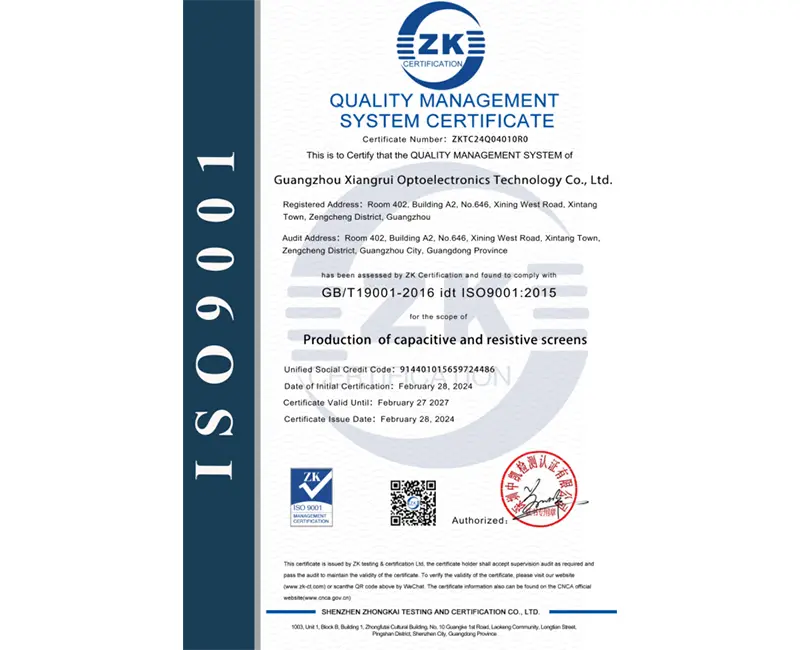
Certified quality pathways, custom engineering, and reliable long-term supply agreements.
Our manufacturing and assembly processes are certified under the ISO 9001:2015 Quality Management System and ISO 14001:2015 Environmental Standards. This ensures traceabilty for all source materials, from the bare glass to the FPC, adhesive, and controller ICs.
We are recognized as a "High-Tech Enterprise" in Guangdong Province. Backed by over 30 utility and design patents, we integrate custom shielding geometries and noise-cancelling firmware profiles directly into our products.
We provide full hardware customization, including custom printing, cover glass thicknesses from 0.55mm to 10mm, curved surfaces, complex glass cutouts, and integrated display laminations.
Our R&D initiatives focus on bringing advanced interaction capabilities to industrial touch interfaces.
Developing piezo-electric and micro-vibration drivers behind cover glass lenses to provide direct physical confirmation to users, simulating the response of mechanical buttons on flat surfaces.
Extending active sensing fields up to 50mm above the cover surface. This allows non-contact, spatial wave controls for sterile operating theaters and public ticket terminals.
Moving beyond flat interfaces. We are developing printing processes for custom PET and polyimide sensors that conform to compound curved panels and handle complex automotive and appliance styling.
Expert engineering answers regarding capacitive touch keys design, implementation, and reliability.
Our custom capacitive keys can operate through cover lenses up to 10mm thick, depending on key size and layout. For thick glass configurations, we optimize the electrode pattern and use high-sensitivity controller ICs with specialized gain firmware settings.
We use mutual-capacitance layouts coupled with firmware-based water rejection algorithms. If a water film or droplet bridge is detected, the system recognizes the broad capacitance profile change as environmental noise rather than a finger press, preventing false activations.
We support various industrial communication interfaces. Depending on client integration requirements, our modules output touch coordinates and key status signals via I2C, SPI, UART, or USB interfaces.
Typical design validation and custom tooling takes 2-3 weeks, followed by sample production. Once the sample is approved, volume production typically takes 4-6 weeks, depending on batch quantities and the complexity of the cover glass treatments.
OEM touch panels and control solutions customized to your specifications.
 Xiangrui Optoelectronics