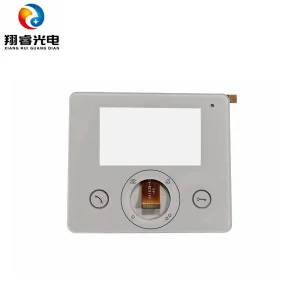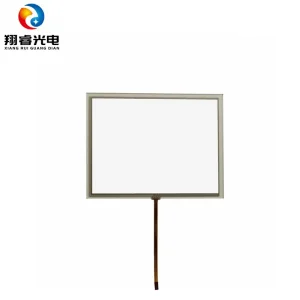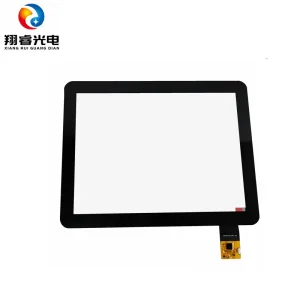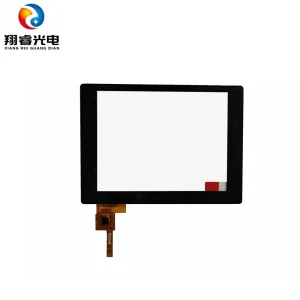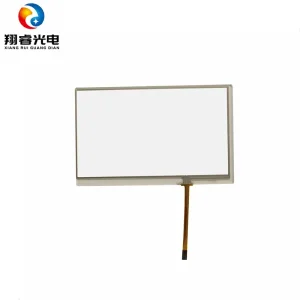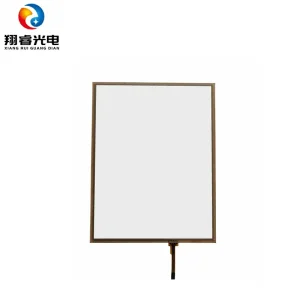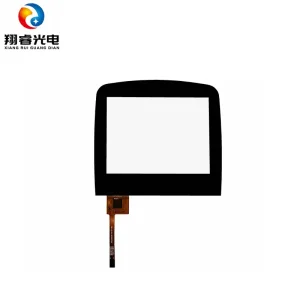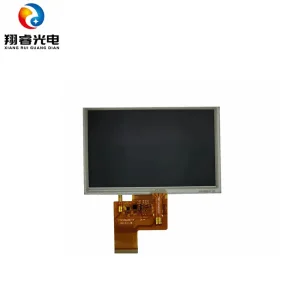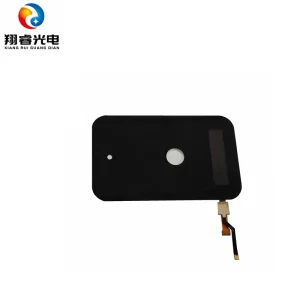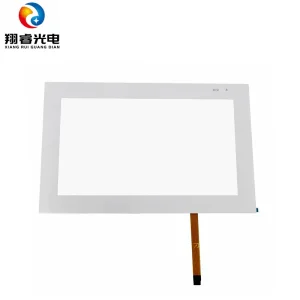
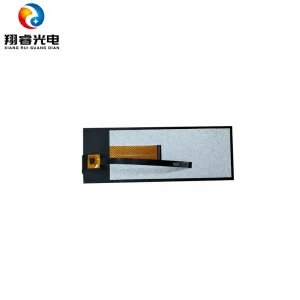
In modern industrial automation, medical diagnostics, high-security transaction portals, and aerospace control arrays, display systems have evolved from simple passive monitoring devices into mission-critical interactive controls. The convergence of Organic Light-Emitting Diode (OLED) technology and custom capacitive and resistive touch sensors is redefining expectations for contrast ratio, energy conservation, thermal adaptability, and user interface ergonomics.
Unlike standard thin-film transistor (TFT) LCDs, OLED pixels act as self-emissive light sources. This lack of a backlight unit not only permits ultra-thin profiles but also unlocks infinite contrast ratios with deep blacks, rendering graphical user interfaces exceptionally legible under challenging viewing angles and variable ambient lighting environments. When paired with high-performance touch sensors, they provide unmatched tactile and visual synchronization.
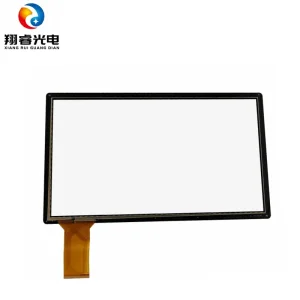
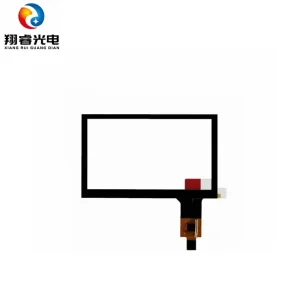
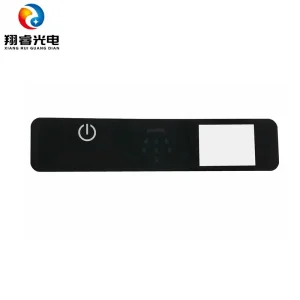
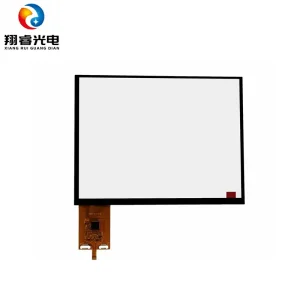
Designing an OLED touch solution for custom environments requires matching the layer stack to specific environmental stressors. Designers select cover glass thicknesses ranging from 0.5mm to over 5.0mm, incorporating physical treatments such as Anti-Glare (AG) chemical etching, Anti-Reflective (AR) vapor-deposited coating, and oleophobic Anti-Fingerprint (AF) surface coatings. Control IC options (including EETI, ILITEK, and Cypress) are programmed with firmware configured for thick glove operation, operation in wet environments, and electromagnetic compatibility (EMC) in industrial electrical fields.
Founded in 2010, Guangzhou Xiangrui Optoelectronics Technology Co., Ltd. is a specialized developer and manufacturer of resistive and capacitive touch panels, high-end cover glass, and complete optical module bonding solutions. Our commitment to technology integration allows us to build customized touch sensors that integrate seamlessly with OLED, TFT-LCD, and e-paper modules.
Our operations span a modern 3,000 square meter facility utilizing cleanroom technology from Class 10,000 down to Class 100 areas to prevent dust contamination during display bonding. With integrated R&D, production, marketing, and QA departments, we handle projects from proof-of-concept prototyping to high-volume manufacturing.
Purchasing customized HMI hardware involves navigating complex supply chains. Sourcing touch modules from China's primary electronics hubs—particularly the Guangdong-Hong Kong-Macao Greater Bay Area—provides significant operational and strategic advantages:
Access to glass substrates, controller ICs, high-precision FPCs, and optical adhesives within a localized geographical radius reduces lead times and logistics costs.
Rapid tooling turnarounds enable quick feedback cycles for custom designs. Mechanical modifications to cover glass geometry are executed in days rather than weeks.
Optimized labor structures combined with automated manufacturing minimize waste and lower per-unit costs for high-mix, low-volume industrial programs.
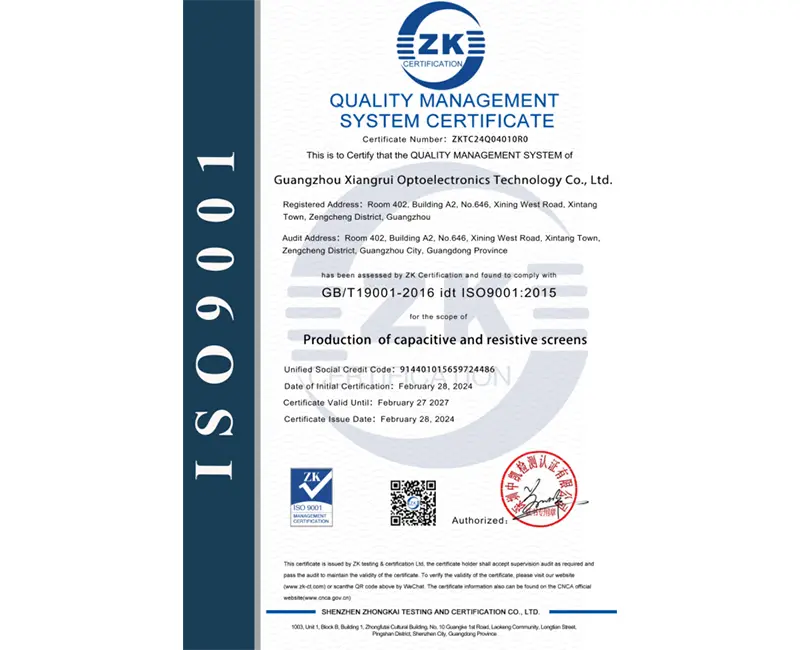
However, global procurement requires suppliers to support international certification standards. To meet these demands, Guangzhou Xiangrui maintains complete product traceability and compliance with global environmental regulations, providing comprehensive documentation including CE, FCC, RoHS, and REACH reports.
To optimize touch screens for their specific operating environments, designs must address key environmental stressors:
Industrial settings expose hardware to electromagnetic interference, lubricant splatter, and physical vibration. Using high-impedance ITO film layouts paired with differential sensing algorithms (found in advanced controllers like EETI) allows our capacitive touch screens to operate reliably next to heavy industrial machinery and variable-frequency motor drives. These systems support operation with thick industrial work gloves and are sealed against moisture entry (meeting IP65 standards).
Medical interfaces require high optical clarity and compatibility with harsh chemical disinfectants. Displays must support operation when users are wearing multi-layered sterile latex gloves. Our custom cover glass solutions feature chemical strengthening (yielding high Vickers hardness) and chemically etched Anti-Glare properties, ensuring they resist scratches from frequent cleaning and remain readable under bright overhead operating room lights.
Biometric payment portals require high optical clarity to ensure sensor accuracy and fast response times. Integrating our custom 2.1-inch or 4.3-inch touch panels with optical bonding minimizes parallax error, allowing integrated camera arrays beneath the display stack to read palm prints and facial geometry accurately. Active-stylus support and palm-rejection logic prevent false inputs, providing a secure transaction interface.
A primary challenge for global OEMs when sourcing displays is receiving timely technical support during integration. Our team offers direct engineering support to resolve integration challenges promptly. We assist with kernel-level driver configuration for Linux, Android, and Windows, as well as tuning touch sensitivity parameters to meet specific electromagnetic compatibility (EMC) targets.
Our engineering services also include custom FPC layout design to match tight enclosure spaces, tailoring driver IC firmware to support custom cover glass configurations, and conducting thermal and mechanical tests to verify assembly durability.
On the regulatory side, our components are certified to international standards. This ensures that when our touch displays are integrated into your devices, they pass standard compliance checks for emissions, safety, and environmental impact.
 Xiangrui Optoelectronics