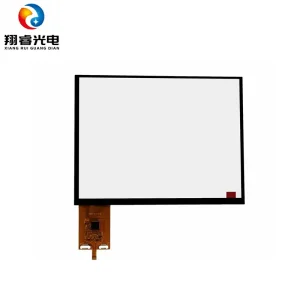
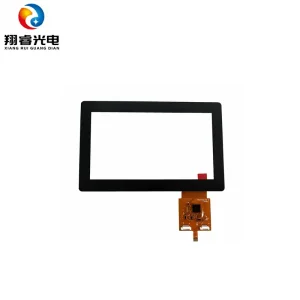
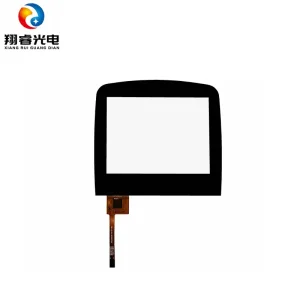
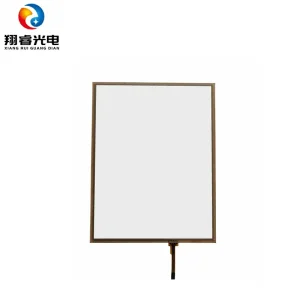
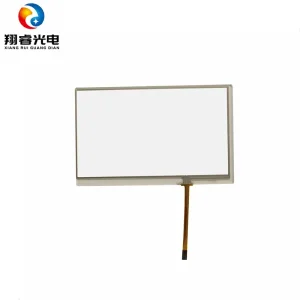
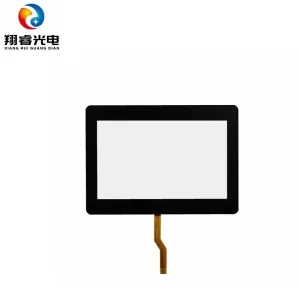
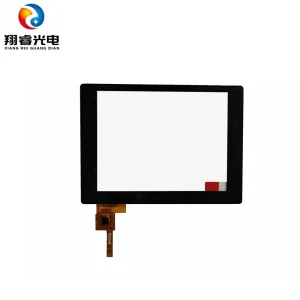
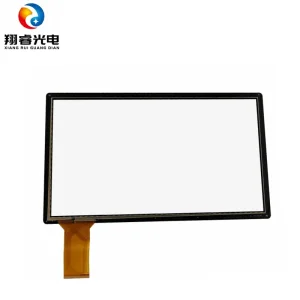
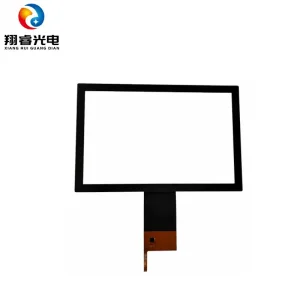
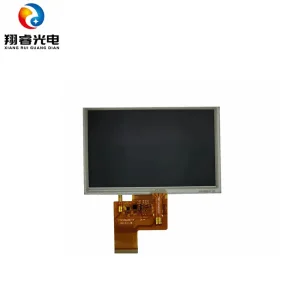
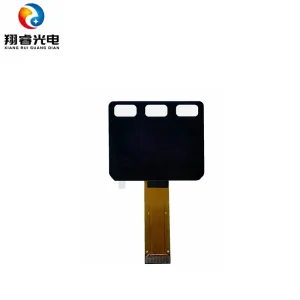
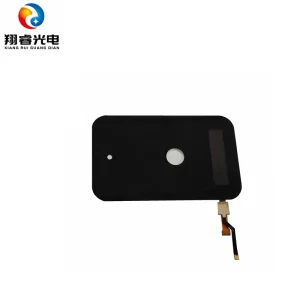
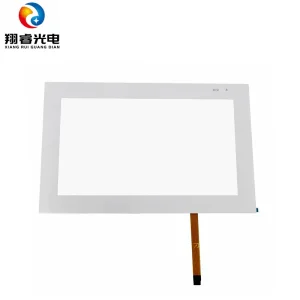
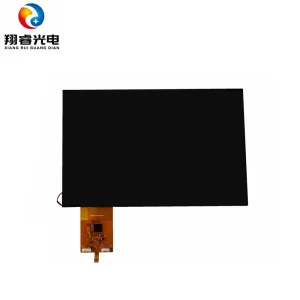
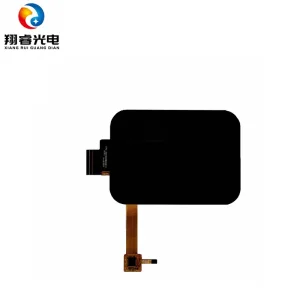
Precision OEM/ODM Capacitive and Resistive Touch Sensors Integrated via High-End Air & Optical Bonding Systems.
In modern human-machine interface (HMI) design, the touch screen is no longer a standalone component. It is an integrated visual and interactive layer that must perform reliably under severe environmental stress. Whether it is a medical monitor subject to chemical disinfection, an outdoor kiosk exposed to direct sunlight and fluctuating humidity, or an industrial dashboard handling high ambient vibrations, the method used to bond the cover glass, touch sensor, and liquid crystal display (LCD) is crucial to the device's operational lifespan.
As a premier custom touch screen bondings supplier, Guangzhou Xiangrui Optoelectronics Technology Co., Ltd. addresses the core challenges of display integration. By eliminating air gaps through optical bonding or optimizing cost-to-performance ratios with precision air bonding (tape fitting), we ensure that reflection is minimized, contrast is maximized, and impact resistance is dramatically elevated. Our technology acts as a safeguard against condensation, dust ingress, and parallax errors, delivering crisp visibility and uninterrupted capacitive or resistive touch input.
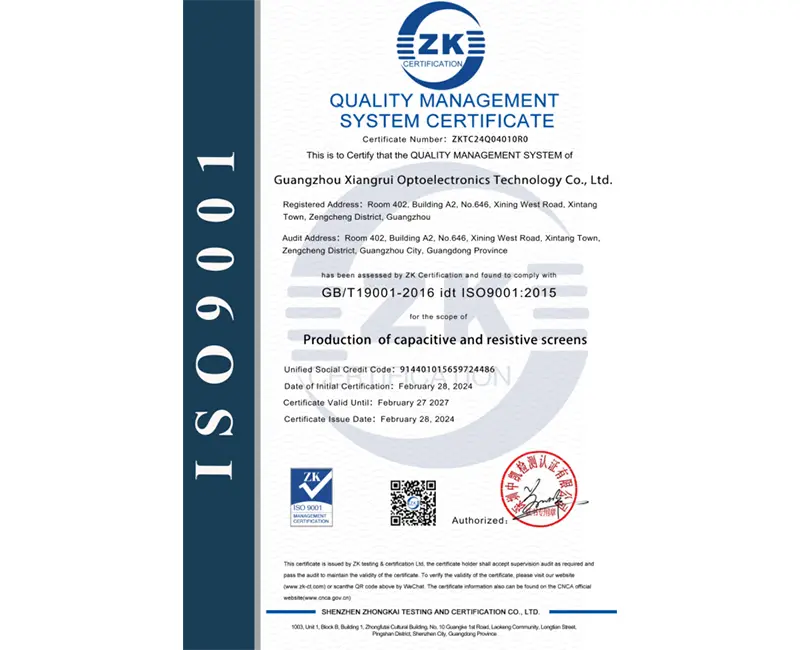
Guangzhou Xiangrui Optoelectronics Technology Co., Ltd. — A decade of manufacturing dominance in precision touch panels.
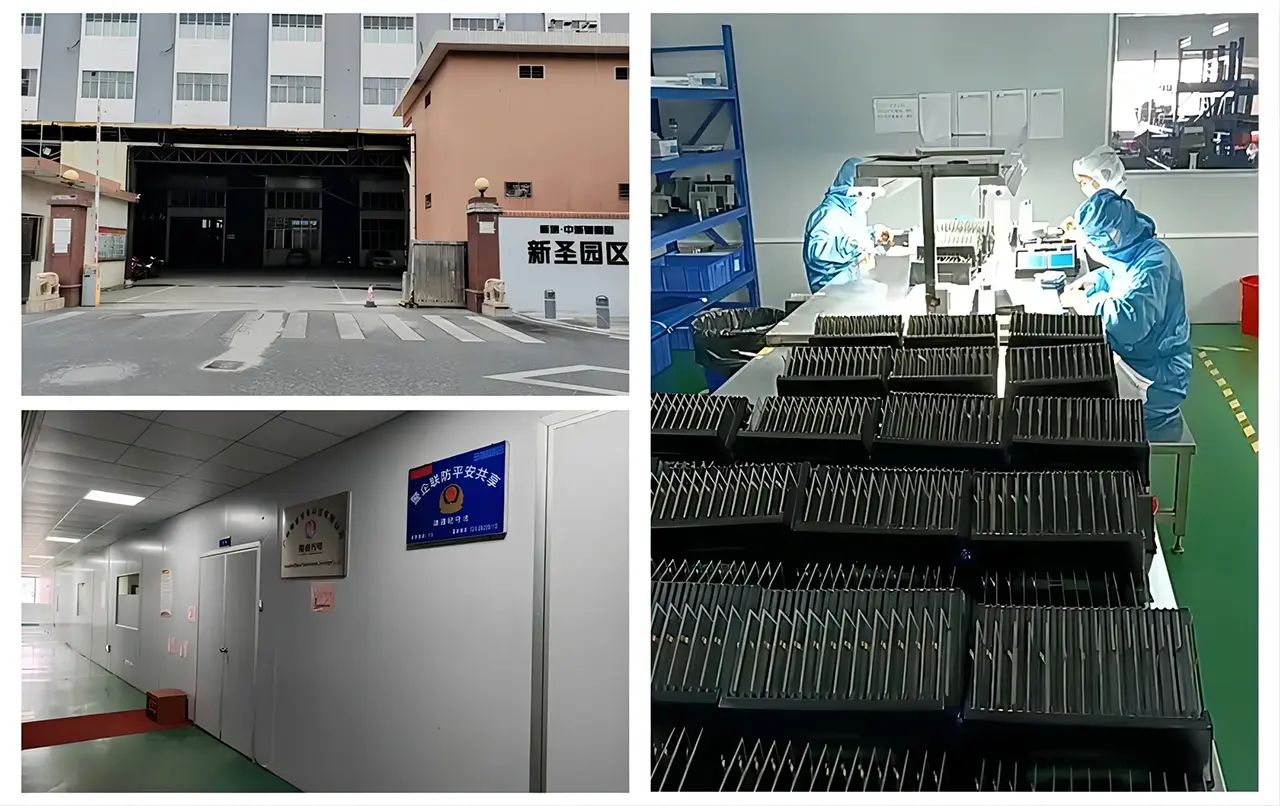
Founded in 2010 and strategically located in Guangzhou, China, we are an ISO 9001 and ISO 14001 certified powerhouse dedicated to the engineering, production, and global supply of customized resistive and capacitive touch screens. Over the past decade, we have expanded our footprint to cover an expansive 3,000 square meter plant area, fully equipped with state-of-the-art cleanliness control systems, including specialized Class 100, Class 1,000, and Class 10,000 dust-free workshops.
This cleanroom hierarchy is critical: optical bonding requires ultra-low particulate counts to prevent micro-contamination that can degrade optical clarity. Every stage—from glass cutting, chemical strengthening, sensor patterning, to final assembly bonding—is executed under strict ambient controls. With a focused R&D team, we continuously push the boundaries of custom cover glass finishes, chemical strengthening processes, and multi-touch capabilities to support demanding industrial, medical, and smart-home applications.
Making informed decisions based on refractive indexes, mechanical stresses, and ambient environmental conditions.
Choosing the correct bonding methodology is a trade-off between optical performance, mechanical durability, and project budget. Below is an engineering overview of the three primary technologies utilized at our Guangzhou factory:
| Bonding Method | Material Used | Optical Clarity & Parallax | Shock & Moisture Resistance | Ideal Applications |
|---|---|---|---|---|
| Air Bonding (Tape/Frame Fitting) | High-adhesion double-sided tape (0.1mm - 0.5mm) | Moderate. High reflection rate (~8.5%) due to air-glass interface. Small parallax risk. | Standard. Susceptible to condensation under rapid temperature swings. | Indoor HMIs, low-cost consumer electronics, home appliances. |
| OCA Bonding (Optically Clear Adhesive) | Solid dry film sheet adhesive (acrylic or silicone base) | Excellent. Reflection reduced to ~0.2%. Eliminates parallax completely. | High. Excellent vibration dampening and uniform thickness control. | Smartphones, automotive HUDs, medical handhelds, smart wearables. |
| OCR / LOCA Bonding (Liquid Optical Bonding) | Liquid UV-curable resin (Liquid Optically Clear Adhesive) | Superior. Perfect index matching with display and cover glass. Zero air gap. | Maximum. Completely fills uneven surfaces and tolerances; excels under high impact. | Ruggedized industrial displays, marine equipment, aerospace interfaces, public kiosks. |
Our engineering team assesses factors such as UV exposure levels, operating temperature limits (-40°C to +85°C), and structural chassis clearances to recommend either a dry-bond (OCA) or wet-bond (OCR/LOCA) process. By utilizing refractive index-matching adhesives, we bring display reflection down from standard 8% to less than 0.5%, yielding daylight-readable performance without significantly boosting backlight power.
How our custom touch screen bondings solve operational vulnerabilities across diverse industrial sectors.
In cleanroom medical settings, touch displays must withstand regular chemical wipes with isopropyl alcohol and bleach. Our optical bonding isolates the display stack, preventing liquid ingress. The lack of an air gap prevents internal condensation during sterilization, while high-clarity OCA ensures medical staff view high-resolution imagery with zero distortion.
Exposed to direct sunlight and high ambient temperatures, standard touch panels experience heat build-up and yellowing (UV degradation). We utilize specialized LOCA materials with UV-blocking additives and anti-reflective (AR) surface treatments on the cover glass, guaranteeing readability under 100,000 lux environments and preventing yellowing.
Machinery control stations undergo continuous mechanical vibrations and operator abuse. By using thicker chemically-strengthened cover glass (up to 6mm) and high-elasticity optical bonding gel, our assemblies distribute impact energy, preventing the display from shattering and protecting operators while maintaining high-sensitivity capacitive touch inputs.
High humidity, salt spray, and extreme temperatures lead to condensation inside non-bonded displays. Our dry and wet optical bonding solutions completely fill the space between the touch sensor and LCD, eliminating internal fogging and providing robust IP65 protection against dust and moisture ingress in marine vessels and aircraft flight decks.
Modern smart refrigerators, ovens, and home control centers demand seamless, black-panel aesthetics. We apply custom silk-screen borders, anti-fingerprint (AF) coatings, and precision air-bonding techniques to deliver flush, edge-to-edge glass designs that integrate into sleek modern home architectures.
Biometric payment systems rely on precise light transmission to scan palm prints and fingerprints. Standard air-bonded screens refract scanning lasers, causing errors. Our optically bonded displays maintain light wave integrity, supporting high-speed biometric scanning for secure transactions.
The display industry is evolving toward thinner profiles, larger form factors, and non-planar geometries. To stay ahead, Guangzhou Xiangrui Optoelectronics is investing heavily in next-generation bonding technologies. Our current technology roadmap focuses on:
Why sourcing from Guangzhou Xiangrui provides a distinct geopolitical and logistical competitive advantage.
Guangdong is the heart of global display manufacturing. Our facility in Guangzhou benefits from immediate proximity to key raw material suppliers (high-purity quartz glass, specialized ITO film, electronic grade OCA resins, and driver ICs). This minimizes transit delays and keeps raw material logistics costs to a minimum.
We excel in low-volume, high-mix custom projects. Unlike larger factories with rigid assembly lines, our R&D team can adapt tooling setups rapidly. This agility enables us to deliver custom-sized touch panel samples, with optimized silk-screen graphics and tailored thickness, in as little as 10 to 15 working days.
Our ISO 9001:2015 and ISO 14001:2015 certifications guide our operations. We run automated AOI (Automated Optical Inspection) systems, cosmetic defects analyzers, drop-ball impact testers, and thermal shock chambers to ensure every bonded display panel operates reliably in its end-use environment.
Resolving common questions regarding custom touch screen bonding selection, cost, and logistics.
Explore our technical portfolio of optical and tape bonded touch screens designed for wide temperature operation.
 Xiangrui Optoelectronics