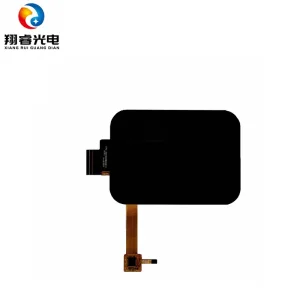
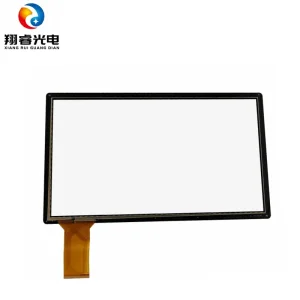
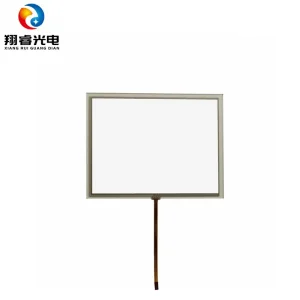
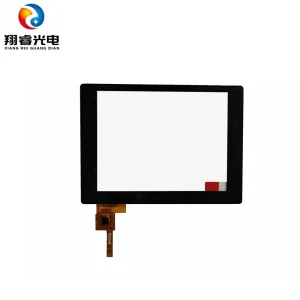
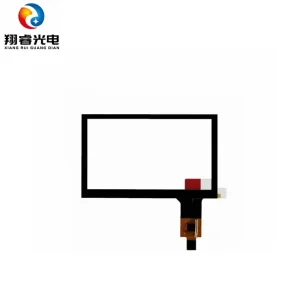
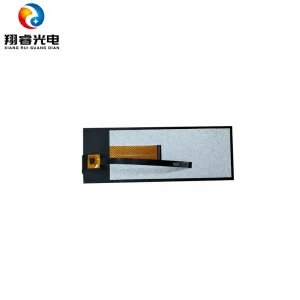
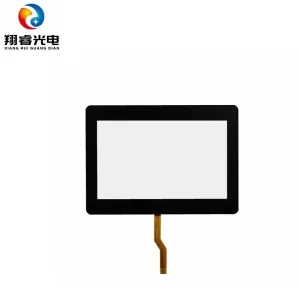
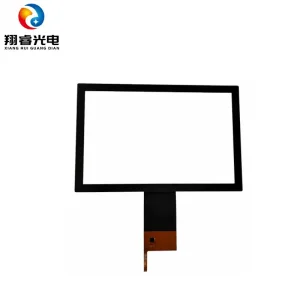
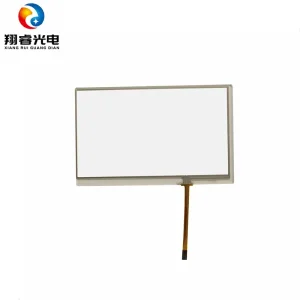
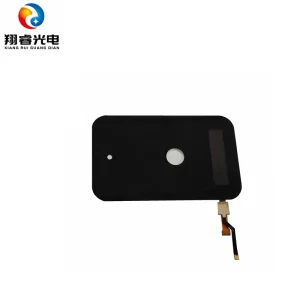
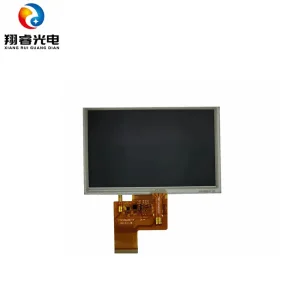
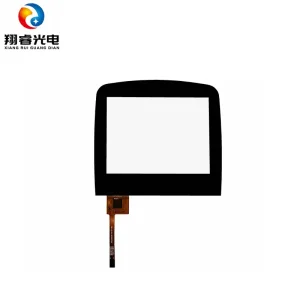
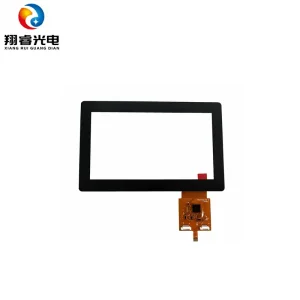
Explore our premium grade touch panels integrated with rugged protective covers, wide-temperature ranges, and advanced optical bonding.
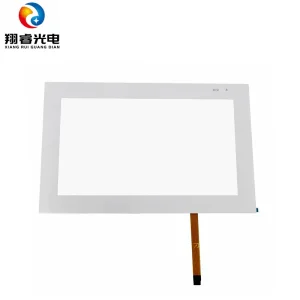
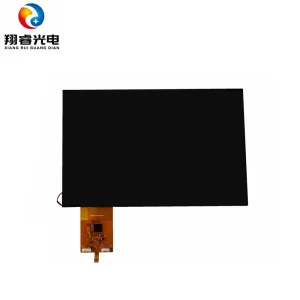
Founded in 2010 and located in Guangzhou, China, we are a high-technology enterprise dedicated to the research, development, custom engineering, production, sales, and comprehensive services of elite resistive touch panels, projected capacitive (PCAP) touch panels, protective cover glass, and full module optical bonding.
With a decade of persistent core innovation, we cater custom OEM and ODM solutions to clients spanning Europe, North America, and Southeast Asia. Our touch control integrations serve critical infrastructure across industrial control, medical diagnostic systems, smart home automation, high-performance outdoor kiosks, and state-of-the-art secure palm-print payment systems.
Understanding the electrical, mechanical, and optical differences ensures optimal hardware selection for challenging operational environments.
Industrial automation panels require diverse touch paradigms. While Projected Capacitive (PCAP) screens offer superior multi-touch performance, high transparency, and exceptional durability, traditional Resistive touch screens remain vital for applications that demand high noise immunity, compatibility with heavy gloves, or operation in highly cost-constrained environments.
| Feature Parameter | Projected Capacitive (PCAP) Touch Panel | Resistive Touch Panel (4-Wire / 5-Wire) |
|---|---|---|
| Operating Principle | Electrostatic field alteration by finger proximity/conductive stylus | Mechanical compression bringing conductive ITO layers into contact |
| Touch Points | Multi-touch (typically 10 points) support, supports gesture controls | Single-touch only (some modern variants support basic dual-touch) |
| Optical Clarity / Transmission | High transparency (>88% to 92%), supports optical bonding | Moderate transparency (~75% to 85%) due to multiple substrate layers |
| Surface Protection & Ruggedness | Toughened glass cover (Mohs scale 7H), highly scratch resistant | Flexible PET film cover, prone to scratching (typically 3H hardness) |
| Input Options | Bare finger, thin medical latex gloves, conductive passive stylus | Any object (finger, thick heavy glove, plastic stylus, pen tip) |
| Water & Moisture Resilience | Requires advanced tuning (water rejection firmware) to avoid false triggers | Unaffected by surface moisture, condensation, or pooling water |
| Average Lifecycle | Extremely long (>50 million touches in a single spot) | Limited lifespan (~1 to 10 million operations in a single zone) |
Optimizing the readability, mechanical integrity, and durability of touch panels under aggressive sunlight or heavy rain.
We treat cover glasses with Anti-Glare (chemical etching or coating) to disperse reflections, Anti-Reflective (vacuum deposition) to boost light transmission, and Anti-Fingerprint (oleophobic treatment) to minimize smudge residue.
By filling the air gap between the touch sensor and the LCD panel using Liquid Optically Clear Adhesive (LOCA) or dry film OCA, we eliminate internal reflections, prevent condensation, and drastically improve shock resistance.
We engineer customized cover plates using chemically strengthened glass (Corning Gorilla Glass or high-alumina silicate glass) ranging up to 10mm thickness, achieving robust IK08 to IK10 impact resistance ratings.
How Xiangrui Optoelectronics optimizes touch screens for diverse technical environments and strict sector standards.
Medical devices demand strict compliance and seamless touch performance when handled with surgical gloves, or when exposed to physiological fluids and harsh chemical sterilizers. Our PCAP touch sensors utilize specialized controllers configured for thick gloves and wet conditions, complying fully with EN 60601-1-2 standards for electromagnetic compatibility.
Industrial machinery creates electrical noise (EMI) that can cause erratic phantom touches on poorly insulated capacitive screens. By integrating high-quality controller ICs (EETI or Ilitek) and programming custom firmware parameters, we guarantee noise-free, stable operation in close proximity to large frequency converters and motors.
Outdoor ticket vending, payment kiosks, and EV charging stations face harsh, changing environments: scorching direct sunlight, wind, dust, and rain. Our touch screens feature UV-blocking films, wide-operating-temperature properties (-30°C to +80°C), and water-rejection algorithms to prevent rain-induced touch anomalies.
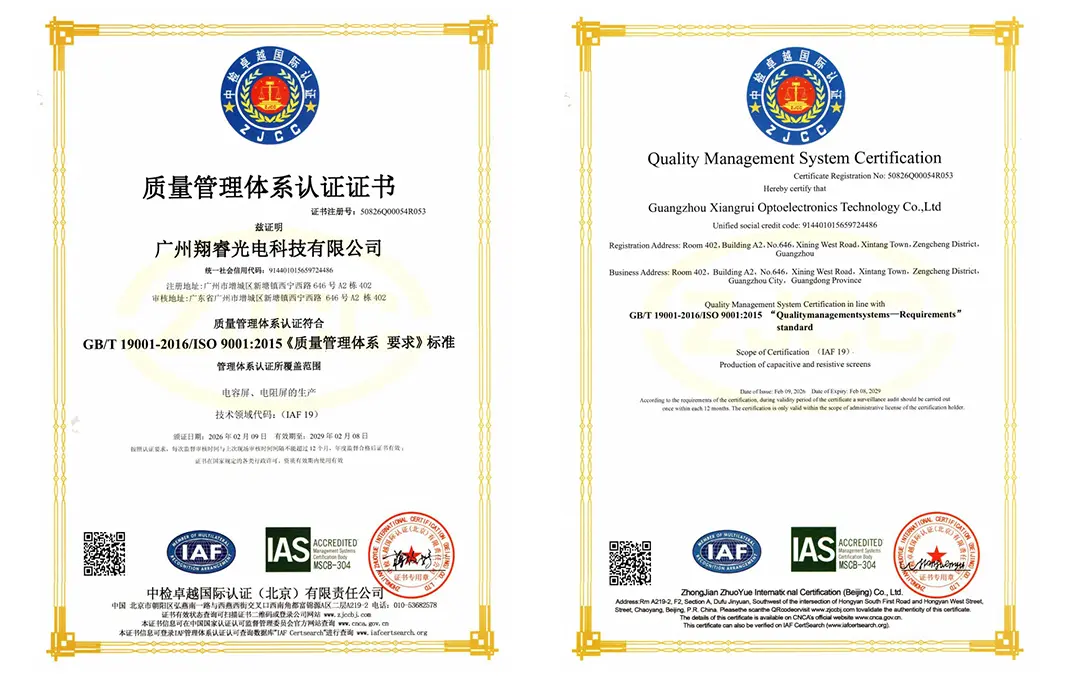
The modern touch electronics supply chain requires agility, consistent quality control, and strict compliance with global import/export standards. Operating from Guangzhou, one of China's most advanced logistics hubs, we maintain integrated access to top-grade ITO film manufacturers, cover glass producers, and semiconductor suppliers.
We operate Class 100, Class 1000, and Class 10000 dust-free workshops to satisfy strict particulate-free standards across different production stages. This enables us to maintain low defect rates (AQL 0.65/1.0), guaranteeing that every touch panel shipped matches the strict guidelines expected by international Tier-1 system developers.
Exploring how tactile feedback, flexible displays, and machine learning are revolutionizing human-machine interfaces.
Embedding piezoelectric or electromagnetic micro-actuators to deliver tactile sensations, confirming user inputs on flat glass control panels.
Employing neural algorithms within touch controller DSPs to detect, isolate, and filter out high-frequency EMI noise in high-power industrial zones.
Migrating from rigid glass to flexible polyimide and ultra-thin glass (UTG) substrates to facilitate seamless integrations on curved dashboard surfaces.
Merging capacitive proximity sensors with physical buttons, backlighting layers, and display panels directly into injection-molded plastics (IME).
Direct technical answers addressing engineering challenges, material selection, and ordering logistics.
Discover our range of resistive, capacitive, and customized optical-bonded glass systems built for demanding applications.
 Xiangrui Optoelectronics