High-precision capacitive and resistive touch panels engineered to meet the demands of harsh industrial environments and high-reliability systems.
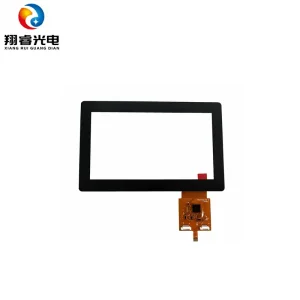
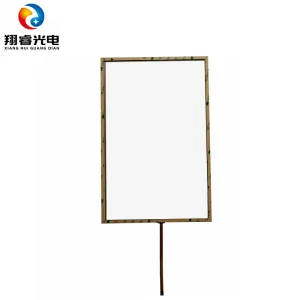
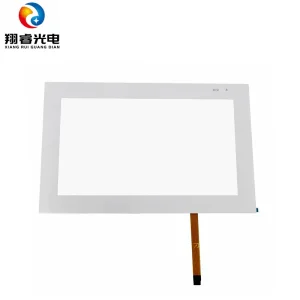
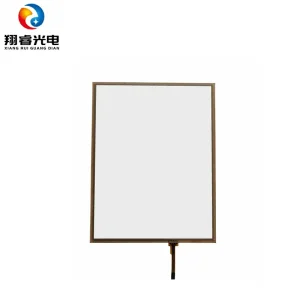
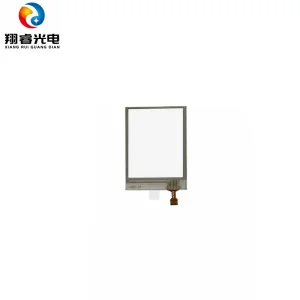
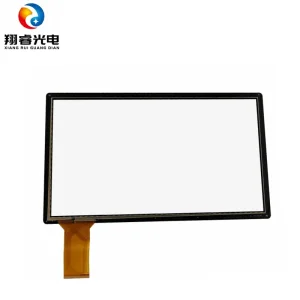
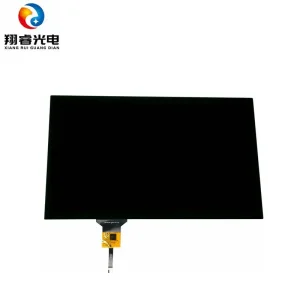
Exploring the convergence of multi-touch capacitive capabilities and extreme-environment resistive solutions.
Modern industrial and enterprise applications require touchscreen interfaces that do far more than register simple coordinates. They demand highly responsive, ruggedized, and custom-designed Human-Machine Interfaces (HMIs) that remain operational under chemical exposure, extreme temperature swings, electrical noise, and constant use. At Guangzhou Xiangrui Optoelectronics Technology Co., Ltd., we design and manufacture high-performance touchscreen solutions tailored to resolve complex electromagnetic and mechanical environmental challenges.
Custom touchscreen interface technology is split into two primary paths: Projected Capacitive (PCAP) and Analog Resistive. PCAP is preferred for medical displays, outdoor terminals, and smart home appliances due to its high optical clarity, gesture capabilities, and flat front surfaces. Resistive touch displays remain critical in industrial automation, logistics, and military hardware where gloved operation, pressure activation, and complete electrical isolation are vital.
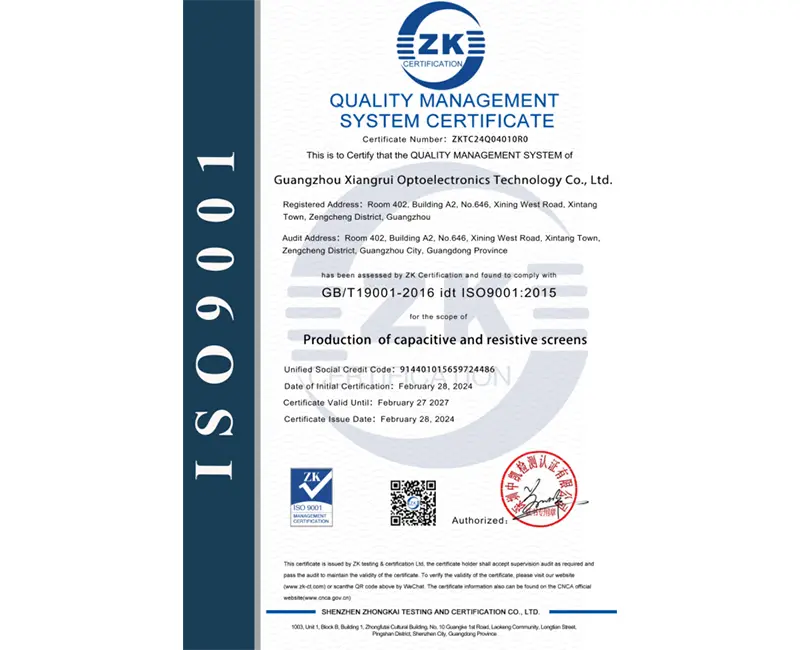
High-capacity operations supported by strict cleanroom environments and globally recognized quality management certifications.
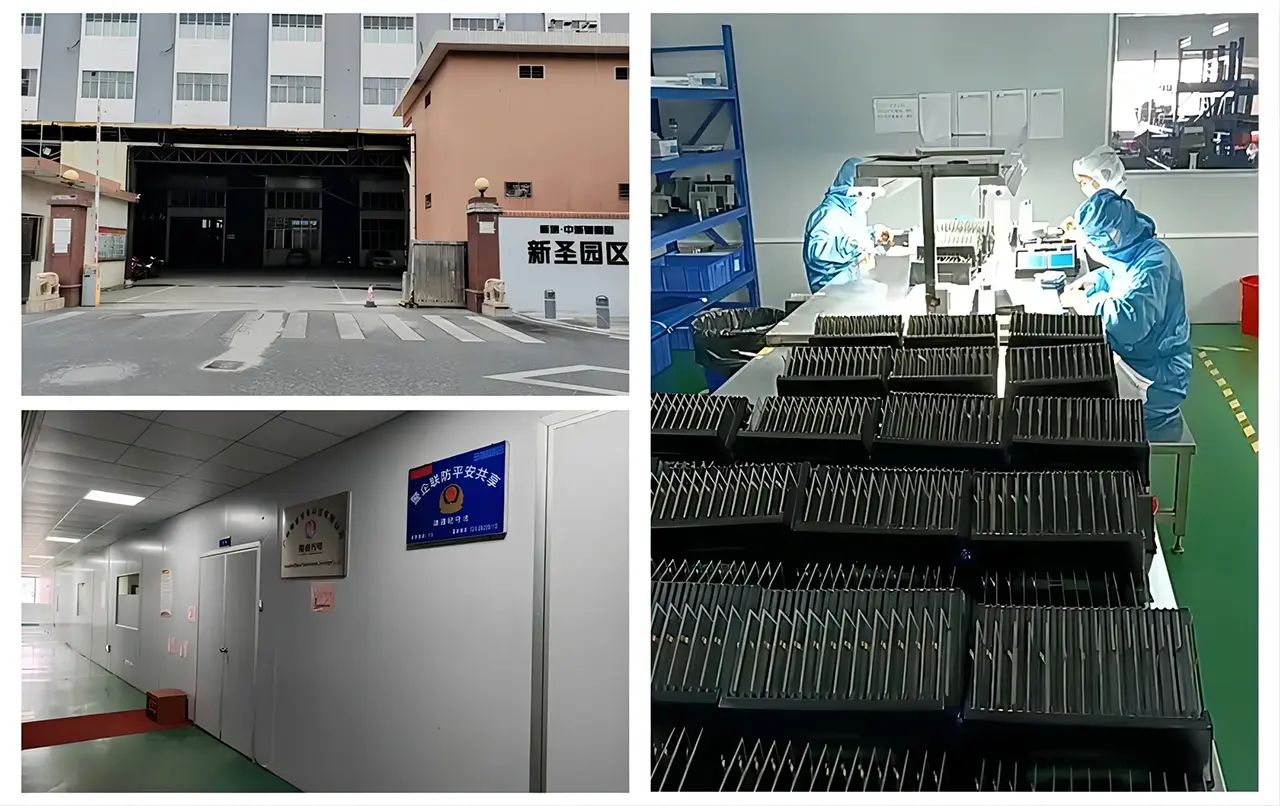
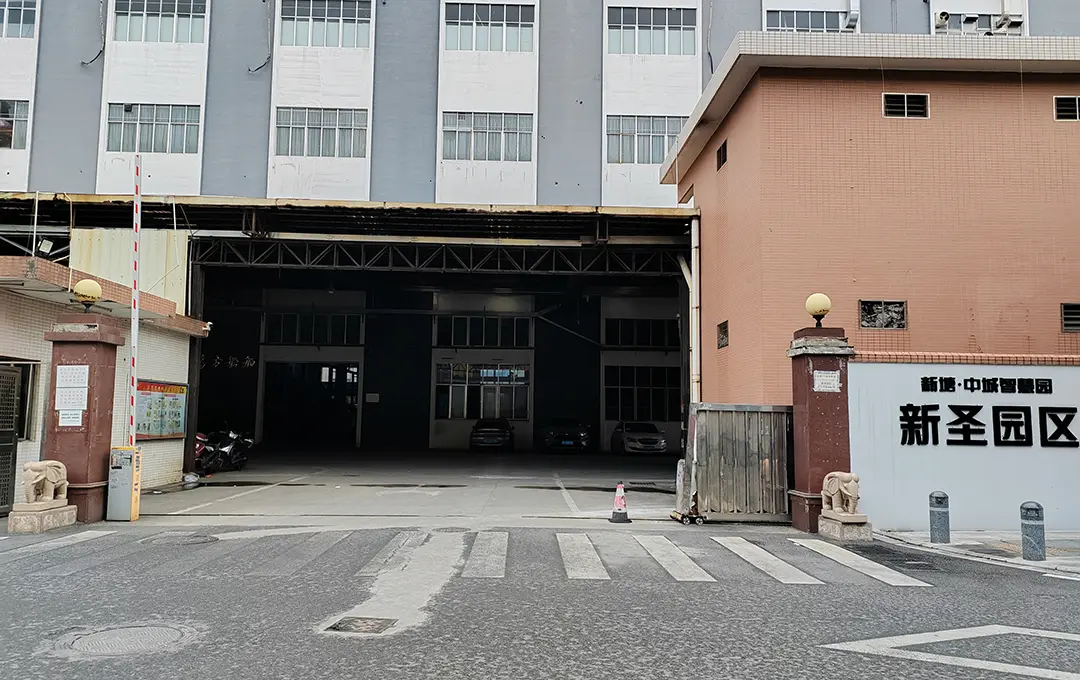
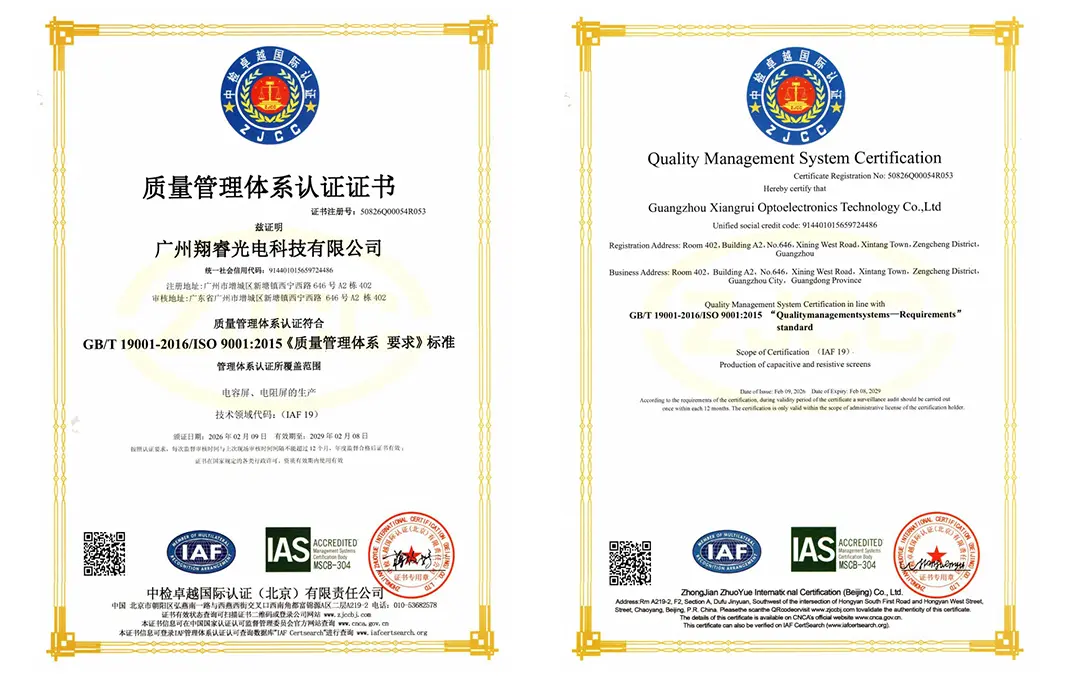
Founded in 2010, Guangzhou Xiangrui Optoelectronics Technology Co., Ltd. is a high-tech manufacturer specializing in resistive touch screens, capacitive touch screens, cover glass, and display module bonding. Our ISO 9001:2015 and ISO 14001:2015 certified facility supports complete OEM and ODM services. From cleanroom assembly to final electrical testing under optical instrumentation, we verify that every touch panel operates within specified electrical parameters, minimizing line failure rates for system integrators.
Technical considerations for engineers and procurement managers sourcing custom touch interface panels.
Heavy machinery, high-voltage equipment, and medical devices generate electrical noise that can cause ghost touches on PCAP screens. We address this using active controller filtering (such as EETI, Ilitek, and FocalTech ICs), custom ground routing, and shielding layers like Indium Tin Oxide (ITO) or mesh foils to reduce ambient noise.
We use Liquid Optically Clear Adhesive (LOCA/OCR) to seal the space between the display and the touch sensor. This removes the air gap, preventing internal condensation, lowering reflectivity by up to 90%, and improving contrast in sunlight. It also increases shock resistance and mechanical durability.
For public-access terminals and heavy-duty settings, we offer chemically strengthened soda-lime or aluminosilicate cover glass. With thicknesses ranging from 0.7mm to over 6.0mm, our touch surfaces can meet IK10 impact ratings to protect internal components from vandalism and accidental damage.
Custom HMI systems designed to meet safety and performance standards across diverse industrial fields.
A touchscreen's effectiveness is determined by its operating environment. We design our custom touch surfaces to fit specific usage conditions:
Requires touch screens that work with latex or surgical gloves and can withstand chemical cleaners like isopropyl alcohol without degradation. Our medical-grade PCAP displays meet IEC 60601-1 standards.
Requires physical durability and high electrical noise immunity. 5-wire resistive and thick cover glass PCAP interfaces protect manufacturing terminals from shock, vibration, and dust.
Requires UV stability and outdoor visibility. Optical bonding combined with Anti-Reflective and Anti-Glare coatings prevents moisture ingress and ensures readability in bright sunlight.
Demands high aesthetic integration, thin profiles, multi-touch gestures, and oleophobic surfaces. We support payment terminals with integrated palm-print and fingerprint scanning glass windows.
The development of modern human-machine interface technologies through 2026 and beyond.
Transitioning from standard ITO to silver nanowire (AgNW) and metal mesh films for flexible, thin, and highly responsive multi-touch panels.
Integrating localized electrostatic haptic feedback into capacitive interfaces, giving operators physical confirmation without relying on sound.
Deploying smart algorithms that detect hand movements before physical contact, reducing physical wear and transfer of bacteria in public spaces.
Developing tough, thin cover glass with integrated antimicrobial and hydrophobic properties to support clean medical and laboratory settings.
We maintain regulatory compliance and stable supply lines to support industrial projects worldwide.
Our operations follow ISO 9001:2015 quality management and ISO 14001:2015 environmental standards. This ensures structured material traceability, documented quality checks, and consistent manufacturing processes for our clients.
We work with local logistics networks to deliver custom products to over 40 countries. Our sales, engineering, and logistics teams provide technical support from prototype design through to large-scale deployment.
All raw materials, including indium tin oxide films, cleanroom adhesives, and controller ICs, comply with RoHS and REACH standards. We verify that our touch panels meet international safety and environmental regulations before shipment.
Detailed answers to common technical and sourcing questions about custom touch panel interfaces.
Projected Capacitive (PCAP) screens work by measuring changes in electrical capacitance caused by the touch of a finger or conductive stylus. They support multi-touch gestures, offer high light transmission (over 90%), and use a durable cover glass. However, they are sensitive to electromagnetic noise and require specialized controllers to work with heavy gloves or in wet conditions.
Resistive touchscreens use two flexible layers separated by micro-dots. When pressed, the layers touch, closing a circuit and registering the coordinate. Resistive screens can be operated with gloved hands, fingernails, or plastic styluses, and are highly resistant to electrical noise. However, they only support single or dual-touch, have lower light transmission (around 75-80%), and are susceptible to physical scratches over time.
Optical bonding fills the air gap between the touchscreen panel and the underlying LCD panel using a clear gel (LOCA or sheet OCA). This reduces light refraction and reflection at air-glass boundaries, improving display contrast by up to 400% in bright sunlight.
It also eliminates internal moisture and condensation, improves heat dissipation from the LCD, and increases physical resistance to shock, vibration, and impact, helping systems meet tough mechanical specs.
We offer three primary chemical surface treatments to optimize touch screen usability under harsh lighting and environmental conditions:
We use high-performance touchscreen controllers (such as EETI or ILITEK) that run firmware-based noise filtering and water rejection algorithms. By measuring the capacitance change rate and ignoring signals matching water drops or mist, the screen can prevent false inputs. We also design sensor traces and grounding grids to shield the active touch area from EMI.
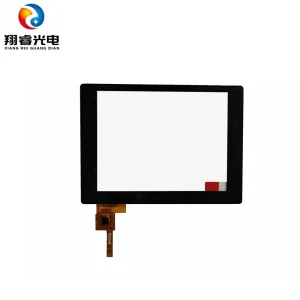
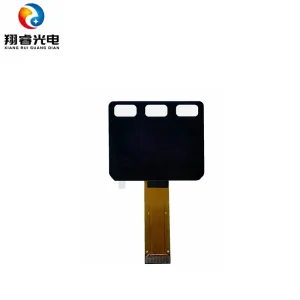
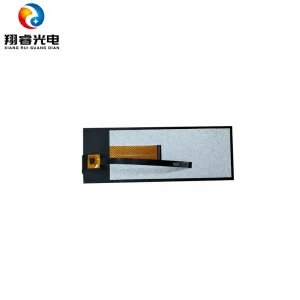
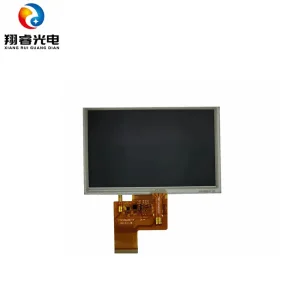
Explore our complete catalog of certified resistive and capacitive screen modules designed for reliable long-term service.
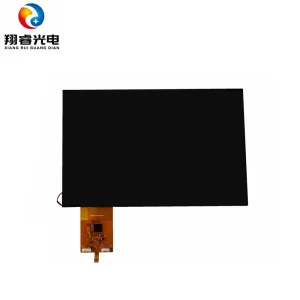
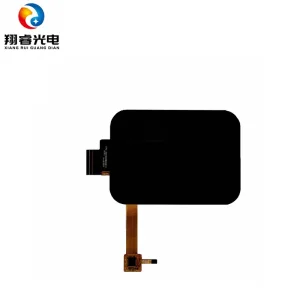
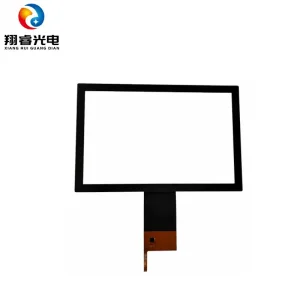
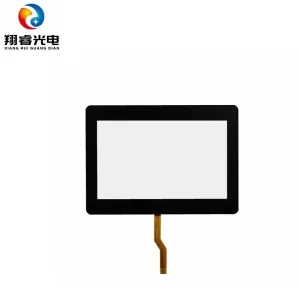
 Xiangrui Optoelectronics