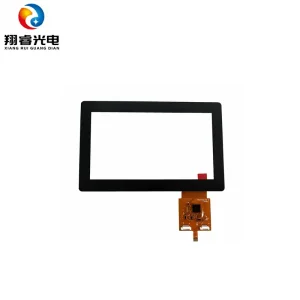
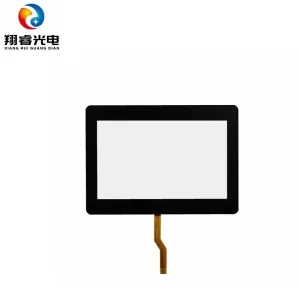
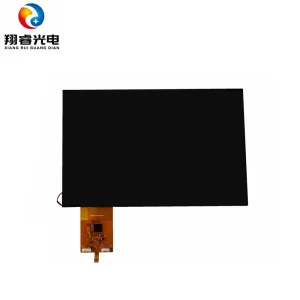
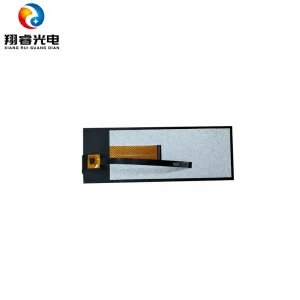
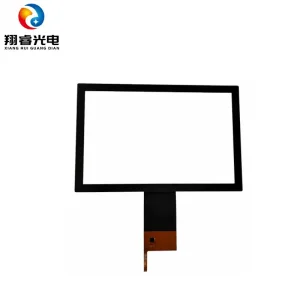
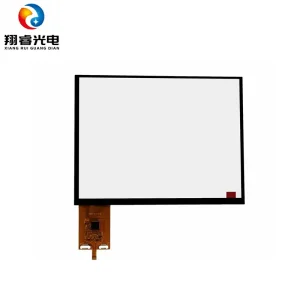
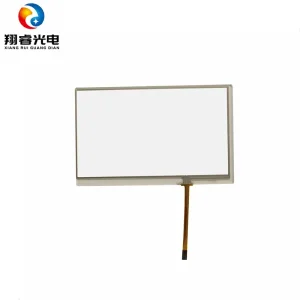
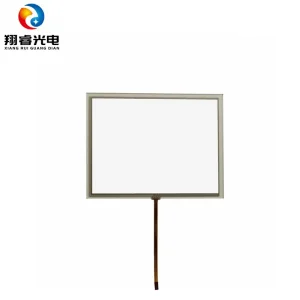
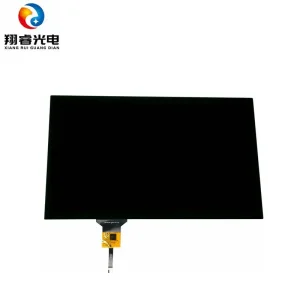
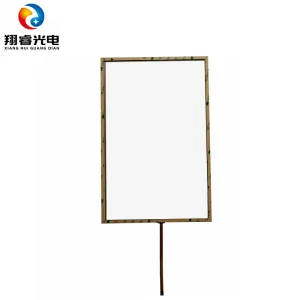
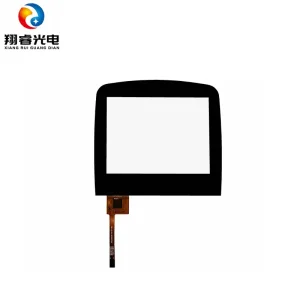
Modern industrial, medical, and commercial environments demand high-reliability interface solutions that bridge physical control and digital intelligence. Standard off-the-shelf displays fail to survive under extreme temperatures, high mechanical impact, intensive electromagnetic interference (EMI), and stringent moisture/chemical cleanings. As a specialized custom touchscreen LCD panel supplier & factory, Guangzhou Xiangrui Optoelectronics Technology Co., Ltd. customizes HMI technologies to align with industrial environments, clinical settings, aerospace systems, and public interactive hardware.
We deliver optical bonding options, touch driver integration, customized cover glass treatments (such as Anti-Glare, Anti-Reflection, and Anti-Fingerprint coatings), and wide-temperature liquid crystal displays that assure zero-failure operability. Through mechanical durability and electrical stability, our engineering team acts as a global growth partner, ensuring your equipment meets rigorous standards (IP65, NEMA, IK ratings) without compromising optical clarity or tactile responsiveness.
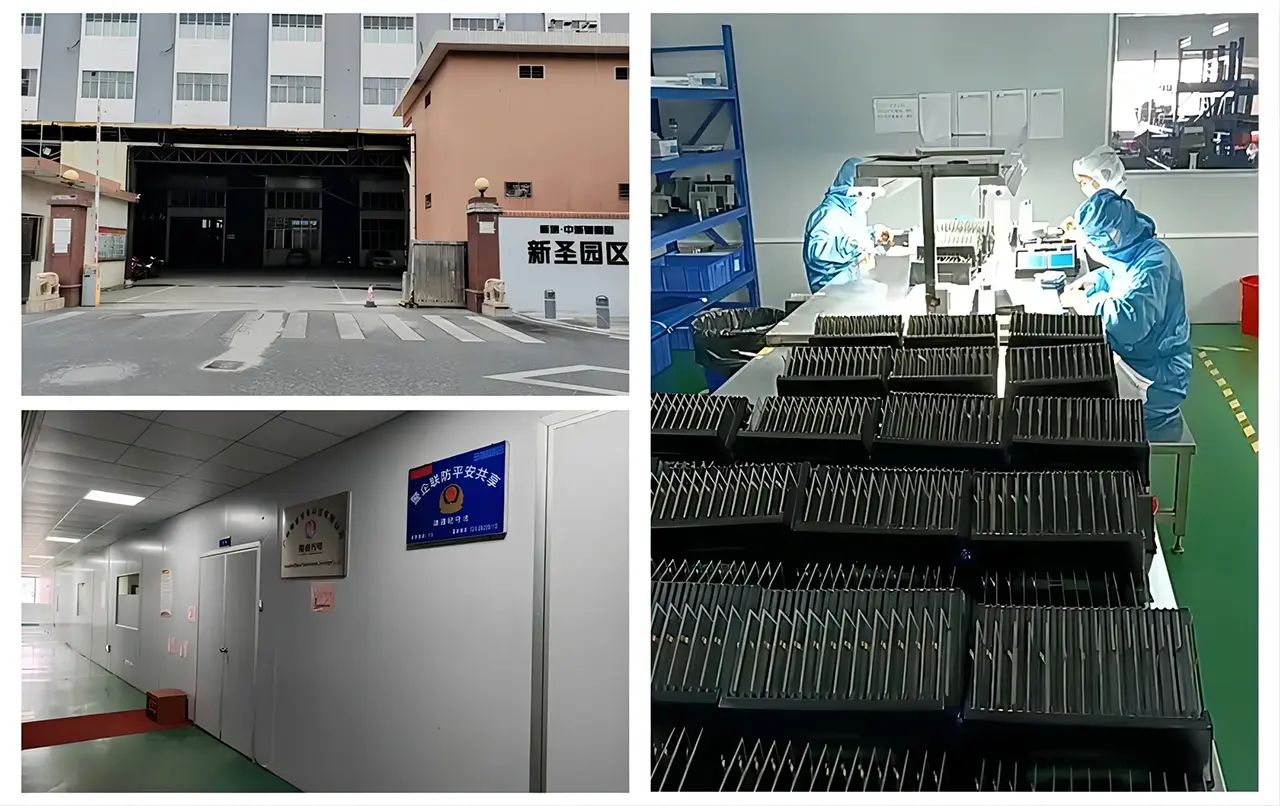
Explore our high-performance display configurations, featuring wide-temperature thresholds, optical bonding, and IP65 protection ratings.
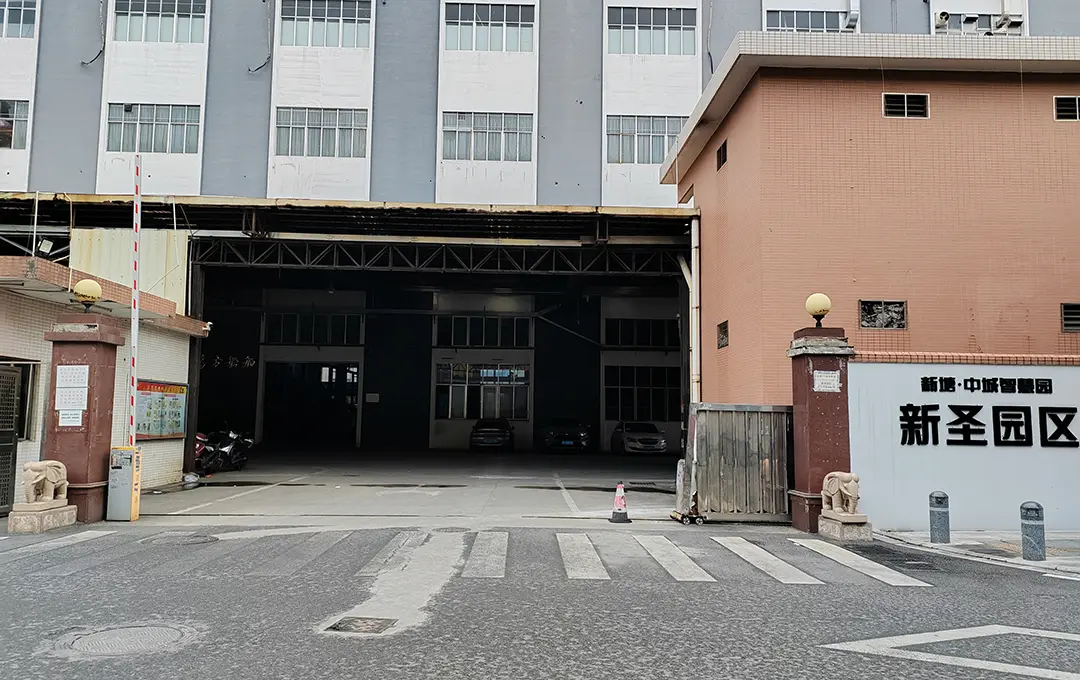
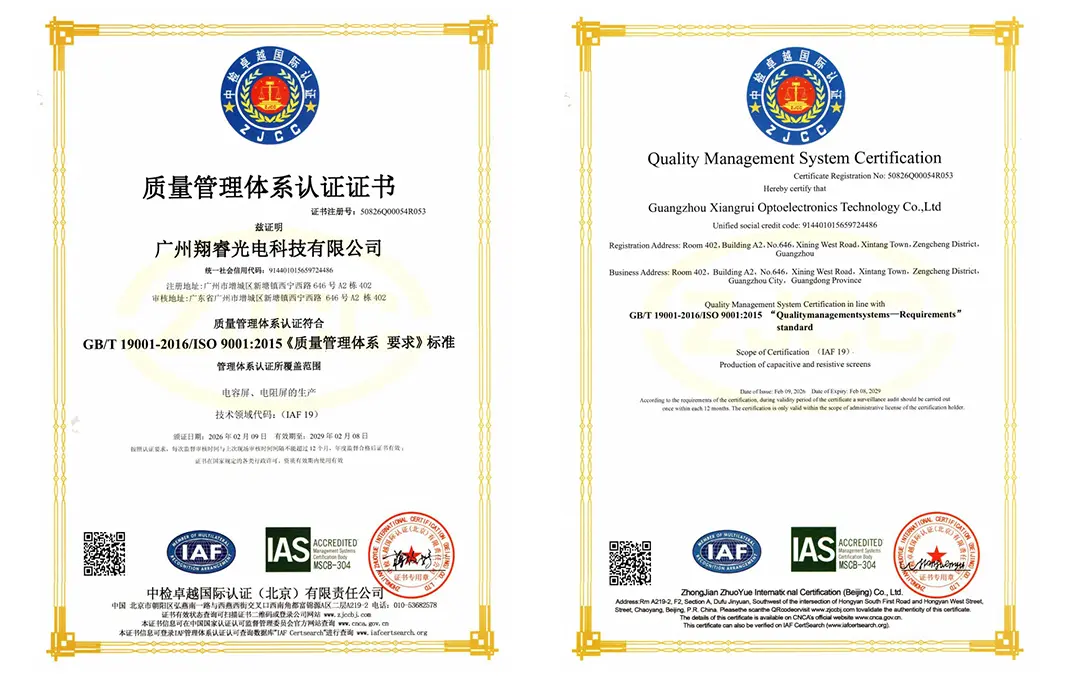
Founded in 2010 and located in Guangzhou, China, Guangzhou Xiangrui Optoelectronics Technology Co., Ltd. is a high-tech manufacturer specializing in the research, development, production, and distribution of high-grade resistive touch panels, projected capacitive touch panels, cover glass assemblies, and fully integrated LCD module bonding solutions.
Our infrastructure covers a 3,000 square meter facility featuring high-specification cleanrooms, including specialized Class 100, Class 1,000, and Class 10,000 dust-free workshops. These environments protect the integrity of high-yield display lamination, sensor deposition, and optical bonding operations, protecting against microscopic airborne particles that could cause optical anomalies or layer delamination.
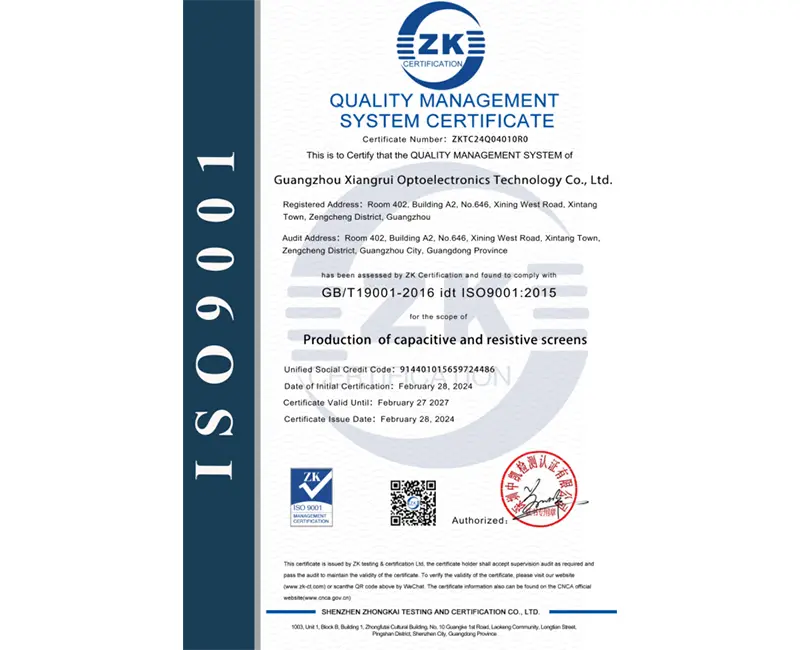
Xiangrui runs integrated business departments for Quality Assurance, Sales and Global Marketing, R&D Engineering, Supply Chain, and HR. We provide full customization capabilities alongside robust OEM and ODM engineering partnerships. Having secured dual ISO certifications (ISO 9001:2015 Quality Management System and ISO 14001:2015 Environmental Management System), we maintain raw-material traceability, process control, and finish testing to satisfy the zero-defect tolerances required in global medical device, military, smart home, and automotive supply chains.
A statistical analysis of our engineering capability, market footprint, and technical portfolio.
Selecting the right touch sensor architecture is critical when designing a device. The choice between Projected Capacitive (PCAP) and Resistive touchscreen designs depends on your installation environment, usage conditions, and system specifications:
Our PCAP panels utilize a matrix of micro-fine conductive ITO (Indium Tin Oxide) sensors laminated under protective cover glass. The controller measures changes in capacitance when a user's finger draws electrostatic charge from the grid. This allows for multi-touch inputs, gesture controls, and flat integration designs.
Resistive panels rely on mechanical force to press two conductive layers (separated by micro-spacers) into physical contact. Available in 4-wire, 5-wire, and 8-wire designs, they offer cost-effective, pressure-activated touch responses that work with any input method (gloves, styluses, or hard objects).
Outdoor readabilities and exposure to chemicals demand specialized treatments. We apply cover glass surface engineering directly within our cleanrooms:
Chemical etching or spray coating disperses specular reflection, reducing glare on the screen for outdoor and high-intensity overhead light environments.
Multi-layer optical coatings minimize reflection to less than 1% while maximizing light transmission. This improves readability in direct sunlight.
Hydrophobic and oleophobic coatings reduce fingerprint smudging and make chemical cleanings quick and easy, which is essential for medical clinical workstations.
How our custom display technology operates across different industries around the globe.
Machine tools, manufacturing executions, and assembly terminals depend on rugged inputs. Our touchscreen panels feature IK08 impact ratings, thick safety cover glass, and physical resistance against oils, acids, and coolant sprays.
Clinical interfaces must remain operational when used with surgical latex gloves or exposed to saline drips and alcohol sanitizers. Xiangrui custom-calibrated PCAP controllers ignore fluid events while registering input gestures.
Our touch systems are integrated into palm print recognition payment terminals and secure self-service retail kiosks. These units demand scratch-resistant, flat designs that withstand continuous public use.
Our operations comply with the ISO 9001 Quality Management System and ISO 14001 Environmental Management System. We run inspection protocols from IQC (Incoming Quality Control) of materials to FQC (Final Quality Control) of assemblies, ensuring that each LCD panel meets European and US directives (RoHS, CE, FCC, and REACH).
Our R&D department develops custom designs tailored to client specifications. Whether you require glass chemically strengthened up to 6mm thickness, custom silk-printed logos, anti-reflective coatings, or tailored FPC shapes and pinouts, our engineering team handles custom tooling from concept to prototype validation.
We provide both OCA (Optically Clear Adhesive) and OCR (Optically Clear Resin) liquid bonding alongside traditional frame/gasket attachment. Optical bonding eliminates the internal air gap between the touch layer and the LCD module, which increases impact resistance, reduces light reflection, and prevents moisture condensation.
As smart factories, medical systems, and vehicle dashboards become more interconnected, HMI requirements are shifting. Guangzhou Xiangrui is continuously evolving our technology portfolio to keep pace with these shifts:
Integrating piezoelectric and ERM actuator systems to provide tactile confirmation upon touch. This allows operators to confirm command inputs in noisy industrial workshops without relying on visual prompts.
Refining sensor sensitivity and noise-to-signal ratios to support touch transmission through cover glass up to 10mm thick. This is key for anti-vandalism displays in public outdoor environments.
Developing flexible ITO sensors on polymer substrates to enable curved touch displays. This allows designers to integrate touch panels seamlessly into ergonomic dashboard consoles.
Review our factory-direct capacitive and resistive touchscreen configurations designed for high reliability and long lifecycles.
Technical answers to common questions about custom touch display engineering, optical bonding, and factory logistics.
Optical Bonding fills the air gap between the touch sensor panel and the LCD cell using an index-matched adhesive layer (OCA film or OCR liquid resin). This setup eliminates internal reflections, improving screen contrast and sunlight readability by up to 400%. It also prevents internal condensation and dust buildup while improving overall mechanical impact resistance (IK ratings). Tape/Air-Gap bonding uses double-sided tape along the perimeter, leaving a physical air gap that can lead to internal reflection and condensation in high-humidity or wide-temperature environments.
Our engineering team configures the touch controller integrated circuit (such as EETI, ILITEK, or Cypress) by adjusting the controller's firmware drive voltage, mutual-capacitance parameters, and sensor sensitivity thresholds. This allows the projected capacitive touch grid to detect touch signals through medical gloves, heavy industrial gloves, and thick cover glass up to 6mm.
To ensure reliability in harsh environments, our products undergo verification testing in our quality testing center. This testing includes High/Low Temperature Storage and Operation Tests (operating from -30°C to +80°C, and storage down to -40°C or up to +85°C), Thermal Shock Tests, Constant Temperature and Humidity Tests (e.g., 60°C at 90% RH for 240 hours), and Vibration and Drop Impact Testing. We also verify optical transmission and surface treatment performance (such as contact angle verification for anti-fingerprint properties).
We offer complete system customization, including: 1) Cover lens dimensions, thickness, and profile cuts; 2) Cover lens treatments (AG, AR, AF) and custom silk-screen printing; 3) Optical bonding with high-brightness LCD panels (up to 2,000+ nits for outdoor readability); 4) Tailored flexible printed circuit (FPC) routing and interface configurations (USB, I2C, RS232, SPI); and 5) System controllers calibrated to support multi-touch gestures and specialized inputs.
 Xiangrui Optoelectronics