Explore our highly-durable resistive and high-precision projected capacitive touch screen panels engineered to survive extreme working conditions.
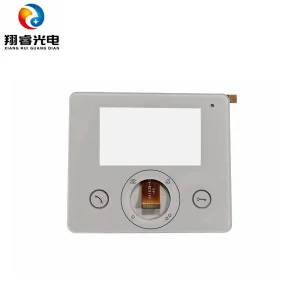
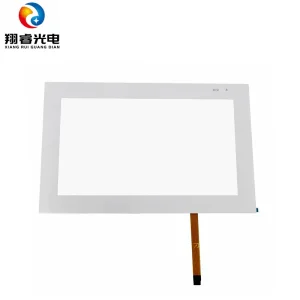
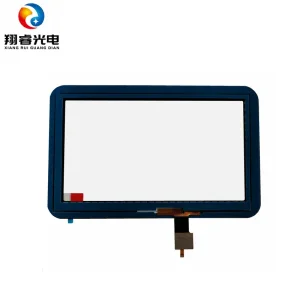
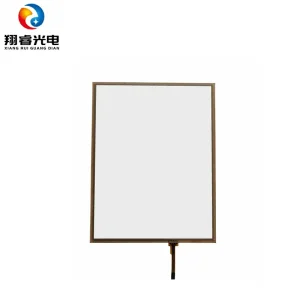
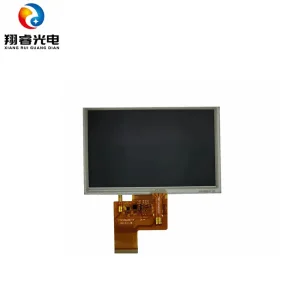
In modern industrial automation, healthcare logistics, and retail infrastructure, the 15-inch touch screen display has emerged as the global standard form factor. Offering the perfect balance between spatial visibility and compact deployment footprint, this format serves as the key interactive bridge in Human-Machine Interfaces (HMI). From industrial IoT gateways and control cabinets to sophisticated medical cart terminals, the demand is moving rapidly toward specialized resistive panels and optically-bonded capacitive multi-touch configurations.
Enterprises globally are moving away from standard consumer-grade displays which frequently fail due to thermal stresses, dust ingress, and electrical interference. Modern procurement strategies favor suppliers that integrate custom cover glass solutions (such as AG (Anti-Glare), AR (Anti-Reflective), and AF (Anti-Fingerprint) treatments) with certified industrial controller boards (like EETI or Ilitek) capable of thick-glove support and water-rejection touch capabilities.
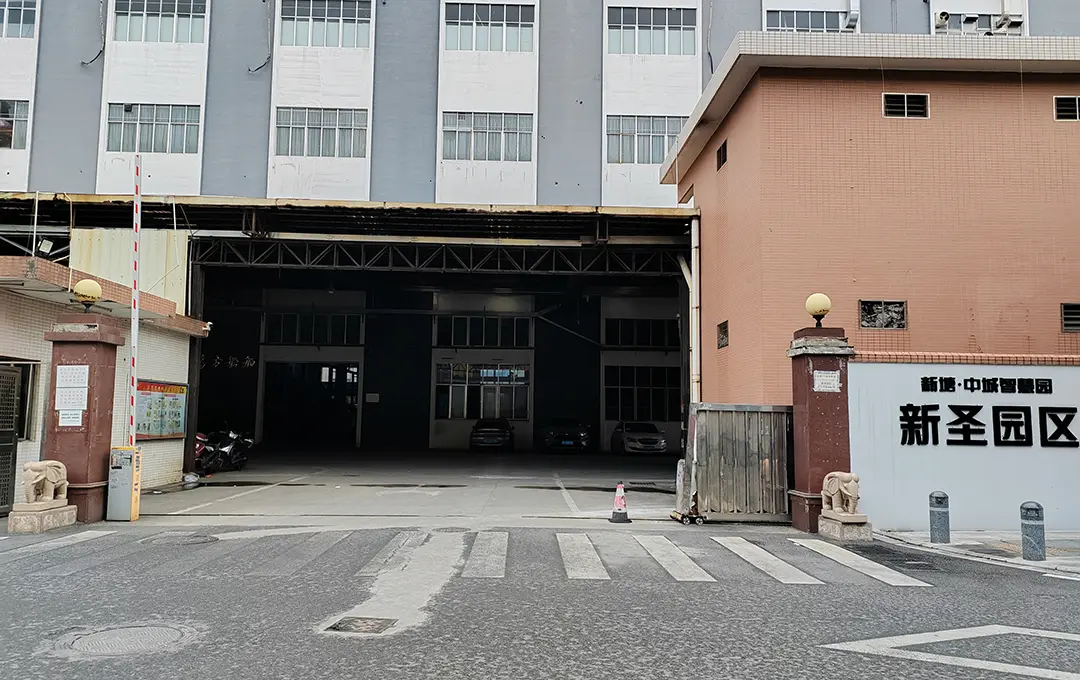
Founded in 2010 and situated in the industrial manufacturing hub of Guangzhou, China, we are an industry-leading manufacturer focused entirely on the engineering, production, and custom optical bonding of high-performance resistive and capacitive touch panels. Spanning a total cleanroom facility of 3,000 square meters, our production floors are strictly segregated into Class 100, Class 1,000, and Class 10,000 dust-free zones. This guarantees that advanced bonding steps, such as liquid optical bonding (LOCA/OCR) and dry-film tape bonding, are completed free of particulate defects.
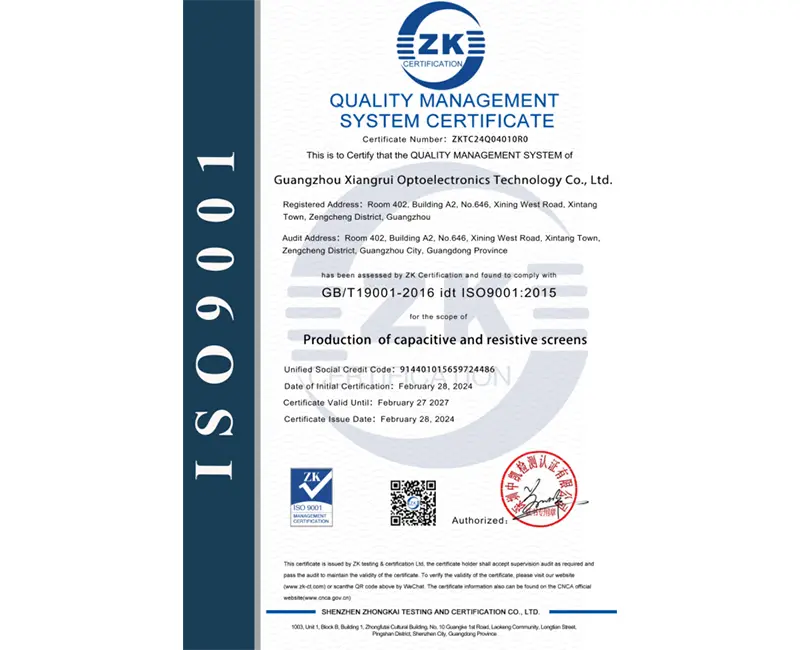
Our commitment to rigorous international standards is backed by ISO 9001:2015 Quality Management and ISO 14001:2015 Environmental Management certifications. Additionally, our R&D initiatives have garnered over 30 patents and secured our status as a certified high-tech enterprise in Guangdong Province since 2022.
A breakdown of supply chain orchestration, material availability, and speed-to-market advantages.
Being based in Guangzhou allows us to source premium materials—like AGC glass, Nitto polarizers, and high-end controller chips—within a 100-mile ecosystem. This dramatically lowers turnaround times for custom cover glass production and module bonding.
Unlike standard generic factories, our lamination processes take place inside high-standard cleanrooms where atmospheric moisture and temperature are strictly regulated. This prevents bubble formation and ensures long-term display durability.
We build our own tooling structures and write custom firmware configurations for touch controllers. This agility allows us to deliver prototypes in as little as 2 weeks, ensuring your hardware engineering team meets project milestones.
Understand the architectural differences between Resistive and Projected Capacitive (PCAP) technologies to make the right procurement choice.
| Feature Spec | Resistive Touch Panels (Analog 4/5/8-Wire) | Projected Capacitive (PCAP) Touch Panels |
|---|---|---|
| Operating Principle | Pressure-activated physical contact between microscopic spacer-dot layers. | Electrostatic field perturbation by conductive finger or passive stylus. |
| Multi-Touch Capability | Primarily Single-touch (Supports simple gestures on advanced controllers). | True Multi-touch (typically 2 to 10 points depending on IC firmware). |
| Durability & Hardness | Polyester (PET) outer layer (typically 3H hardness). Vulnerable to sharp object punctures. | Tempered glass cover panel (7H or IK08/IK10 ratings). Exceptionally scratch-resistant. |
| Environmental Protection | IP65 capability on bezel surfaces. Unaffected by dust, moisture, or chemical splashes. | Flat-front seamless design allows IP65/IP66 sealing. Glass protects sensors from elements. |
| Optical Transmittance | Generally 75% to 82% due to multiple internal layers. | Greater than 88% to 92% (up to 98% with optical bonding and AR coatings). |
| Ideal Application Venues | Heavy-duty machinery, warehouses with thick glove demands, medical devices with strict EMC. | Interactive outdoor kiosks, point-of-sale systems, medical diagnostics, smart home controls. |
How we engineer screens to perform under harsh sunlight, extreme temperatures, and physical impact.
Standard displays use air-bonding (tape around the border), leaving a gap that degrades clarity and traps condensation. Our cleanroom-certified optical bonding fills this gap with liquid optically-clear adhesives. This eliminates internal reflection, boosts contrast by up to 400% in bright sunlight, prevents internal fogging in marine environments, and significantly increases resistance to shocks and drops.
Our 3-stage standardized production flow ensures zero failures from incoming raw components to final product shipping.
Every single ITO film batch, cover glass panel, flexible printed circuit (FPC), and controller IC undergoes strict inspection. Optical scanners check for microscopic scratches, and FPC trace conductivity is verified before release to the line.
Critical touch sensor bonding and cover glass assembly occur inside our Class 100/1000 cleanroom environments. Automated sensor alignment machinery maintains precision tolerances within +/- 0.1mm.
Before packaging, touch screens undergo simulated aging tests inside thermal chambers (-40°C to +85°C), ESD discharge tests (up to 15kV contact/air), drop test metrics, and multi-point calibration verification.
Addressing the technical, logistics, and design hurdles faced by hardware engineering and procurement teams.
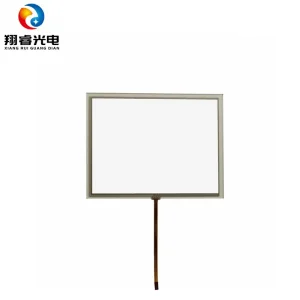
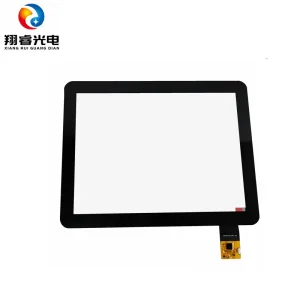
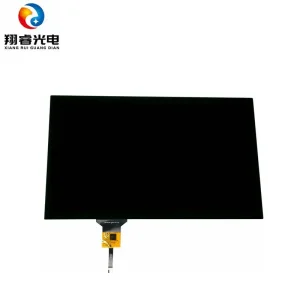
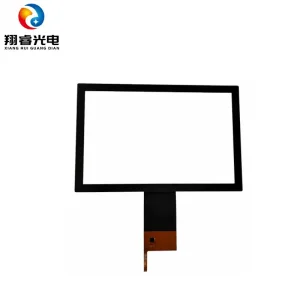
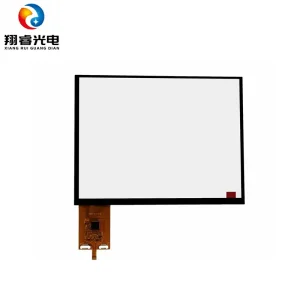
Explore our additional specialized capacitive and resistive touch panel configurations designed for global applications.
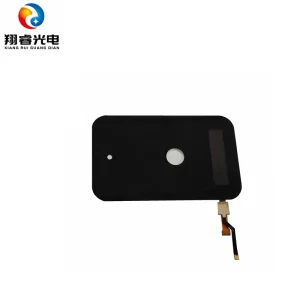
 Xiangrui Optoelectronics