Explore our core product lineup encompassing capacitive & resistive touch panel technologies designed for industrial, medical, and high-reliability environments.
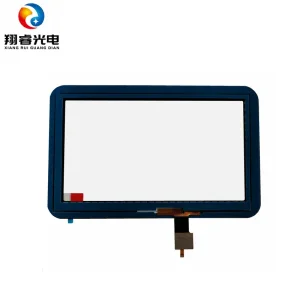
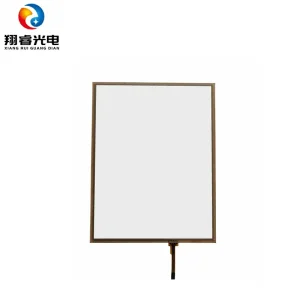
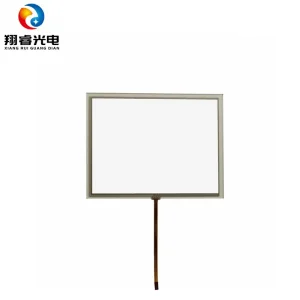
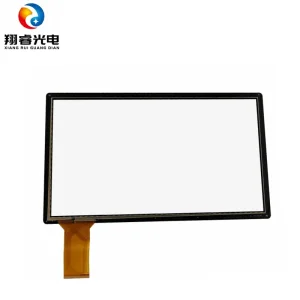
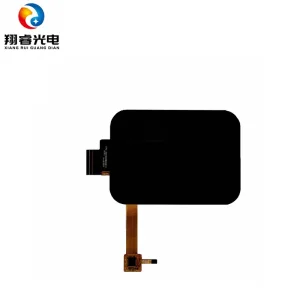
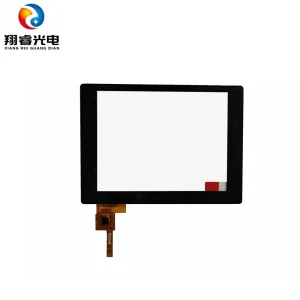
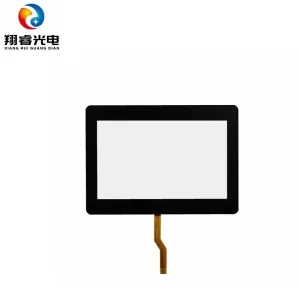
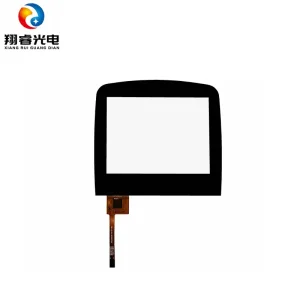
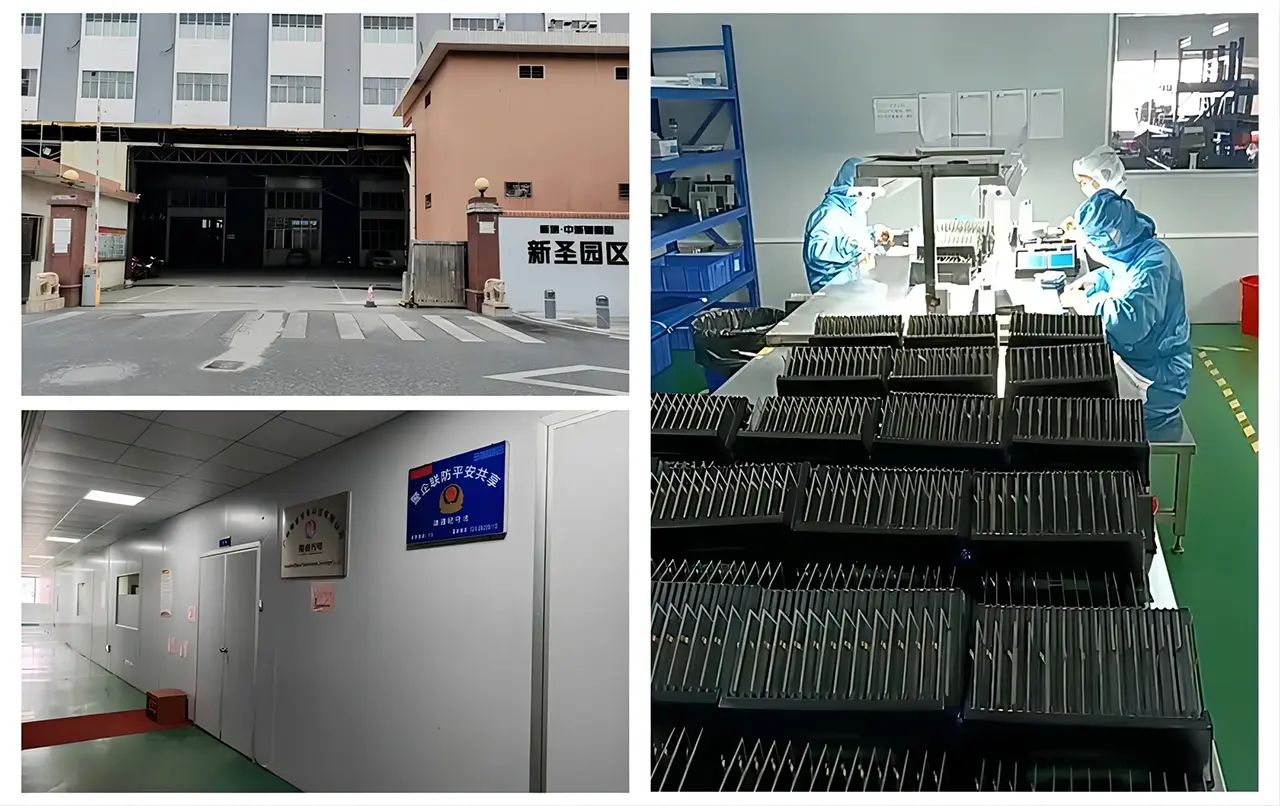
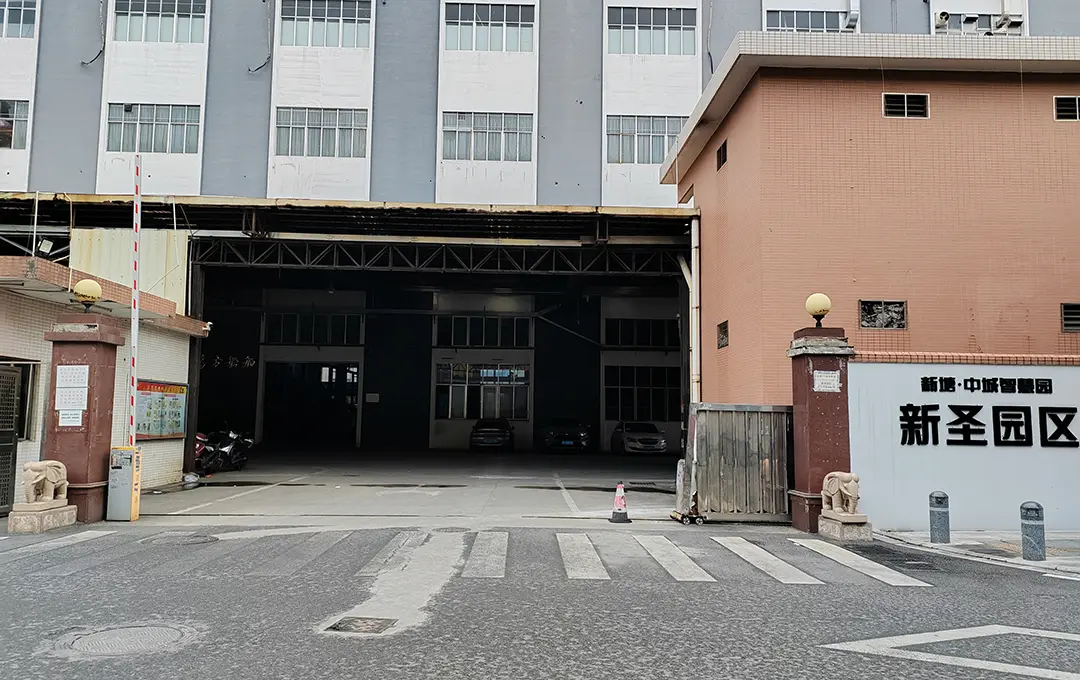
Founded in 2010 in Guangzhou, China, Guangzhou Xiangrui Optoelectronics Technology Co., Ltd. has established itself as an industry-leading designer, developer, and manufacturer of premium resistive touch panels, projected capacitive (PCAP) touch screens, chemically strengthened cover glass, and advanced module optical bonding solutions. For over a decade, we have partnered with global enterprises to deliver tailored human-machine interfaces (HMI) optimized for resilience, precision, and longevity.
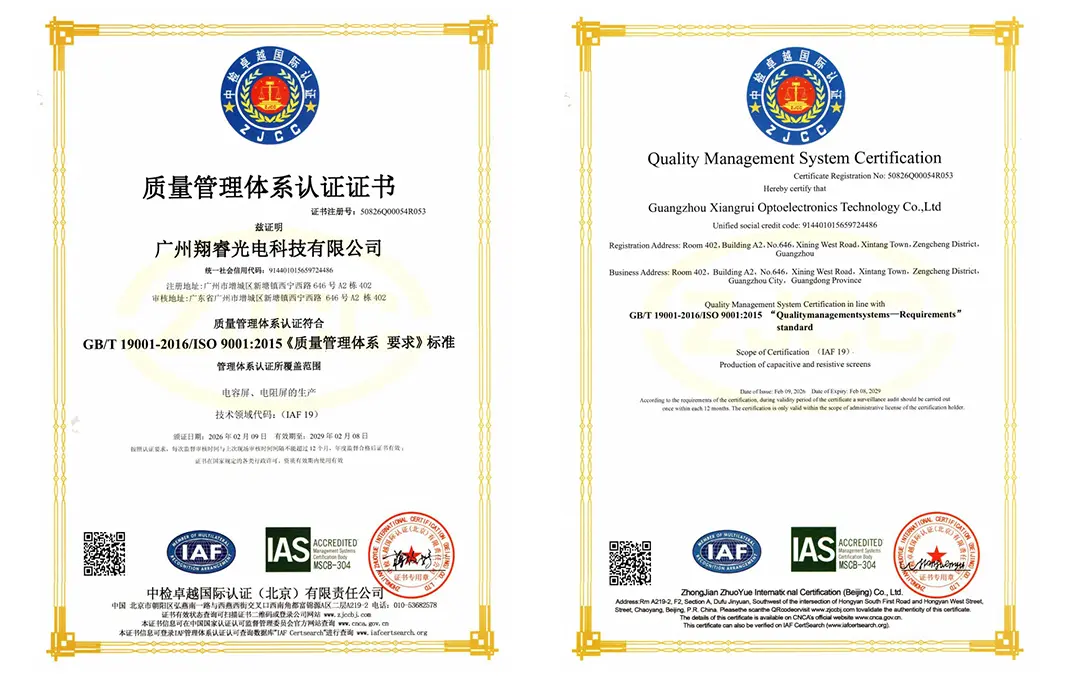
Our commitment to excellence is supported by dual certification under the ISO 9001:2015 Quality Management and ISO 14001:2015 Environmental Management systems. Our engineering capabilities span across specialized R&D, manufacturing, material sourcing, and rigorous quality testing. We ensure that every 4.3-inch touch screen panel produced under our custody meets the highest standards for deployment in industrial automation, medical systems, marine equipment, and critical public utility platforms.
Refining capacitive and resistive touch manufacturing since 2010.
Continuous innovation in HMI response and chemical glass strengthening.
Equipped with automated FPC bonding, laminators, and curing chambers.
Exporting engineered modules to Europe, North America, and Asia-Pacific.
Understanding the engineering layers, material chemistry, and sensor structures driving human-machine communication.
Utilizing high-performance controller ICs (such as ILITEK, FocalTech, and Cypress) with custom Sensor glass structures. Features multi-touch tracking, high optical clarity (over 85%), and robust operation through thick cover lens overlays.
Ideal for EMI-compromised industrial automation. Available in 4-wire and 5-wire architectures, these touch screens respond to physical pressure from styluses, fingers, gloved hands, and tooling, unaffected by ambient electrostatic noise.
Laminating the 4.3" touch sensor directly to the TFT-LCD using optically clear adhesives (OCA) or liquid gel (LOCA). Eliminates the air gap, preventing internal reflections, dust intrusion, and condensation under high-humidity environments.
| Feature / Metric | Projected Capacitive (PCAP) | Resistive Touch (4/5-Wire) |
|---|---|---|
| Operation Input | Conductive contact (fingers, specialized capacitive pens, thin latex gloves) | Pressure-sensitive contact (any physical stylus, heavy industrial gloves, tools) |
| Multi-touch Support | Yes, up to 10 points depending on IC configurations | Single touch (Standard), dual-touch gestures (Specialized controllers) |
| Surface Durability | Extremely high (Mohs scale > 6H for standard cover glass) | Moderate (Typically 3H hardness, requires hard-coat PET film protector) |
| Opto-electronics Clarity | > 85% to 90% transmission rates | 75% to 82% transmission rates |
| Noise Immunity (EMI) | Requires advanced IC firmware tuning for heavy factory machinery | Inherently immune to electromagnetic interference (EMI) |
| Environmental Sealing | Excellent for NEMA 4/12 & IP65/IP67 waterproof designs | Good, but substrate film layer is vulnerable to sharp punctures |
Where custom touch integration matches specific hardware and operational compliance standards.
In medical fields, sterilization protocols demand screen interfaces that can withstand continuous exposure to chemical cleaners like isopropyl alcohol and bleach. Our 4.3-inch capacitive touch panels support optical bonding with custom 1.1mm to 2.0mm cover glass. This ensures complete liquid ingress protection (IP65) and supports smooth operation by practitioners wearing medical-grade latex or nitrile gloves.
Industrial machinery zones face continuous heat, mechanical shock, and electromagnetic noise. Our custom 4.3-inch resistive and PCAP solutions feature wide-temperature tolerance (-20°C to +70°C operating range). With specialized firmware setups, capacitive screens filter out false touch triggers caused by water mist, grease, or heavy vibrational feedback.
Consumer expectations demand pristine aesthetic integration. For smart home hubs, thermostat controls, and biometric scanners, we supply custom-shaped cover glass with polished 2.5D round edges, integrated black borders, and silk-screened indicators. Our process ensures flat, bubble-free lamination with clean visual clarity under ambient indoor lighting.
Readability under direct sunlight is vital for POS devices, logistics trackers, and outdoor intercoms. We apply advanced cover glass coatings like Anti-Glare (AG) to reduce reflections, Anti-Reflection (AR) to maximize brightness, and Anti-Fingerprint (AF) oleophobic treatments to minimize oil smudge build-up during intense daily use.
Why Guangzhou Xiangrui Optoelectronics is a trusted global supply chain partner.
Our 3,000-square-meter facility in Guangzhou features class-certified cleanroom environments essential for high-yield display bonding. To prevent microscopic dust from causing pixel voids or touch sensitivity drops, we enforce strict dust levels across three tiers:
Through close partnerships with local material suppliers in Southern China's optoelectronics hub, we secure raw glass sheets, advanced FPC cables, and driver ICs at stable prices. This vertical integration allows us to keep production schedules steady, minimize lead times, and maintain manufacturing flexibility to meet unexpected changes in demand.
Our quality control pipeline starts before assembly. Raw materials go through strict inspection using automated optical systems. All customized 4.3-inch touch screens must pass strict test routines before shipment, including:
From initial CAD drawings to high-yield mass production: standard ODM/OEM stages.
Define dimensions, cover glass thickness, connection pinouts, and custom IC requirements.
Create 2D/3D design files within 3 days. Rapid functional prototyping ready within 2-3 weeks.
Conduct environmental, visual, and electronic performance validation tests in our labs.
Mass assembly in our dust-free cleanrooms under strict ISO 9001 and ISO 14001 guidelines.
Industrial, medical, and aerospace control systems require components that remain available over long operational lifetimes. Guangzhou Xiangrui Optoelectronics offers supply guarantees for all customized 4.3" touch screens. If a component goes end-of-life (EOL), we provide backward-compatible form-fit-function replacements. This ensures continuous production without needing to redesign your device's chassis or core software.
Answers to common engineering and sourcing questions about touch screens.
For standard customized cover glass profiles (such as specific edge chamfers or customized printing), drawing validation takes 2-3 days, and prototype units are delivered in 14-21 working days. If a custom ITO sensor layer is required, prototype tooling takes 4-5 weeks, followed by immediate engineering sample verification.
We adjust the drive-and-sense channel sensitivity settings of the controller IC (e.g., ILITEK or FocalTech). This allows the controller's firmware to distinguish between the steady capacitance of a finger (even through gloves) and the erratic surface capacitance of water drops, preventing false inputs.
We offer three main surface treatments: Anti-Glare (AG) chemical etching to reduce reflections in bright outdoor settings; Anti-Reflection (AR) multi-layer physical coatings to improve screen contrast; and Anti-Fingerprint (AF) hydrophobic layers to keep the screen free of fingerprint oils and smudges.
Yes. All raw materials—including cover glass, sensor layers, FPC interfaces, and controller chips—meet EU RoHS Directive standards. We maintain complete environmental tracking logs to help you secure regulatory approvals for your finished product assemblies.
Frame lamination (air bonding) uses double-sided tape along the outer borders, leaving an air gap between the touch sensor and the LCD panel. OCA optical bonding uses a dry, clear adhesive layer across the entire screen area. This removes the air gap, preventing internal reflections and condensation while improving impact resistance.
High-quality touchscreen designs engineered to support diverse industrial displays and custom system layouts.
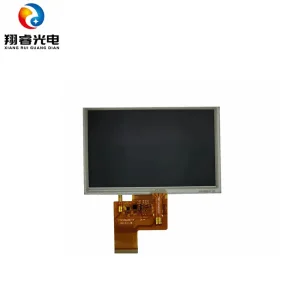
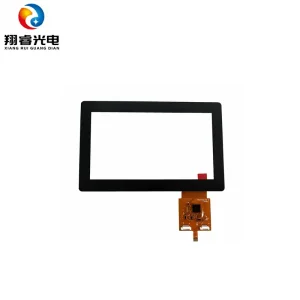
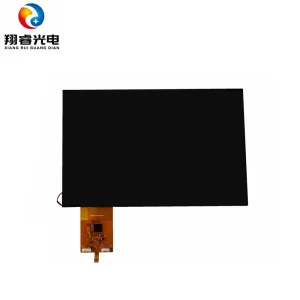
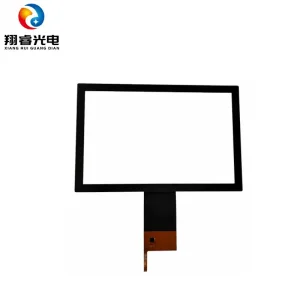
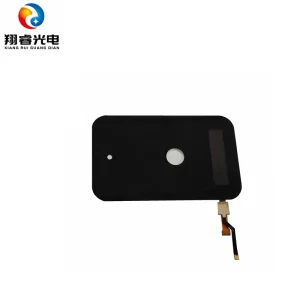
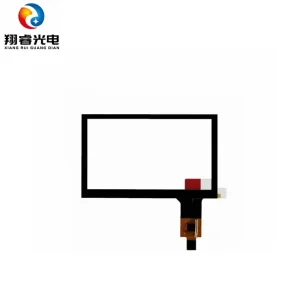
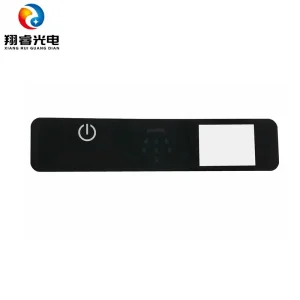
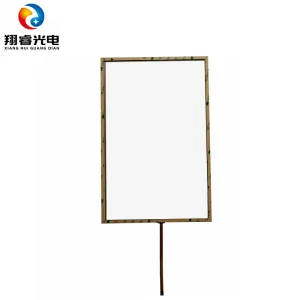
Tailoring structural glass substrates to match your hardware's operating environments.
Our cover glass uses chemically strengthened soda-lime glass or aluminosilicate structures. The chemical treatment swaps out small sodium ions in the glass surface for larger potassium ions. This creates a strong compression layer that protects the display panel from drops, impact damage, and surface scratches during daily use.
We customize FPC configurations to match your circuit layout. Options include shielding layers to block electromagnetic interference (EMI), customized pinout mappings, and structural shapes that route around inner components. We can also integrate controller IC chips directly onto the flex tail (COF) or onto the controller board (COB).
 Xiangrui Optoelectronics