Explore our industrial-grade optical-bonded displays and custom projection arrays.
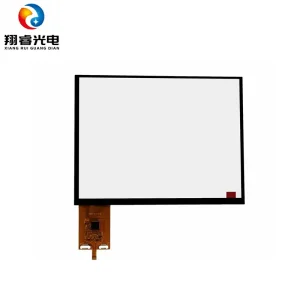
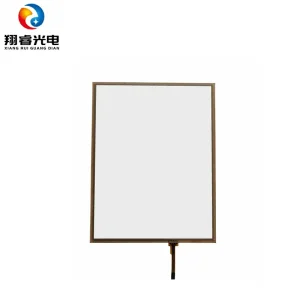
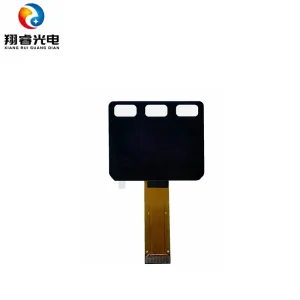
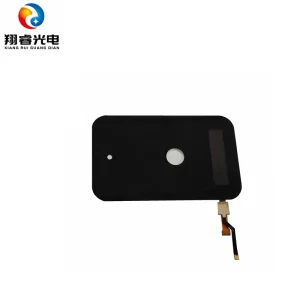
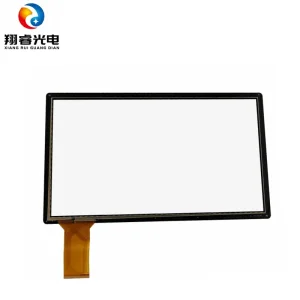
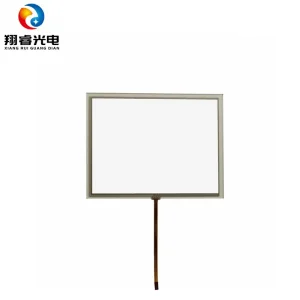
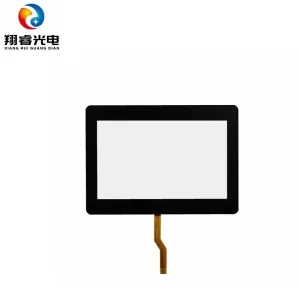
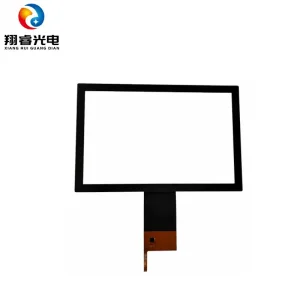
Founded in 2010 in Guangzhou, China, we are an industry-leading manufacturer specialized in research, design, production, and precision module bonding of projective capacitive (PCAP) and resistive touch panels. Operating out of a state-of-the-art 3,000 square meter factory, we utilize highly controlled cleanroom systems to build ruggedized touch panels with absolute clarity and durability.
Our capabilities range from small-format handheld medical sensors to large-format outdoor industrial human-machine interfaces. By specializing in optical bonding (OCR/LOCA and OCA) and robust glass laminations, we deliver display solutions designed to perform under demanding environments.
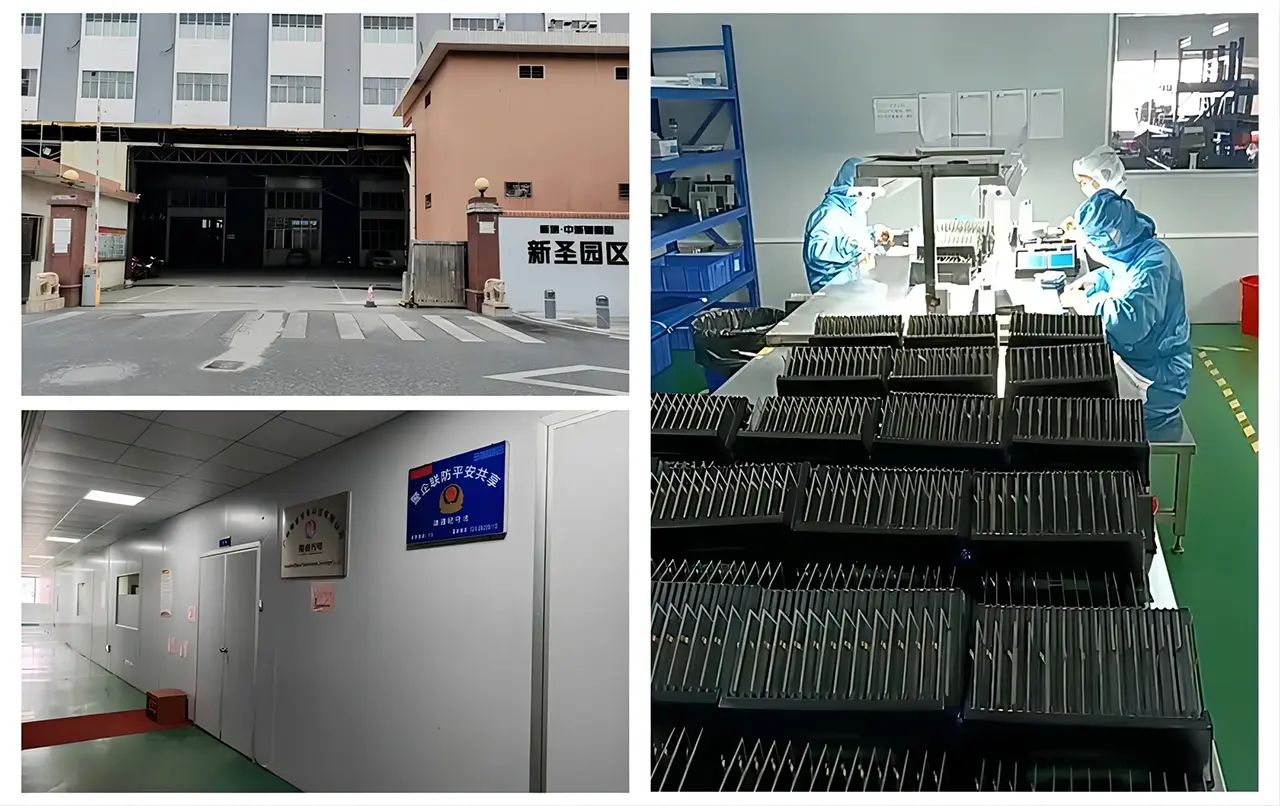
Providing custom multi-touch LCD components backed by compliance, durability, and deep material expertise.
In the landscape of modern electronics, selecting the proper multi-touch LCD sensor structure directly impacts device longevity, user response fidelity, and global regulatory compliance. High-Performance human-machine interfaces require custom optimizations at the sensor level, glass stack up, and touch IC tuning stage.
Projected Capacitive (PCAP) touch technology relies on the variation of capacitance at the node intersection of transparent ITO (Indium Tin Oxide) electrode grids. As a human finger approaches the cover glass, it draws charge from the local electrostatic field, registering a precise location. This system supports multi-touch tracking, gesture recognition, and glove/water rejection filters.
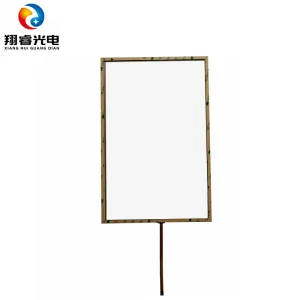
In contrast, Resistive touch screens utilize two flexible layers coated with conductive material separated by insulating micro-dots. When mechanical pressure is applied, the layers contact, creating a voltage drop that calculates single or dual-touch coordinates. Resistive systems remain crucial for harsh environments, such as blast furnaces or high electromagnetic interference (EMI) fields, where gloved hands are covered in grease or debris.
For applications operating in direct sunlight or high vibration, display assembly design is critical. Our cleanroom facilities specialize in two primary methods:
The concentration of touch technology manufacturing in the South China electronics corridor provides global buyers with several operational advantages:
First, proximity to raw materials, including high-ion-exchange cover glass, flexible printed circuit (FPC) components, and advanced touch controller chipsets (e.g., EETI, Ilitek, and Cypress), reduces lead times. Second, our cleanroom facilities can adjust assembly lines to accommodate diverse production runs, from short-run custom shapes to high-volume standard units. This allows companies to quickly move designs from prototype validation through pilot tests to mass production.
Delivering touch solutions worldwide requires adherence to international standards and regulatory guidelines:
Quality Management Systems (ISO 9001 / 14001): Our production processes use automated optical inspection (AOI), environmental thermal chambers, and drop-ball testing to confirm compliance with standardized specifications.
IP65 & IP67 Ingress Protection: Outdoor kiosks and clinical equipment require protection against liquids and dust. We fabricate display panels using custom gaskets and water-rejection firmware that prevent unintended activations from moisture or standing water.
EMC & EMI Isolation: Industrial environments often subject electronics to high levels of electromagnetic noise. Our custom FPC routing designs incorporate copper shielding layers, ground-ring placements, and noise-filtering controller firmware to ensure signal reliability in demanding fields.
Optimized touch screen interfaces designed for specialized industrial and clinical environments.
The transition toward smarter, connected human-machine interfaces is driving new requirements for industrial touch displays:
Increased Cover Glass Durability: The use of chemically tempered cover glass, such as Corning Gorilla Glass or Dragontrail, is growing. These materials resist scratching and retain structural strength even with custom cutouts or curved geometries.
Glove & Moisture Calibration: Modern projected capacitive systems use custom-tuned firmware algorithms that detect changes in capacitance even through thick work gloves, water spray, or other surface contaminants.
Improved Haptic Feedback: Integrating micro-actuators behind the touch screen panel provides users with tactile confirmation when virtual buttons are pressed. This helps reduce input errors in high-vibration control rooms.
Find answers to common technical queries regarding custom multi-touch display projects.
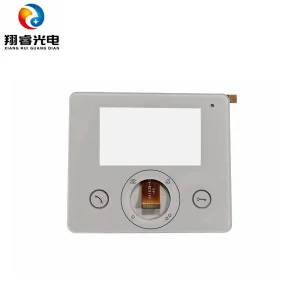
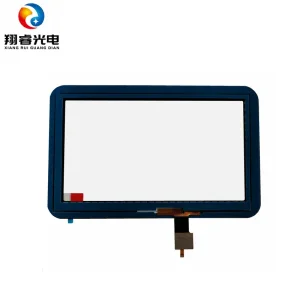
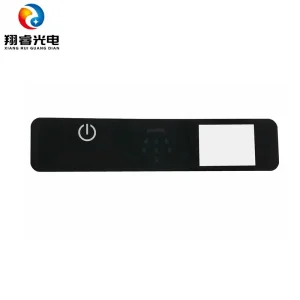
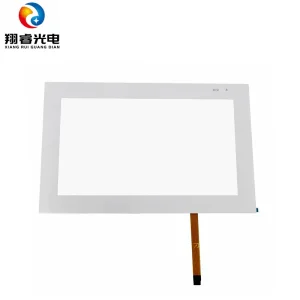
Review our catalog of standard and custom capacitive and resistive configurations.
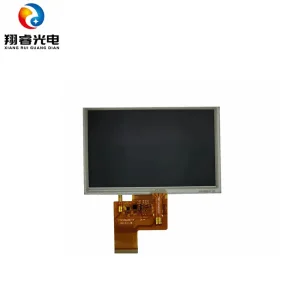
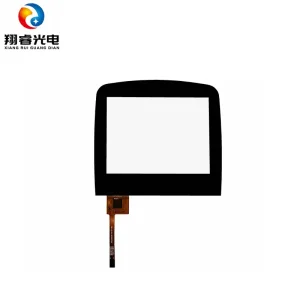
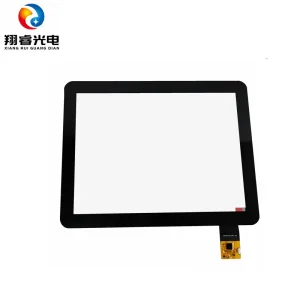
 Xiangrui Optoelectronics