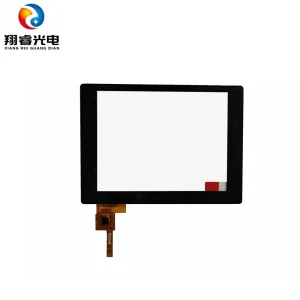
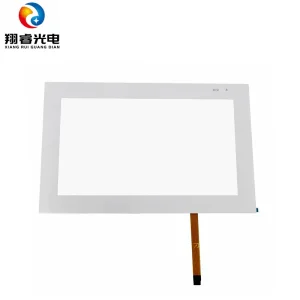
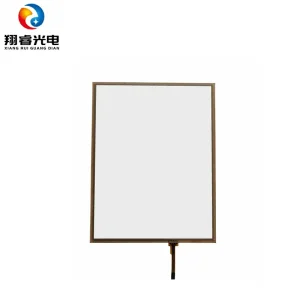
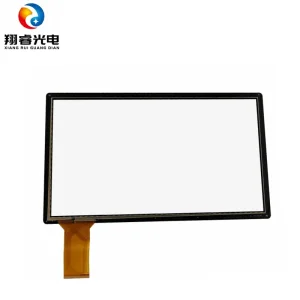
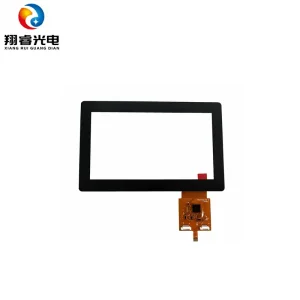
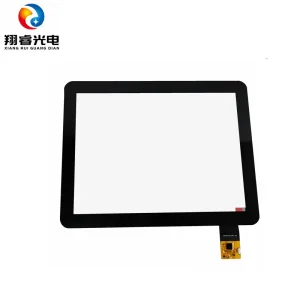
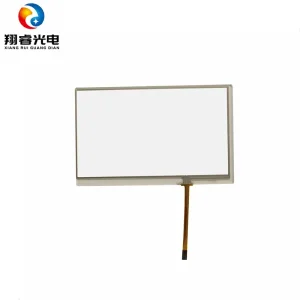
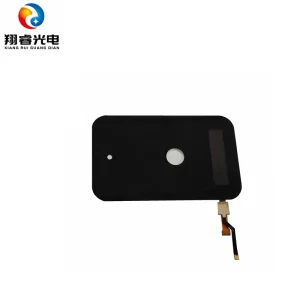
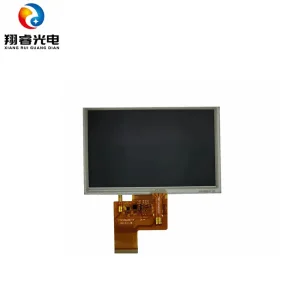
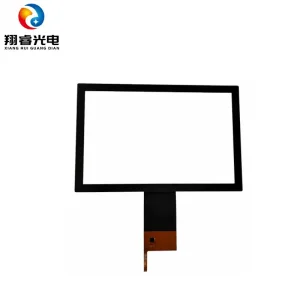
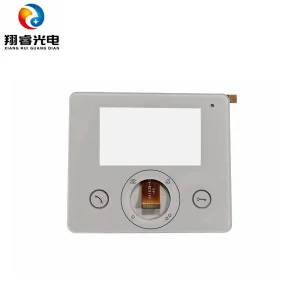
Explore our flagship industrial-grade capacitive and resistive touch screens engineered for demanding environments.
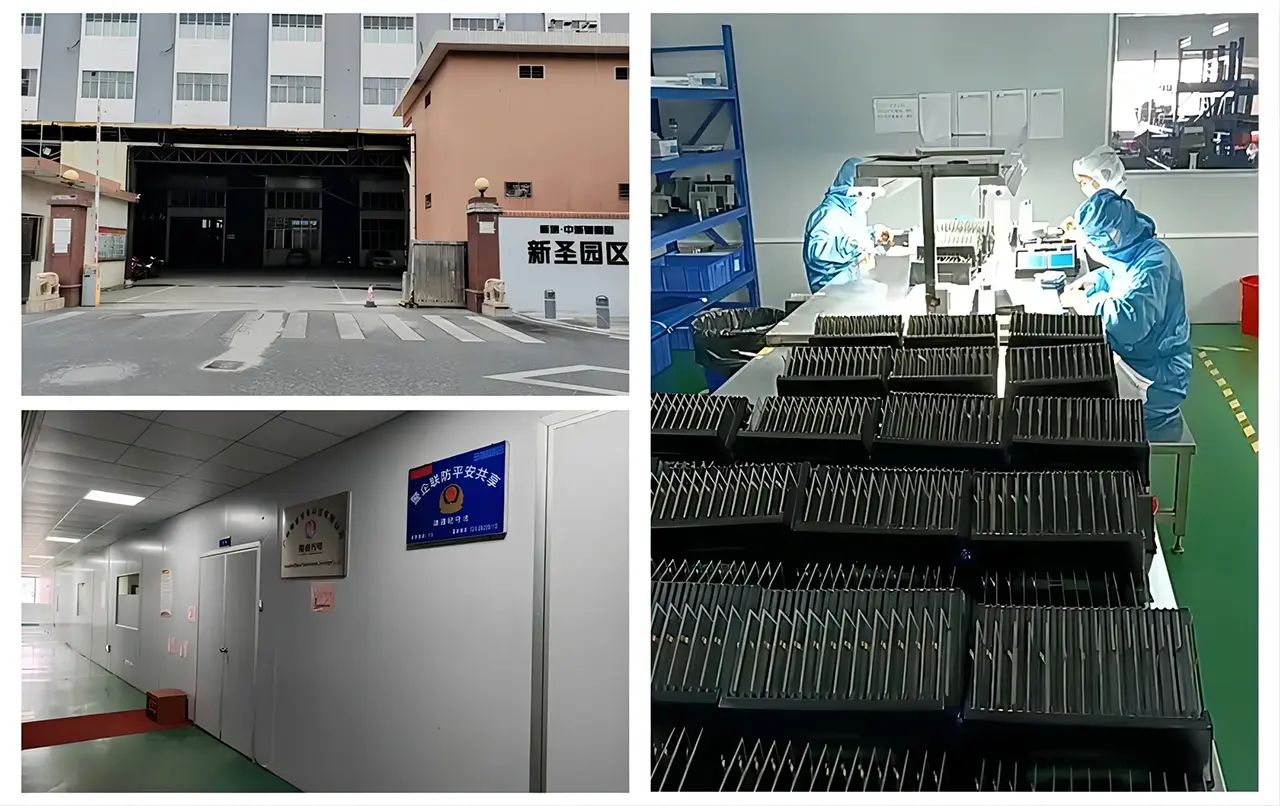
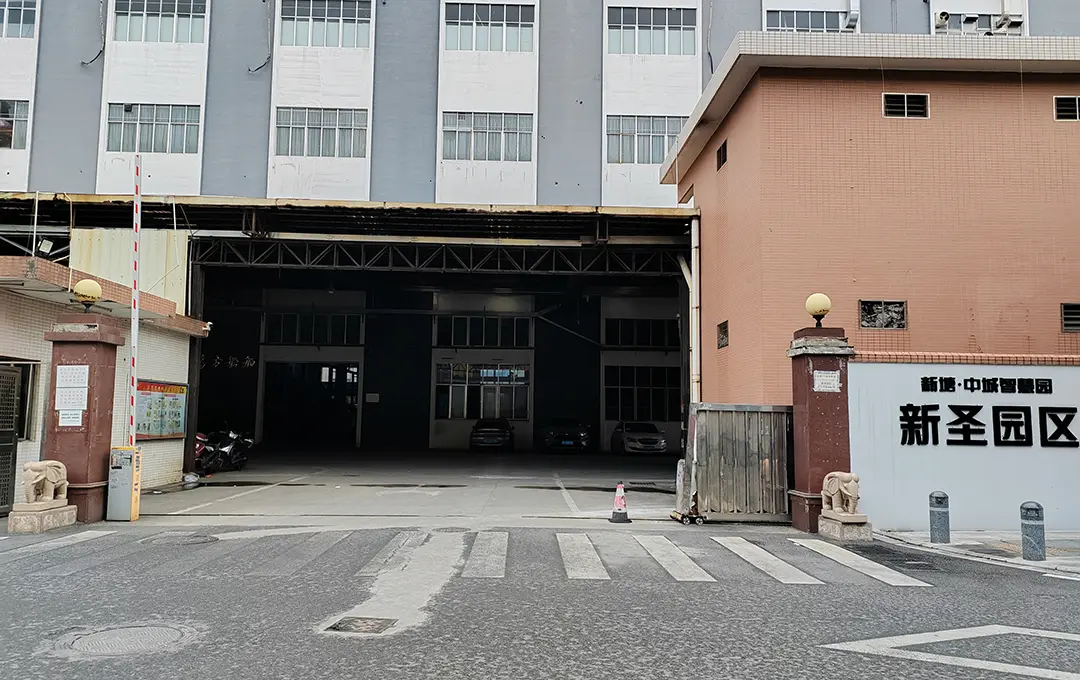
Founded in 2010 in Guangzhou, China, we are a pioneering high-tech enterprise dedicated to the research, development, production, and global service of resistive touch panels, capacitive touch panels, customized cover glass, and full module optical bonding products. Over the last decade, we have honed our manufacturing pipelines to provide reliable OEM and ODM touch integration solutions.
Holding both ISO 9001 and ISO 14001 certifications, we control every variable of the production sequence. Our touch interfaces serve critical roles in demanding sectors including rugged industrial controls, specialized medical monitors, automated home systems, smart commercial panels, and outdoor palm-print payment terminals.
A look at our data indicators highlights our continuous growth and manufacturing reliability.
The global demand for portable touch screens is surging, driven by the expansion of the Industrial Internet of Things (IIoT), handheld medical diagnostic devices, smart point-of-sale (POS) systems, and ruggedized logistics terminals. As human-machine interfaces (HMI) become increasingly decentralized, the design specifications for these screens have evolved. Modern touch screens must not only be responsive but also endure harsh operating conditions, including extreme temperature fluctuations, high humidity, mechanical impacts, and electromagnetic interference.
Located in Guangzhou, Guangzhou Xiangrui Optoelectronics Technology Co., Ltd. benefits from China's highly integrated optoelectronic supply chain. South China houses the world's most dense cluster of raw glass suppliers, flexible printed circuit (FPC) manufacturers, IC controller packagers, and chemical treatment plants. This regional ecosystem allows us to compress development cycles for custom designs down to a fraction of the time required elsewhere.
Furthermore, local raw material availability enables cost efficiencies in producing advanced cover glasses (including chemically strengthened aluminosilicate glass like Corning Gorilla Glass or AGC Dragontrail) with targeted surface treatments such as Anti-Glare (AG), Anti-Reflective (AR), and Anti-Fingerprint (AF) coatings. This proximity directly benefits international buyers through faster prototyping, reduced BOM costs, and rapid scalability from pilot run to mass production.
Dust is the primary enemy of optical clarity and capacitive touch sensitivity. Even a single micron-sized airborne particle trapped between the cover lens and the sensor can lead to visual defects or electrical failure. Our 3,000 square meter plant features specialized dust-free environments scaled to specific tasks:
• Class 100 Cleanrooms: Reserved for critical optical bonding processes (LOCA/OCA) and raw sensor array lamination.
• Class 1,000 Cleanrooms: Dedicated to sensor alignment, visual inspection, and backlight assembly.
• Class 10,000 Cleanrooms: Configured for final housing integration, testing, and clean packaging.
By strictly maintaining these environmental standards, we keep our manufacturing defect rates well below the industry average, meeting the stringent expectations of medical-grade and automotive customers.
While Projective Capacitive (PCAP) touch screens remain the standard for consumer electronics due to multi-touch capability and high optical clarity, Resistive Touch Screen technology continues to hold a strong position in specific industrial sectors.
• Resistive Technology: Highly valued in heavy industrial, military, and outdoor settings because it is pressure-activated. It operates reliably with any glove type, stylus, or even in the presence of heavy surface contamination like water, grease, or chemical splatters. Our 5-wire resistive sensors offer excellent lifespan and wear resistance compared to legacy 4-wire models.
• Capacitive Technology: Ideal for high-interaction environments like smart home hubs and palm print recognition systems. PCAP supports multi-touch, gesturing, and thick cover glass overlays (up to 10mm) for vandal-proof applications. It delivers superior light transmission (typically >90% compared to >80% for resistive screens), ensuring vivid colors and sunlight readability.
A key indicator of high-quality portable display performance is the bonding method used between the touch panel and the LCD panel:
• Air Bonding (Frame Lamination): The touch panel is joined to the LCD via double-sided tape along the perimeter, leaving an air gap in the center. While cost-effective, this gap allows internal reflections, reduces readability in bright environments, and risks condensation in humid conditions.
• Optical Bonding: The air gap is filled with a specialized index-matching liquid optical clear adhesive (LOCA) or solid OCA sheet. This eliminates internal reflection, improves contrast ratio by up to 400% in direct sunlight, and significantly boosts impact resistance. In addition, optical bonding prevents dust and moisture penetration, making it suitable for IP65 and IP67 industrial displays.
We combine advanced hardware with customizable surface finishes to fit your application environment.
Chemical strengthening options with thickness ranges from 0.5mm to 10mm. Select AG, AR, or AF coatings to maintain clarity and usability in high-glare or outdoor environments.
We work with controllers from EETI, ILITEK, and Goodix to support specialized drivers for USB, I2C, and RS232 interfaces, enabling features like palm rejection and water tolerance.
Our industrial-grade panels are built to operate in harsh climates, sustaining performance across temperatures ranging from -30°C to +85°C without visual distortion.
Our commitment to quality, reliable delivery, and proactive R&D supports our partnerships with international OEMs and brands.
We operate on the core principles of honest, pragmatic, innovative, and united cooperation. By continuously researching new processes and materials, our design and production teams help keep our customers competitive in fast-changing markets.
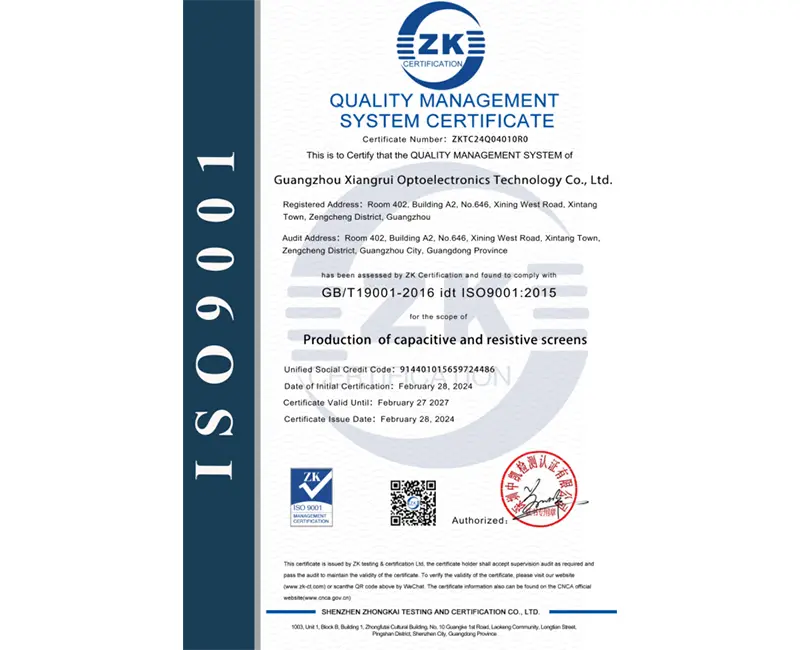
We prioritize reputation, product quality, and reliable delivery times, establishing stable, long-term partnerships with leading enterprises and global manufacturers.
Our factory operations are ISO 9001 and ISO 14001 certified. We enforce quality control from incoming raw materials to final functional inspections to meet international standards.
Led by our internal engineering team, we have secured over 30 utility model and invention patents. In 2022, we were officially recognized as a High-Tech Enterprise in Guangdong Province.
Our custom touch modules are integrated into systems across diverse operational environments.
Designed to support clean environments, our touch panels handle cleanings with isopropyl alcohol, resist fluid splashes, and register precise input from latex-gloved hands.
Configured with robust electromagnetic compatibility (EMC) and high noise immunity, preventing ghost touches from vibration, electrical noise, or nearby heavy equipment.
Equipped with high-brightness backlights, UV-blocking films, anti-reflective coatings, and fully sealed IP65 water-resistant optical bonding for kiosks and charging stations.
Common questions from engineering departments and global procurement teams regarding custom touch screen projects.
Frame lamination bonds the touch panel to the LCD along the outer edges, leaving an air gap in the center. Optical bonding uses a liquid (LOCA) or solid (OCA) adhesive to completely fill this gap. Optical bonding minimizes internal light refraction, improves outdoor screen contrast, increases physical impact durability, and prevents internal condensation in high-humidity areas.
Yes. By utilizing industrial controller ICs (such as EETI or ILITEK) and adjusting the controller firmware, we calibrate the mutual and self-capacitance thresholds. This allows the sensor to register coordinates through water droplets or thick materials, including work gloves, glass overlays, and double-layered medical gloves.
We work with customers to design custom gaskets and bezel integrations to establish a dust-tight seal. We then perform ingress testing in our facility, exposing the assembly to direct water sprays and dust chambers to ensure the enclosure maintains its IP65 rating before shipping.
For outdoor panels, we integrate UV-cut optical films and specialized adhesives with ultraviolet stabilizers. This setup absorbs solar radiation in the 300nm to 400nm range, protecting the internal polarizing films and liquid crystal structure from yellowing, bubbling, or delamination over extended outdoor use.
Typically, standard CAD drawing approvals take 3 to 5 business days. Once drawings are approved, tooling and sample production for custom cover glass and sensors take approximately 18 to 22 days. Mass production runs generally range between 3 to 4 weeks depending on the order volume and material specifications.
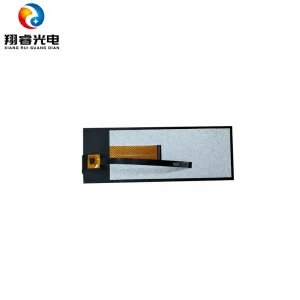
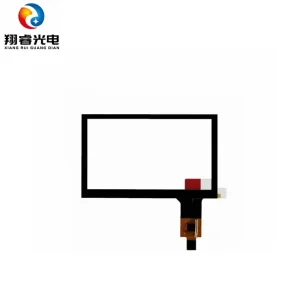
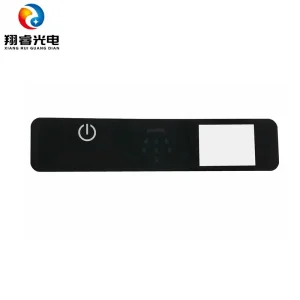
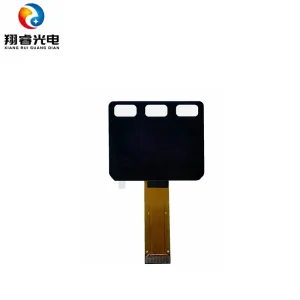
A comprehensive selection of capacitive and resistive models for diverse integration requirements.
 Xiangrui Optoelectronics