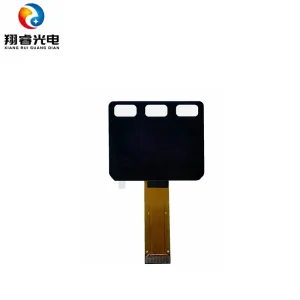
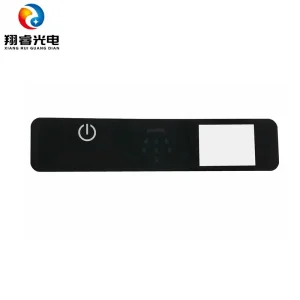
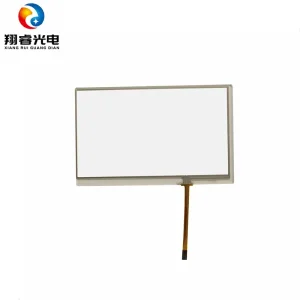
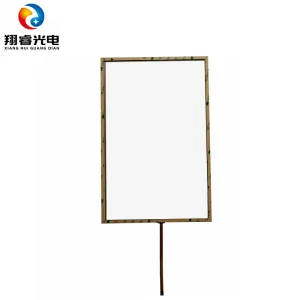
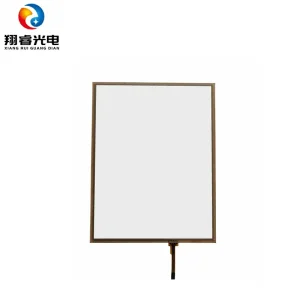
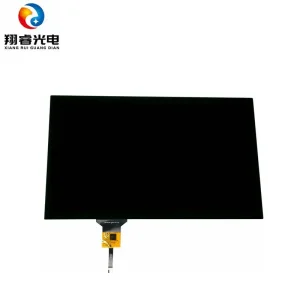
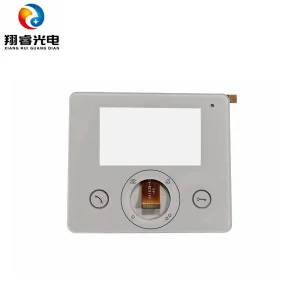
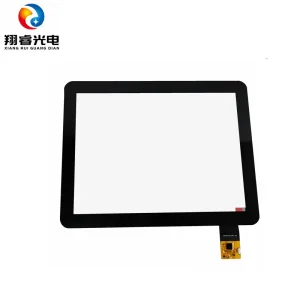
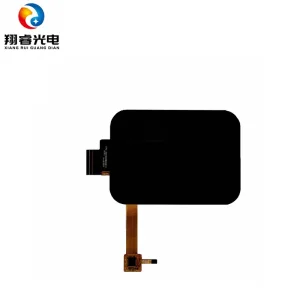
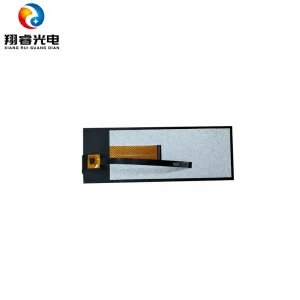
Explore our leading collection of capacitive touch sensors, resistive interfaces, and optical bonding panels engineered for high performance.
In the evolving landscape of smart home automation and rugged industrial human-machine interfaces (HMIs), physical toggle switches are giving way to solid-state, high-reliability control mechanisms. Chief among these is the Switchbot Capacitive Button. Utilizing localized change-in-capacitance algorithms, these components sense human touch or proximity through non-conductive overlay materials such as chemically strengthened cover glass, PMMA, or polycarbonate sheets. By removing mechanical moving parts, touch fatigue, micro-cracks, and ingress failure points are completely eliminated.
A capacitive touch button relies on measuring the coupling capacitance between a sensor electrode and its surrounding environment. When a finger approaches the sensory electrode zone, the human body's intrinsic electrical properties alter the local dielectric field, modifying the self-capacitance or mutual-capacitance parameters. High-performance controllers process these micro-Farad shifts, separating intentional user interaction from environmental interference, moisture droplets, and electromagnetic fields.
Key Insight: Today's smart interfaces demand components capable of operating flawlessly under extreme electromagnetic interference (EMI) and wet conditions. Precision-calibrated Switchbot Capacitive Buttons ensure zero false triggers while offering tactile, responsive control.
Founded in 2010 and strategically headquartered in Guangzhou, China, we are an industry-leading enterprise dedicated to the research, development, high-volume production, sales, and bespoke engineering of resistive touch panels, capacitive touch panels, customized cover glass, and comprehensive optical module bonding solutions. Over the past decade, we have established ourselves as a crucial global supply partner for OEM/ODM touch screen requirements.
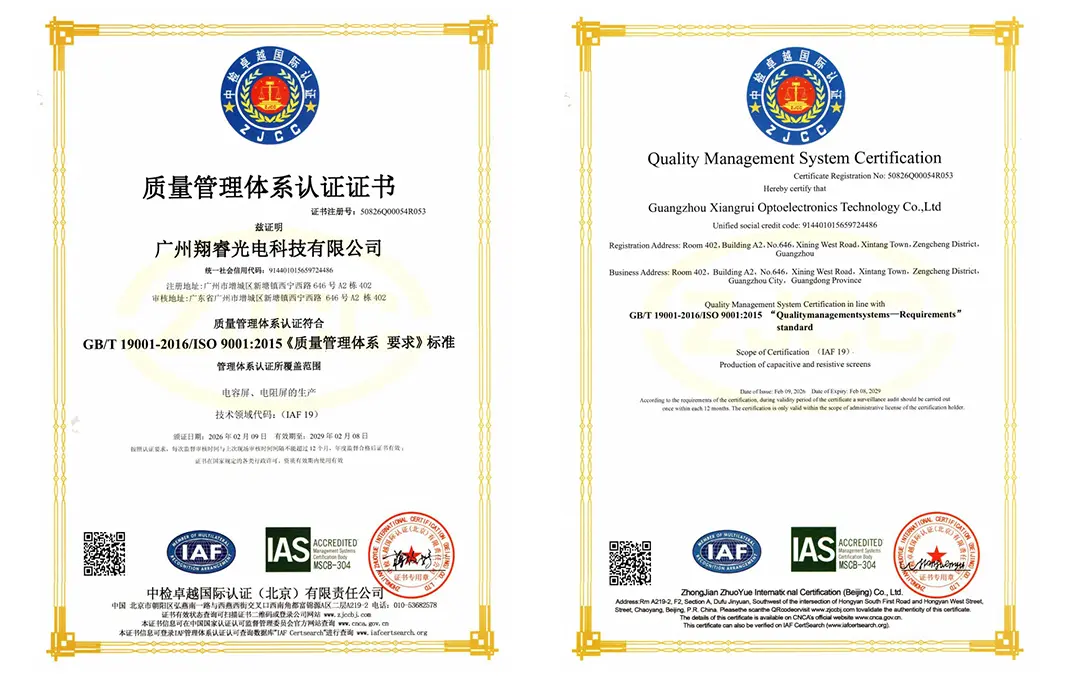
By implementing strict quality management system audits, our production lines have successfully obtained the prestigious ISO 9001:2015 Quality Management and ISO 14001:2015 Environmental Management certifications. Our product portfolio serves critical application environments including rugged industrial automation, high-reliability medical equipment, premium household appliances, smart home automation, outdoor public interfaces, and high-security palm print payment systems.
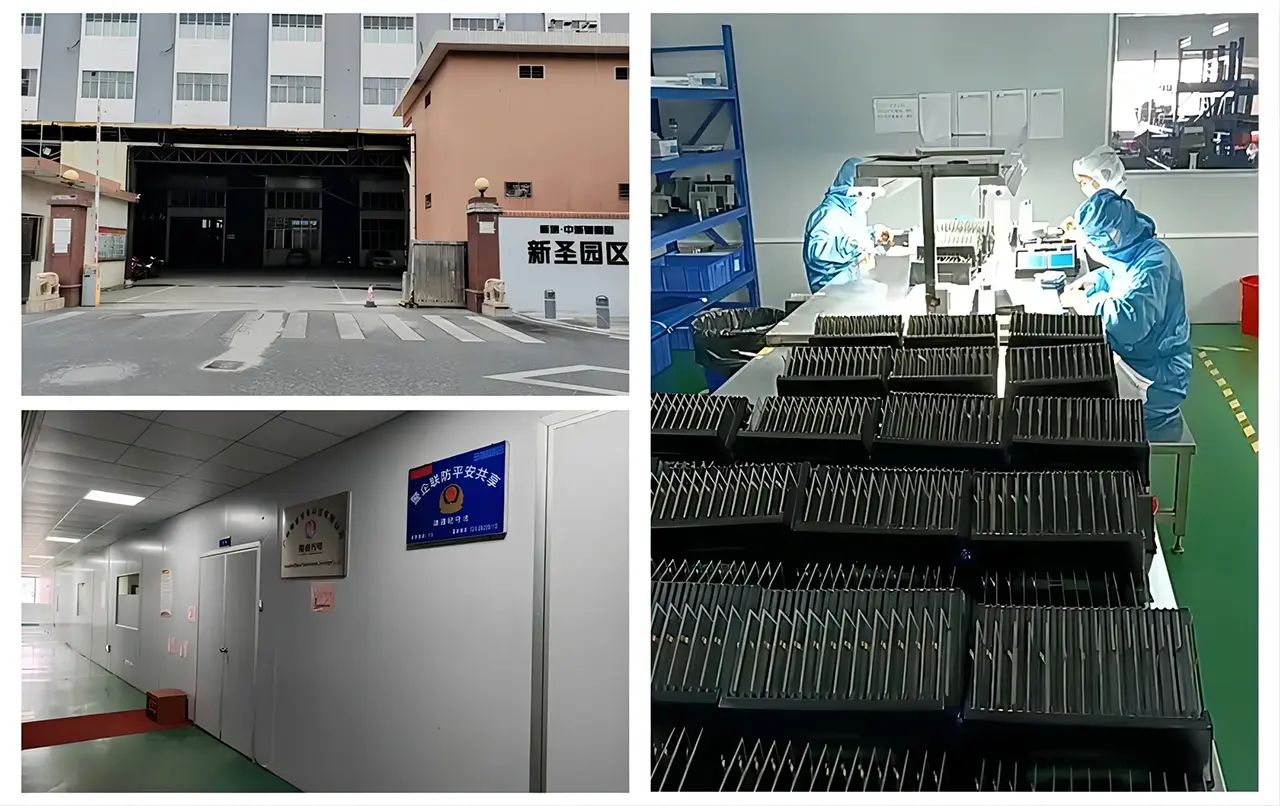
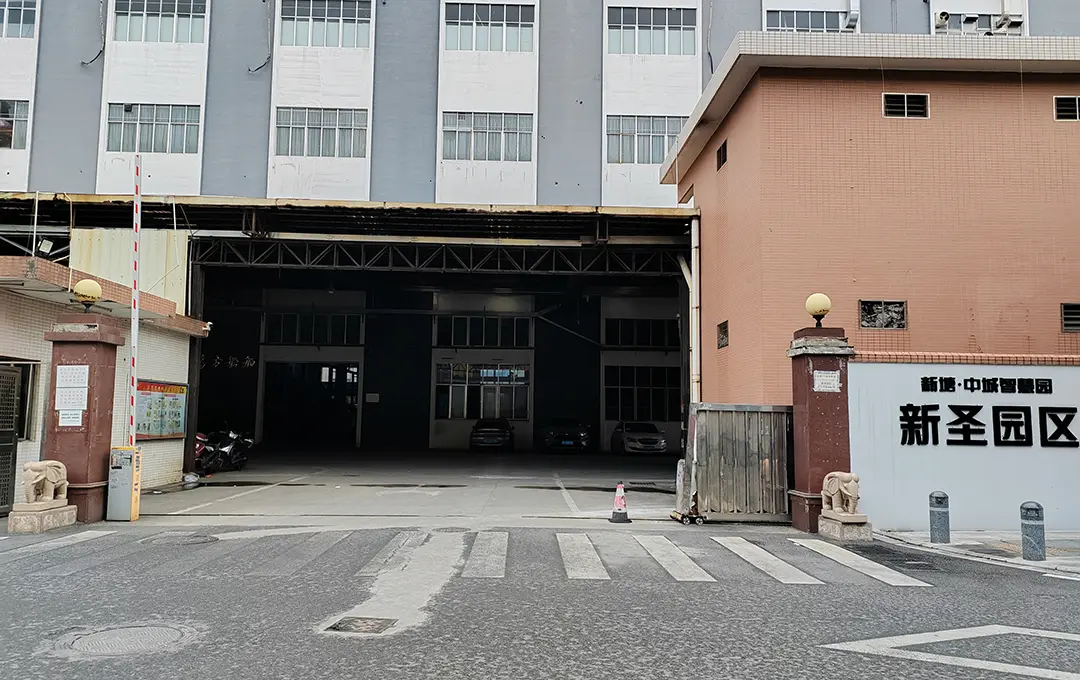
Our operational footprint encompasses a modern 3,000 square meter plant equipped with dedicated spaces designed to meet international manufacturing class levels:
Our dedicated R&D division has pushed the boundaries of multi-touch algorithms, obtaining over 30 utility model and invention patents. This capability ensures that we remain competitive in the global market.
A record of manufacturing excellence, innovation, and international supply security.
Why international technology leaders trust Guangzhou Xiangrui for customized capacitive button production.
Located in the Pearl River Delta electronics cluster, we procure raw cover glass (Corning Gorilla, Asahi Dragontrail), specialized ITO films, and controller ICs directly from primary manufacturers, reducing logistics lead times and component costs.
Our engineering team offers complete physical and electrical tailoring. We adjust electrode shape, trace layout, button sensitivity, backlighting light guides, and communications interfaces (I2C, SPI, UART) to match system requirements.
We subject every production batch of capacitive touch buttons to strict testing protocols: temperature and humidity cycles (-40°C to +85°C), Salt Spray test (up to 96 hours), ESD protection tests (up to 15kV air discharge), and IK impact tests.
The global human-machine interface industry is undergoing a paradigm shift driven by technological innovations. High-quality capacitive switch buttons are no longer simple copper pad zones on a PCB board. Today, they are complex integrated modules featuring sophisticated material layers and smart firmware algorithms.
Modern product designers are eliminating flat planar restrictions. Capacitive sensor arrays are now manufactured using flexible substrates (FPC) or transparent conductive films (PEDOT:PSS, Silver Nanowires, Metal Mesh) that match curved plastic injection-molded housings. This allows Switchbot capacitive buttons to follow the ergonomic contours of the final product, creating a seamless, sleek cosmetic finish.
One common critique of traditional flat touch buttons has been the lack of tactile response. To counter this, modern capacitive buttons are frequently integrated with miniature linear resonant actuators (LRAs) or piezoelectric haptic drivers. When the sensor micro-controller detects a valid touch threshold, it triggers a localized, high-definition vibration, mimicking the mechanical click of a physical button and improving the user experience.
Advanced capacitive sensor matrices are adopting active proximity detection. Instead of requiring physical contact, the button wakes the host controller when a hand approaches within 50-100mm. This features facilitates low-power stand-by states, reducing system power consumption and allowing for hygienic contact-free interaction in public settings.
Water on a touch surface acts as a conductive medium that can cause false triggers. Advanced capacitive touch IC algorithms employ mutual capacitance measurements combined with self-capacitance sweeps to differentiate between a localized human finger touch and a continuous sheet of water. This ensures reliable operation in outdoor environments, kitchens, and medical facilities.
How capacitive touch buttons improve reliability across diverse global industries.
Integrated into wall panels, thermostat controls, and automated blinds, capacitive touch panels provide reliable control under cover plates up to 6mm thick. They support backlight illumination through laser-etched icons, enhancing modern interior aesthetics.
Our IP65-rated industrial panels withstand harsh chemicals, dust, and heavy vibrations. Thick gloves are supported via custom sensitivity tuning in the controller firmware, ensuring plant operators can work safely and efficiently.
Flat, sealed surfaces allow for regular cleaning with aggressive chemical disinfectants. Capacitive buttons prevent ingress of bodily fluids or liquids, reducing contamination risks in sterile operating rooms and laboratories.
Capacitive interfaces are increasingly utilized for HVAC, door lock control, and infotainment navigation panels. Operating over a wide temperature range, these systems feature advanced noise suppression to resist automotive electrical transients.
Fitted with thick, vandal-resistant cover glass (up to 10mm), our capacitive buttons are ideal for ticket machines, EV charging hubs, and access control. Combined with anti-glare coatings, they deliver high visibility in direct sunlight.
Providing high-durability buttons for biometric scanners, POS payment terminals, and vending machines. They are rated for over 50 million actuations without physical degradation, minimizing downtime.
A capacitive button is only as good as the module it lives in. At Guangzhou Xiangrui, we provide end-to-end HMI engineering solutions that integrate touch sensors, decorative covers, electronics, and backlighting into a single high-performance unit.
To eliminate internal reflection and improve mechanical robustness, we provide comprehensive optical bonding services within our Class 100 dust-free workshops. By utilizing Optically Clear Adhesive (OCA) films or Liquid Optically Clear Adhesive (LOCA) resins, we eliminate the air gap between the capacitive sensor layer, display panel, and cover lens. This technology provides several key benefits:
For demanding environments, we offer custom chemical treatments on the surface glass cover plate:
We understand that sourcing managers, component engineers, and supply chain directors demand more than just competitive unit prices. Sourcing high-quality capacitive button panels requires deep technical alignment, regulatory compliance, and long-term production stability.
Quality Assurance Pledge: We guarantee full traceability for all raw materials, from ITO rolls to adhesive layers and controller chips. Detailed inspection records accompany every shipment.
Guangzhou Xiangrui complies with all major global environmental and safety directives. Our manufacturing process ensures that all raw materials, plating finishes, and soldering materials meet strict RoHS and REACH compliance guidelines. We provide PPAP (Production Part Approval Process) documentation for automotive and high-tier medical customers, ensuring transparent and repeatable quality controls from prototype validation to mass production.
Common questions answered by our SEO Growth Director and Senior Touch Panel Engineers.
Explore our high-durability panels, wide-temperature resistive films, and specialized optical bonding touch screens.
 Xiangrui Optoelectronics