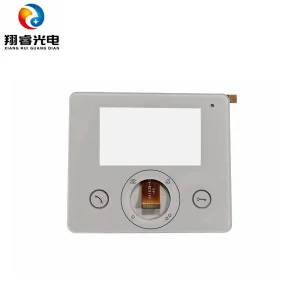
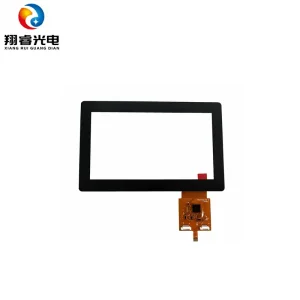
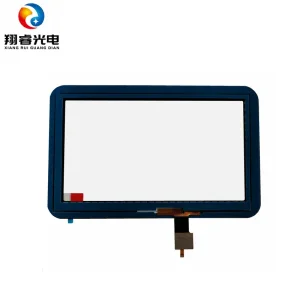
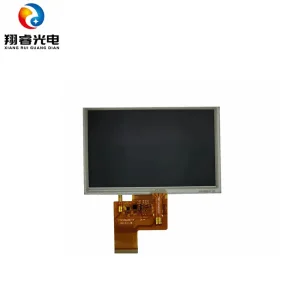
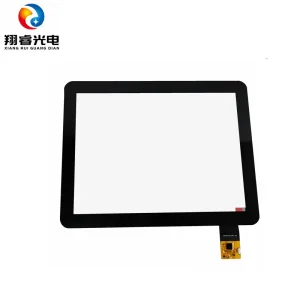
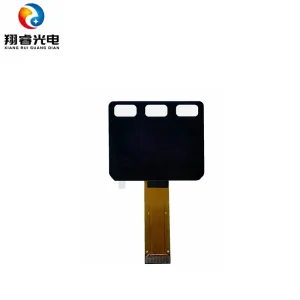
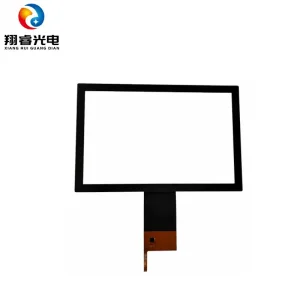
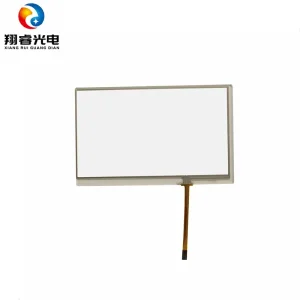
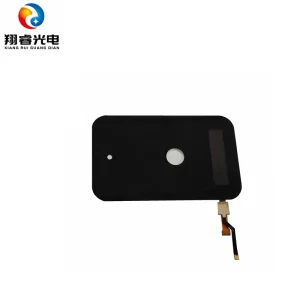
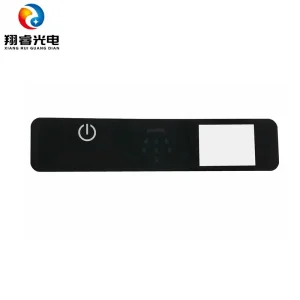
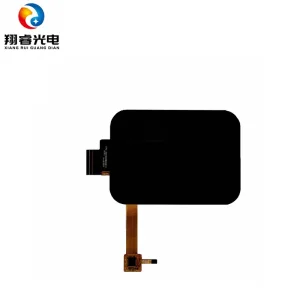
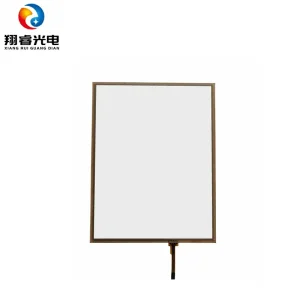
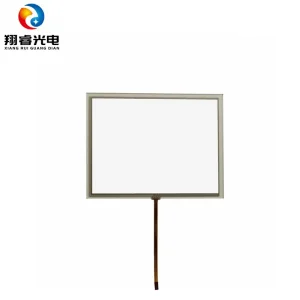
Engineered to exact OEM specifications, featuring high durability, optical clarity, and multi-touch capabilities.
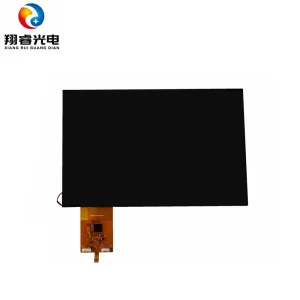
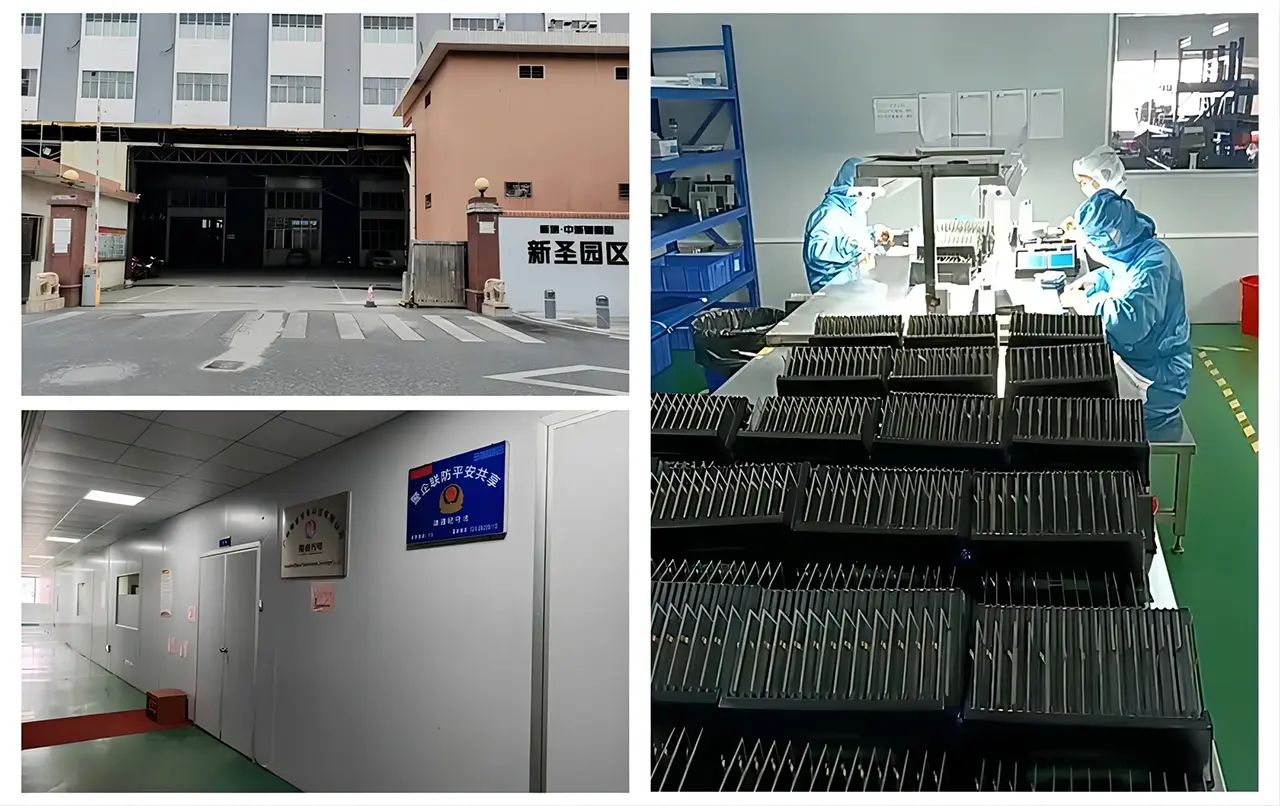
Established in 2010 in Guangzhou, China, we are an industry-leading manufacturer specializing in the advanced research, development, and fabrication of high-reliability resistive touch panels, projected capacitive (PCAP) touch sensors, specialized cover glass, and complete optical bonding solutions.
Our manufacturing footprint spans custom design prototyping to high-volume manufacturing (OEM/ODM services). Backed by dual certifications in ISO 9001:2015 Quality Management and ISO 14001:2015 Environmental Management systems, we serve high-demand application fields including industrial human-machine interfaces (HMI), medical equipment, smart home automation, ruggedized outdoor instrumentation, and high-security biometric palmprint payment terminals.
Translating precision engineering and raw material science into robust hardware solutions.
An expert analysis of electrical sensor architectures, optical matching, and component integration for mission-critical applications.
Projected Capacitive (PCAP) sensors employ highly sensitive Indium Tin Oxide (ITO) or metal mesh micro-electrode patterns on cover glass. When a finger approaches, a localized change in capacitance occurs, tracked by advanced IC controllers like EETI or Ilitek to determine touch coordinates under wet conditions or thick gloves.
For high electro-magnetic interference (EMI) situations and absolute reliability, 4-wire and 5-wire analog resistive sensors utilize a high-precision pressure-activated spacer-dot mechanical structure. This ensures constant operational readiness in hazardous heavy-industry settings, regardless of input device.
Direct liquid optical bonding (LOCA/OCR) removes the internal air gap between the touch sensor layer and LCD panel. Matching the refractive index of the materials virtually eliminates internal reflections, boosting ambient sunlight readability, increasing structural impact resistance by 300%, and preventing condensation.
| Performance Feature | Projected Capacitive (PCAP) Sensors | Resistive Touch Sensors (4-Wire/5-Wire) |
|---|---|---|
| Touch Points | Multi-touch (up to 10 points), gestures support | Single touch (point pressure activation) |
| Optical Clarity | > 90% (increased to 95% via optical bonding) | 75% - 85% (due to air gaps and spacer dots) |
| Mechanical Durability | Excellent; hardened glass surface resists scratches (7H Mohs) | Moderate; polyester film subject to physical wear |
| Input Flexibility | Bare finger, conductive stylus, thin gloves | Any object (finger, gloved hand, pen, stylus) |
| EMI Immunity | Requires advanced software/hardware noise tuning | Inherently immune to ambient electromagnetic noise |
| Environmental Sealing | NEMA 4X / IP65, dustproof, seamless integration | High IP rating when appropriately bezel-mounted |
Configured architectures designed to exceed performance criteria in specialized operational environments.
Medical-grade touch screen controllers tuned for surgical glove usage and liquid-droplet rejection. Features continuous calibration algorithms to prevent false triggers from saline or other cleaning fluids. Fully compatible with strict hospital sterilization regimens.
Wide-temperature operation (-30°C to +85°C) coupled with thick custom cover lenses (up to 6mm) for explosion-proof safety. High-noise suppression IC tuning prevents interference from nearby variable-frequency drives (VFD) and electric motors.
Impact protection up to IK10 standards using thermally tempered cover glass. Features integrated anti-glare coatings and privacy films to maintain visible readability and user data security under bright outdoor lighting conditions.
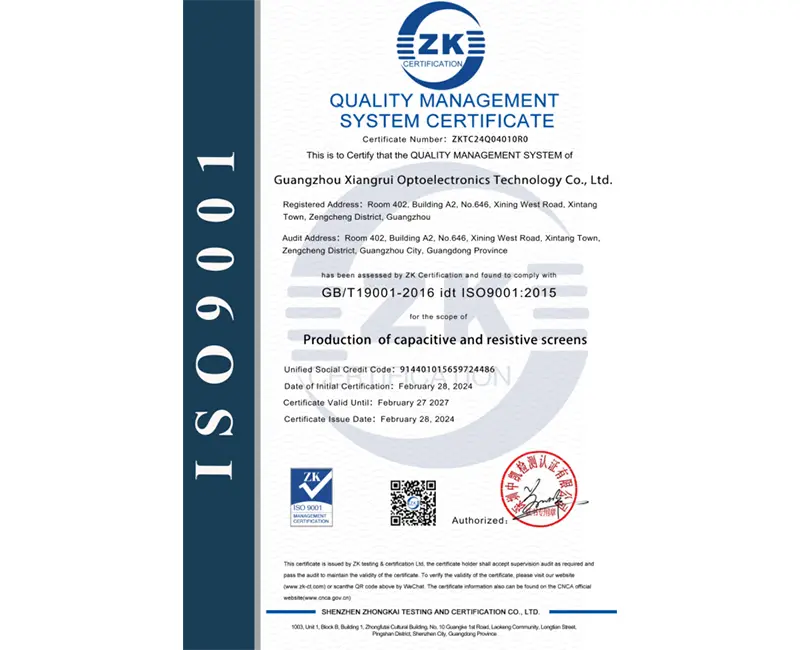
At Guangzhou Xiangrui Optoelectronics, we continually invest in new technologies to keep pace with evolving industry demands:
Ensuring supply chain reliability, environmental safety, and consistent performance across production runs.
Rigorous raw material controls, incoming inspections, clear processing steps, and full performance testing to ensure zero-defect outgoing quality.
Sustainable manufacturing processes, waste management protocols, and eco-friendly raw material sourcing aligned with RoHS and REACH standards.
Individual batch coding, computerized production tracking, and dedicated testing documentation for quick resolution of any post-deployment inquiries.
Specialized options for point-of-sale systems, industrial interfaces, and custom panel configurations.
Expert answers to common engineering questions regarding the procurement, customization, and operation of capacitive and resistive touch screen modules.
 Xiangrui Optoelectronics