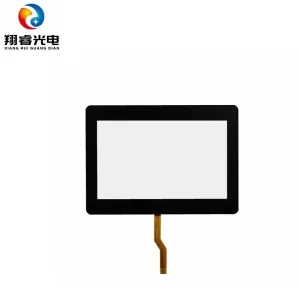
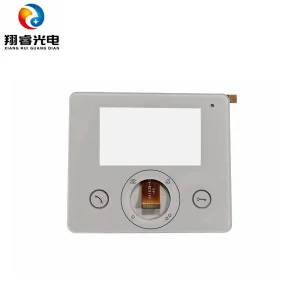
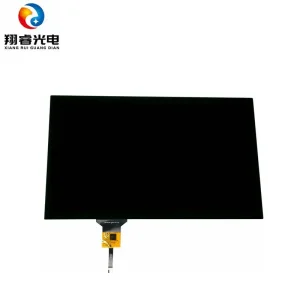
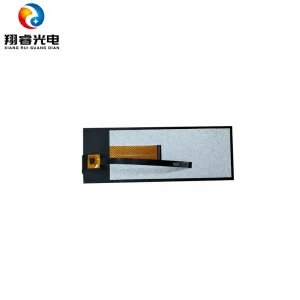
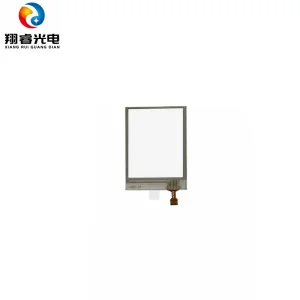
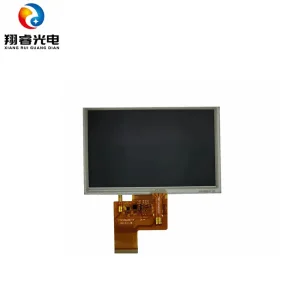
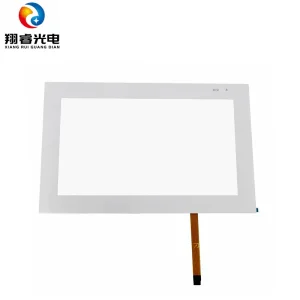
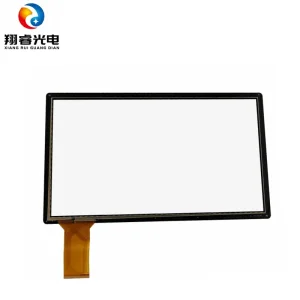
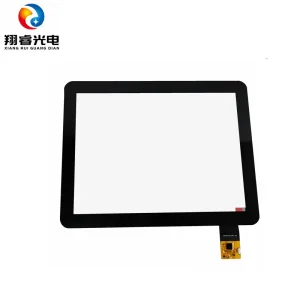
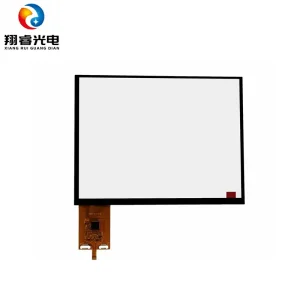
Explore our range of industrial-grade capacitive and resistive display panels tailored for demanding global application standards.
Understanding why the 15-inch form factor remains the anchor of human-machine collaboration across global industries.
In modern industrial and commercial environments, interactive interfaces serve as the primary conduit for critical data visualization and machine manipulation. Among the various touch display geometries, the 15-inch touch screen display has emerged as the universal standard. Its spatial proportions balance information density and spatial efficiency, making it the preferred canvas for developers of complex Human-Machine Interfaces (HMIs), Point of Sale (POS) terminals, medical diagnostic dashboards, and transaction kiosks.
Globally, the demand for high-reliability 15-inch touch panels is undergoing a structural shift. Standard consumer-grade touch panels fail to withstand the rigorous operating profiles of commercial and industrial applications. Systems integration demands panels capable of operating 24/7/365 under thermal fluctuations, electromagnetic field interference, moisture ingress, and repetitive mechanical impacts. As an industry-leading OEM/ODM partner, we build robust touch architectures tailored to survive these challenges.
"The integration of 15-inch displays bridges legacy utility with modern dynamic software, presenting optimal optical viewing distances and touch ergonomics for industrial operators worldwide."
In regions such as North America, Western Europe, and East Asia, localized compliance frameworks (including CE, FCC, RoHS, and sector-specific certifications like ISO 13485 for medical systems) dictate component choices. Consequently, procurement departments prioritize suppliers that offer design continuity, product longevity (often 7+ years of form-fit-function support), and structured quality frameworks.
A side-by-side engineering evaluation to align product architecture with actual operating conditions.
PCAP touch panels represent the state of the art in interactive precision. Using a micro-fine conductive grid etched onto a glass substrate, they register touch by measuring small shifts in electrical capacitance when a finger makes contact. Key design benefits include:
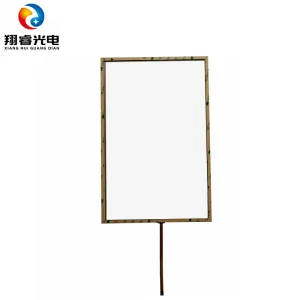
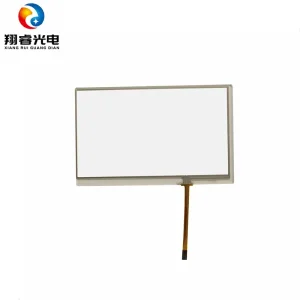
Resistive panels rely on physical pressure to join two micro-separated conductive layers (ITO film and ITO glass). While older, this technology remains crucial for specialized environments where electric noise renders capacitive panels inoperable. Key benefits include:
In outdoor or high-intensity environments, air bonding creates a gap that traps moisture and reflects ambient light, reducing visibility. Our custom 15-inch modules utilize Optical Bonding (via optical-grade liquid adhesives or dry film) to eliminate the air gap between the touch sensor and the LCD panel.
Reflections are reduced by up to 90%, preserving contrast and screen readability under direct sunlight or overhead industrial bay lights.
Filling the internal air gap prevents ambient moisture from condensing inside the panel, which can lead to display fogging or failure in cold climates.
The solid polymer layer distributes mechanical impact forces across the assembly, significantly improving vibration resistance and drop-survival limits.
A decade of design innovation, manufacturing discipline, and zero-defect quality systems.
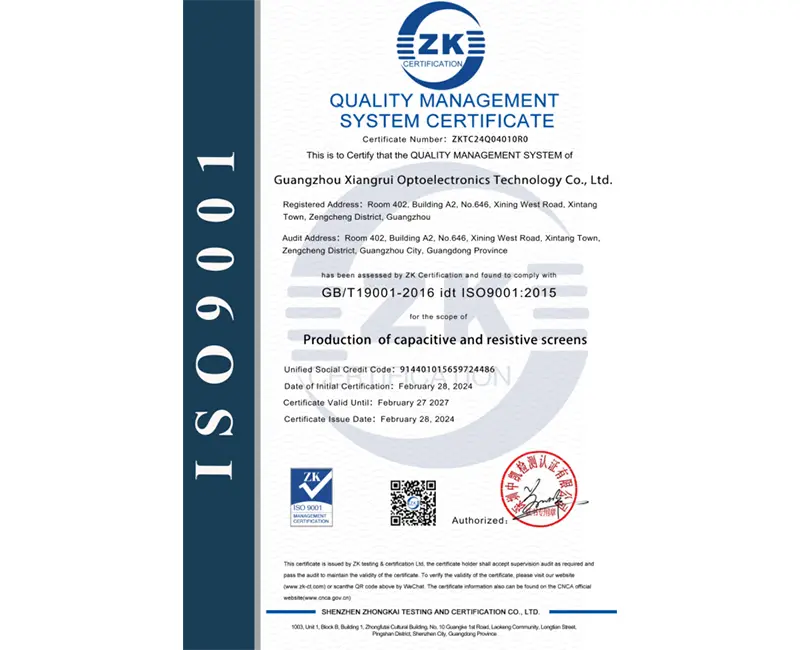
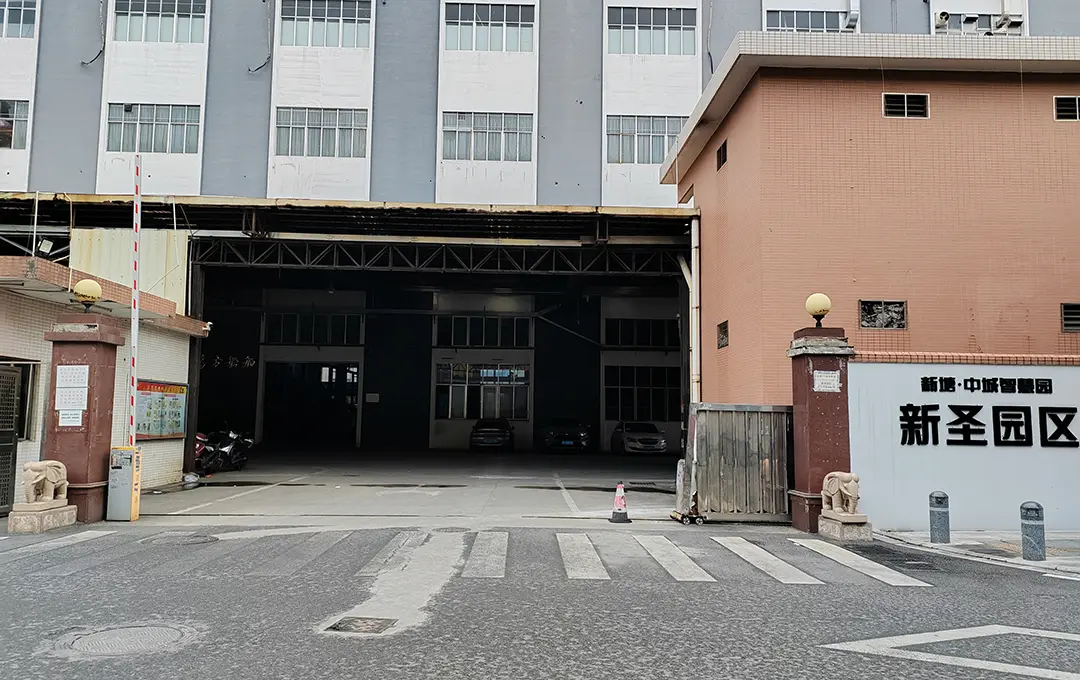
Founded in 2010 in Guangzhou, China, Guangzhou Xiangrui Optoelectronics Technology Co., Ltd. is a high-tech manufacturer specializing in the research, development, production, and custom bonding of high-reliability resistive touch panels, projected capacitive touch panels, cover glass, and complete liquid crystal module (LCM) bonding solutions.
Our facility operates cleanroom environments optimized for sensitive optical component assembly, utilizing Class 100, Class 1,000, and Class 10,000 dust-free workshops to ensure optical clarity, high yields, and precise lamination across our product lines.
Supported by a dedicated R&D team and a strong patent portfolio, we provide comprehensive OEM and ODM support. We assist clients from initial sensor patterning and optical simulation through to prototype testing, environmental stress screening, and high-volume production.
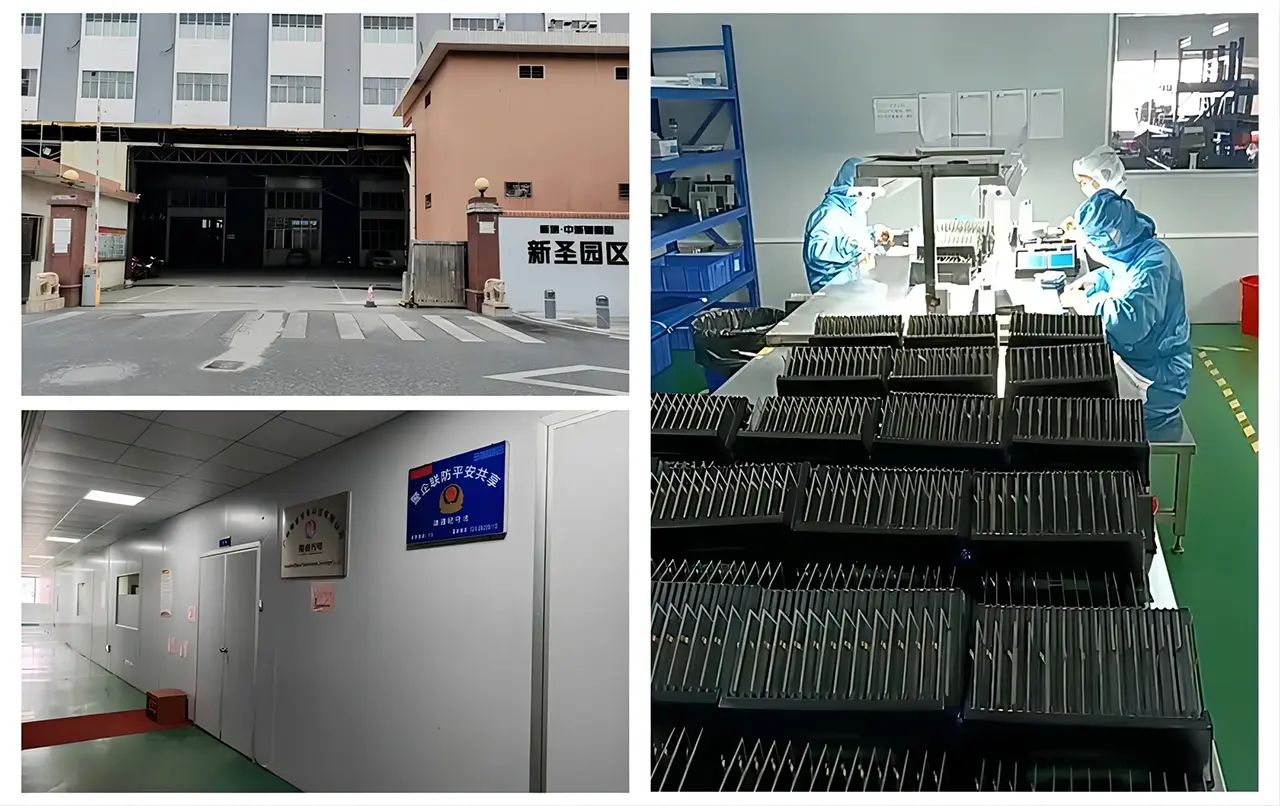
Engineered to perform in challenging operational environments across key market sectors.
Our 15-inch touch panels are integrated into patient monitors, diagnostic workstations, and ventilator controls. Optimized for hygiene, they support surgical gloves, liquid-rejection algorithms, and chemical cleaning with sanitizing agents without degradation.
Designed for operating temperatures between -30°C and +80°C, our panels are resistant to dust, oils, and vibrations. High-frequency shielding prevents electromagnetic interference from nearby motors, relays, or high-power actuators.
Optimized for retail self-service, parking garages, and palm print payment terminals. High-hardness cover glass (up to 7H or 9H) offers scratch resistance, while optical coatings maintain display readability in outdoor, high-glare environments.
Where touch interfaces are heading: Smart sensing, extreme environmental protection, and custom physical form factors.
As display and touch technologies evolve, developers are moving beyond simple touch input. Next-generation interfaces require enhanced sensitivity, smart processing, and mechanical integration. Our current engineering research and roadmap focus on three key areas:
Through our OEM services, we collaborate with engineers to customize cover glass thickness, print border patterns, drill holes, apply chemically strengthened treatments, and pre-integrate touch screen controllers (via USB, I2C, or RS232 interfaces).
Providing technical answers to help guide component specification and procurement decisions.
Industrial-grade touch options configured to fit varying size envelopes and specifications.
 Xiangrui Optoelectronics