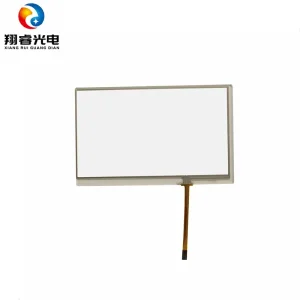
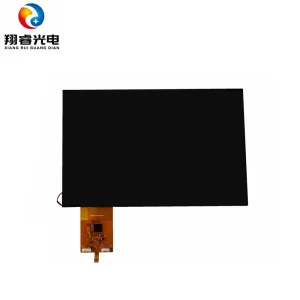
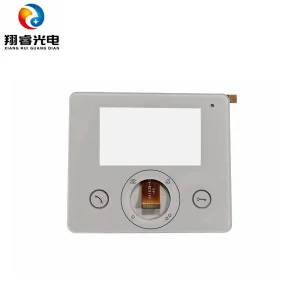
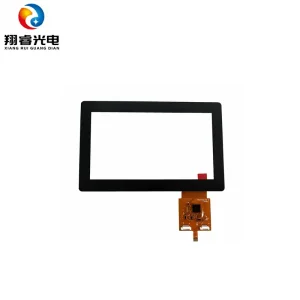
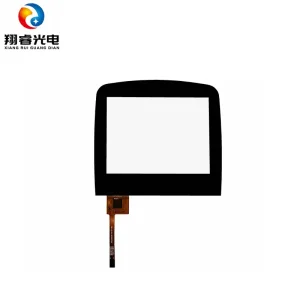
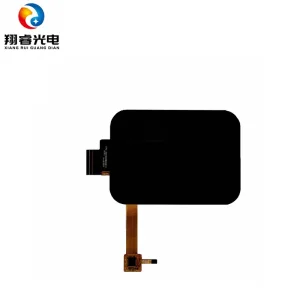
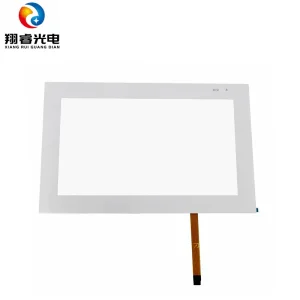
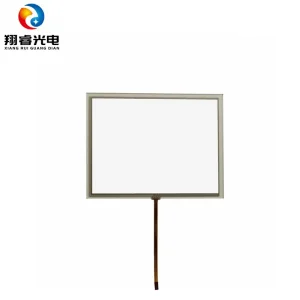
OEM Capacitive Touch Button Manufacturer & Product Engineering

High-reliability, industrial-grade custom capacitive touch panels and optical bonding solutions designed for extreme environments.

Industrial Excellence

Guangzhou Xiangrui Optoelectronics

Founded in 2010, Guangzhou Xiangrui Optoelectronics Technology Co., Ltd. has established itself as an authoritative pioneer in the research, development, production, and custom manufacturing of resistive touch panels, capacitive touch panels, cover glass, and advanced module bonding products.

Over the past decade, we have honed our design methodologies and manufacturing processes to provide comprehensive OEM and ODM services to clients globally. With strict alignment to ISO 9001:2015 Quality Management Systems and ISO 14001:2015 Environmental Standards, we ensure that every HMI touch component leaving our facility exceeds modern industrial requirements.

Our solutions find deep integration across diverse technology sectors including industrial automation controls, rugged medical apparatuses, household smart appliances, secure outdoor retail kiosks, and high-security palm print recognition payment terminals.
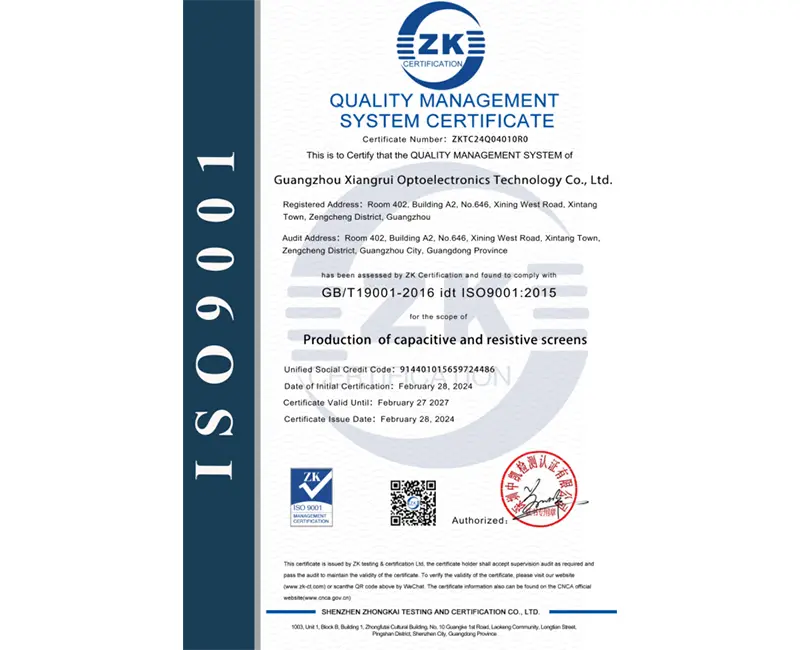
Guangzhou Xiangrui Optoelectronics Factory Manufacturing Facility
10+ Years
Manufacturing R&D
Delivering custom HMI innovations since 2010.
30+ Patents
Intellectual Property
Holds numerous utility and invention patents.
3,000+ ㎡
Cleanroom Facility
Class 100 to Class 10,000 dust-free workshops.
40+ Countries
Global Distribution
Certified performance trusted on a global scale.
Technical Whitepaper

Capacitive Touch Button Engineering & Technology Roadmap

Understanding the transition from physical buttons to solid-state capacitive sensing and optical stack-up integrations.
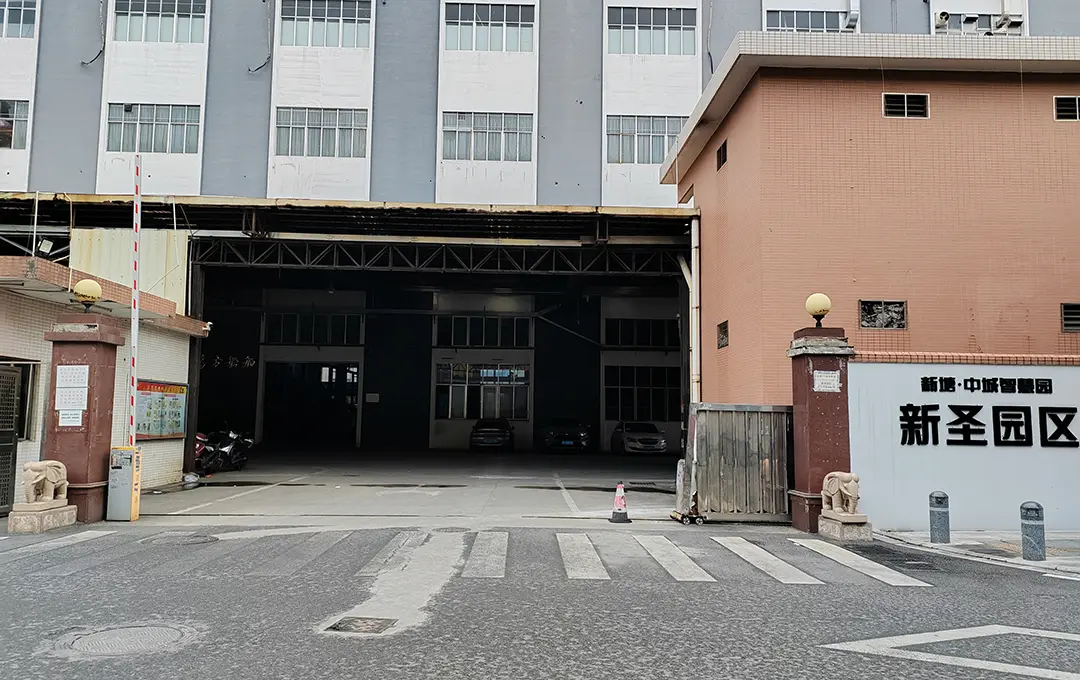
Advanced Capacitive Touch Button Technology R&D

The Anatomy of Solid-State Capacitive Sensors

Modern capacitive touch buttons function by projecting an electrostatic field through non-conductive cover materials like chemically strengthened glass or robust polycarbonates. When a user's finger approaches this field, it alters the local capacitance. This modification is detected by a specialized controller IC which translates the analog change to clean, digital click commands.

Compared to legacy mechanical keypads, capacitive touch interfaces offer critical structural advantages:

  • Zero Mechanical Wear: Eliminates physical springs, domes, and contact points, dramatically extending system lifespan.
  • Seamless Flat Surfaces: Smooth cover glass is highly cleanable, preventing the ingress of liquids, dust, and pathogens.
  • Design Freedom: Seamlessly integrates dynamic backlighting, dead-front graphics, and curved geometries.

HMI Interface Evolution & Technology Roadmap

Phase 1: Traditional Mechanical Buttons

High mechanical failure rates, sensitive to moisture/dust ingress (IP54 or lower), zero flexibility in dynamic display reconfiguration.

Phase 2: Discrete Capacitive Touch Switches

Introduction of solid-state sensors. Standardized through-glass touch functionality. High immunity to direct physical impacts.

Phase 3: Integrated Touch Panels & Optical Bonding

Integration of multi-touch capacitive sensors directly with LCD/OLED modules via LOCA (Liquid Optically Clear Adhesive) for superior readability under sunlight and shock absorption.

Phase 4: Haptic Feedback & Gesture Sensing

The contemporary standard: incorporating micro-actuators to deliver tactile sensations alongside active spatial gesture detection (proximity sensing) to minimize physical contact.

Application Profiles

End-Use Demands and Localized Scenarios

How specialized environments mandate unique electrical, mechanical, and optical optimizations for touch buttons.

Industrial Automation & Control Panels

Demands heavy electromagnetic interference (EMI) protection and resistance to chemical spills. Our industrial touch buttons feature advanced IP65-rated shielding, allowing reliable input even when operators wear heavy work gloves or panels are splattered with oils and coolants.

Medical Diagnostics & Patient Monitors

Demands strict hygiene compliance and seamless sanitization cycles. Our touch button integrations use chemical-resistant, ultra-flat cover glass. This permits the use of harsh medical disinfectants without risking liquid penetration or sensor corrosion over decades of usage.

High-End Appliances & Smart Homes

Prioritizes premium visual feedback, modern aesthetics, and capacitive slide/wheel interfaces. We leverage dead-front printing methodologies, allowing key legends and status indicators to remain completely hidden until illuminated by integrated LEDs.

Outdoor Terminals & Palm Payment Kiosks

Exposed to severe environmental shifts, direct sun glare, and vandalism threats. We customize touch stackups with anti-glare (AG) and anti-reflective (AR) glass layers combined with high-impact IK08/IK10 rated cover plates to prevent physical damage.

Automotive Infotainment & Control Consoles

Requires strict temperature tolerance and structural stability against severe vibrations. Stack designs feature wide-temperature capacitive controllers operational from -30°C up to +85°C, ensuring flawless performance in cold starts or direct hot cabin parking.

Secure Access & Transit Systems

High throughput applications require swift detection cycles and robust ESD (Electrostatic Discharge) protection. We configure our controllers to survive high-voltage sparks up to 15kV, preventing physical component burnout in public environments.

Supply Chain Resilience

The Strategic Advantage of Sourcing from Guangzhou

Global hardware engineering calls for both technological expertise and cost-efficient supply chain execution. Located in Guangzhou, a core electronics hub of Southern China, Guangzhou Xiangrui Optoelectronics Technology Co., Ltd. offers a highly integrated manufacturing process.

By keeping raw cover glass cutting, chemical strengthening, sensor patterning, silk-screen printing, and FPC bonding under a single roof, we maintain direct oversight of the entire production flow. This vertical integration translates into several core benefits for global OEMs:
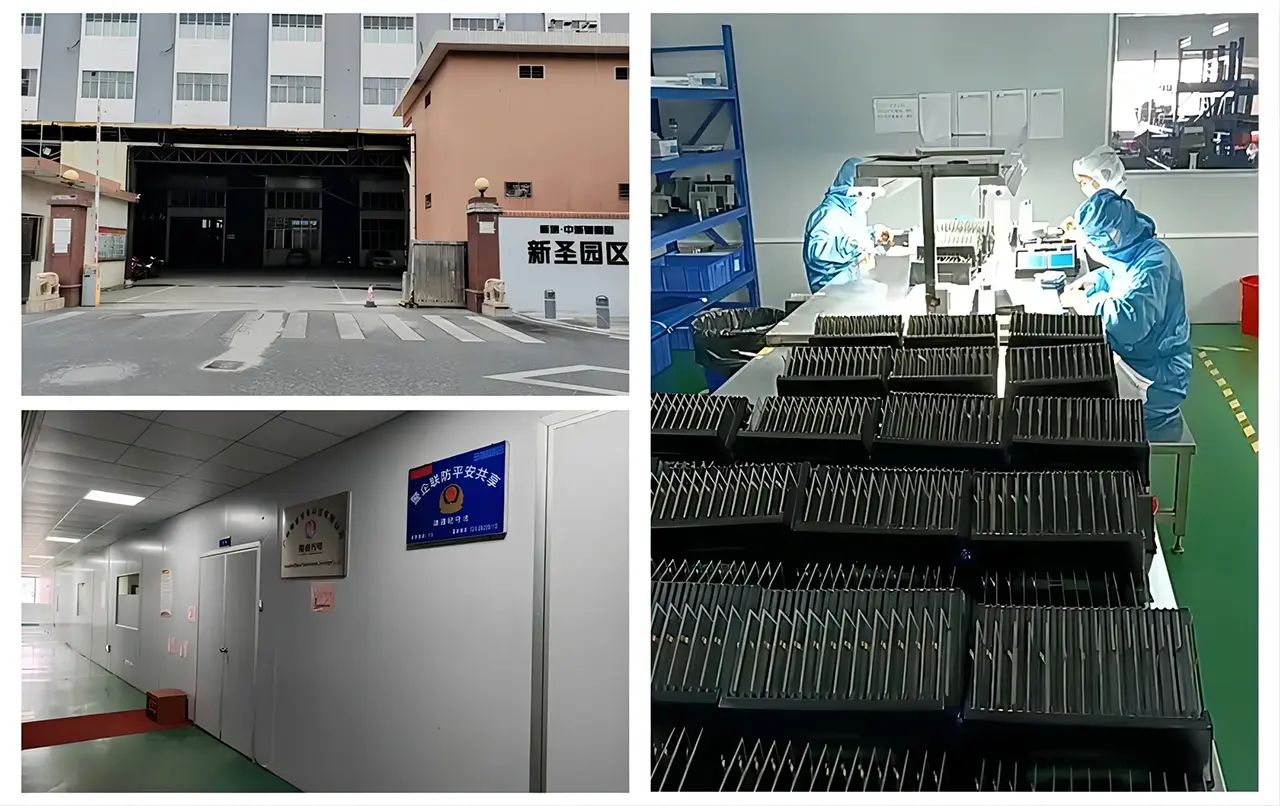
  • Accelerated Prototyping: Initial design-to-sample turnaround in as little as 10 to 15 days, powered by an on-site, dedicated R&D engineering team.
  • Class 100 to Class 10,000 Cleanrooms: Essential for dust-free optical lamination, ensuring zero air bubbles or particle inclusions between the panel and display.
  • Optimized Shipping Routes: Fast connection to global maritime and air freight routes via Guangzhou, Shenzhen, and Hong Kong ports, guaranteeing dependable timelines.
Optical Bonding Cleanroom at Guangzhou Factory
Quality Standards

Strict Global Compliance & Quality Assurance Protocols

Every product is tested under rigorous environmental stress profiles to secure long-term field stability.
Capacitive Touch Testing Instruments

Reliability Testing & Certifications

We believe reliable components start with high-quality raw materials. We source premium glass from industry leaders like Corning Gorilla Glass, AGC, and Schott, alongside controllers from microchip leaders like Microchip, EETI, and Cypress. Our testing protocol covers:

  • Thermal Cycling: Testing endurance between extreme low temperatures (-40°C) and high heat (+85°C) to guarantee adhesive and electrical integrity.
  • Salt Spray & Corrosion Resistance: Ensuring materials endure wet, salty coastal air or industrial sweat exposure without degrading.
  • Chemical Resistance: Validating that cover layers remain untouched when exposed to alcohol, bleach, household cleaners, and industrial solvents.
  • Ball Drop Test (IK Rating): Confirming physical durability and shatter resistance to protect operators in tough workspaces.
Technical FAQ

Frequently Asked Engineering Questions

Direct answers to critical design questions from HMI system integrators.

How do capacitive touch buttons handle water droplets and false triggers? +
Our engineering team configures the capacitive controller firmware using specialized digital signal processing (DSP) algorithms that evaluate touch surface patterns. By distinguishing between the localized, high-density capacitance change of a human finger and the broad, dispersed change of a water film, we prevent false triggers. Water-rejection and wet-tracking firmware algorithms ensure reliable operations even under active spray or moisture condensation.
What are the key differences between Optical Bonding and Frame Fitting? +
Optical Bonding uses Optically Clear Adhesive (OCA) or Liquid Optically Clear Adhesive (LOCA) to fully seal the air gap between the touch sensor panel and the LCD display. This significantly reduces internal light reflections, enhances outdoor readability by up to 400%, and increases structural impact strength. Frame fitting, or tape bonding, only fastens the panel along the outer border, leaving an interior air gap. While frame fitting is cost-effective, optical bonding is highly recommended for outdoor, high-vibration, or condensation-prone environments.
Can capacitive touch buttons be operated with heavy industrial gloves? +
Yes. By increasing the touch controller's sensitivity gain and adjusting the Signal-to-Noise Ratio (SNR) thresholds, we enable touch detection through gloves up to 5mm thick (including nylon, latex, nitrile, and leather industrial gloves). For custom designs, clients must share their specific glove materials to ensure the sensor parameters are correctly calibrated.
How do you achieve electromagnetic compatibility (EMC) in high-noise industrial settings? +
To combat electromagnetic noise, we design our touch panels with integrated shield layers (grounded ITO/Metal Mesh grids) that divert high-frequency interference. Additionally, we integrate controller ICs with active frequency-hopping capabilities. If electrical noise is detected on the active operating frequency, the controller automatically jumps to a cleaner channel, ensuring uninterrupted touch inputs.
What custom treatments can be applied to the cover glass of capacitive touch panels? +
We offer three main functional surface treatments for cover glass: Anti-Glare (AG) chemical etching to diffuse reflections and improve outdoor viewing; Anti-Reflective (AR) optical coatings to increase light transmission through the glass layer; and Anti-Fingerprint (AF) oleophobic coatings to reduce smudge buildup and make cleaning easier.