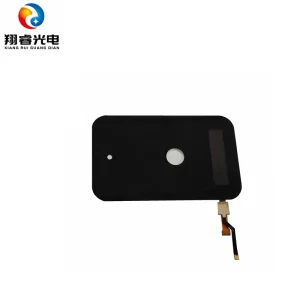
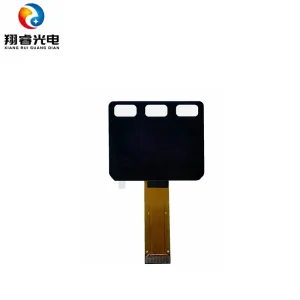
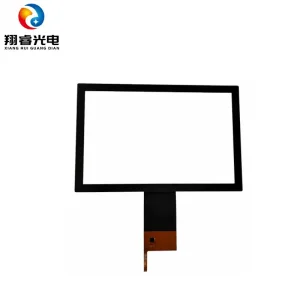
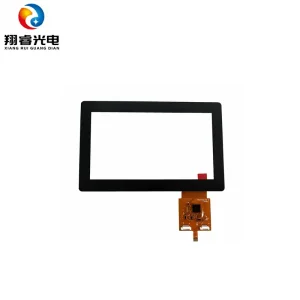
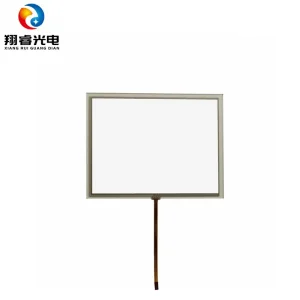
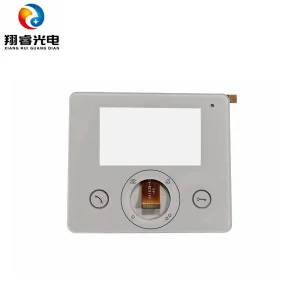
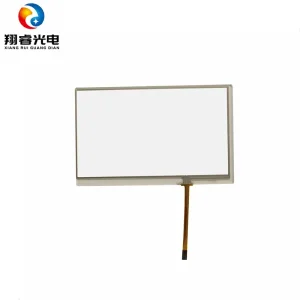
In modern industrial applications, the visual clarity and mechanical integrity of human-machine interfaces (HMI) are critical factors. Optical bonding displays have emerged as the gold standard for high-reliability systems. Unlike traditional "air bonding" techniques, which leave an air gap between the touch panel and the underlying display panel, optical bonding utilizes specialized optical resins to eliminate this gap entirely.
By filling the physical gap with an index-matched polymer (typically Liquid Optically Clear Adhesive - LOCA, or dry film OCA), engineers eliminate internal light reflection points. This improves contrast ratios by up to 400% in bright ambient environments, eliminates internal moisture buildup, and significantly enhances mechanical impact resistance.
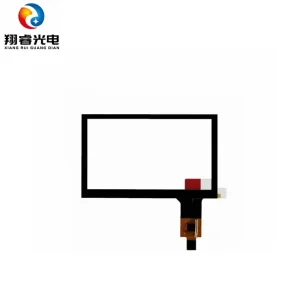
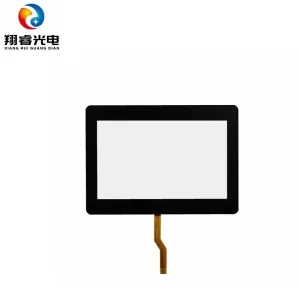
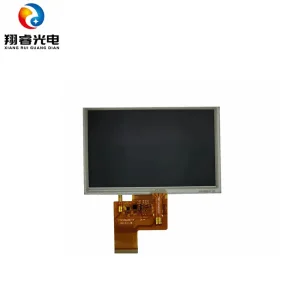
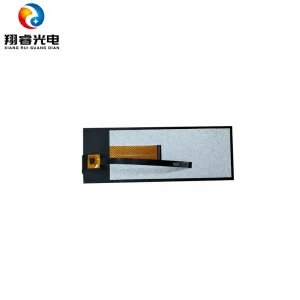
As a leading Chinese manufacturer, Guangzhou Xiangrui Optoelectronics Technology Co., Ltd. provides customized, high-precision OEM and ODM services for clients requiring durable capacitive and resistive touch assemblies with optical bonding.
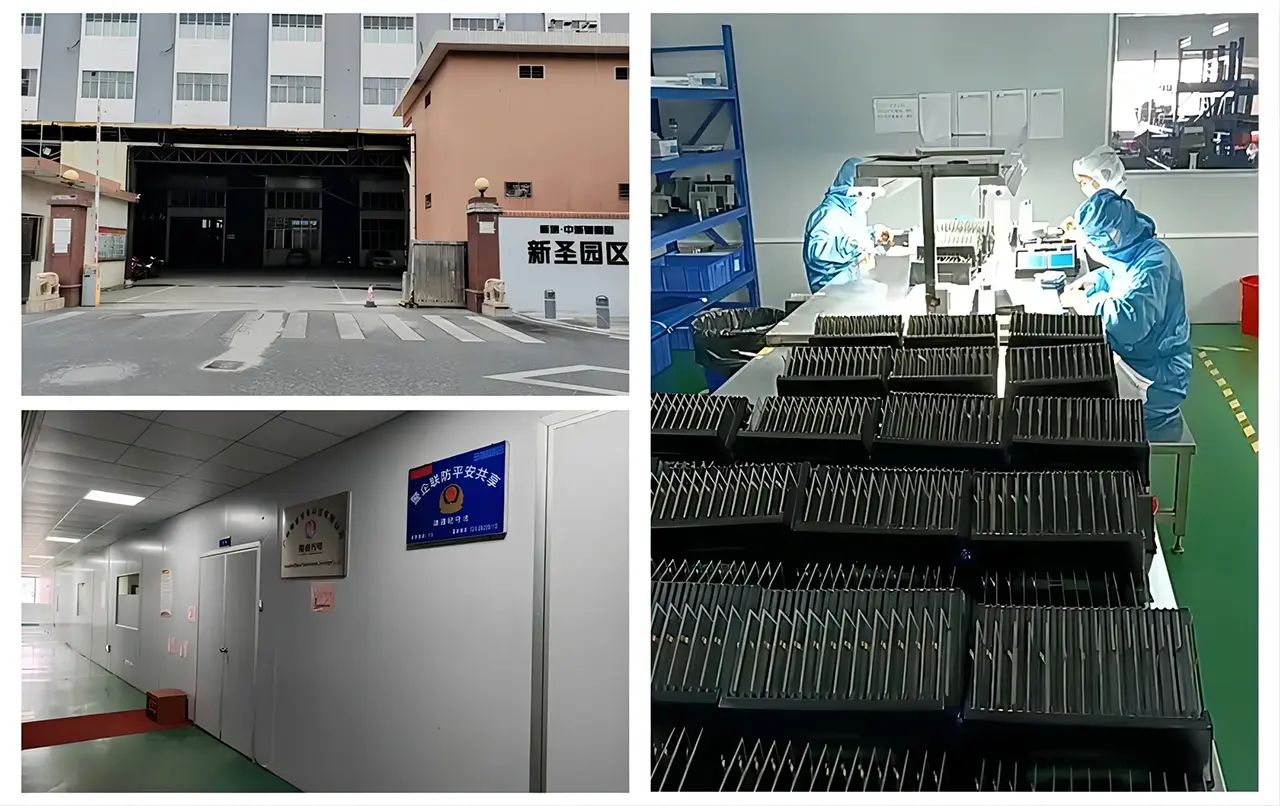
Optical bonding is an unforgiving process where even a micron-scale dust particle can ruin display optics. Our production is structured to mitigate yield risks using highly controlled manufacturing environments.
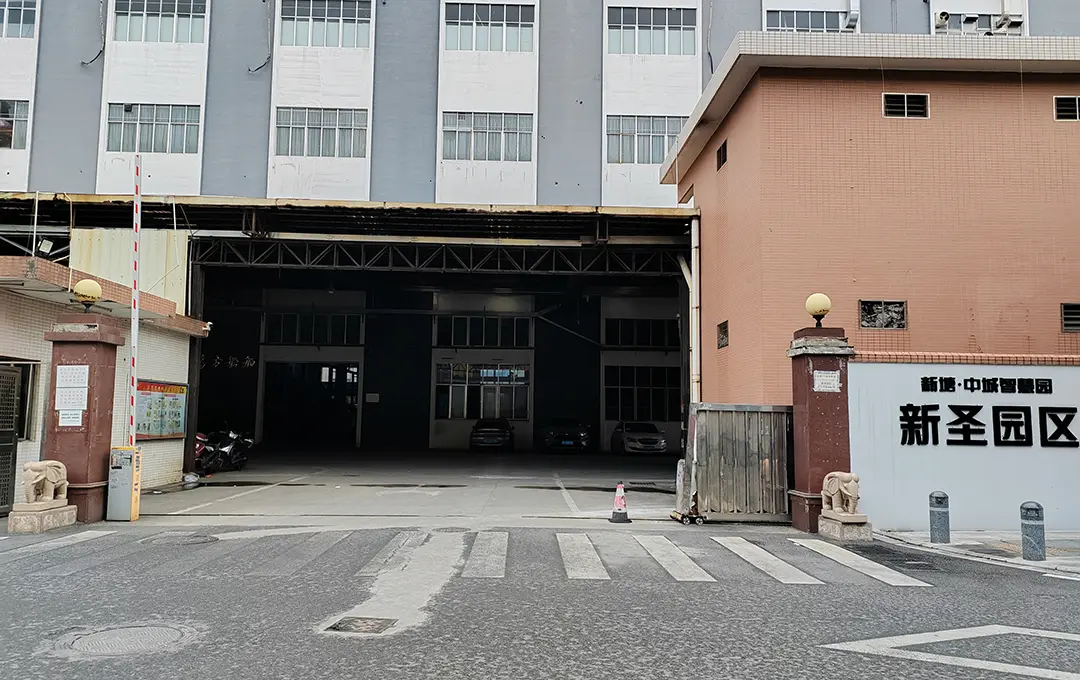
Founded in 2010 in Guangzhou, China, our company boasts a comprehensive facility covering approximately 3,000 square meters. To guarantee optical purity during lamination, our factory floor features strict vertical-flow cleanrooms categorized into Class 100 (ISO Class 5), Class 1,000 (ISO Class 6), and Class 10,000 (ISO Class 7) zones.
These modular spaces house automated vacuum laminators, ultra-precise dispensing systems, and UV curing systems tailored to manage LOCA thermal profiles during polymer cross-linking. Our structural infrastructure guarantees that outgassing and air bubble entrapment are completely eliminated in our touch assemblies.
Continuous innovations and process stabilization since 2010.
Utility and invention patents in glass processes and bonding technology.
Configured with Class 100/1000/10000 dust-free workspaces.
Global logistics routes serving Europe, North America, and Southeast Asia.
Understanding light behaviors through refractive indexes explains why rugged display factories invest heavily in cleanroom optical assembly.
When light travels through different mediums, it refracts whenever it hits a material boundary with a mismatched refractive index. The refractive index ($n$) of cover glass is approximately 1.52, whereas air is 1.0. In an Air-Gap LCD assembly, light must travel through Glass ($n_1=1.52$) → Air ($n_2=1.0$) → LCD Polarizer ($n_3=1.49$).
This path creates two distinct transition boundaries, causing approximately 4.5% reflection losses per boundary. Combined, this causes a 9% overall drop in light transmission. Combined with ambient light bouncing back off the screen, this destroys contrast.
Optical Bonding Solutions: By filling the gap with a customized OCA/LOCA gel having a refractive index matching the cover glass ($n \approx 1.49 - 1.51$), the boundary reflection is practically reduced to near zero (<0.2%). The display contrast under direct sunlight is improved, and power consumption is reduced because the backlight doesn't need to work as hard.
Different industrial niches require specialized cover glass coatings (Anti-Glare, Anti-Reflective, Anti-Fingerprint) and unique adhesive chemical profiles.
Endoscopic display monitors require high contrast and resistance to chemical disinfectants. OEM optical bonding keeps dust from settling under cover glasses and prevents high-frequency cleanings from degrading optical clarity.
Machinery panels are often subject to strong shop floor vibrations. Index-matched structural bonding cushions delicate capacitive touch glass against mechanical stress while supporting IP65 dust and water-resistance.
From payment terminals featuring palm print recognition to point-of-sale displays, clear and clean optics prevent false readings. Optical bonding boosts the touch sensor's sensitivity and preserves color-neutral imaging.
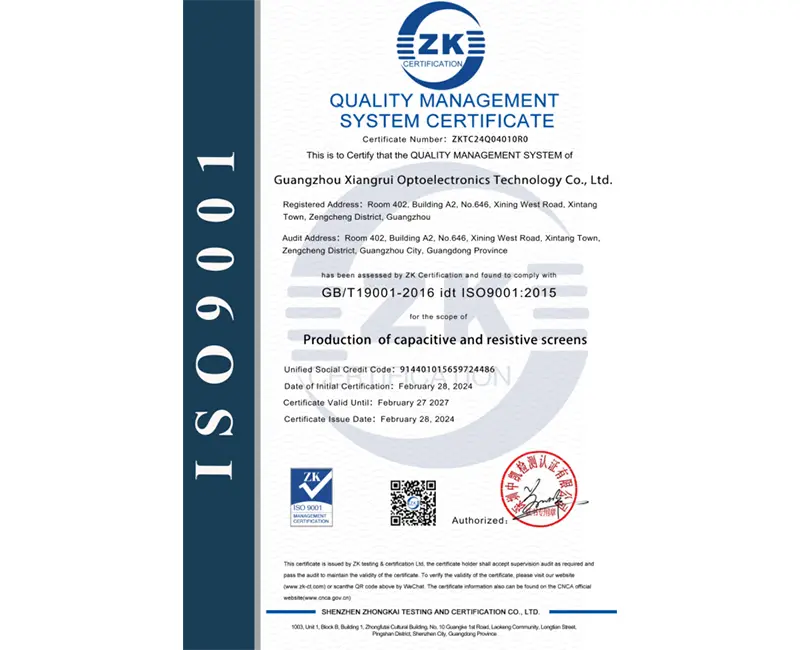
We believe that absolute reliability starts with manufacturing quality systems. In 2022, Guangzhou Xiangrui was recognized with the high-tech enterprise title in Guangdong Province. Our operations strictly run on dual system certifications: ISO 9001:2015 (Quality Management) and ISO 14001:2015 (Environmental Management).
Every product undergoes extensive testing before dispatch, including:
As micro-LED and curved automotive panels gain market share, optical bonding methods are transitioning to meet high curvature and ultra-thin profile requirements.
We are refining vacuum lamination with dry optically clear adhesive (OCA) films for ultra-thin, borderless capacitive screen assemblies to optimize output speed and reduce unit costs.
Developing customizable cover glasses combining chemically-etched anti-glare (AG) surfaces with anti-microbial silver-ion layers for hygiene-critical medical and public transit touch points.
Working closely with automotive partners to develop reliable LOCA processes suited for multi-curvature dashboards and flexible organic LED panels.
Find answers to common engineering questions regarding display customization, bonding chemistry, and processing techniques.
 Xiangrui Optoelectronics