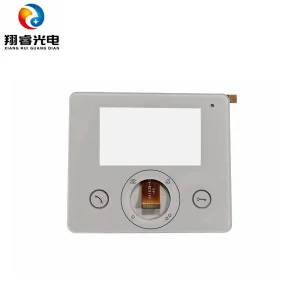
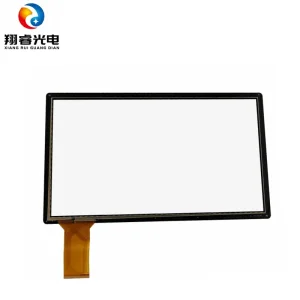
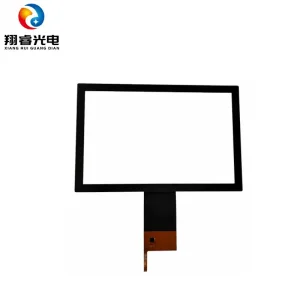
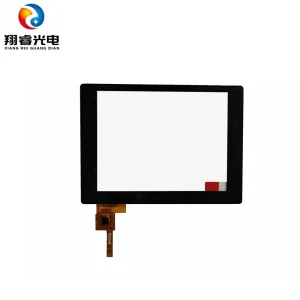
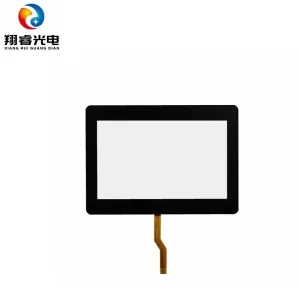
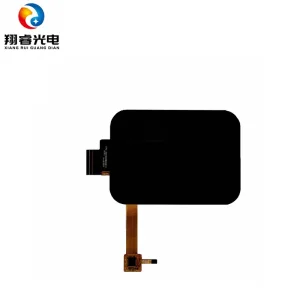
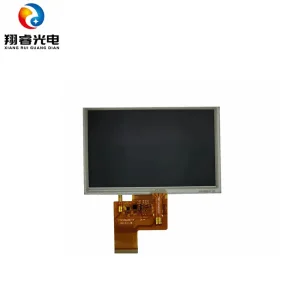
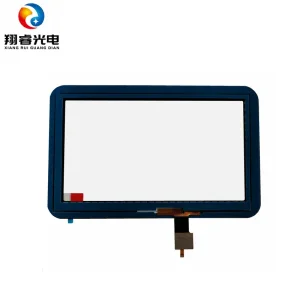
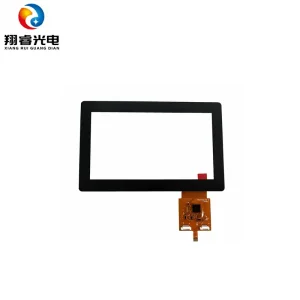
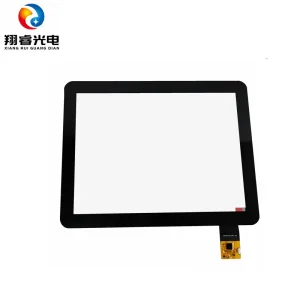
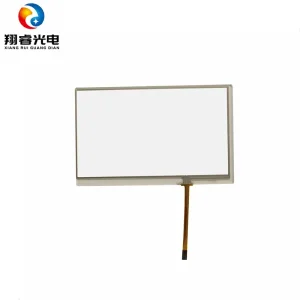
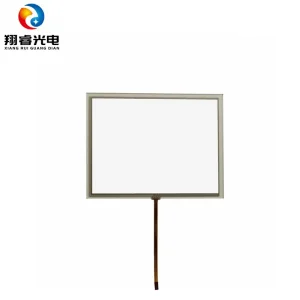
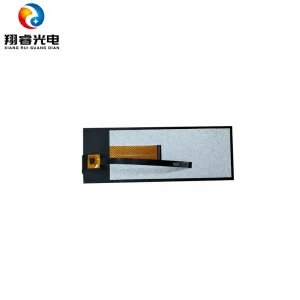
Precision-engineered resistive and capacitive touch interfaces configured to execute operations flawlessly in extreme temperatures, high electromagnetic interference zones, and critical diagnostic systems.
Dedicated Engineering, ISO-Certified Cleanroom Environments, and Customized HMI Components Since 2010.
Founded in 2010 and located in Guangzhou, China, we are a company dedicated to the research and development, production, sales, and service of resistive touch panels, capacitive touch panels, cover glass, and module bonding products. We provide customized production of various touch screens, as well as OEM and ODM services.
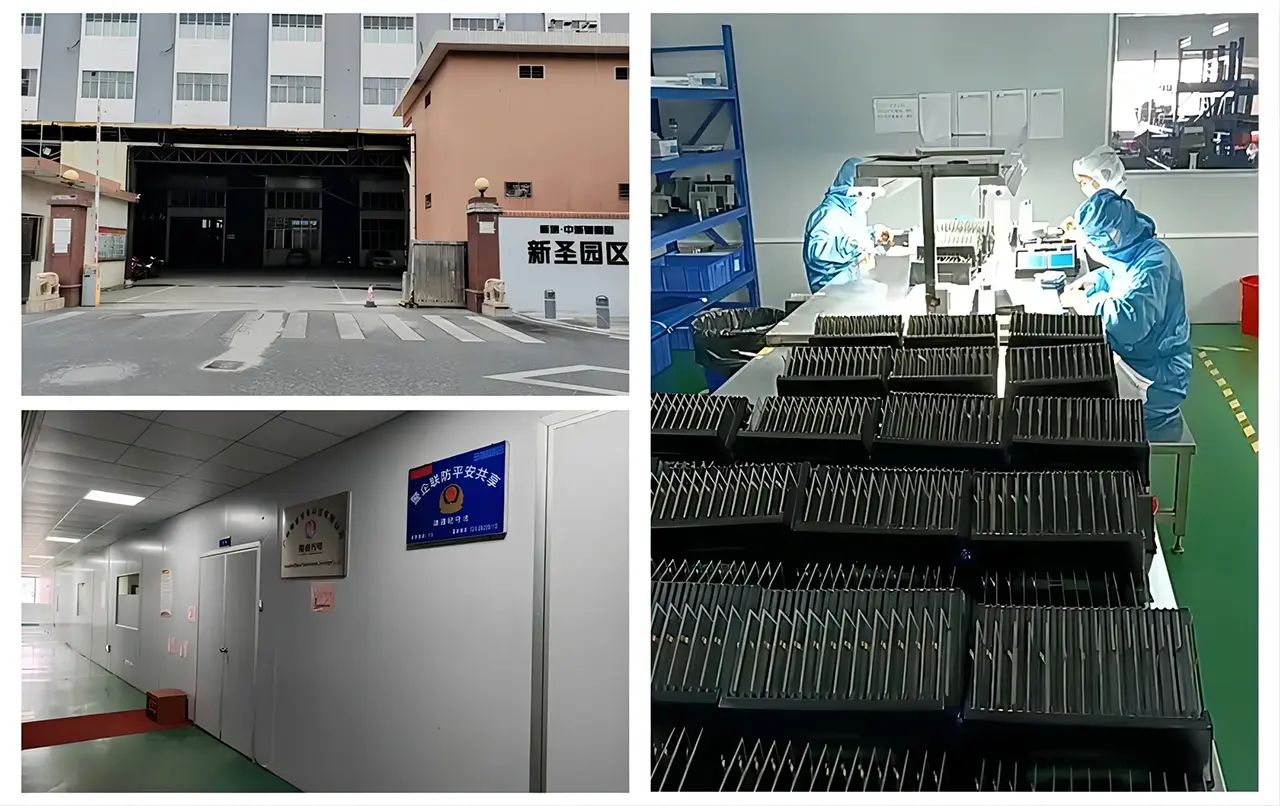
Our facility houses specialized manufacturing units including R&D, production, marketing, quality control, procurement, and human resources. Under strict compliance, we operate class 100, class 1000, and class 10000 dust-free workshops, designed specifically to meet the particulate-level constraints for optical lamination, high-transmittance frame fitting, and optical liquid adhesive bonding.
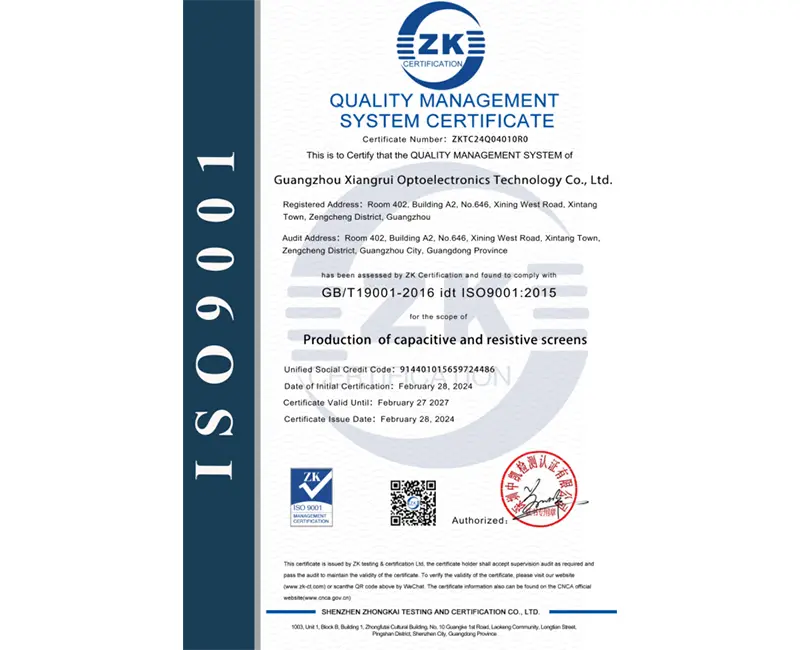
Our Certified Core Quality Standards:
Understanding how custom 4-wire, 5-wire, and 8-wire resistive configurations enable absolute operational reliability across demanding human-machine interfaces.
Resistive touch screens operate via electrical contact between two transparent conductive layers (usually Indium Tin Oxide - ITO) separated by micro-spacer dots. While 4-wire configurations map coordinate points using both the top (flexible polyester) and bottom (glass) layers, our advanced 5-wire architectures apply all voltage gradients to the stable bottom glass substrate.
This technological distinction ensures that flexural degradation of the upper film layer does not affect coordinate calibration, resulting in an operating life cycle exceeding 35 million actuations on a single point.
Unlike capacitive panels that rely on static electrical fields generated by the human body, resistive assemblies measure tactile force. This makes them immune to electromagnetic interference (EMI), water droplet pooling, oil splatter, and airborne contaminants.
Engineers select OEM resistive assemblies for heavy machinery, aviation cockpits, and medical applications where operators wear thick gloves or use styluses, and where system errors due to false touches cannot be tolerated.
We offer advanced optical bonding (OCA/LOCA) configurations that eliminate the internal air gap between the touch sensor and the liquid crystal display (LCD). This reduction in internal reflection enhances screen legibility under direct sunlight.
We combine these optical processes with specialized top-layer treatments, including Anti-Glare (AG), Anti-Reflective (AR), and hydrophobic coatings to maximize optical clarity and scratch resistance.
Operating out of our centralized production base in Guangzhou, our manufacturing facility scales to meet global volume requirements. With an initial setup and expanding production footprints of up to 10,000 square meters, our capabilities are built to deliver zero-defect quality across large shipments.
Our technical R&D teams continually pioneer advances in raw material applications, chemical etching, and durability profiles, obtaining more than 30 utility and invention patents that represent state-of-the-art developments in touch interface physics.
We maintain long-term corporate partnerships with prominent system integrators and display manufacturers worldwide, exporting components to over 40 countries and regions including North America, Western Europe, and Southeast Asia.
From concept prototyping to mass manufacturing, Guangzhou Xiangrui Optoelectronics ensures every resistive touch sensor configuration meets the thermal, mechanical, and electrical requirements of your project.
Determining parameters including active area dimensions, tail trace locations, and sensor configuration (4-wire, 5-wire, or 8-wire) to match selected controller cards (USB or RS232).
Applying chemical tempering to cover glass, anti-reflective properties for outdoor legibility, or anti-fingerprint coating to simplify cleaning in medical spaces.
Customizing Flexible Printed Circuit (FPC) routing with shielding to prevent signal degradation and cross-talk inside complex device housings.
Executing final assembly with pressure-sensitive adhesives (PSA) or optical liquid/film bonding within cleanrooms to achieve high reliability.
Providing touch screen integration solutions that comply with international industrial standards and fit localized operations.
Our resistive touch panels resist grease, chemicals, dust, and electrical transients. They provide dependable tactile input for CNC interfaces, PLC monitors, and heavy industrial machinery control panels.
Conforming to ISO 9001 and high-reliability design guidelines, our displays withstand sterilization and can be operated with surgical gloves or stylus devices in clinical environments.
Supporting transaction kiosks and security verification, our high-transmittance outer assemblies integrate with biometric palm print scanners and automated vending systems.
Xiangrui Optoelectronics products satisfy international standard specifications, ensuring simplified local regulatory verification processes (CE, FCC, RoHS, and REACH). We guarantee structured configuration support, revision control, and clear life-cycle management (minimum 5-year availability guarantees on standard industrial panels) to protect your engineering investment.
Compare structural options to identify the correct touch panel configuration for your interface design.
Guangzhou Xiangrui's R&D team continues to develop touch panel designs that address evolving industry requirements.
By utilizing a thin glass layer instead of standard PET as the outer interface, GFG configurations improve scratch resistance (up to 7H) while keeping the pressure-actuated input characteristics of resistive screens.
Our team is integrating clear conductive mesh layers (such as copper grids or ITO coatings) to suppress electromagnetic radiation, meeting MIL-STD-461 military-grade limits.
We are combining localized piezoelectric actuator arrays with resistive touch sensors to provide tactile click confirmations for operators in high-noise environments.
Answers to common engineering and procurement questions regarding design, assembly, and sourcing.
In a 4-wire resistive structure, coordinates are read using both the top plastic film and the bottom glass substrate. Constant touch force bends the top film, causing the ITO layer to wear and shift calibration. 5-wire touch screens place all position measurements on the bottom glass substrate, using the flexible top layer only as an electrical contact loop. As a result, surface scratches or minor tears do not cause coordinate drift, extending the device's operational lifespan.
Traditional frame fitting applies double-sided adhesive tape around the perimeter of the touch sensor, leaving an internal air gap. This air gap can cause internal reflections, reducing screen visibility in direct sunlight. Optical bonding fills this gap with Liquid Optically Clear Adhesive (LOCA) or Optically Clear Adhesive film (OCA), matching the refractive index of the glass. This process eliminates internal reflections, improves mechanical strength, and prevents condensation or dust ingress between the panel and display.
Yes. We design and integrate custom shielding configurations. This includes using low-sheet-resistance ITO materials, specialized routing on the FPC, and adding localized EMI shields. These adjustments prevent high-voltage motor driver interference or wireless RF transmissions from affecting the touch controller's integrity.
Our company is ISO 9001:2015 and ISO 14001:2015 certified. We source raw materials in compliance with CE, FCC, RoHS, and REACH criteria, ensuring that final customer assemblies meet localized environmental and safety import regulations.
We operate Class 100, Class 1000, and Class 10000 cleanroom environments. This staging allows us to control particulate levels during manufacturing steps, including initial ITO cleaning, cover glass alignment, OCA lamination, and final optical bonding.
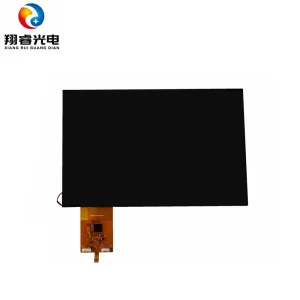
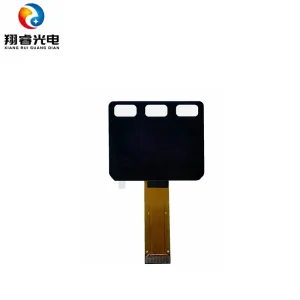
Standard and custom modules built for long lifecycles, drop-in replacement compatibility, and consistent touch responsiveness.
 Xiangrui Optoelectronics