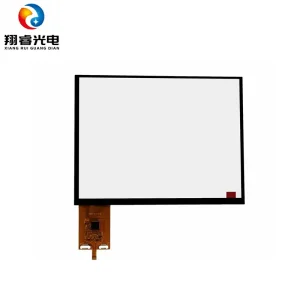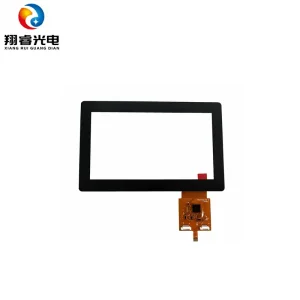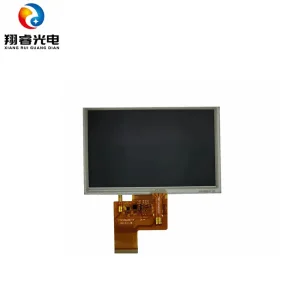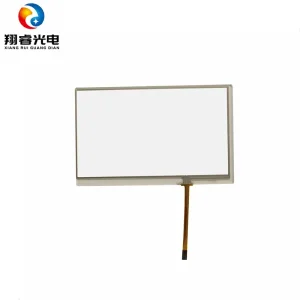
The global electronics market is witnessing an unprecedented shift towards intelligent, interactive human-machine interfaces (HMI). From industrial automation terminals and highly clean medical diagnostics setups to rugged outdoor systems and home automation hubs, the integration of OEM TFT LCD display modules with high-performance touch controls has become the cornerstone of digital engineering. Today, standard displays are no longer sufficient to meet complex requirements. Industrial buyers, engineers, and product managers are demanding tailored optical designs, enhanced sunlight readability, ruggedized chassis protection, and intelligent touch interfaces capable of running under extremely harsh environmental stresses.
Modern applications require advanced optical stacks where touch panels and display glasses are integrated dynamically. This evolution has driven the demand for specialized capacitive and resistive solutions. Capacitive interfaces offer intuitive multi-touch gestures and robust surface scratch resistance, while resistive systems provide unparalleled accuracy and functional reliability in environments where operators wear heavy protective gloves or encounter liquid spray. Understanding this industrial dichotomy is critical for global sourcing managers when identifying qualified suppliers capable of fulfilling custom optical and technical configurations.
TFT LCD panels must often perform flawlessly under direct solar exposure. Custom retrofitting of LED backlights allows for high-brightness panels exceeding 1,000 nits, combined with anti-reflective (AR) and anti-glare (AG) surface treatments.
Industrial displays require wide-temperature liquid crystal formulations to operate smoothly from -30°C to +85°C without crystal transition slowdowns or localized optical degradation.
Eliminating internal air gaps through Optical Bonding (OCA/OCR) completely prevents condensation under humid conditions, improves structural impact resistance, and enables IP65/IP67 rated front enclosures.
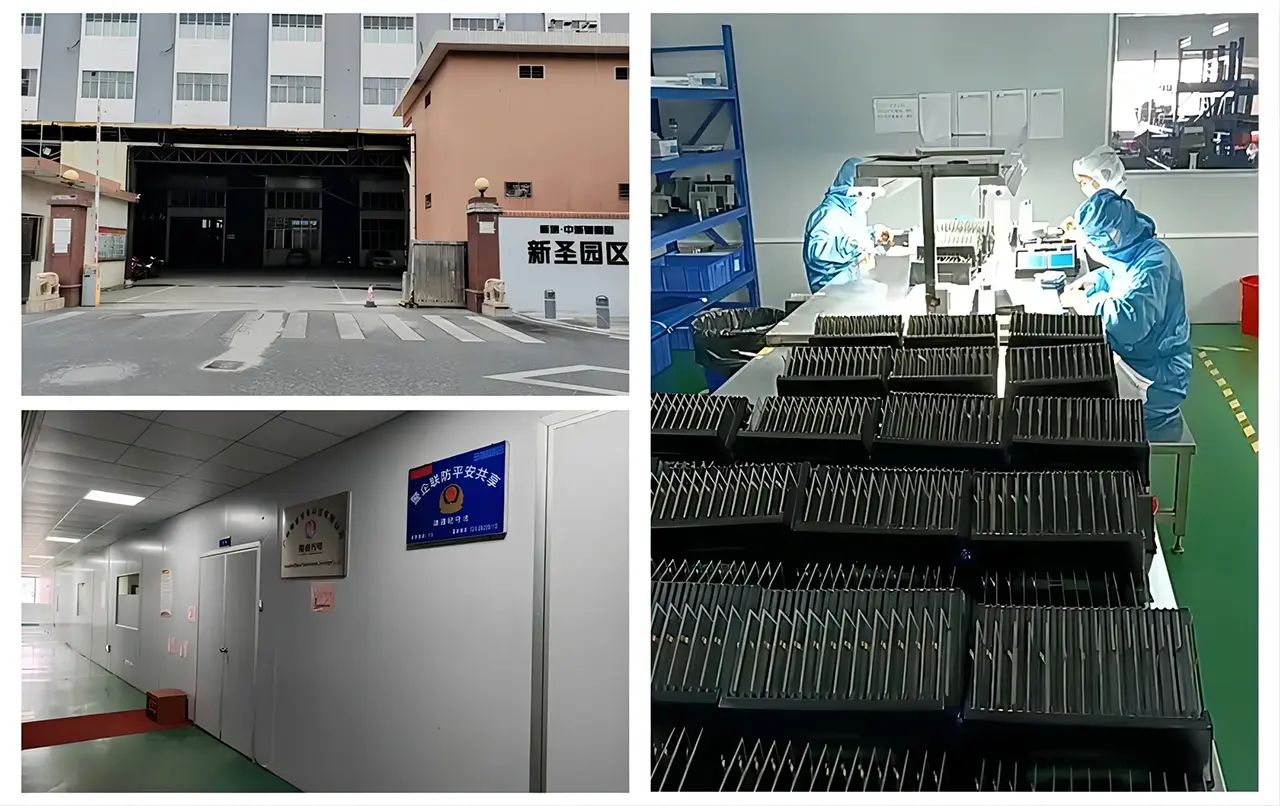
Founded in 2010 in Guangzhou, China, Guangzhou Xiangrui Optoelectronics Technology Co., Ltd. has established itself as an industry-leading pioneer dedicated to the design, research, development, production, and global delivery of premium resistive touch panels, capacitive touch panels, customized cover glasses, and full display module bonding integration.
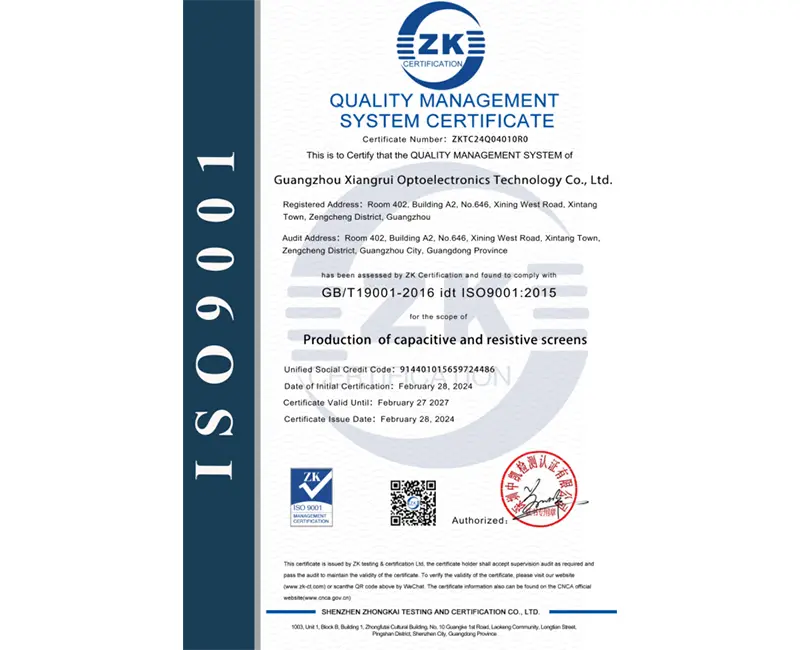
Operating a sprawling 3,000 square meter ISO 9001 and ISO 14001 certified manufacturing plant, our facilities are equipped with specialized Class 100, Class 1,000, and Class 10,000 cleanroom workshops. These dust-free setups allow us to meet the most stringent yield demands and critical cleanliness parameters required for complex optical laminations and structural bonding. Holding over 30 utility patents and specialized utility inventions, we was recognized as a "Guangdong High-Tech Enterprise" in 2022.
When global hardware enterprises source OEM TFT LCD display modules, operational agility and supply chain integration are key parameters for success. China's display manufacturing ecosystem—specifically based in specialized zones such as Guangzhou—offers immense structural benefits over other regional hubs. This structural efficiency is not based on cost minimization alone; it is powered by localized supply chain density, rapid prototyping setups, and advanced technical infrastructure.
At Guangzhou Xiangrui, we leverage these advantages to offer a streamlined procurement process. By co-locating raw material glass suppliers, custom FPC manufacturers, driver IC agents, and optical adhesive producers within a unified local cluster, we reduce the component sourcing cycle from weeks to days. Our design team can verify mechanical models, output high-fidelity structural prototypes, perform pilot optical runs, and adjust touch firmware configurations in a fraction of the time compared to fragmented global setups. This accelerated cycle minimizes time-to-market for complex industrial projects.
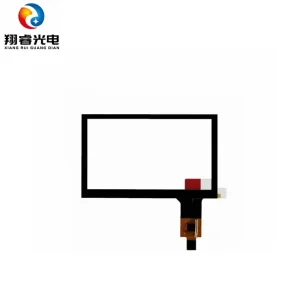
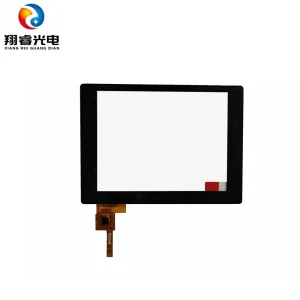
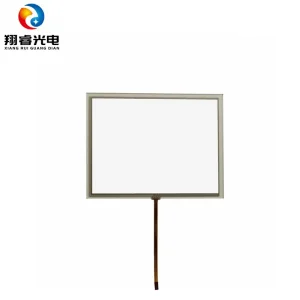
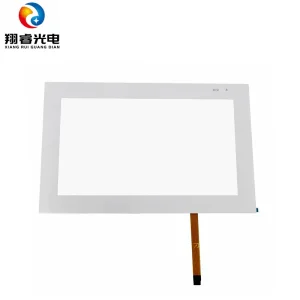
Selecting the optimal touch technology is critical to the longevity and user experience of your system. Product designers must balance environmental stresses against functional requirements. Capacitive touch technology relies on the electrical properties of the human body, providing high transparency, durability, and multi-touch capabilities. Resistive touch technology relies on physical pressure to connect conductive layers, making it highly reliable in heavy-duty setups where gloved hands, pens, or dirt are common.
| Performance Attribute | Capacitive Touch Panels (PCAP) | Resistive Touch Panels (Analog/Digital) |
|---|---|---|
| Operating Input | Bare finger, conductive stylus, thin gloves | Gloved fingers, stylus, any pointer device |
| Optical Clarity | High (>88% to 92% light transmission) | Moderate (75% to 85% light transmission) |
| Scratch Resistance | High (typically 7H Cover Glass hardness) | Moderate (typically 3H PET film surface hardness) |
| Environmental Resistance | Immune to dust, grease, and water droplets (with modern ICs) | Excellent resistance to contaminants, dust, and heavy liquids |
| Optical Bonding Compatibility | Highly recommended for optimal clarity and impact strength | Available as custom frame fitting or perimeter air-gap lamination |
| Typical Applications | Smart home, HMI, outdoor kiosk, POS systems, medical devices | Industrial machinery controls, military gear, outdoor logistics |
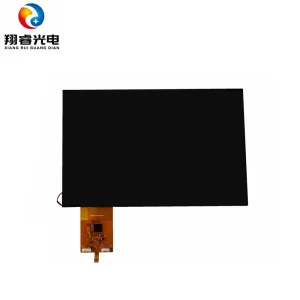
Beyond the touch sensor itself, how the touch panel attaches to the TFT LCD display module is a critical engineering decision. Frame Fitting (Air Bonding) involves sealing the edges of the display and touch panel with adhesive tape, leaving an air gap in the center. While cost-effective, this gap can trap moisture and dust, and can cause internal light reflections that degrade readability in bright outdoor environments.
Optical Bonding (OCA/OCR) uses optical-grade adhesives (solid sheet or liquid resin) to fill the gap between the display and the touch sensor. This matching of refractive indices eliminates internal reflections, improves sunlight readability by up to 400%, and increases mechanical impact resistance. Additionally, eliminating the air gap prevents condensation under high humidity or rapid temperature shifts, making it a key requirement for marine, medical, and industrial field environments.
Medical monitors and handheld diagnostic devices require reliable, hygienic touch interfaces. Our capacitive optical bonding displays support easy cleaning with aggressive chemical disinfectants, work with latex medical gloves, and maintain optical clarity for vital sign analysis.
Factory automation lines run in dusty, hot, and vibration-prone conditions. Guangzhou Xiangrui's wide-temperature, impact-resistant resistive and capacitive touch modules offer reliable operation next to heavy motors, shielding out electromagnetic noise (EMI).
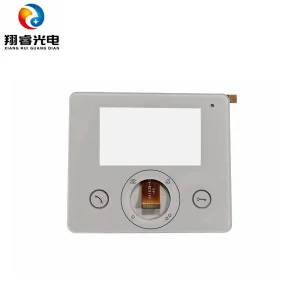
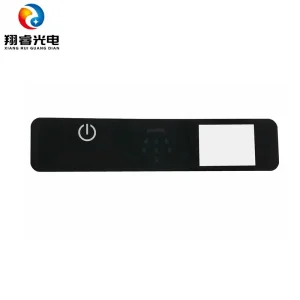
Modern smart home control panels demand a premium look. We provide cover glass with customized border printing, ultra-thin profiles, round shapes, and custom bevels to complement high-end product designs.
Outdoor ticketers and POS payment panels face sunlight glare, heavy use, and potential vandalism. Our high-brightness touch screen solutions feature anti-reflective coatings and thick, tempered cover glass for durable public use.
Sourcing electronic components requires deep supply chain diligence. Industrial projects are designed for 5-to-10-year lifecycles. Selecting a partner based solely on immediate unit price can lead to unexpected expenses if a component is discontinued prematurely. Below are the key criteria that procurement departments should review when validating a prospective display and touch manufacturer:
 Xiangrui Optoelectronics