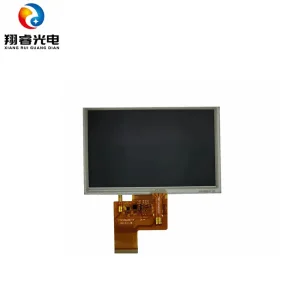
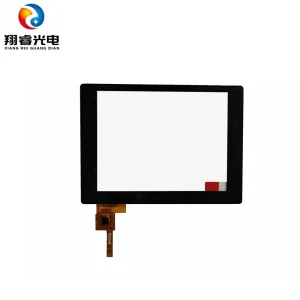
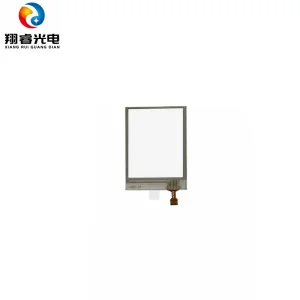
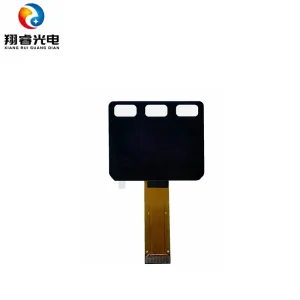
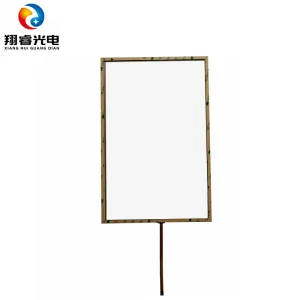
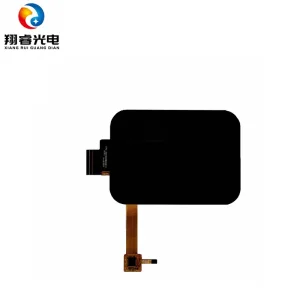
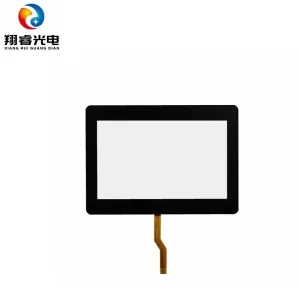
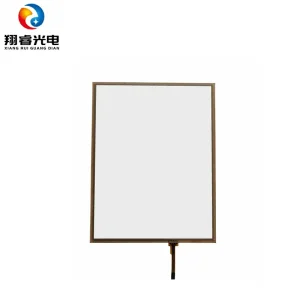
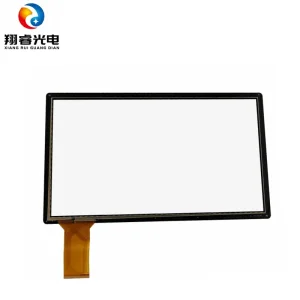
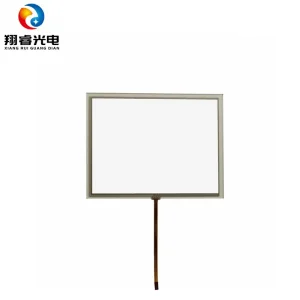
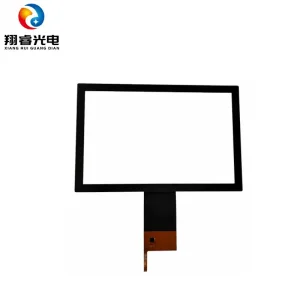
High-performance custom capacitive and resistive display sub-assemblies for London's demanding commercial and industrial computing systems.
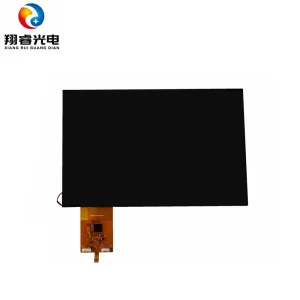
As London advances its smart city infrastructure, transportation networks, and next-generation clinical and commercial platforms, the demand for ruggedized, high-clarity human-machine interfaces (HMIs) has grown exponentially. From interactive digital signage on the London Underground to high-reliability smart retail checkouts and outdoor kiosk systems exposed to the UK’s damp, unpredictable climate, touch screen frame fitting has emerged as a critical manufacturing phase. This process requires precise physical mounting of touch digitizers, protective cover glass, and liquid crystal displays (LCDs) to prevent dust ingress, optical distortion, and structural failure.
In high-density urban areas like London, digital outdoor displays frequently encounter challenges such as solar loading, condensation, and mechanical impacts. Traditional air-gap frame fitting methods often lead to moisture condensation and high light-reflectance, rendering displays unreadable under direct sunlight. Our technical response to these issues incorporates advanced optical bonding and specialized frame fitting technologies. By filling the internal air gaps with specialized optical resins (LOCA) or dry sheet adhesives (OCA), we enhance mechanical stability, optimize optical transmittance, and ensure IP65-rated dust and moisture ingress protection.
Frame fitting is not merely an assembly step; it is an optical and environmental sealing technology. Understanding the engineering variations between bonding methodologies determines the durability of the final display terminal in commercial, medical, or harsh industrial environments:
We leverage advanced optical adhesives with refractive indexes engineered at 1.49 to eliminate internal reflection, maximizing screen brightness and energy efficiency.
By implementing a completely hermetic frame seal, our assemblies eliminate the risk of dust particles and humidity entering the viewable screen area.
Using tempered glass overlays paired with optical-elastomer bonding buffers, our displays achieve superior shock absorption, ideal for unattended public kiosks.
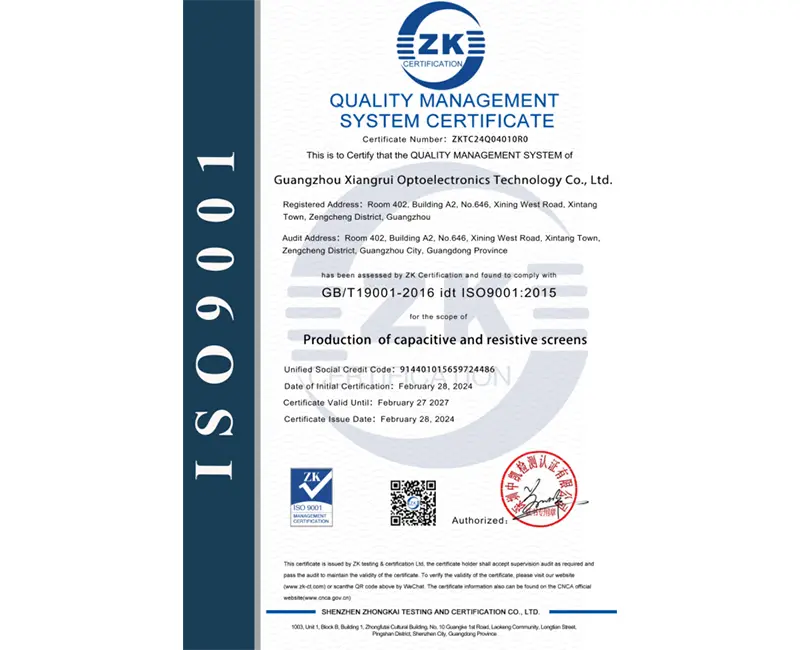
Founded in 2010 and based in Guangzhou, China, we are a leading ISO 9001:2015 and ISO 14001:2015 certified manufacturer specializing in resistive touch panels, capacitive touch panels, cover glass, and module optical bonding. Over more than a decade, we have scaled our production facilities to supply global systems integrators across Europe, North America, and Asia.
Our 3,000-square-meter facility houses advanced Class 100, Class 1,000, and Class 10,000 dust-free cleanrooms. This level of environmental control is critical for high-yield optical bonding, ensuring that zero airborne particulates contaminate the interface surfaces during precision laminating procedures.
High-durability optical bonding units designed for extended operational lifetimes in harsh and variable settings.
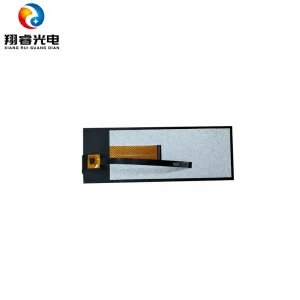
Integrating raw touch screens into protective enclosures requires high manufacturing consistency and stringent materials selection. Xiangrui Optoelectronics addresses these integration challenges through high quality standards and direct technical support:
We work closely with global tech brands and component distributors, delivering consistent manufacturing outputs that support seamless hardware integrations and long-term project support.
Our ISO-certified manufacturing facility operates strictly standardized production workflows. We monitor raw materials through to final assembly testing to ensure compliance with global electronic safety standards.
Led by our dedicated R&D team, we continuously develop utility patents for touch display integration and optical enhancements, earning recognized high-tech enterprise titles.
The global display and interactive panel market is moving towards thinner, more resilient, and multi-functional designs. For system designers in London and international markets, incorporating emerging display trends is essential to keeping devices future-proof over their typical 7- to 10-year operational lifespans. We are actively developing next-generation solutions, including:
Optical performance is heavily affected by environmental conditions. Anti-glare coatings diffuse reflections to keep text legible in highly lit environments, while anti-reflective coatings reduce light loss through constructive interference. Our anti-fingerprint coatings use oleophobic layers to repel oils and moisture, which helps keep public-use kiosks looking cleaner and reduces maintenance overheads.
Traditional liquid crystal cells and optical adhesives can experience degradation when exposed to extreme thermal cycling. Our wide-temperature capacitive touch modules operate reliably across a broad thermal range, from -30°C to +85°C. This stability makes them suitable for outdoor ticket dispensers, automotive displays, and marine controls.
In industrial control and healthcare environments, high electrical noise from heavy machinery or medical scanners can cause false touches on capacitive screens. By integrating shielded ITO (Indium Tin Oxide) sensors and pairing them with high-frequency touch controller chips like EETI or Ilitek, we ensure our assemblies operate reliably in electrically noisy environments.
High-reliability touch screens for industrial, medical, smart retail, and transportation systems.
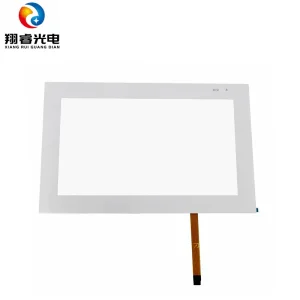
Technical answers for system integrators, design engineers, and procurement managers.
Capacitive touch screens utilize the electrical properties of the human body to detect touch, offering high sensitivity and supporting multi-touch gestures, but they generally require a bare finger or conductive glove. Resistive touch screens rely on physical pressure to connect two conductive layers, making them compatible with heavy gloves and stylus tools. This makes resistive panels highly reliable for heavy industrial environments, while capacitive screens are widely preferred for interactive public displays.
Outdoor kiosks in regions like London often experience temperature swings that cause internal condensation within the display air gap. Optical bonding completely fills the space between the display panel and the cover glass with an optically clear resin, removing air and moisture. This design prevents condensation, keeping the display readable in variable weather conditions.
Every production batch undergoes comprehensive quality control testing in our cleanroom facilities. Testing processes include functional coordinate mapping, cosmetic inspection for glass defects under specialized lighting, thermal cycling chamber testing (-40°C to +85°C), and high humidity storage checks to ensure durability before export.
Yes, we provide full custom design and manufacturing services (OEM/ODM). We can customize display shapes, print logos on cover glass, and apply specialized surface coatings (AR, AG, AF) to meet specific design requirements. Contact our engineering team for technical support on custom touch assemblies.
 Xiangrui Optoelectronics