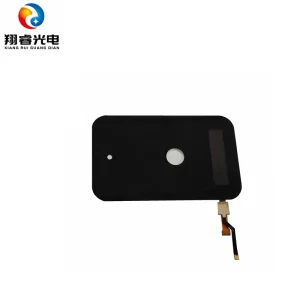
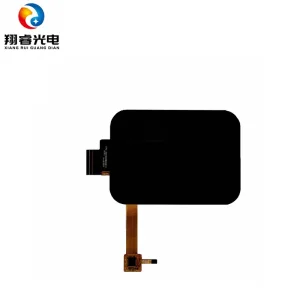
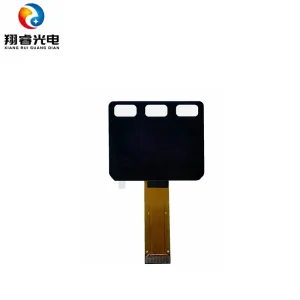
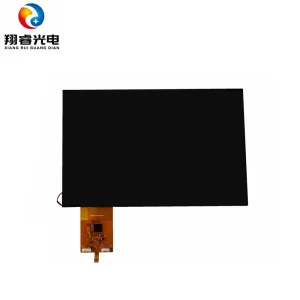
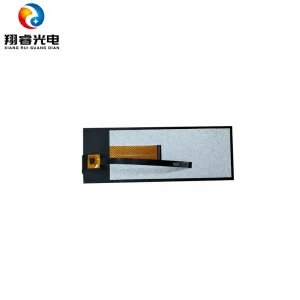
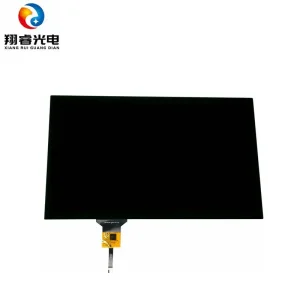
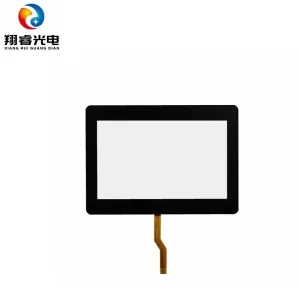
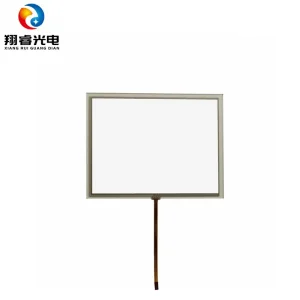
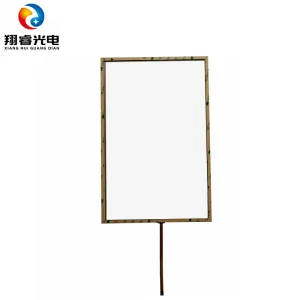
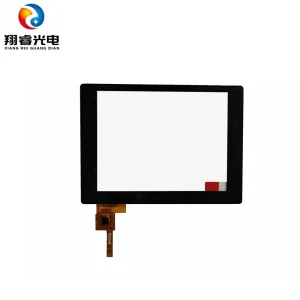
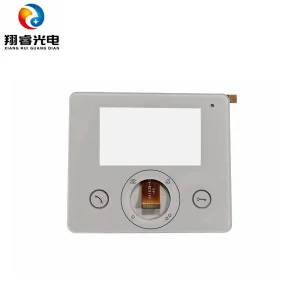
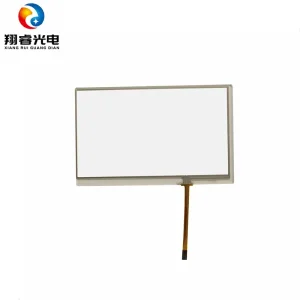
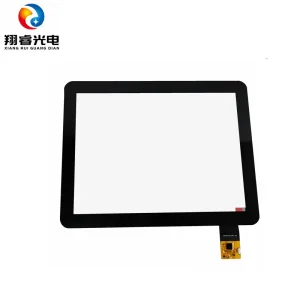
High-reliability capacitive touch solutions custom-engineered for tropical climates and rugged environments across the Philippine industrial sector.
Rising temperatures, high relative humidity, and coastal saline exposure define the demanding environment for localized human-machine interfaces.
In the Philippine archipelago—spanning key economic zones like Calabarzon, Metro Manila, and Metro Cebu—industrial displays are subjected to rigorous physical conditions. Severe ambient humidity reaching 90%+ year-round, combined with direct exposure to equatorial UV light and marine saline atmosphere, leads to rapid deterioration in standard air-bonded screens.
Air-bonding leaves a thin layer of gas between the display panel (TFT LCD) and the outer protective touch cover glass. As temperatures shift rapidly between cooled control rooms and hot outdoor environments, moisture enters this air gap. This condensation, combined with internal reflections, renders outdoor smart kiosks, marine navigation displays, and tollways illegible.
Guangzhou Xiangrui Optoelectronics supplies custom-engineered optical bonding solutions designed to counter these challenges. Our optical bonding processes inject a high-transmittance, index-matched adhesive layer (LOCA/OCR) directly into the gap, replacing all air and moisture to deliver a rugged, hermetically sealed interface.
Understanding the difference between Liquid Optical Clear Resin (OCR/LOCA) and Sheet Adhesive (OCA) for Philippine applications.
| Parameter | Liquid Optical Clear Resin (OCR/LOCA) | Optical Clear Adhesive Sheet (OCA) | Xiangrui Engineering Recommendation |
|---|---|---|---|
| Adhesive Consistency | Liquid silicone or polyurethane gel, UV and thermal cure. | Pre-cast dry adhesive sheets, autoclave pressed. | OCR for thick or curved covers; OCA for thin mobile devices. |
| Reworkability | High. Easy to detach and clean without damaging the display. | Difficult. Scrap rates are significantly higher upon error. | OCR minimizes electronic waste during production runs. |
| Optical Index Matching | Highly customizable (matches glass refractive index at ~1.51). | Standard index matching; minor variance may occur on micro-structures. | Both options eliminate the air gap to reduce reflection from 8% to <0.5%. |
| Thermal Expansion Resistance | Excellent flexibility under temperature shifts (-40°C to +85°C). | Risk of delamination or bubbling under persistent tropical heat. | OCR is recommended for outdoor and marine displays in the Philippines. |
| Impact Absorption (IK Rating) | High energy dissipation. Reaches up to IK09 / IK10 with thick glass. | Moderate dissipation. Limited by dry sheet thickness limits. | OCR for industrial controllers and anti-vandalism kiosks. |
Improves outdoor visibility. Anti-reflective treatments minimize surface glare, maintaining readability under direct equatorial sunlight.
Protects inner components from moisture and salt mist. Essential for marine vessels and harbor logistics in Cebu and Manila.
Our liquid optical bonding absorbs mechanical shock, offering protection against accidental drops and industrial impacts.
Manufacturing Experience
Production Cleanroom Area
Invention & Utility Patents
Countries Exported
The progression of human-machine interfaces (HMI) towards smarter, more durable, and highly integrated display systems.
Optimizing readability with nano-particle Anti-Glare, Anti-Reflective, and oleophobic Anti-Fingerprint coatings designed for multi-touch public kiosks.
Deploying specialized UV-curing resins that resist thermal degradation and solar yellowing under extended solar exposure.
Combining optical bonding with ambient light sensors and anti-microbial treatments to suit healthcare and marine applications.
Adapting precision bonding techniques to wrap-around displays and complex console geometries for transport cockpits.
Guangzhou Xiangrui Optoelectronics Technology Co., Ltd. operates a 3,000 square meter facility equipped with Class 100, Class 1,000, and Class 10,000 dust-free cleanrooms. This facility manages humidity and airborne particulates to prevent defects during the optical bonding process.
Our location in Guangzhou provides logistics benefits for the Southeast Asian market. With direct container shipping routes to Manila, Cebu, and Davao, we provide reliable lead times and competitive pricing. Under the ASEAN-China Free Trade Agreement (ACFTA), import processes are simplified via Form E certification, reducing tariff overheads for industrial buyers in the Philippines.
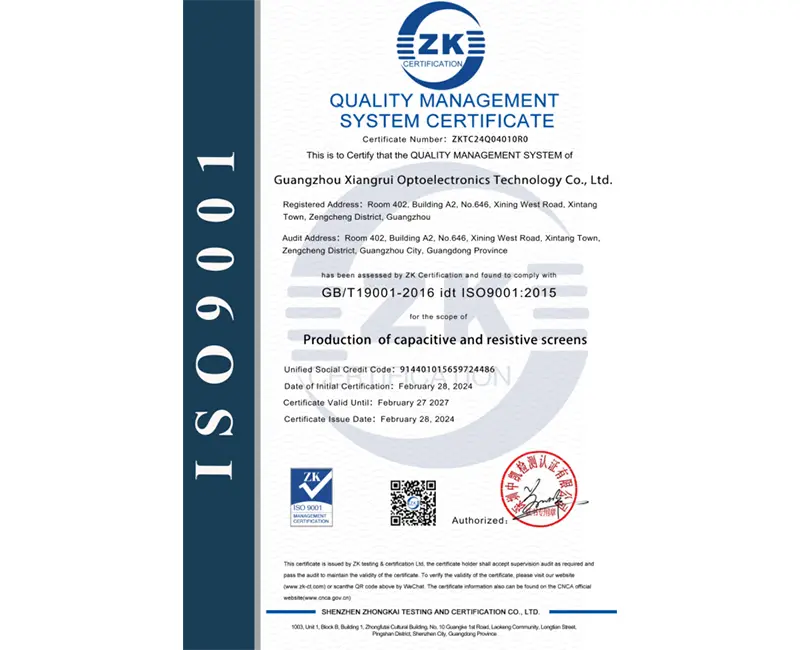
We are certified under ISO 9001:2015 for quality management and ISO 14001:2015 for environmental protection, maintaining consistent standards across raw materials, glass tempering, ITO sensor printing, optical bonding, and final functional testing.
Learn how our structured departments and state-of-the-art facilities guarantee high product yields.
Founded in 2010, we are dedicated to the research, development, production, and service of resistive touch panels, capacitive touch panels, cover glass, and module optical bonding. We support customized touch solutions, including OEM and ODM services.
Our departments include R&D, Production, Marketing, Quality, Finance, Purchasing, and HR. This structured approach helps ensure compliance with international quality standards from initial design to delivery. Our products are used across industrial control, medical devices, home appliances, smart infrastructure, and outdoor payment terminals.
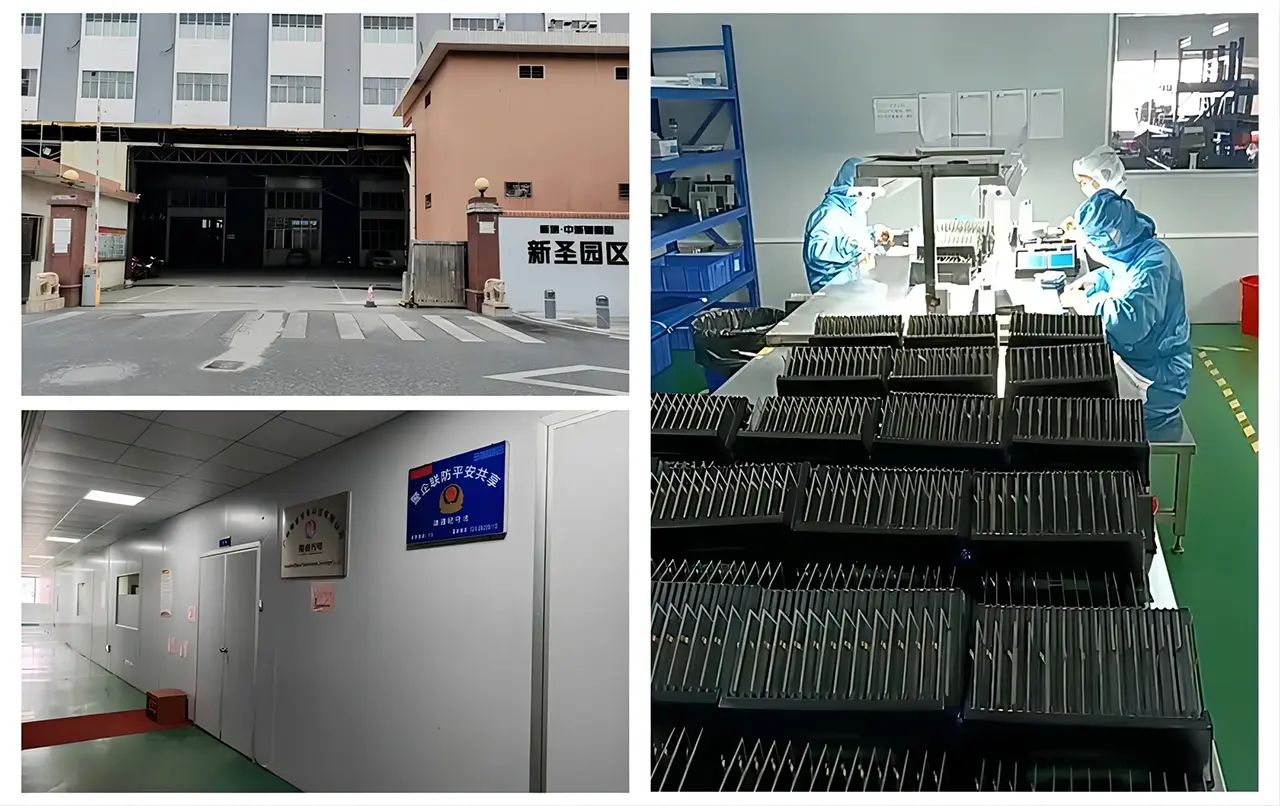
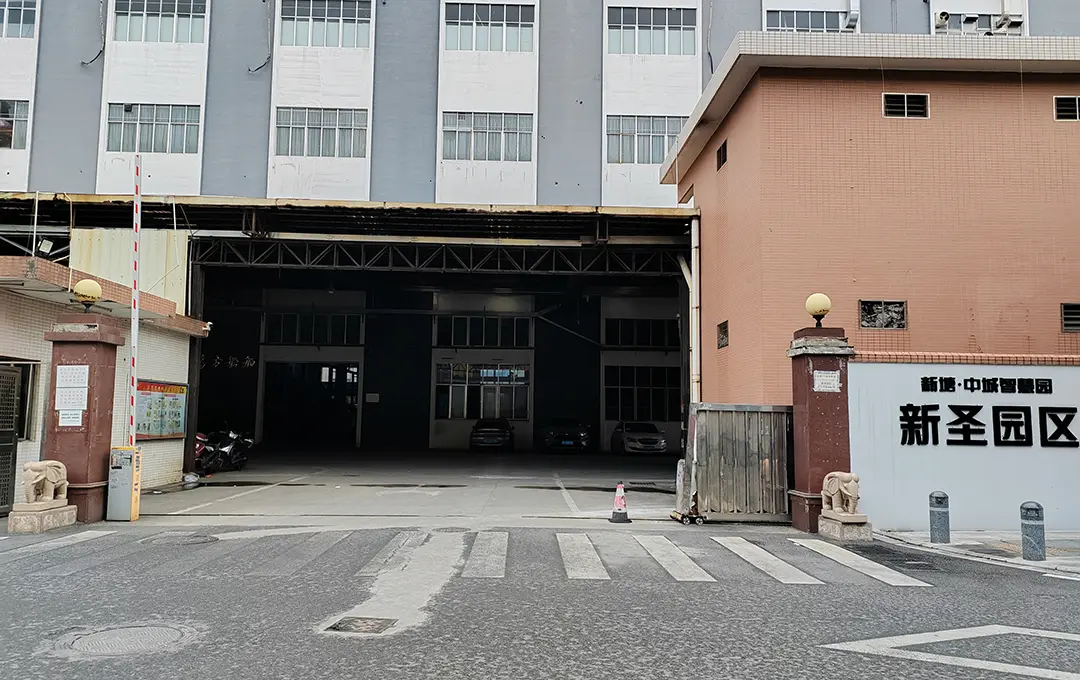
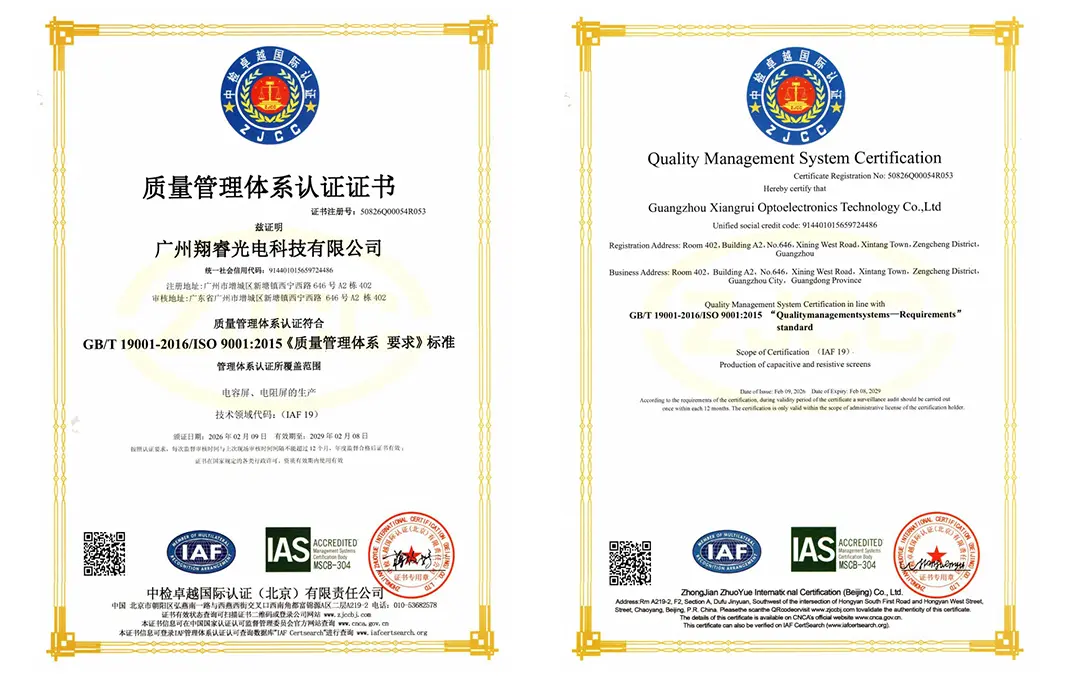
Explore our complete range of resistive and capacitive touch modules, customized to meet the technical standards of global projects.
Answers to technical questions about optical bonding for projects in the Philippines and Southeast Asia.
Discuss your project specifications with our technical engineering team. We support custom sizing, specialized cover glass treatments (AG/AR/AF), and high-reliability specifications.
Inquire Now Xiangrui Optoelectronics