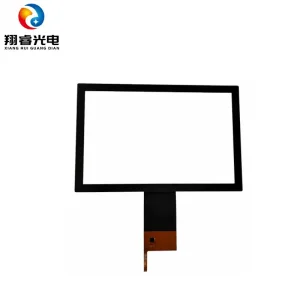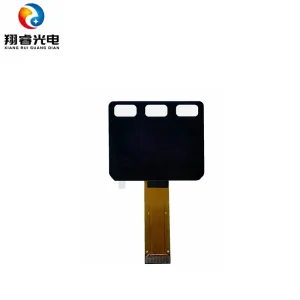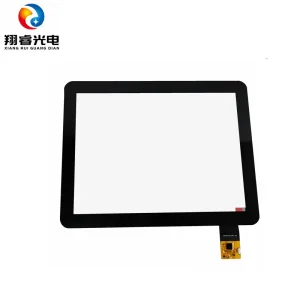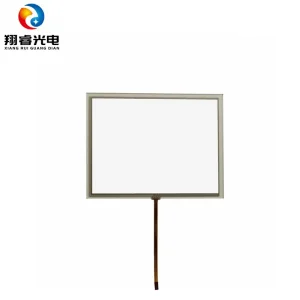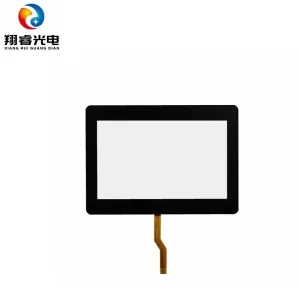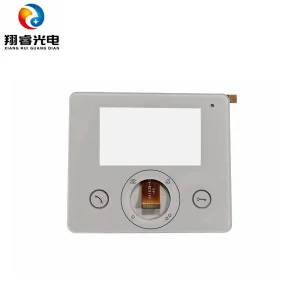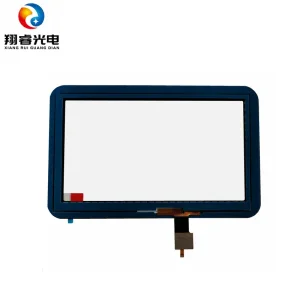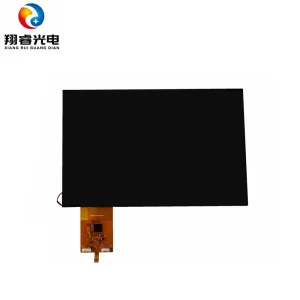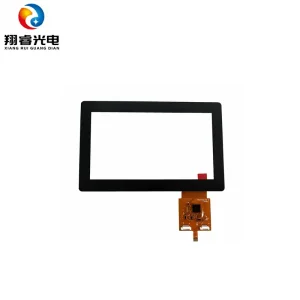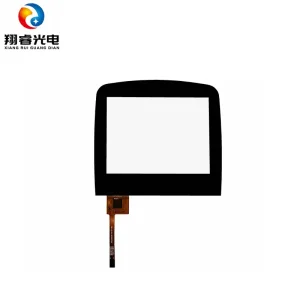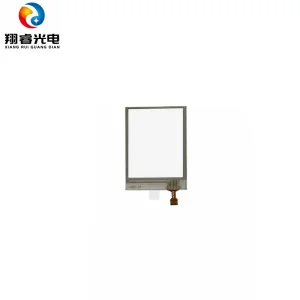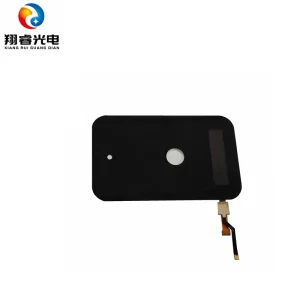
China 3.5 Touch Screens Factory & Factories

Guangzhou Xiangrui Optoelectronics Technology Co., Ltd. - Leading Industrial-Grade Resistive & Capacitive Touch Solutions Globally

Executive Summary: The Strategic Paradigm of 3.5-Inch Touch Technology

In the rapidly evolving landscape of Human-Machine Interfaces (HMI), the 3.5-inch touch screen occupies a critical spatial sweet spot. Small enough to remain highly portable and power-efficient, yet large enough to support rich graphical user interfaces (GUIs), the 3.5-inch form factor is the cornerstone of hand-held terminals, smart home controls, smart medical instruments, and complex industrial instrumentation.

As global technology markets transition toward higher integration and environmental resilience, procuring touch screens from highly specialized Chinese factories has transformed from a cost-saving tactic into a strategic imperative. Modern Chinese touch screen manufacturing ecosystems, exemplified by industry pioneers like Guangzhou Xiangrui Optoelectronics Technology Co., Ltd., provide the precise intersection of high-tier engineering capabilities, extreme materials customization, and deep vertical supply integration that global OEMs require to maintain market competitiveness.

Information Gain Metric: Modern 3.5" touch interfaces are no longer simple input mechanisms. They integrate advanced noise-filtering ICs, multi-finger capability (up to 10 points), and custom surface treatments (AG, AR, AF) to ensure continuous operation in harsh environment regimes, rendering generic visual panels obsolete.
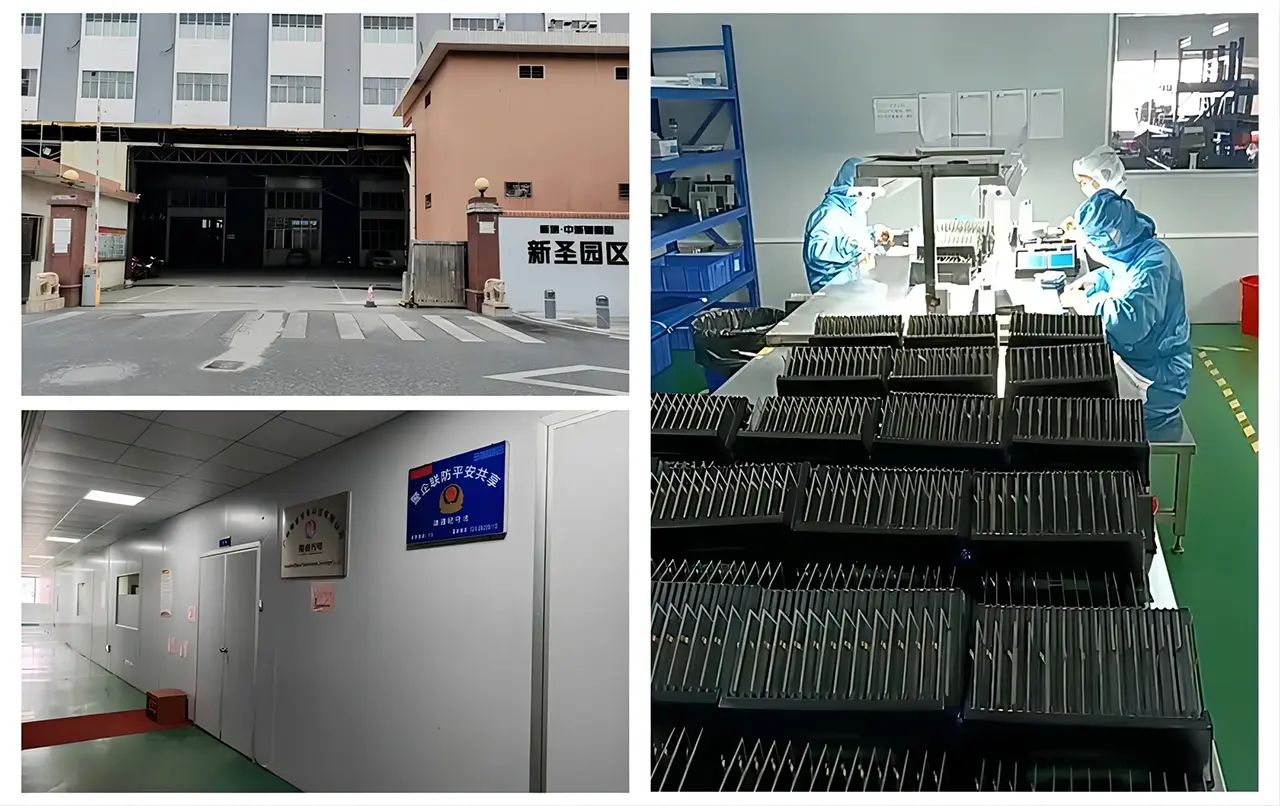
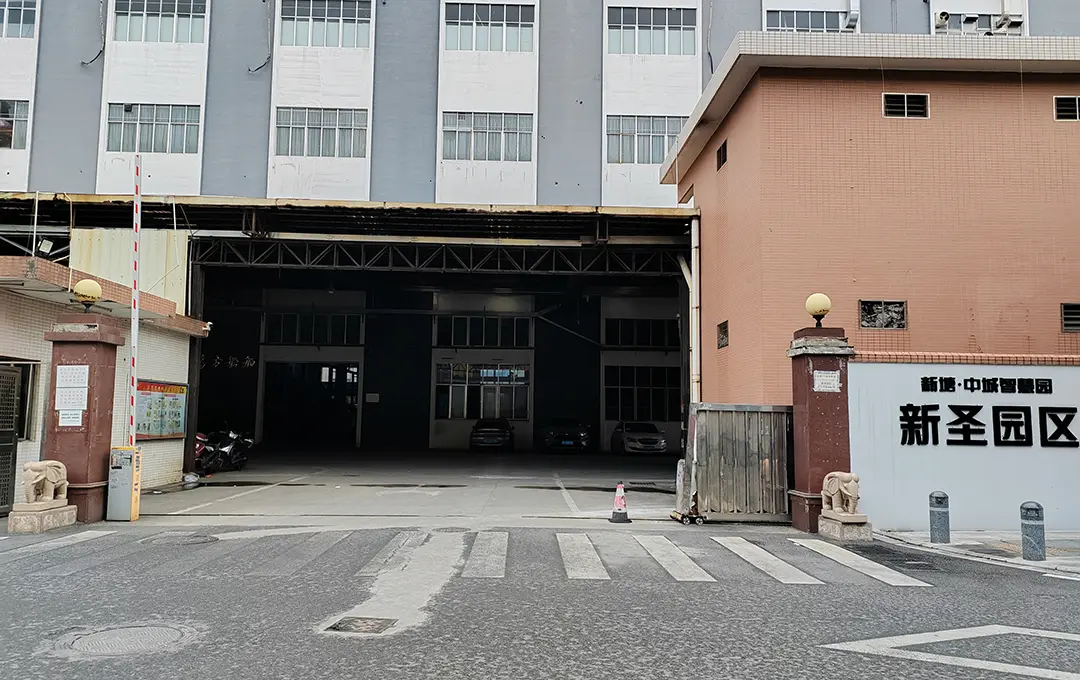
Welcome to Guangzhou Xiangrui Optoelectronics

Guangzhou Xiangrui Optoelectronics Technology Co., Ltd.

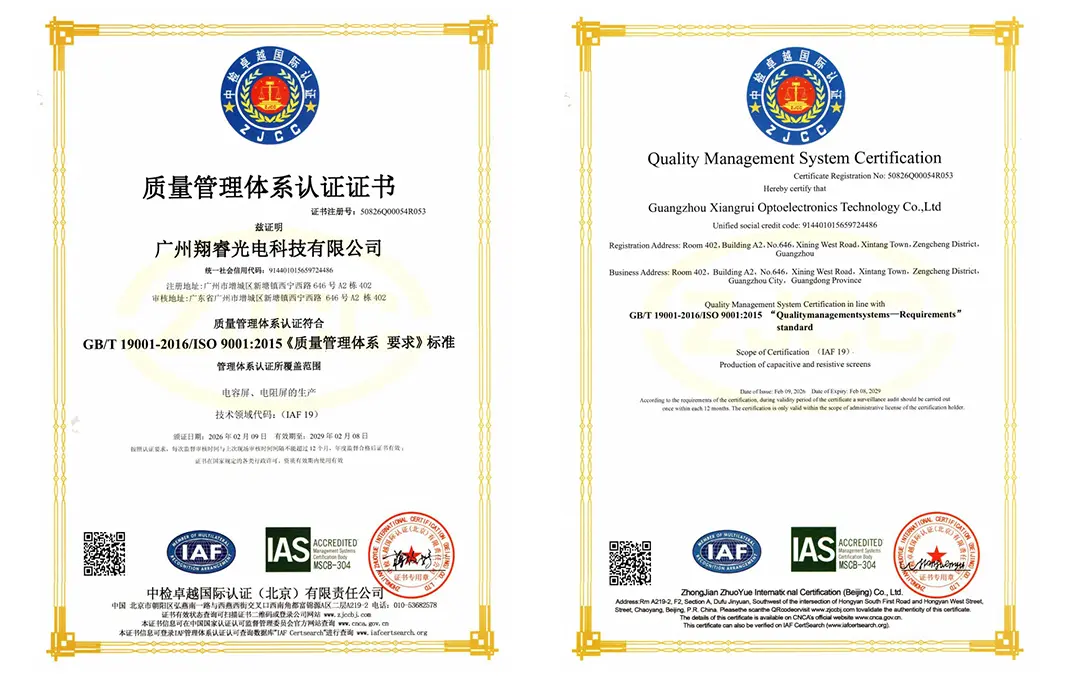
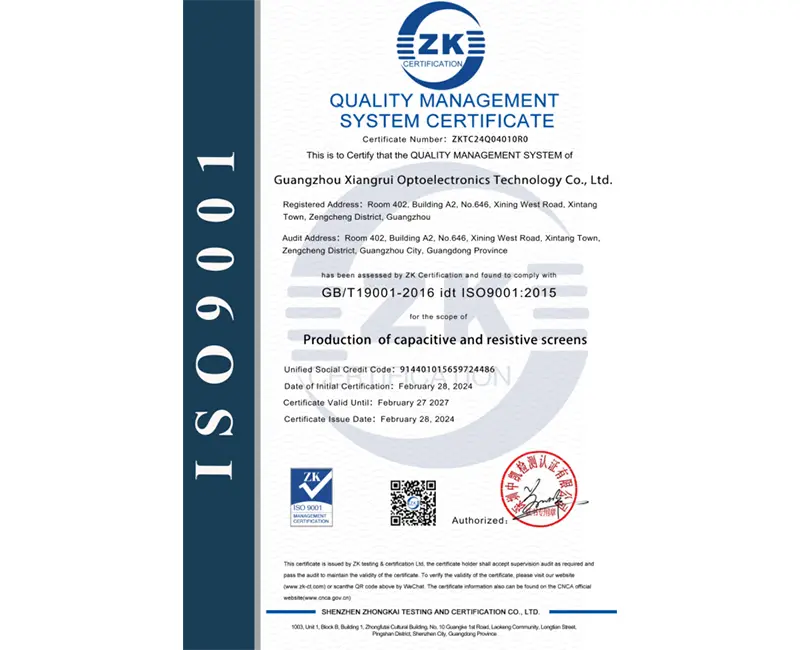
Founded in 2010 and located in Guangzhou, China, we are a leading company dedicated to the research and development, production, sales, and service of resistive touch panels, capacitive touch panels, cover glass, and module bonding products. We provide customized production of various touch screens, as well as OEM and ODM services. Our company has obtained the ISO 9001 and ISO 14001 certificates. Our products are widely used in fields such as industrial control, medical equipment, home appliances, smart home, outdoor products, and palm print recognition payment systems.

We are based on the fundamental purpose of people-oriented, honest, pragmatic, innovative and enterprising sincere and united. Since our establishment, we have been committed to the development, research and application of new products, new processes and new materials, relying on a professional R&D team, rich production experience and high-quality service, so that enterprises in the fierce market competition always adhere to competitiveness, to achieve rapid and stable development.

10+ Years
Experience
Advanced manufacturing experience since 2010
30+
Invention Patents
Pioneering touch screen methodologies
3000+ ㎡
Cleanroom Plant
Class 100 to Class 10000 Dust-Free Workshops
40+
Export Nations
Worldwide distribution network

State-of-the-Art Cleanroom Manufacturing Infrastructure

Optoelectronic bonding and touch sensor lamination demand extreme particulate control to prevent optical voids, Newton rings, and localized circuit shorts. Xiangrui's manufacturing footprint occupies a highly structured 3000-square-meter facility, segmented into specialized cleanroom tiers:

Class 100 Cleanrooms: Reserved for critical optical bonding processes, including liquid optically clear adhesive (LOCA) injection and dry OCA film lamination. Particulate parameters are strictly regulated to less than 100 particles of size 0.5 microns per cubic foot, ensuring zero microscopic dust artifacts block pixels.

Class 1000 & Class 10000 Environments: Configured for sensor patterning, component mounting, glass cutting, and initial visual assembly. Advanced HVAC air filtration systems circulate refreshed air up to 60 times per hour, ensuring high manufacturing yields and reliable long-term performance.

Our operational adherence to ISO 9001:2015 quality management frameworks and ISO 14001:2015 environmental standards guarantees complete process traceability. Standardized workflows ensure that from receipt of ITO films and protective cover glass to final multi-axis optical inspections, quality remains highly predictable and consistent.

Xiangrui Optoelectronics High Tech Process Flowchart

Why Sourcing from China's 3.5 Touch Screen Factories Offers Global Advantage

The strategic factors driving procurement managers to establish long-term partnerships with advanced Chinese optoelectronic manufacturers.

Highly Integrated Local Component Clusters

Chinese optoelectronic factories are situated directly within vast supplier ecosystems. The immediate vicinity of ITO film coating plants, high-precision chemical glass processors (Gorilla Glass, AGC), specialized controller IC suppliers (EETI, Cypress, FocalTech), and flexible printed circuit (FPC) manufacturers minimizes transit delays and keeps raw material logistics costs low.

Agile OEM & ODM Customization

Unlike inflexible legacy manufacturers, Chinese plants specialize in rapid prototyping. Whether a custom cover glass shape is required, specialized surface treatments like anti-glare (AG) or anti-reflective (AR) are specified, or unique FPC configurations and communication interfaces (I2C, SPI, USB) are needed, prototypes are designed and built in a fraction of standard lead times.

Rigorous Standard Conformity

Leading manufacturers fully comply with international standards. At Guangzhou Xiangrui, we maintain a robust partnership model characterized by customer-first values, timely delivery, and certified alignment with ISO 9001 and ISO 14001, ensuring that imported touchscreens comply with CE, FCC, RoHS, and REACH directives.

Deep Technical Analysis: Optical Lamination Paradigms

When configuring a 3.5-inch touch panel, engineering departments face critical decisions regarding assembly methods. The optical connection between the touchscreen sensor and the underlying LCD panel significantly affects ambient daylight viewability, shock resistance, and thermal performance.

1. Optical Bonding (OCA/LOCA) vs. Tape Bonding (Air Gap)

In standard tape (air gap) bonding, the touch sensor and LCD panel are joined along their outer borders using double-sided adhesive. This creates an internal pocket of air. However, differences in refractive index between the glass, air, and plastic layers cause light to refract at each interface, resulting in internal reflections and reduced contrast in outdoor conditions.

Optical Bonding: In this process, the air gap is filled with an optically clear gel or adhesive (solid OCA or liquid LOCA), matching the refractive index of the glass (approx. 1.5). Eliminating internal air pockets results in:

  • Sunlight Readability: Reduces external reflection by up to 90%, preserving high display contrast in direct sunlight.
  • Physical Durability: Eliminates the risk of moisture condensation, dust ingress, and internal fogging, while improving overall mechanical shock and vibration resistance.
  • Thermal Efficiency: Improved heat dissipation directly through the screen surface prevents the localized thermal hot spots common in sealed air-gap assemblies.

2. Surface Treatments for Harsh Conditions

To ensure reliable operation in demanding environments, cover glass surfaces can be customized with various functional coatings:

  • Anti-Glare (AG): Uses chemical etching or spray processes to diffuse specular reflection. Highly recommended for industrial HMI panels to reduce reflection from bright overhead lights.
  • Anti-Reflective (AR): Applies thin-film coatings to create destructive light interference, reducing surface reflection to less than 1% and maximizing light transmission.
  • Anti-Fingerprint (AF/Oleophobic): Uses vacuum deposition to apply a hydrophobic layer that repels oils and sweat. Smudges wipe away easily, making it ideal for medical screens and public kiosks.

Diverse Application Scenarios & Tailored Solutions

How our customized 3.5-inch touch systems are engineered to meet the unique operational challenges of different industries.

Medical Devices & Diagnostics

Medical displays require high noise immunity to operate safely alongside high-frequency hospital equipment. Our 3.5-inch capacitive sensors are tuned for glove-touch operation and function reliably even when exposed to liquid sprays, blood, gel, or harsh disinfectant cleaning solutions.

Heavy Industrial Automation

Industrial settings demand resilience against mechanical impact, dirt, grease, and wide operating temperature fluctuations (-30°C to +85°C). Utilizing chemical tempering, thick cover lenses (up to 4.0mm), and IK-rated protective frames ensures continuous, reliable operation.

POS & Palmtop Payment Terminals

Handheld payment systems demand high ESD protection, low power consumption, and slim profiles. Our 3.5-inch capacitive panels feature ultra-thin chemically strengthened glass cover plates, optimized sensor patterns to save battery power, and clean, high-precision touch sensitivity.

Technical Procurement Strategies for Global Engineering Teams

Specifying a custom 3.5-inch touch panel involves balancing mechanical, electrical, and optical trade-offs. To avoid costly downstream redesigns, engineering teams should evaluate key technical parameters during the specification stage:

1. Matching the Touch Technology to the Environment

Projected Capacitive (PCAP): Best suited for multi-touch (pinching, swiping) applications requiring high optical clarity, flat bezels, and long operational life. Our PCAP panels support custom thick cover glass (up to 5mm) to withstand heavy physical impacts.

Resistive (4-wire / 5-wire): Still preferred in high-noise electrical environments, areas where users must wear thick protective gloves, and applications where cost is a primary constraint. The analog technology ensures reliable inputs even in wet or dirty conditions.

2. Controller IC Integration and Tuning

A touch screen's performance depends heavily on its controller IC. Leading IC suppliers like EETI, ILITEK, and Cypress offer robust algorithms that filter out electromagnetic interference (EMI) from adjacent LCD drivers, power supplies, and high-frequency wireless communications. Our engineering team tunes these controller parameters to ensure optimal touch performance under specific project conditions.

Critical Sourcing Rule: Always specify operating environment temperatures (standard: -20°C to +70°C, wide temp: -30°C to +85°C) and expected mechanical impact ratings (IK07 to IK10) early in the design stage. Retrospective mechanical changes typically require redesigning the touch sensor routing and FPC layout.

Why Partner With Us?

  • 01
    Customer-First Philosophy: We build long-term relationships with leading global enterprises and well-known manufacturers through consistent quality, on-time delivery, and collaborative development.
  • 02
    Certified Standardization: We operate under ISO 9001 and ISO 14001 certifications. Our standardized production processes ensure high quality from incoming raw materials to finished optoelectronic panels.
  • 03
    Patented Technology Portfolio: Driven by our active R&D department, we continuously develop new processes and materials. Our technological innovations earned us the "Guangdong High-Tech Enterprise" designation in 2022.

Future Display Trends: What’s Next for the 3.5-Inch Interface?

As the HMI industry matures, the 3.5-inch touch panel is evolving to meet new requirements. Key developments shaping the future of small-format touchscreens include:

1. Integration of Haptic Feedback: Standard visual and audible feedback is increasingly supplemented by localized haptic vibration. This is particularly valuable in industrial controls and medical devices, where physical confirmation of user inputs improves safety and operational precision.

2. Evolution of Smart Display Modules: The industry is transitioning from simple screens to smart displays that integrate the LCD, touch sensor, and an onboard microprocessor (such as ARM-based chips). These modules handle complex GUI rendering internally, reducing processing loads on the host system and simplifying product development.

3. Enhanced Durability and Sustainability: Environmental sustainability is becoming a key factor in manufacturing. Future designs will focus on energy-efficient manufacturing processes, recyclable materials, and ultra-low power consumption modes, helping global OEMs meet strict environmental targets.

Frequently Asked Questions (FAQ)

Technical answers to common sourcing, design, and manufacturing questions.

QWhat customization options are available for the 3.5-inch touch screen?
We offer full custom design capabilities, including customized cover glass thickness (0.5mm to 5.0mm) and custom chemical treatments like AG (Anti-Glare), AR (Anti-Reflective), and AF (Anti-Fingerprint). We can also customize the shape and size of the cover glass, the placement of the FPC interface, and tune the controller firmware to support water rejection or gloved touch.
QHow do capacitive and resistive touch technologies compare for industrial environments?
Capacitive (PCAP) displays support multi-touch gestures, offer high optical clarity, and provide excellent durability under heavy use. Resistive displays are single-touch, but offer high reliability in electrically noisy environments, function reliably when exposed to water or dirt, and can be operated with any stylus or heavy glove.
QWhat cleanroom standards are maintained at your factory?
Our 3000-square-meter facility features cleanroom zones ranging from Class 100 to Class 10000. Critical optical bonding and lamination processes are performed in Class 100 environments, ensuring our displays remain free of microscopic dust and visual contaminants.
QDo you provide optical bonding (OCA/LOCA) services?
Yes, we specialize in high-precision optical bonding using both OCA (Optically Clear Adhesive) and LOCA (Liquid Optically Clear Adhesive). This eliminates the air gap between the touch sensor and the LCD panel, improving display contrast, sunlight readability, and impact resistance.
QWhat quality certifications does your manufacturing plant hold?
Guangzhou Xiangrui Optoelectronics is certified to ISO 9001:2015 for quality management systems and ISO 14001:2015 for environmental management standards. Our products are fully compliant with RoHS and REACH regulations to ensure safe distribution in global markets.