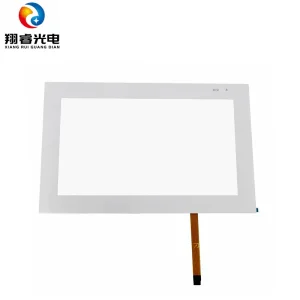
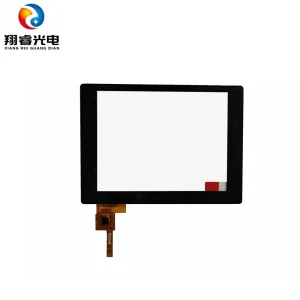
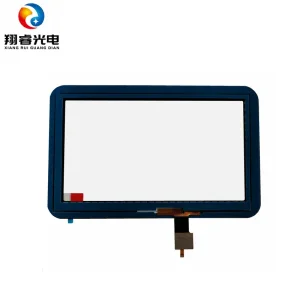
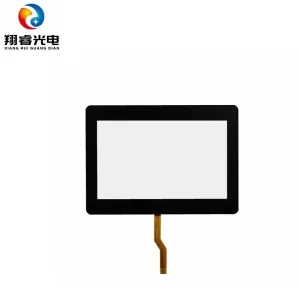
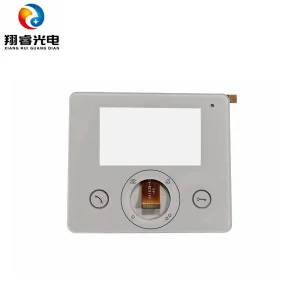
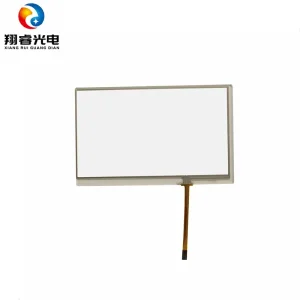
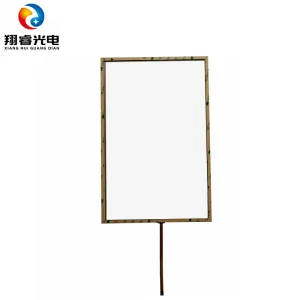
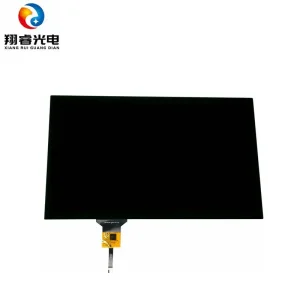
For critical industrial automation, medical equipment, and harsh environments, touch input systems must demonstrate absolute reliability. While consumer products favor capacitive panels, the 5-Wire Resistive Touch Screen remains the undisputed gold standard for industrial applications. The reason lies in its architectural mechanics. Unlike older 4-wire resistive configurations, which distribute electrode layers on both the flexible top film and bottom glass layer, 5-wire architectures place all electrical signals on the robust bottom glass substrate.
Because the flexible top layer acts only as an electrical probe, any physical damage, scratching, or structural wear to the outer film does not impair the functional linearity of the screen. This allows the system to continue operating reliably even when punctured or deeply scratched. Additionally, resistive touch remains completely unaffected by EMI noise, water droplets, dust, or grease, and is fully responsive to heavy industrial gloves, stylus pens, or bare hands.
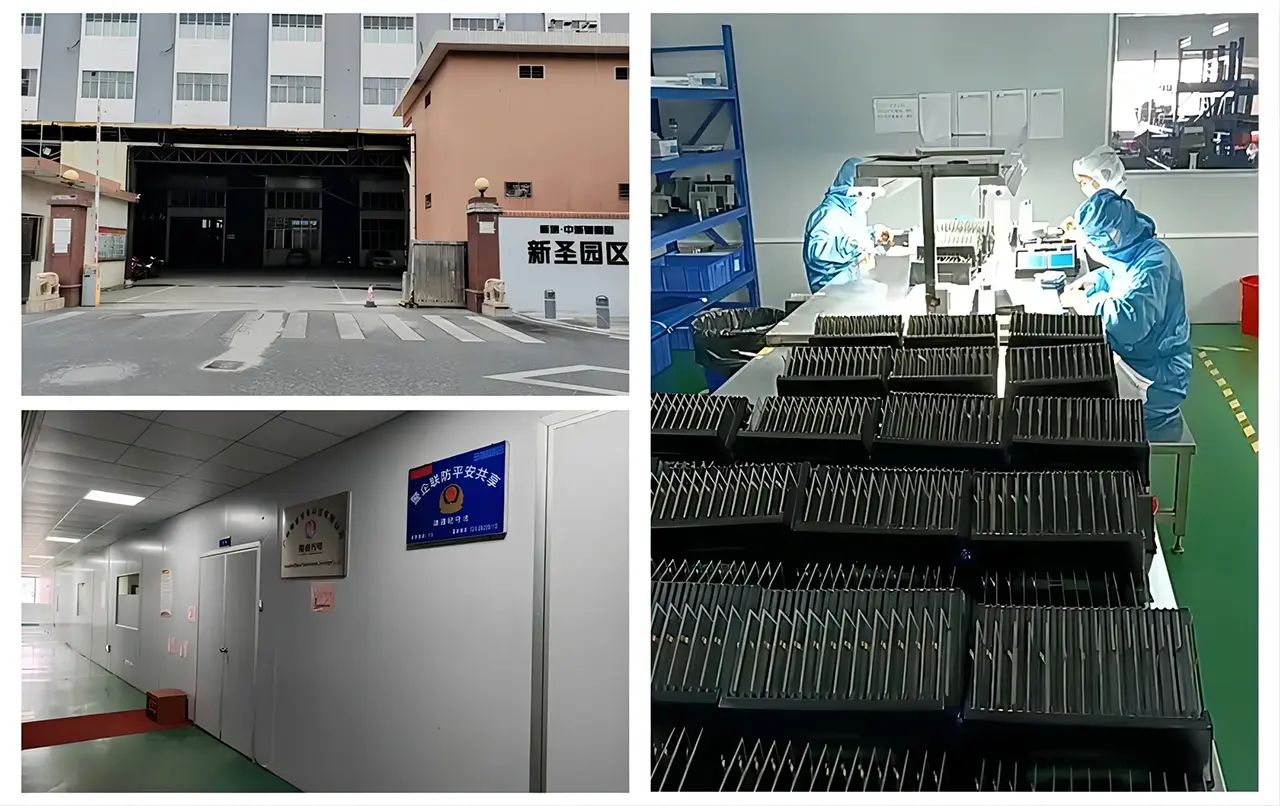
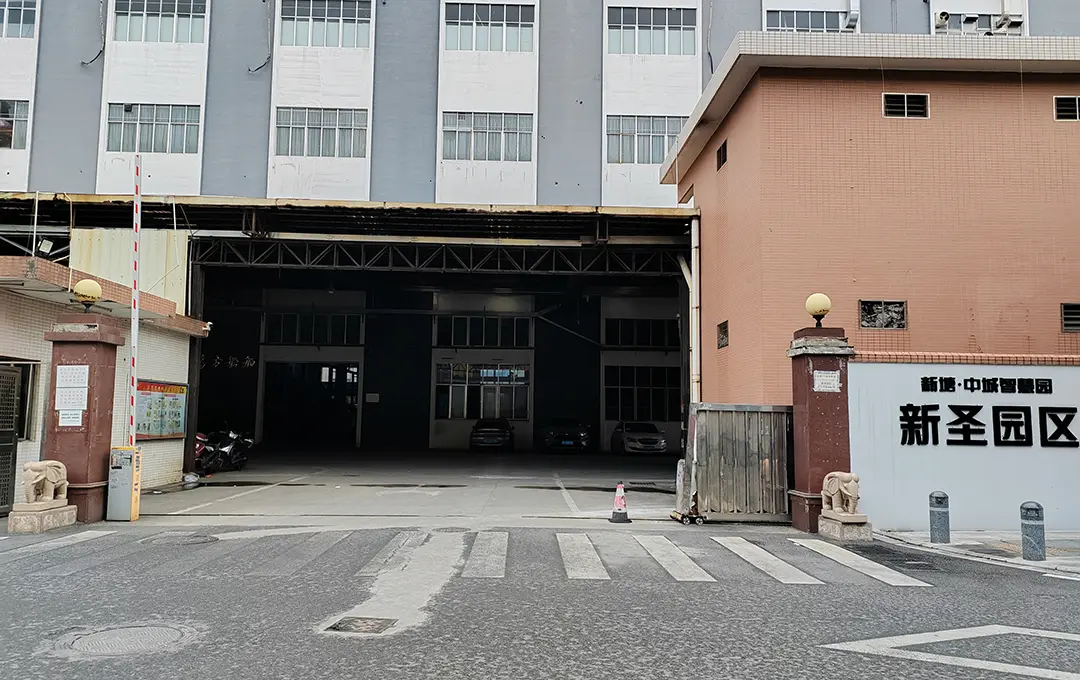
Established in 2010 and based in Guangzhou, China, we are a professional developer and high-volume manufacturer of resistive touch panels, custom capacitive touch panels, ultra-durable cover glass, and full optical bonding modules. We cover the entire manufacturing vertical: from initial design layout and layout simulation to cleanroom production, sensor glass cutting, FPC attachment, vacuum bonding, and validation testing.
Our state-of-the-art facility spans over 3,000 square meters (with a parent group capacity expanding up to 10,000 square meters), integrating specialized dust-free cleanrooms categorized under Class 100, Class 1,000, and Class 10,000 standards. This precise environment ensures that display lamination, OCA optical bonding, and film coatings are executed without the danger of microscopic dust intrusion, fulfilling strict optical clarity and durability requirements.
| Specification / Metric | 4-Wire Resistive Touch | 5-Wire Resistive Touch | Capacitive Touch (PCAP) |
|---|---|---|---|
| Operating Life (Touch Count) | ~ 1 Million Single-Point Actuations | > 35 Million Single-Point Actuations | > 50 Million Actuations |
| Resistance to Scratching | Low - Film scratches shift coordinates | High - Damage does not affect sensor accuracy | Very High - Tempered glass front layer |
| Input Flexibility | Finger, Glove, Stylus, Pen, Card edge | Finger, Glove, Stylus, Pen, Card edge | Bare finger, Specialized conductive gloves only |
| EMI Noise Sensitivity | None | None | High (requires advanced IC programming/shielding) |
| Water & Dust Immunity | Yes | Yes | Varies - requires firmware calibration |
| Standard Optical Clarity | ~ 78% to 82% | > 82% (up to 92% with Optical Bonding) | > 88% to 92% |
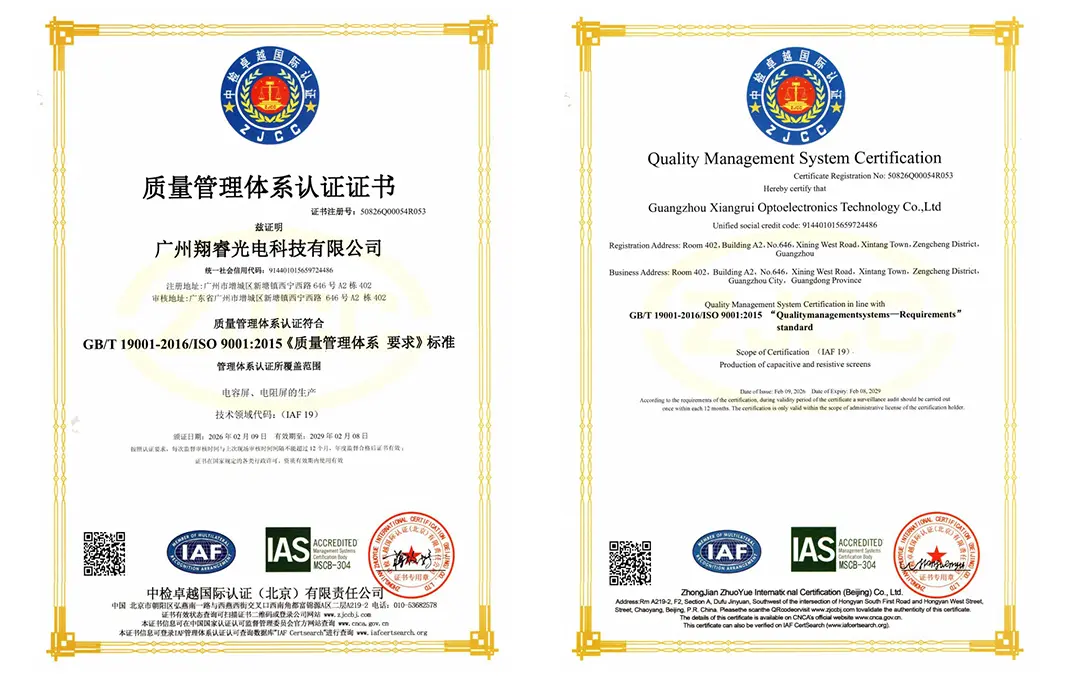
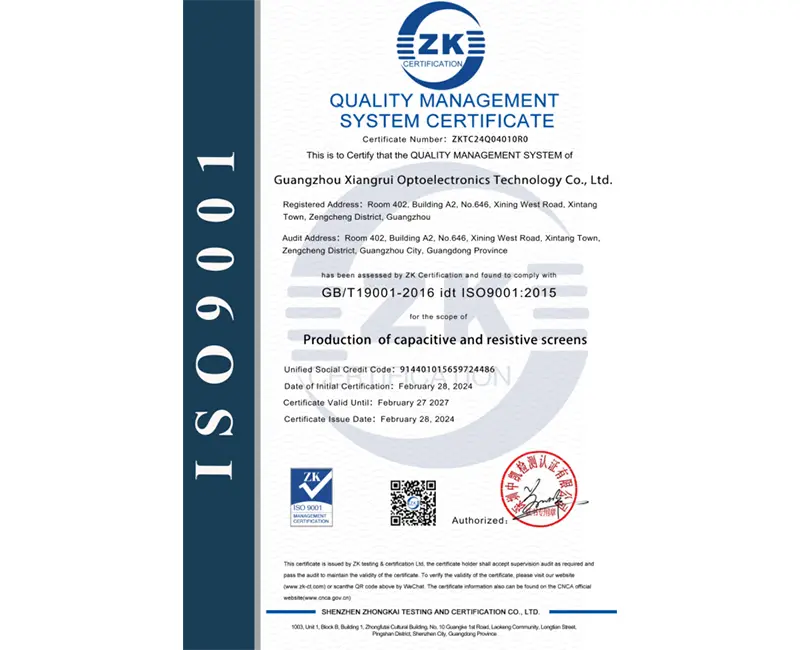
Our production lines are strictly governed by ISO 9001 Quality Management and ISO 14001 Environmental management certifications. Every manufacturing stage, from glass polishing to printing and assembly, is documented and monitored for trace-level material safety.
We supply custom panel layouts, specialized cover plates, FPC position modification, anti-glare (AG) or anti-reflective (AR) surface coatings, optical bonding (OCR/LOCA), and custom print bezels to integrate cleanly with any host system.
Operating in Guangzhou puts us at the center of the world's most advanced electronics cluster. This allows us to source raw materials such as high-grade ITO film, controllers, optical adhesives, and customized cover glass rapidly, reducing lead times and prototyping costs.
Operates continuously in factory environments with dust, welding slag, cutting fluids, and machinery vibration.
Supports latex gloves, cleaning disinfectants, and physiological fluid splattering without losing accuracy or reporting false touches.
Ensures high readability and operation under extreme weather (-20°C to +70°C) when optimized with optical bonding and UV protective layers.
Integrated with palm print recognition, signature capture, and secure POS platforms for rapid retail checkout.
Resistive touch screens are historically known for their reliability, but typical low-tier assemblies often suffer from three major vulnerabilities: coordinate drifting, film clouding (Newton's Rings), and premature mechanical fatigue. At Guangzhou Xiangrui, our research and engineering teams have developed custom solutions to eliminate these failure modes:
 Xiangrui Optoelectronics