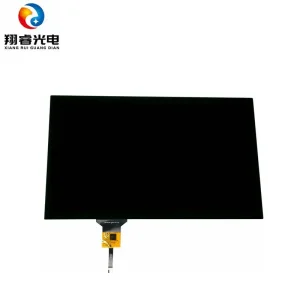
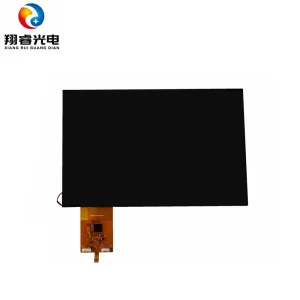
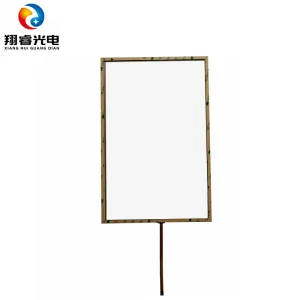
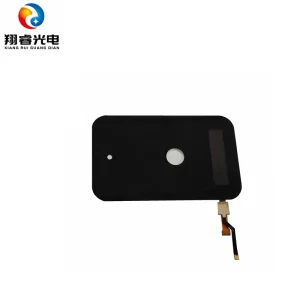
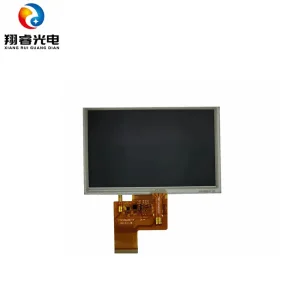
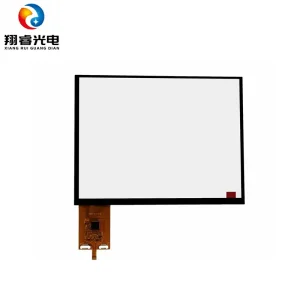
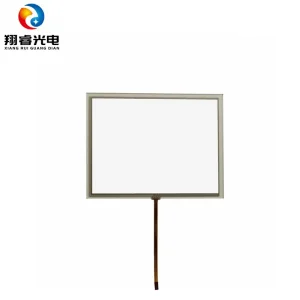
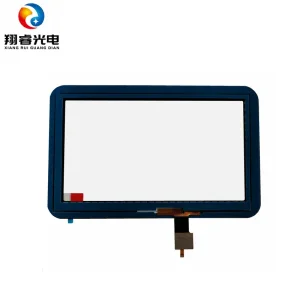
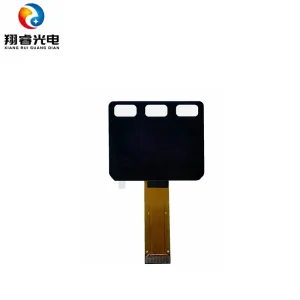
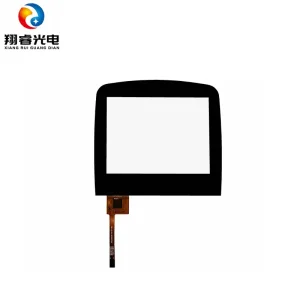
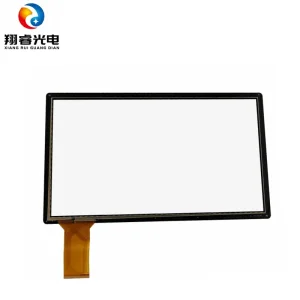
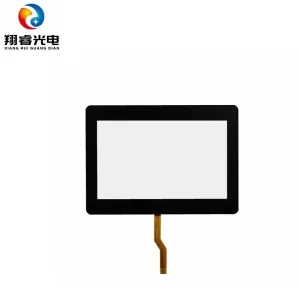
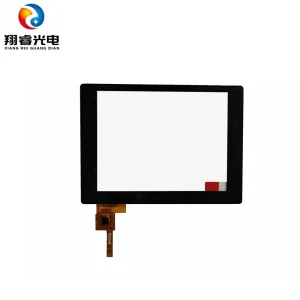
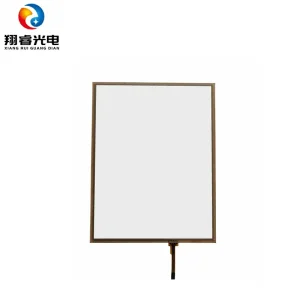
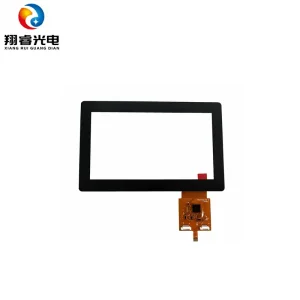
China TFT Touch Display Manufacturers & Factories

High-Precision Custom Interfaces, Industrial-Grade Assemblies, and Integrated Optical Bonding Solutions for Global OEM/ODM Applications.

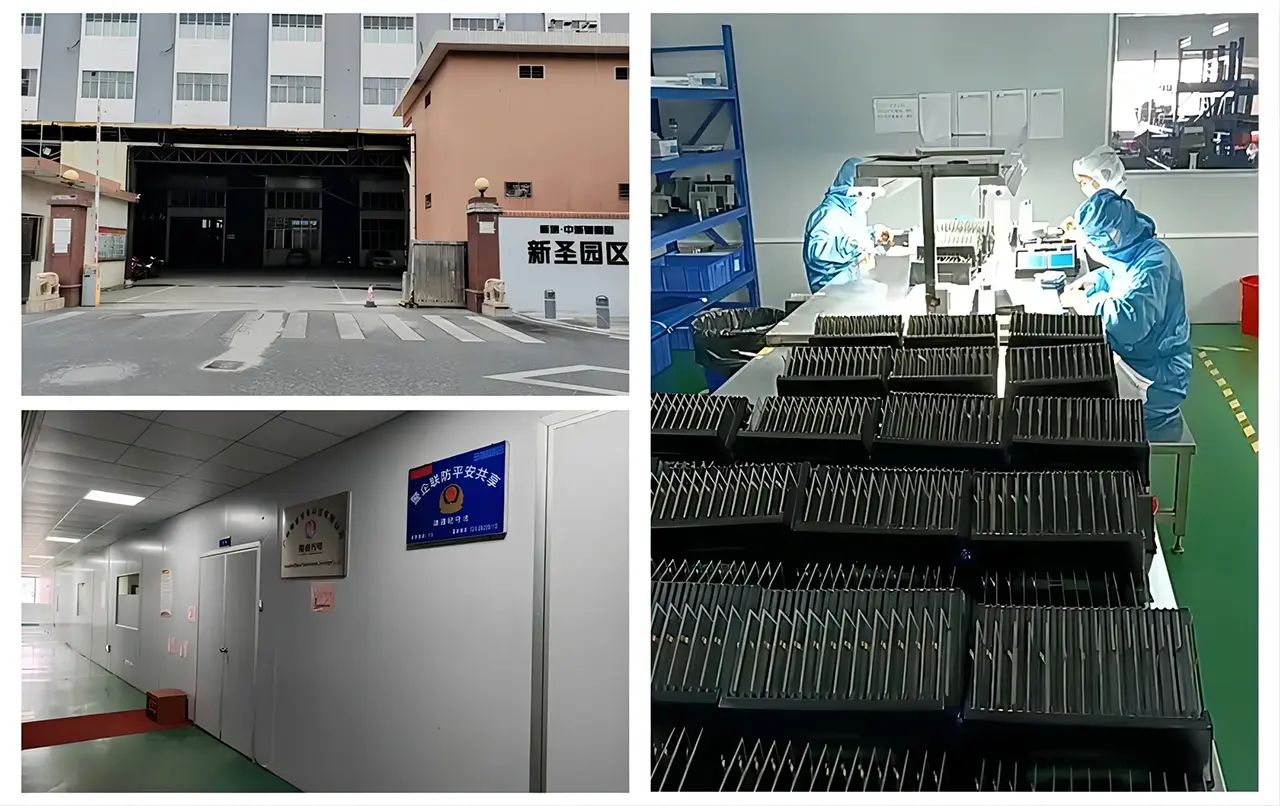
Xiangrui Optoelectronics Factory Cleanroom Production Assembly Line TFT LCD Testing Lab
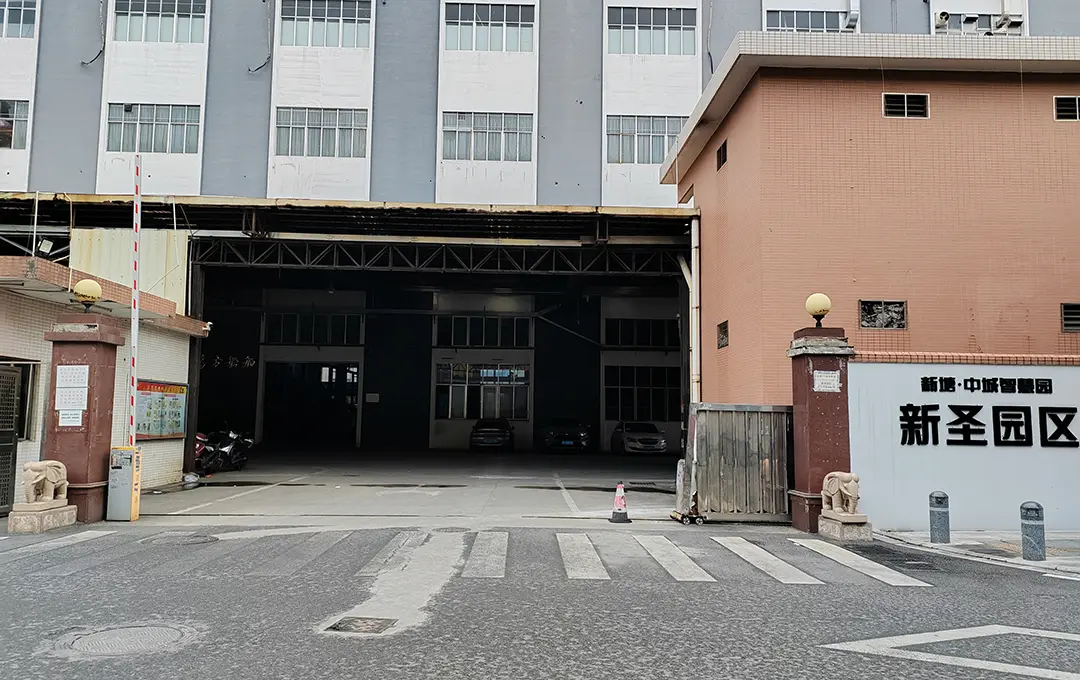
Guangzhou Xiangrui Optoelectronics Technology Co., Ltd.

Engineering High-Reliability Human-Machine Interfaces Since 2010

Founded in 2010 and strategically located in Guangzhou, China, we are a premier manufacturer dedicated to the research, development, production, and worldwide supply of industrial-grade resistive touch panels, capacitive touch panels, customized cover glass, and full module optical bonding products. Over the past decade, we have established ourselves as a dependable OEM/ODM engineering partner, transforming design visions into hardened touch interface realities.

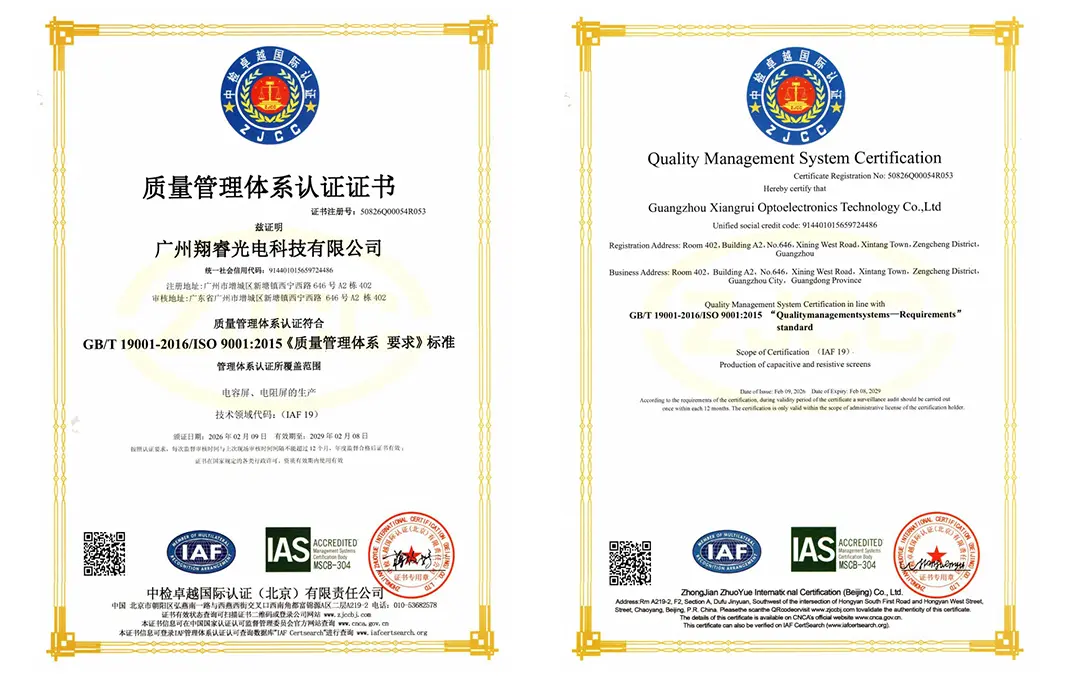
Our operation is certified to ISO 9001:2015 Quality Management and ISO 14001:2015 Environmental Management standards. Our products are optimized for deployment in high-reliability segments: advanced industrial automation, high-precision medical imaging, commercial smart appliances, IoT home infrastructure, ruggedized outdoor display consoles, and secured palm print biometrics payment networks.

Precision Manufacturing & Dust-Free Cleanroom Standards

How we achieve zero-defect touch screen lamination and optical clarity through strict environment and process controls.

3,000+
Square Meters
Our total facility size features optimized production workflows, dedicated testing areas, and secure raw material storage.
Class 100
Cleanroom Areas
Class 100, 1,000, and 10,000 dust-free zones guarantee particle-free environments for highly sensitive optical bonding steps.
30+
Invention Patents
Awarded the prestigious Guangdong Province High-Tech Enterprise status in 2022 due to proprietary touchscreen patents.
40+
Countries Exported
Our touch display assemblies are integrated into industrial machinery across North America, Europe, and Asia-Pacific.

High-Tech Enterprise Title (Guangdong, 2022): Under the guidance of our veteran R&D department, we continuously pioneer breakthroughs in wide-temperature compatibility, noise immunity (EMI/EMC mitigation), and multi-touch capabilities under wet conditions or thick gloved usage.

TFT Touch Displays: Global Market Trends & Technical Deep-Dive

A technical guide analyzing key technology distinctions, engineering principles, and procurement frameworks.

1. The Shift to Capacitive (PCAP) Touch

While resistive touch screens remain highly reliable for simple inputs and low-cost instrumentation, the global industrial sector has shifted extensively toward Projective Capacitive (PCAP) touch screens. PCAP supports multi-touch interactions, smooth swipe gestures, and offers unmatched transparency (>88% light transmission). This transition is vital for modern HMIs, smart kiosks, and medical equipment that demand intuitive interface layouts similar to consumer smartphones but with industrial robustness.

2. Engineering for Wide-Temperature Operations

Standard TFT screens fail in severe environments; liquid crystals freeze at sub-zero temperatures and clear at high temperatures, turning the display blank. We engineer wide-temperature touch panels that run continuously from -30°C up to +85°C. By using wide-temp liquid crystals and industrial polarizers, we ensure stable graphics rendering and touch sensitivity under freezing conditions or inside hot, unventilated outdoor control cabinets.

3. Refractive Index Matching (Optical Bonding)

Optical bonding is a critical process for sunlight-readable displays. By injecting a optical-grade liquid silicone adhesive (OCR/OCA) into the air gap between the TFT display cell and the cover touch sensor, we eliminate internal reflections. This process matches the refractive index of the display glass (approx. 1.5), reducing ambient light reflection by up to 90%, enhancing contrast ratios, preventing condensation under the glass, and improving structural resistance to shock.

Resistive vs. Capacitive Touch: Which Fits Your Application?

Resistive Touch Panels (5-wire & 4-wire)

  • Input Method: Operates under pressure. Can be used with fingernails, heavy work gloves, or styluses.
  • Cost-Efficiency: Highly cost-effective; requires simpler driver electronics.
  • Durability: Vulnerable to scratches on the PET outer film; best for dedicated fixed-input industrial applications.
  • Environments: Impervious to electromagnetic noise and water drops on the screen surface.

Projected Capacitive (PCAP) Panels

  • Input Method: Measures changes in electrical capacitance. Supports multi-touch (up to 10 points) and gestures.
  • Optics & Protection: Protected by chemical-strengthened cover glass (IK08+ ratings). Exceptional visual clarity.
  • Customization: Supports complex cover glass designs: custom shapes, printed logos, and AG/AR/AF coatings.
  • Environments: Ideal for public kiosks, medical instrumentation, and smart retail systems.
Why Partner with China Manufacturers

Synergies of China’s Touch Display Supply Chain

China produces over 70% of the world's flat panel displays, providing an unmatched ecosystem for sourcing raw components. From domestic glass processing plants (producing cover lenses with specialized Anti-Glare, Anti-Reflective, and Anti-Fingerprint coatings) to advanced controller IC manufacturers (EETI, ILITEK, FocalTech), all parts of the supply chain are co-located in Guangdong.

For global buyers, this concentrated infrastructure yields key business advantages:

  • Rapid Prototype Turns: Custom Flexible Printed Circuit (FPC) routing and cover glass tooling can be sampled and modified within 2 to 3 weeks.
  • Highly Competitive Tooling Costs: Low cost for custom molds allows OEMs to manufacture small, specialized batches economically.
  • Robust QA Ecosystems: Factories utilize automated optical inspection (AOI), environmental chambers, and ESD testing benches, ensuring quality levels that match international standards.

Standard Customization Options

We provide customized component integration to meet your system specifications:

Cover Glass Thickness: 0.5mm to 10mm (Vandal-Proof)
Controller Interfaces: I2C, USB, RS232, SPI
Surface Treatment: AG (Anti-Glare), AR (Anti-Reflective), AF (Anti-Fingerprint)
Backlight Luminance: Up to 2000 nits (Sunlight Readable)

Cross-Industry Application Scenarios

How different fields deploy customized TFT touch screens to ensure durability and touch precision.

Industrial Automation & HMIs

Heavy machinery monitors require dust and water exclusion. We offer IP65-sealed front panels featuring customized controllers that filter out electrical noise, enabling safe operation with gloved hands.

Medical Equipment

Medical monitors require high contrast, precise color reproduction, and liquid resistance. Our screens tolerate chemical disinfectants, feature anti-bacterial cover options, and satisfy medical safety standards.

Smart Home & Retail Pay

Palm print recognition payment consoles and IoT home controls require scratch resistance. We combine durable, high-transmission cover glass with responsive capacitive arrays for fast touch processing.

Strategic Sourcing Guide for Global Buyers

Critical metrics to evaluate when selecting your Chinese manufacturing partner for high-reliability applications.

1. Verification of Quality Management Audits

Always verify the factory’s physical ISO 9001 and ISO 14001 certificates. Ensure their cleanrooms are validated periodically by certified third-party testing agencies to guarantee actual Class 100/1000 operation for lamination steps.

2. Controller IC Sourcing and Software Adaptation

Request information on the touch controller IC brand. High-end industrial systems rely on processors like EETI or ILITEK, which support advanced custom firmware updates for glove compatibility, water spray rejection, and EMI shielding.

3. Environmental and Thermal Verification Protocols

Review the factory's internal testing labs. A reliable manufacturing partner should share detailed logs for thermal shock testing (cycling between -40°C and +85°C), ESD discharge tests (contact/air up to 15kV), and IK impact ratings.

Frequently Asked Technical Questions

Clear, direct insights to resolve common integration, manufacturing, and configuration queries.
What is the difference between Optical Bonding (OCR/OCA) and Frame/Tape Lamination?
Frame Lamination (Tape Bonding) secures the touch screen panel to the outer edges of the TFT LCD cell using double-sided adhesive tape, leaving an air gap in the middle. Optical Bonding (OCR or OCA) uses a clear adhesive resin to fill the air gap between the touch layer and LCD. Optical bonding eliminates internal reflections, improves screen visibility under direct sunlight, protects against moisture condensation, and provides higher mechanical impact resistance.
How do you achieve water and glove touch compatibility on capacitive (PCAP) displays?
By incorporating advanced touch controller IC assemblies (such as EETI or ILITEK) and modifying the firmware. The controller firmware is programmed to distinguish between the continuous capacitance of water drops and the localized capacitance of a finger or glove. This ensures the touch panel remains functional and prevents false touch triggers when exposed to water droplets, saline mist, or operated with thick industrial gloves.
Can you customize the thickness and print profile of the cover glass?
Yes. We provide cover glass options ranging from 0.5mm to 10mm to suit various applications. For high-vandalism risks or heavy industrial environments, we use chemically-strengthened cover plates (like Corning Gorilla Glass or Asahi Glass) up to 10mm thick. We can print logos, customize physical buttons, cut holes for cameras or dials, and apply AG (Anti-Glare), AR (Anti-Reflective), or AF (Anti-Fingerprint) coatings directly in our facility.
Which interfaces are standard on your industrial touch panel assemblies?
For Projected Capacitive (PCAP) panel arrays, the standard communication interfaces are I2C and USB. For installations requiring long cabling, we integrate specialized bridge boards that convert the signal to RS232 or USB-HID protocols. Our resistive touch screens typically connect via 4-wire or 5-wire analog interfaces directly to the controller board.
How do your factories ensure consistency across production runs?
Our facilities in Guangzhou are audited to ISO 9001:2015 standards. Optical bonding and lamination steps are performed in dedicated Class 100, Class 1000, and Class 10000 cleanrooms. We utilize automated optical inspection systems (AOI), environmental test chambers for thermal shock testing, and electrostatic discharge (ESD) equipment to ensure all delivered products match initial specifications.
What is the typical lead time for custom prototype screen assemblies?
Once technical drawings are finalized, tooling and sample production for custom cover glass and FPC runs take approximately 15 to 21 days. Production runs typically ship within 3 to 4 weeks depending on the order volume and integration details.